
The passage of time leaves marks on wood that artisans have spent centuries trying to replicate artificially. Patinas develop, surfaces wear in patterns determined by use, and subtle color variations emerge as finishes age and wood responds to light exposure. These effects communicate history and authenticity in ways that pristine new materials cannot achieve. Antiqued finishes on ceiling beams offer this character within controlled parameters— adding visual interest and perceived age without the extreme rustic appearances that some distressing treatments produce.
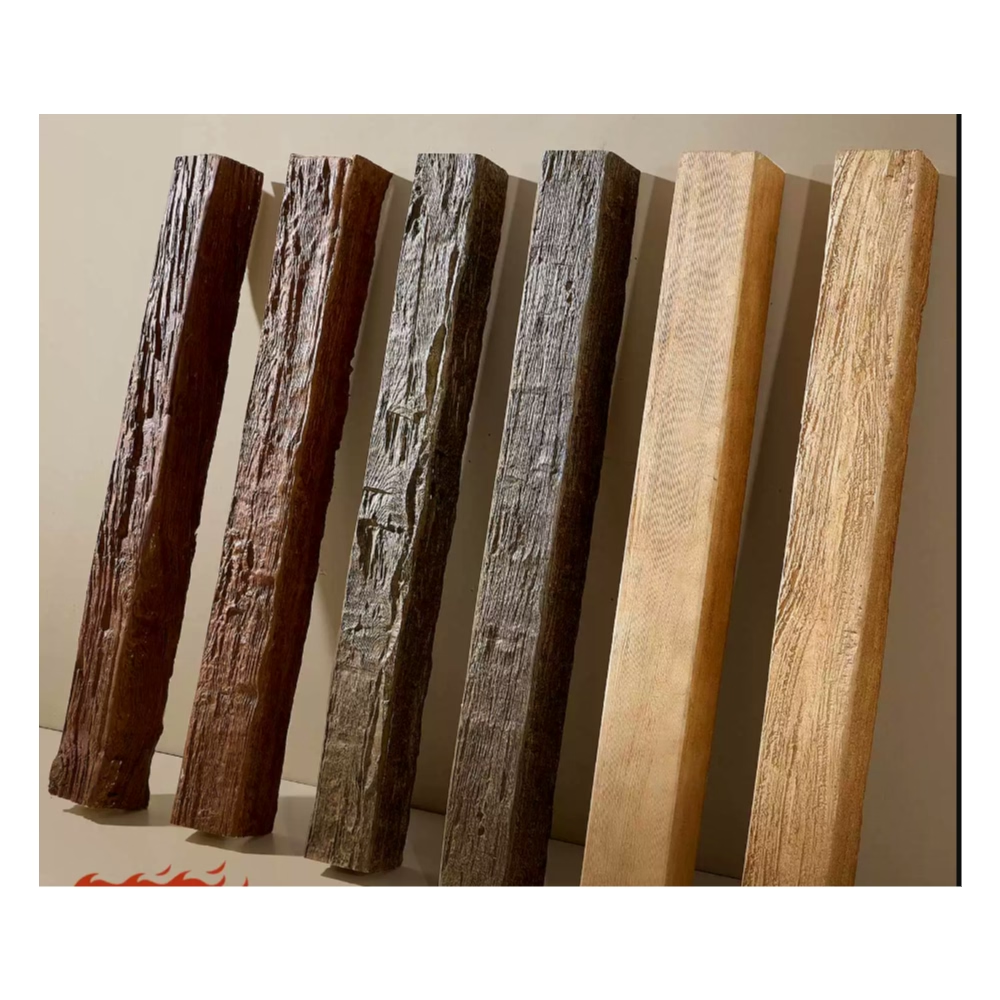
Maple wood provides an excellent canvas for antiquing treatments due to its subtle grain patterns and light color palette. Unlike oak with its bold grain or walnut with its dramatic color range, maple accepts subtle treatments gracefully, developing refined character rather than overwhelmed appearance. When translated into polyurethane beam manufacturing, these characteristics enable antiqued finishes that enhance rather than dominate elegant interior schemes.
The term "antiqued" encompasses a range of treatments from subtle surface softening to pronounced distressing. The "soft antiqued" treatment that suits elegant neutral styling falls toward the restrained end of this spectrum— enough character to add visual interest and perceived history, not so much that the beams compete with other design elements. Understanding this distinction helps designers specify appropriate treatments for their specific projects.
The Art of Subtle Antiquing
Authentic antique wood develops its character through years of use and exposure. The softening of sharp edges occurs where hands and objects contact surfaces repeatedly. Color changes result from light exposure, oxidation, and the accumulation of atmospheric materials. Achieving these effects artificially requires understanding what creates the impression of age without copying specific deterioration patterns.
Soft antiquing begins with surface preparation that removes the artificially sharp characteristics of new manufacturing. Machine marks, mold parting lines, and other evidence of industrial production are addressed through careful finishing that pre-ages surfaces without creating obvious distress. The goal is apparent maturity rather than obvious manipulation.
Color treatment adds depth through subtle tonal variations that suggest differential aging. Natural wood often shows color concentration in recesses and corners where dust and debris accumulate over time. Antiquing treatments replicate this effect by targeting similar locations for slightly darker application. The variations remain subtle— visible upon close inspection but not immediately apparent from normal viewing distances.
Edge softening rounds sharp arrises slightly, suggesting the wear patterns that occur at contact points. This treatment should be restrained enough to preserve the beam's overall geometric character while eliminating the pristine sharpness that marks new construction. The effect whispers rather than shouts.
Maple as an Antiquing Canvas
Maple's characteristics make it particularly suitable for refined antiquing treatments. The fine, consistent grain provides visual interest without creating patterns that complicate finishing. Light base colors— ranging from creamy white to pale honey— accept stain and glaze treatments evenly, enabling predictable results.
The hardness of maple contributes to its durability and its suitability for elegant applications. Unlike softer woods that may show dents and damage from normal use, maple maintains smooth surfaces that age gracefully rather than deteriorating visibly. This durability translates into polyurethane reproduction, where the material characteristics contribute to long-term appearance stability.
Maple's relatively neutral color palette complements rather than competes with surrounding materials. In neutral interior schemes where walls, floors, and furnishings occupy restrained color ranges, maple-toned beams provide warmth without introducing color intensity that might overwhelm the overall composition. The antiqued treatment adds interest without disrupting this balance.
Design Applications in Neutral Interiors
Elegant neutral interiors share certain characteristics that influence beam specification. These spaces typically feature walls in whites, greys, or other restrained tones. Flooring often presents natural materials— wood, stone, or concrete— in muted colors. Furniture selections emphasize clean lines and understated upholstery. Ceiling beams in these environments should reinforce rather than disrupt this vocabulary.

The dining room represents an ideal application for antiqued maple beams. These spaces often feature formal furniture arrangements where ceiling architecture provides visual anchoring without competing with table settings or artwork. Antiqued maple tones suggest refined taste and attention to detail, complementing quality furniture without overwhelming it.
Living rooms and great rooms accommodate larger beam installations that define space without closing it down. The light weight of maple tones keeps these installations visually present without creating the heavy, dark appearance that heavier wood species might produce. Open floor plans benefit from beam treatments that create zones without resorting to physical dividers.
Master bedrooms gain warmth from ceiling beams that elevate the space beyond standard construction. The refined character of antiqued maple suits sleeping environments where overly dramatic treatments might interfere with relaxation. The subtle aging effect suggests maturity and stability— appropriate associations for personal retreats.
Integration with Other Design Elements
Successful beam installation considers relationships between beams and other visible materials. These relationships should reinforce rather than contradict each other, creating coherent environments where all elements work together.
Flooring selection significantly influences appropriate beam treatment. Hardwood floors in similar maple tones create continuity between horizontal and vertical planes. The beams echo floor colors while maintaining distinction through vertical placement. This coordination produces environments that feel considered rather than arbitrary.
Wall colors should complement rather than compete with beam treatment. Light neutral walls— particularly those with warm undertones— harmonize with antiqued maple beams beautifully. Cool grey walls may require slightly warmer beam tones to prevent color discord. Testing samples in actual lighting conditions prevents costly mismatches.
Lighting interacts with antiqued surfaces to create visual depth. Directional lighting reveals the subtle tonal variations that distinguish antiqued treatments from simple staining. Understanding how specific lighting conditions will interact with beam finishes helps set appropriate expectations for final appearance.
Maintenance of Antiqued Finishes
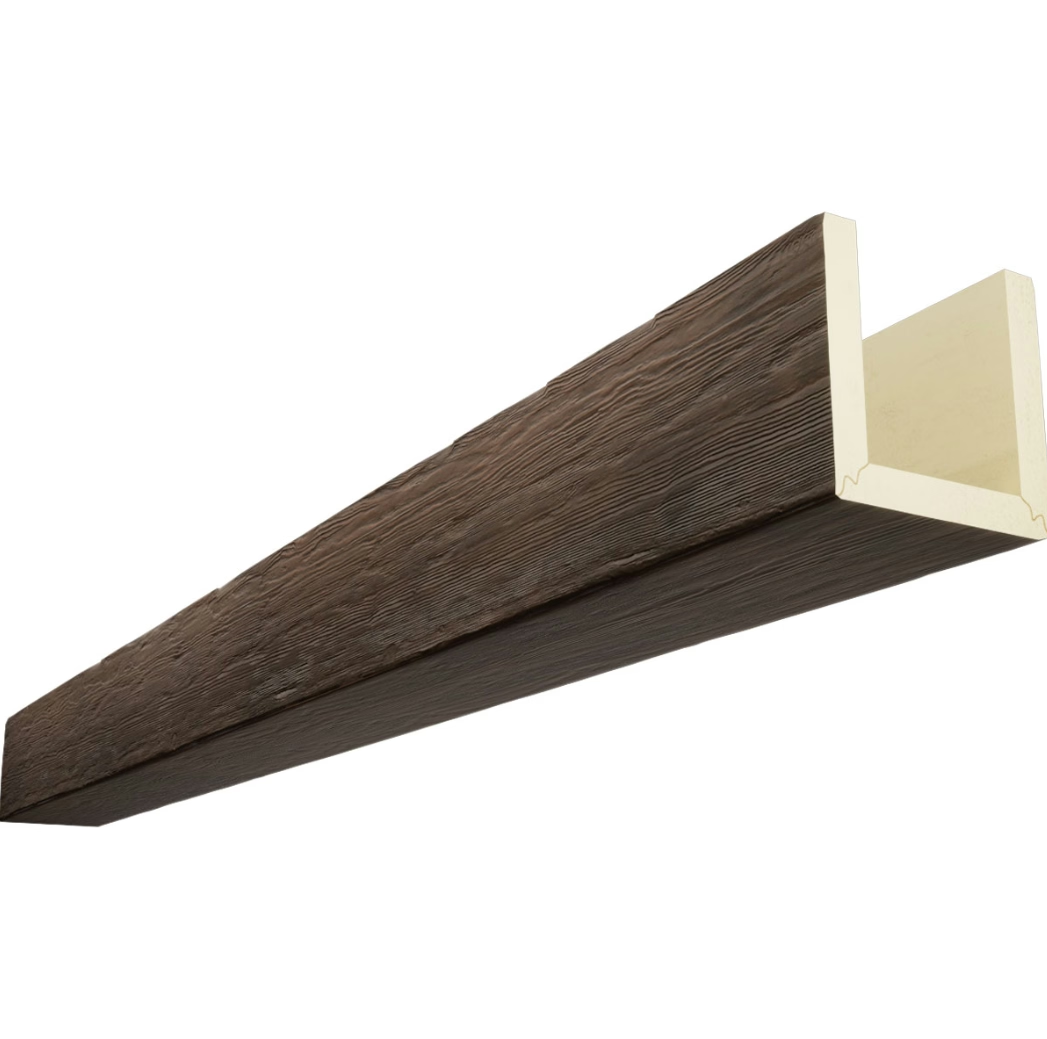
The durability of polyurethane extends to antiqued finishes, which maintain their appearance without the periodic refinishing that natural wood antiqued treatments might require. Factory-applied antiquing treatments bond to the substrate effectively, resisting the wear and deterioration that could compromise the carefully achieved subtle effects.
Regular cleaning maintains appearance through simple dusting or wiping. The antiqued surface, like smooth polyurethane surfaces generally, doesn't trap dust or debris in textured recesses. This easy cleaning represents a significant advantage over deeply distressed treatments that might accumulate grime in pronounced relief areas.
The UV resistance of quality antiqued finishes prevents the rapid fading that could compromise subtle tonal variations. Natural wood antiqued treatments may fade unevenly, with some areas lightening while others maintain color. Polyurethane's color stability ensures consistent appearance over years of exposure to sunlight through windows.
Cost Considerations and Value
Antiqued finish treatments add to beam costs beyond basic pre-finished options. The additional manufacturing steps required for antiquing— surface preparation, stain application, glazing, and sealing— contribute to higher price points. However, the visual benefits often justify this premium for projects where appearance is paramount.
Compared to natural wood beams with equivalent antiquing treatments, polyurethane alternatives offer significant cost advantages. The manufacturing efficiency of polyurethane production keeps material costs lower, while the consistent results of factory finishing reduce the risk of expensive touch-up work that natural wood antiquing sometimes requires.
Long-term value considerations favor polyurethane antiqued beams as well. The absence of ongoing maintenance requirements— sealing, touch-up, refinishing— eliminates costs that would accumulate over the life of natural wood alternatives. For commercial applications or rental properties, this predictability simplifies budgeting considerably.
Specification Guidance
Selecting antiqued maple beams requires evaluating treatment intensity, color matching, and profile options. Understanding these variables helps designers specify appropriately for specific project requirements.
Treatment intensity should align with overall design direction. More formal, refined environments benefit from subtler antiquing that suggests age without obvious manipulation. Casual spaces might accommodate more pronounced distressing without creating visual discord. Matching treatment to environment ensures coherent results.
Color matching to existing maple elements— flooring, millwork, or furniture— requires careful sample evaluation. Maple tones vary considerably even within natural wood, and antiquing treatments affect these tones further. Samples should be evaluated under actual installation conditions, as lighting significantly influences color perception.
Profile selection should complement the refined character of antiqued maple treatments. Clean, simple profiles suit elegant applications better than highly detailed or ornate alternatives. The beam shape should support the overall design direction rather than introducing contradictory notes.
Professional consultation helps navigate these specification decisions effectively. Showroom visits, sample evaluation, and experienced guidance contribute to selections that meet design objectives while avoiding costly errors.
Technical References
ASTM standards cited in every specification
Test Data
Lab results from internal testing program
Updated 2026
Reviewed against current product specs


