
Scandinavian design philosophy emerged from northern European cultures where long winters and limited daylight shaped interior priorities. Spaces were designed to maximize available light, minimize visual clutter, and create environments that supported wellbeing during extended periods indoors. This functional foundation evolved into an aesthetic language recognized worldwide for its elegance, restraint, and timeless appeal. Today, homeowners across climates embrace Scandinavian principles, seeking the bright, calm, intentional environments that characterize Nordic interiors.
Ceiling beams in Scandinavian design serve purposes that differ from their roles in other aesthetic traditions. Rather than introducing rustic warmth or historical character, beams in Scandinavian spaces should contribute lightness while providing subtle visual anchoring. The ideal beam appears to float rather than weigh, enhancing the sense of space while preventing ceilings from disappearing entirely into undefined expanse.
Soft blonde wood tones align perfectly with these requirements. The light color reflects rather than absorbs available illumination, contributing to the bright atmosphere that Scandinavian design prioritizes. Natural blonde woods like birch, ash, and maple provide inspiration, with polyurethane reproductions capturing essential qualities while offering practical advantages that natural materials cannot match.
Understanding Scandinavian Ceiling Aesthetics
The Scandinavian approach to ceiling treatment differs markedly from American or Mediterranean traditions. Where those styles might embrace exposed beams as rustic architectural features, Nordic design tends toward seamless ceilings that maintain uninterrupted planes. When beams appear in Scandinavian interiors, they typically serve specific functional or aesthetic purposes rather than introducing raw architectural character.
This restraint doesn't mean that ceilings in Scandinavian homes lack interest. The interest comes from proportion, light quality, and subtle variation rather than prominent structural elements. When beams are introduced, they should enhance these qualities rather than contradict them through heaviness or pronounced texture.
The blonde wood palette supports these objectives effectively. Light woods recede visually, maintaining the sense of openness that Scandinavian interiors prioritize. The natural warmth prevents spaces from feeling clinical or cold despite their restrained color palettes. This balance between brightness and warmth defines the Scandinavian ceiling ideal.
The Blonde Wood Palette
Blonde woods encompass several species and finishes that share light, warm characteristics. Each offers slightly different qualities that suit particular applications or coordinate with specific material palettes.
Birch provides the quintessential blonde wood appearance with consistent light coloring and subtle grain. The wood's fine, even texture creates surfaces that appear almost uniform from normal viewing distances, contributing to the clean aesthetic that Scandinavian design values. Polyurethane reproductions capture birch's essential character without the natural variation that makes matching difficult with solid wood.
Ash offers similar lightness with slightly more pronounced grain that adds subtle visual interest without creating heavy patterns. The wood takes stains and finishes well, enabling precise color matching across multiple pieces. For beam applications where consistency matters, ash's reliable coloring proves valuable.
Maple ranges from nearly white to pale honey, providing versatility within the blonde palette. The wood's natural warmth prevents the chalky appearance that some very light woods can exhibit. This warmth aligns well with Scandinavian principles that balance brightness with comfort.
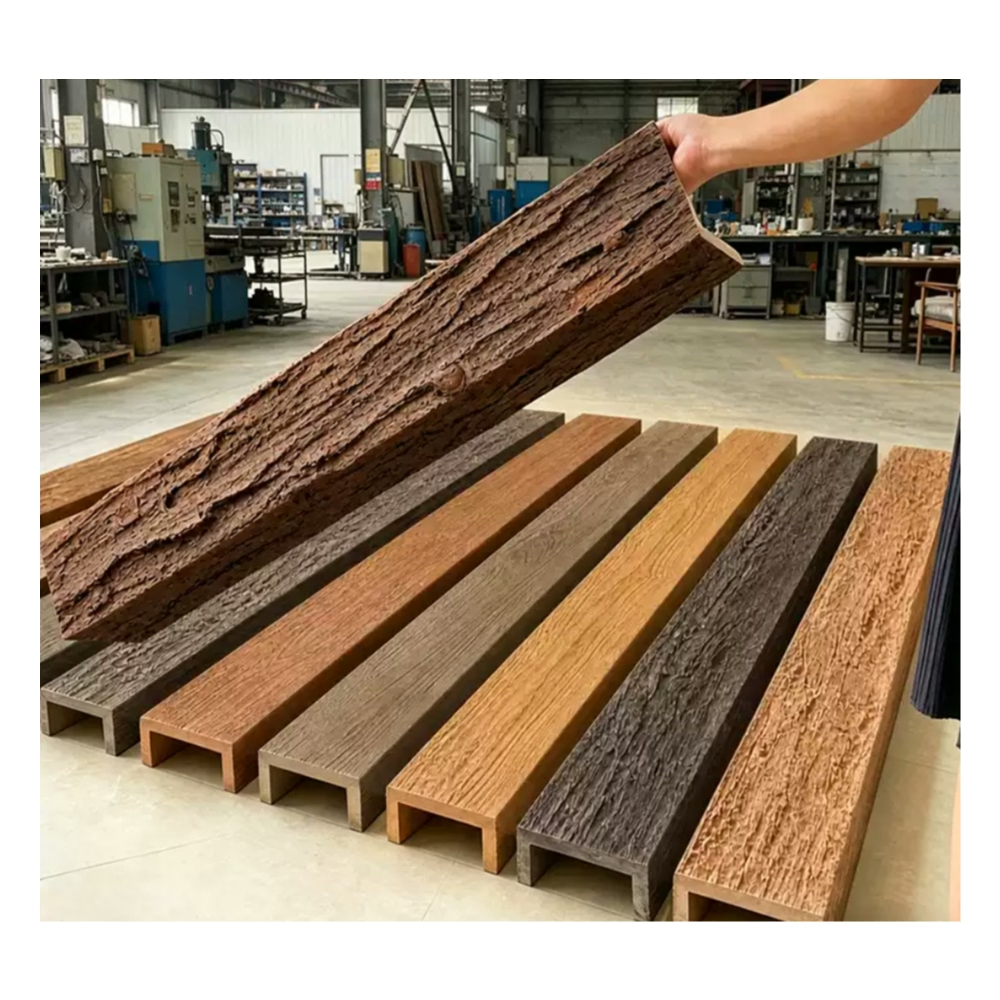
Design Applications Across Scandinavian Spaces
The living room represents the most common application for blonde wood beams in Scandinavian interiors. These spaces typically feature comfortable seating, natural textiles, and artwork displayed with restraint. Ceiling beams add architectural interest without competing with these elements, maintaining the uncluttered clarity that characterizes well-designed Scandinavian living rooms.

Bedroom applications benefit from the calming qualities that blonde wood provides. The light color contributes to the serene atmosphere that sleeping spaces require, while natural wood warmth prevents clinical sterility. Beams across bedroom ceilings can define sleeping zones within larger rooms or add interest to rooms with challenging ceiling heights.
Kitchen and dining areas in Scandinavian style often incorporate blonde wood elements that extend to ceiling beams. The continuity between cabinetry, furniture, and ceiling treatments creates environments that feel fully designed rather than assembled from unrelated components. This coordination proves particularly valuable in open-plan layouts where visual connections span substantial distances.
Home office and workspace areas accommodate blonde wood beams that add warmth to functional environments. The light color supports focus and concentration while preventing the沉闷 that heavy materials might create during extended work sessions. Scandinavian workspaces prioritize comfort alongside function, and ceiling treatments contribute to this balance.
Coordination with Scandinavian Color Palettes
Scandinavian interiors typically employ restrained color palettes that emphasize whites, greys, and natural material tones. Blonde wood beams integrate naturally into these schemes, providing warmth that prevents spaces from feeling monochromatic.
White walls— a Scandinavian staple— provide perfect backgrounds for blonde wood beams. The combination creates bright, airy environments with just enough visual interest to prevent sterility. Beams across white ceilings appear to hover slightly, adding presence without weight.
Grey tones in Scandinavian palettes range from cool blue-greys to warmer greige combinations. Blonde wood coordinates with both extremes, though warmer greige walls benefit from wood tones that match rather than contrast. Testing samples in actual lighting conditions reveals these subtle relationships.
Natural materials— stone, concrete, linen, wool— appear throughout Scandinavian interiors and complement blonde wood effectively. The organic warmth of wood balances the potentially cool character of stone and concrete, creating the comfortable environments that Nordic design aims to achieve.
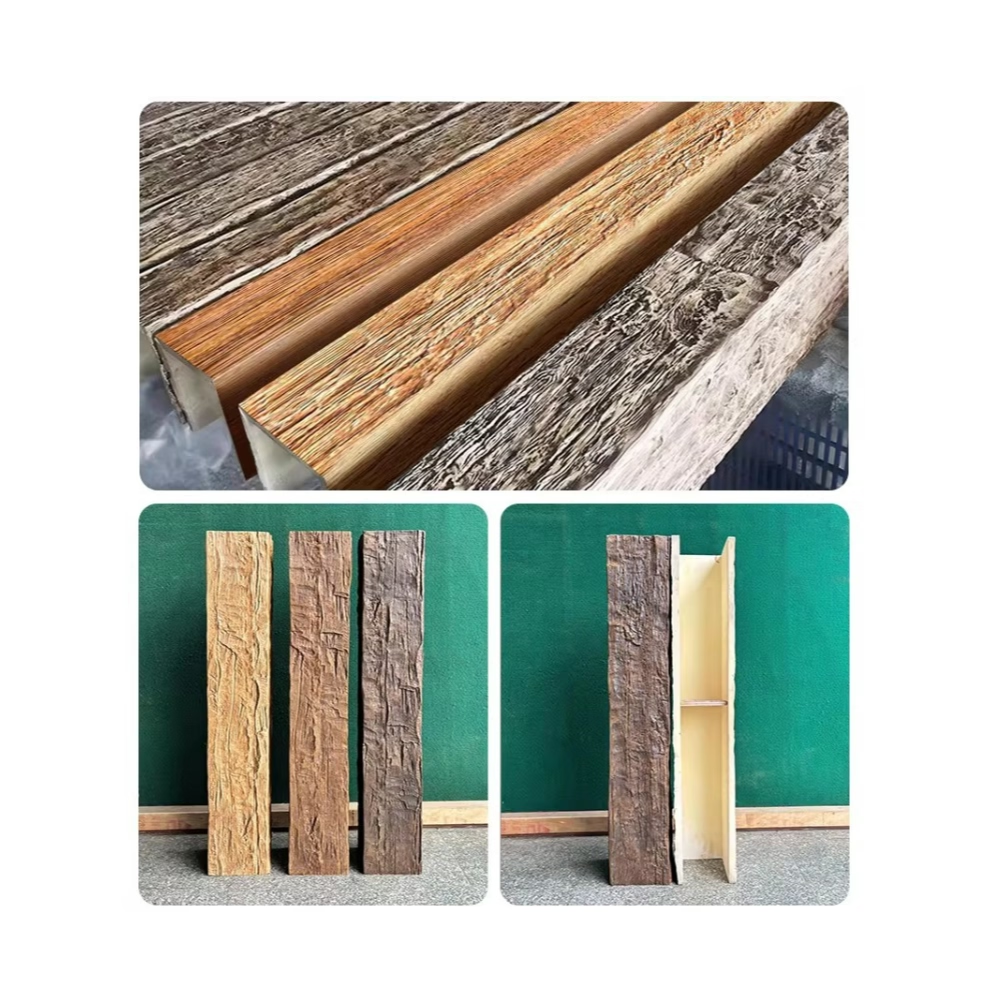
Light Reflection and Room Brightness
The light-reflecting properties of blonde wood beams contribute meaningfully to room brightness. This characteristic proves particularly valuable in spaces with limited natural light or north-facing orientations where maximizing illumination matters.
Polyurethane blonde wood finishes are engineered to reflect light effectively without appearing artificially glossy. The balance between reflection and absorption produces surfaces that appear natural while providing the brightness contribution that Scandinavian design values. This engineered reflectance exceeds what natural wood finishes might achieve, as natural materials vary considerably in their light-handling characteristics.
In rooms with significant natural light from large windows, blonde wood beams catch and distribute illumination in ways that enhance the overall sense of openness. The beams appear to glow subtly when light strikes them directly, adding life to what might otherwise be flat ceiling surfaces. This dynamic interaction between light and beam surface creates environments that change character throughout the day as light angles shift.
Installation Considerations for Scandinavian Spaces
The clean, minimal aesthetic of Scandinavian interiors demands precise installation that maintains alignment and joint quality. Even slight misalignments that might go unnoticed with textured or rustic beams become obvious with smooth blonde surfaces. Professional installation ensures the precision that these spaces require.
Profile selection should emphasize clean lines and restrained proportions. Beams that are too deep or too wide may create visual heaviness that contradicts Scandinavian lightness. Proportional balance between beam dimensions and ceiling height ensures that beams enhance rather than overwhelm.
Finish consistency matters considerably for blonde wood applications. Variations in tone or sheen become more apparent with light colors than with darker alternatives. Quality polyurethane products provide the consistency that Scandinavian interiors demand, ensuring that all beam pieces present identical appearance.
Long-Term Appearance and Care
The durability of polyurethane blonde wood finishes ensures that Scandinavian interiors maintain their intended character over time. Unlike natural wood that may darken, yellow, or develop uneven patinas, polyurethane resists these changes effectively.
Cleaning requirements are minimal and straightforward. Regular dusting maintains appearance without special treatment. The smooth surface doesn't trap debris, and occasional cleaning with damp cloth removes accumulated dust without affecting finishes.
The stability of polyurethane blonde wood tones ensures that color matching established during installation remains accurate indefinitely. Natural wood blonde finishes may shift in tone over years of exposure, requiring eventual refinishing to restore original appearance. Polyurethane eliminates this maintenance requirement entirely.
For homeowners seeking to create bright, calm, intentional environments that honor Scandinavian principles, blonde wood tone polyurethane faux beams provide a foundation that combines aesthetic excellence with practical durability. These beams enable the light, airy spaces that define contemporary Scandinavian style while offering the reliability that long-term satisfaction requires.
Technical References
ASTM standards cited in every specification
Test Data
Lab results from internal testing program
Updated 2026
Reviewed against current product specs


