
Coastal living conjures images of salt air, sun-bleached surfaces, and the unhurried rhythms of life near water. Interior design that captures this essence doesn't attempt to recreate the beach indoors but rather creates spaces that feel connected to maritime environments through color, texture, and atmosphere. Soft casual coastal styling embraces imperfection, welcomes natural light, and prioritizes comfort over formality. When implemented thoughtfully, ceiling beams contribute warmth and architectural interest without disrupting the relaxed character that defines the style.
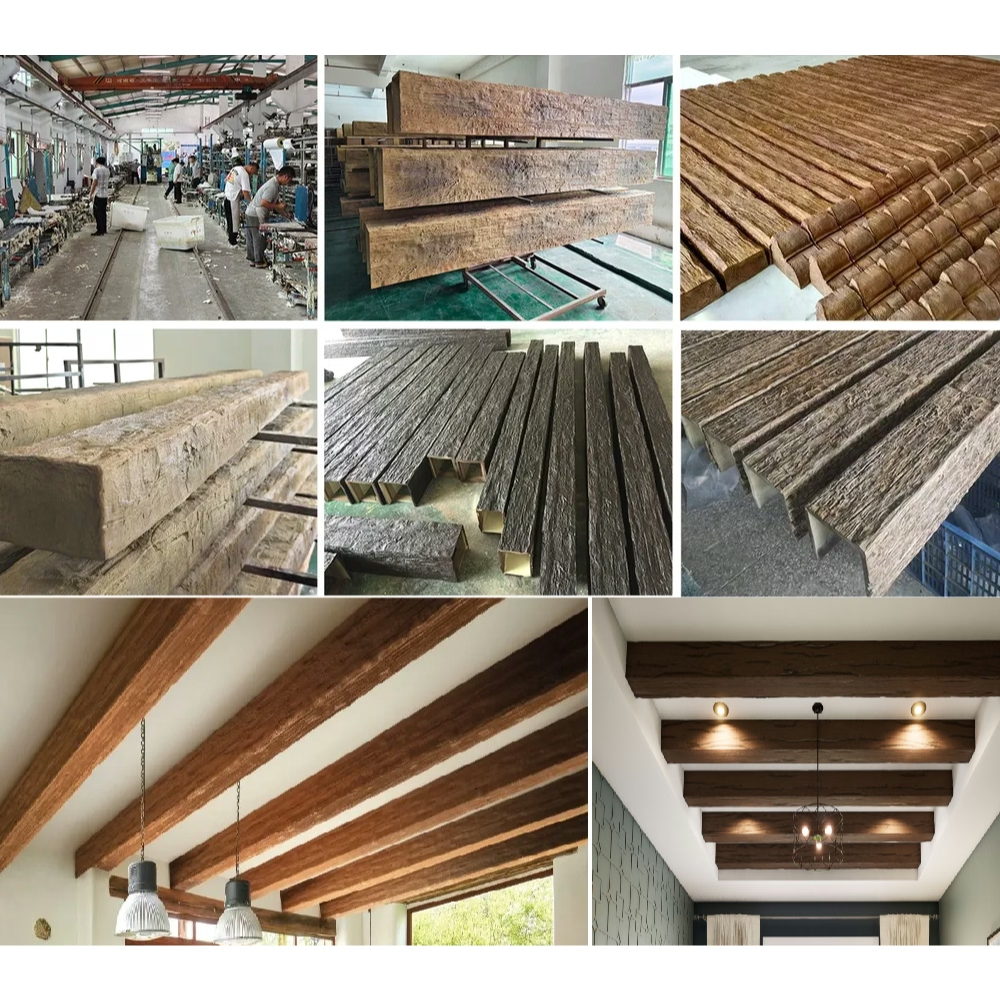
Natural wood aesthetics align beautifully with coastal design principles. Wood's organic character connects interiors to the natural world, echoing the driftwood, weathered docks, and fishing boats that populate coastal imagery. The material brings warmth that prevents spaces from feeling sterile despite light, airy color palettes. For ceiling applications, faux wood beams made from polyurethane capture these essential qualities while offering practical advantages that natural wood cannot match in humid coastal environments.
The casual coastal approach to beams differs from formal traditional styling. Rather than heavy, prominent beams with pronounced texture and rustic hardware, coastal interiors favor lighter presentations that suggest wood's presence without demanding attention. The beams appear to belong naturally rather than being installed as afterthought additions.
Principles of Casual Coastal Design
Casual coastal design emerged from observations of how people actually live in beach environments. Early coastal homes were functional structures built to withstand harsh conditions while providing shelter from sun and storms. Interiors emphasized practical comfort over aesthetic sophistication. Over time, this functional approach developed into a recognized design vocabulary that emphasizes light, air, and natural connection.
The color palette centers on variations of white, sand, sky blue, and natural material tones. These colors reflect light generously, helping interiors feel bright and open despite potentially modest window areas. Wood tones in this palette should lean toward lighter, weathered appearances rather than rich, dark alternatives. The goal is warmth without weight, comfort without heaviness.
Texture plays a significant role in casual coastal spaces. While the overall effect remains light and airy, subtle texture prevents clinical sterility. Woven textiles, natural fiber rugs, linen upholstery, and lightly textured wall surfaces all contribute. Ceiling beams with natural wood appearances add to this textural richness while maintaining the restrained character that coastal design requires.
Wood Tone Selection for Coastal Spaces
Selecting appropriate wood tones for coastal interiors requires understanding how colors interact with light, surrounding materials, and the overall atmosphere the space aims to achieve. Not all natural wood appearances suit coastal styling— the selection should complement rather than compete with the light, airy character the style prioritizes.
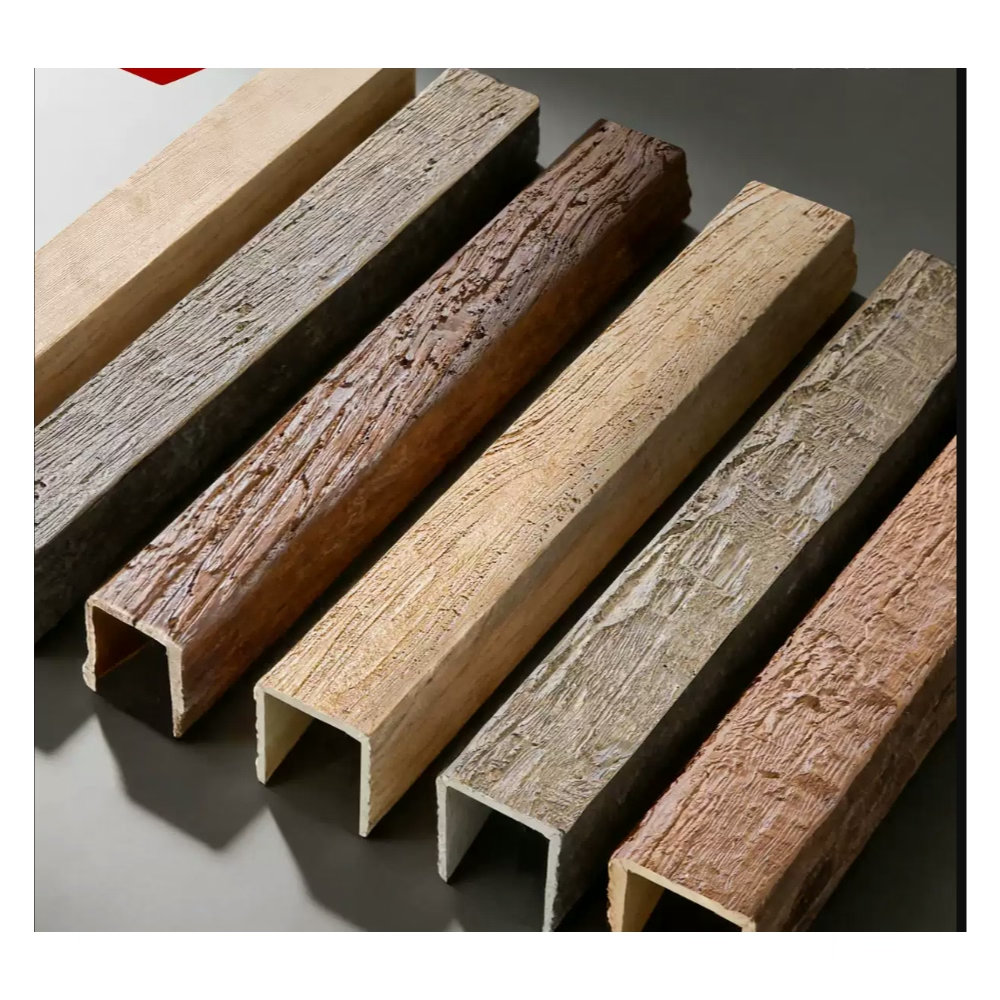
Light oak tones work exceptionally well in coastal applications. The warm honey color provides visible wood character while remaining light enough to preserve the brightness that coastal interiors value. Grain patterns should be moderate— visible enough to confirm the wood appearance without creating the heavy patterns of species like red oak or walnut.
Reclaimed wood appearances offer weathered character that suits coastal aesthetics beautifully. The softened colors and subtle wear patterns suggest history and natural aging without requiring the patina to develop over decades. Polyurethane reproductions of reclaimed wood appearances capture essential qualities effectively, making the look accessible in any location regardless of proximity to actual coastal environments.
Whitewashed and pickled wood finishes present lighter still options that approach the blonde wood category. These treatments maintain visible grain while lightening the overall tone to coordinate with white and pale wall surfaces. The effect suggests wood without the full color commitment that darker tones would demand.
Application in Living Spaces
Living rooms in casual coastal homes benefit from ceiling beams that add warmth without overwhelming the light, comfortable atmosphere. The beams might span living areas to define zones within open floor plans, or run continuously across multiple spaces to create visual continuity. Either approach should maintain the sense of openness that coastal interiors prioritize.

The choice between exposed beam installations and beam boxes that enclose existing structure depends on specific ceiling conditions and design objectives. Exposed beam presentations emphasize the beams as distinct architectural elements, while box beam installations create the appearance of structural beams while actually enclosing lighter infrastructure. Both approaches suit coastal styling when implemented appropriately.
Furniture coordination matters in living spaces where beams interact with seating arrangements. Lighter wood tones prevent beams from appearing to press down on furniture below, maintaining the openness that coastal design values. The beams should feel like natural additions rather than imposing presences that shrink perceived room volume.
Bedroom Styling with Coastal Beams
Master bedrooms in coastal homes should feel like retreats— spaces that support rest and relaxation while maintaining the light, welcoming character of the overall design. Ceiling beams contribute to this atmosphere when selected and positioned thoughtfully.
The bed typically commands visual attention in bedroom settings, and ceiling beams should complement rather than compete with this focal point. Lighter wood tones and restrained proportions ensure that beams enhance rather than distract from bedding, headboards, and other bed-related design elements.
Window placement and ceiling height influence appropriate beam specifications. In rooms with high ceilings, beams can add visual weight that helps scale the space appropriately. Lower ceilings may benefit from shallower beams that add warmth without reducing perceived height. These proportional considerations ensure that beam installations feel appropriate rather than arbitrary.
Lighting integration with coastal bedroom beams should emphasize soft, ambient illumination rather than dramatic accent lighting. Recessed fixtures maintain ceiling planes, while pendant or semi-flush fixtures at beams add functional lighting without visual heaviness. The overall effect should support the calm, restful atmosphere that bedrooms require.
Kitchen and Dining Considerations
Kitchens and dining areas present both opportunities and challenges for coastal beam installations. These high-traffic, high-function spaces benefit from the warmth that wood brings to potentially cold or clinical surfaces, but they also face conditions— moisture, heat, grease— that require durable materials.
Polyurethane faux beams address coastal kitchen conditions effectively. The material resists moisture absorption that could damage natural wood in humid kitchen environments. Temperature fluctuations that might cause natural wood to expand or contract don't significantly affect polyurethane. Cleaning requirements remain simple, without the specialized treatments that natural wood might require.
The visual relationship between beams and other wood elements— cabinetry, countertops, dining tables— should be harmonious rather than competing. Matching wood tones exactly may feel too uniform; slightly contrasting tones create visual interest while maintaining family resemblance. This coordination requires attention during selection but produces spaces that feel completely considered.
Outdoor Connection and Natural Light
Coastal interiors emphasize connection to outdoor environments, and ceiling beams should support rather than interrupt this relationship. The positioning of beams should consider window locations, sight lines, and the paths that natural light takes through spaces throughout the day.
Beams positioned to avoid blocking light from windows preserve the brightness that coastal interiors prioritize. This consideration may influence beam direction, spacing, and placement relative to window walls. Thoughtful positioning ensures that beams add warmth without reducing the natural illumination that makes coastal spaces feel alive.
Views to outdoor areas should remain unobstructed where possible. Beams that interrupt sight lines to water, landscapes, or garden areas compromise the connection that coastal design aims to establish. When beam installation must intersect with view corridors, slimmer proportions minimize the visual interruption.
Maintenance for Coastal Environments
Coastal environments present specific challenges for interior materials, including salt air that accelerates corrosion and humidity fluctuations that affect some materials. Polyurethane faux beams handle these conditions well, resisting the moisture and salt exposure that might damage natural wood alternatives.
Regular cleaning maintains beam appearance in coastal spaces where windows may be opened frequently and salt air penetrates interior environments. The smooth surfaces of polyurethane beams clean easily without specialized products, and the material doesn't require sealing or other protective treatments that natural wood might need.
The durability of polyurethane ensures that coastal beam installations maintain their intended appearance over years of salt air exposure. Natural wood might show accelerated aging under these conditions, developing checks, splits, or finish failures that compromise appearance. Polyurethane's resistance to these degradation mechanisms provides lasting performance that coastal environments demand.
For homeowners seeking to create relaxed, welcoming coastal interiors with natural warmth and casual sophistication, polyurethane faux wood beams provide the foundation that makes these spaces successful. The combination of aesthetic suitability and practical durability addresses both immediate design objectives and long-term satisfaction.
Technical References
ASTM standards cited in every specification
Test Data
Lab results from internal testing program
Updated 2026
Reviewed against current product specs


