
The grey wood aesthetic captures something essential about the coastal experience: the gradual softening that salt, sun, and water create over time. Beach structures weathered to silver-grey tones represent decades of maritime exposure, and their quiet presence suggests resilience, continuity, and adaptation to demanding conditions. When this aesthetic enters interior design, it brings similar associations— a sense that spaces have evolved naturally rather than being assembled from catalog components. For beach house interiors, grey wood look beams provide the weathered character that makes these spaces feel authentically connected to their environments.
Grey wood appearances have evolved from niche specialty to mainstream interior design element. This broader acceptance reflects changing tastes that favor muted sophistication over bold color statements. Grey wood tones coordinate beautifully with the whites, blues, and natural tones that dominate coastal palettes, providing visual interest without introducing color intensity that might overwhelm the light, airy atmospheres these spaces aim to create.
Polyurethane manufacturing enables grey wood appearances with consistent quality that natural weathering cannot achieve. Each beam presents the same carefully calibrated grey tone, with grain patterns and surface textures designed to suggest authentic aged wood. The result is a unified appearance across entire installations, with none of the variation that makes matching natural grey wood so challenging.
The Psychology of Grey in Coastal Spaces
Color psychology influences how spaces affect their inhabitants, and grey occupies an interesting position in this framework. Unlike warm colors that energize or cool colors that calm, grey functions more as a neutral that allows other elements to shine. In coastal spaces, grey wood beams provide visual interest while letting water views, natural light, and carefully selected furnishings take center stage.
The softness of coastal grey distinguishes it from the harsh concrete greys that urban environments sometimes employ. Coastal grey wood tones retain warmth that prevents spaces from feeling cold or institutional. This warmth emerges from subtle brown or beige undertones that distinguish coastal greys from their cooler urban counterparts.
Grey also provides visual rest— a pause between the brighter elements that coastal palettes typically include. Walls in soft white, accents in sky blue, and natural fiber textures all benefit from grey intervals that prevent visual monotony without introducing competing colors. Ceiling beams in grey wood tones serve this moderating function effectively.
Achieving Authentic Grey Wood Appearance
The term "grey wood" encompasses significant variation in tone, texture, and overall effect. Distinguishing between options requires understanding what creates authentic weathered character versus superficial color application.
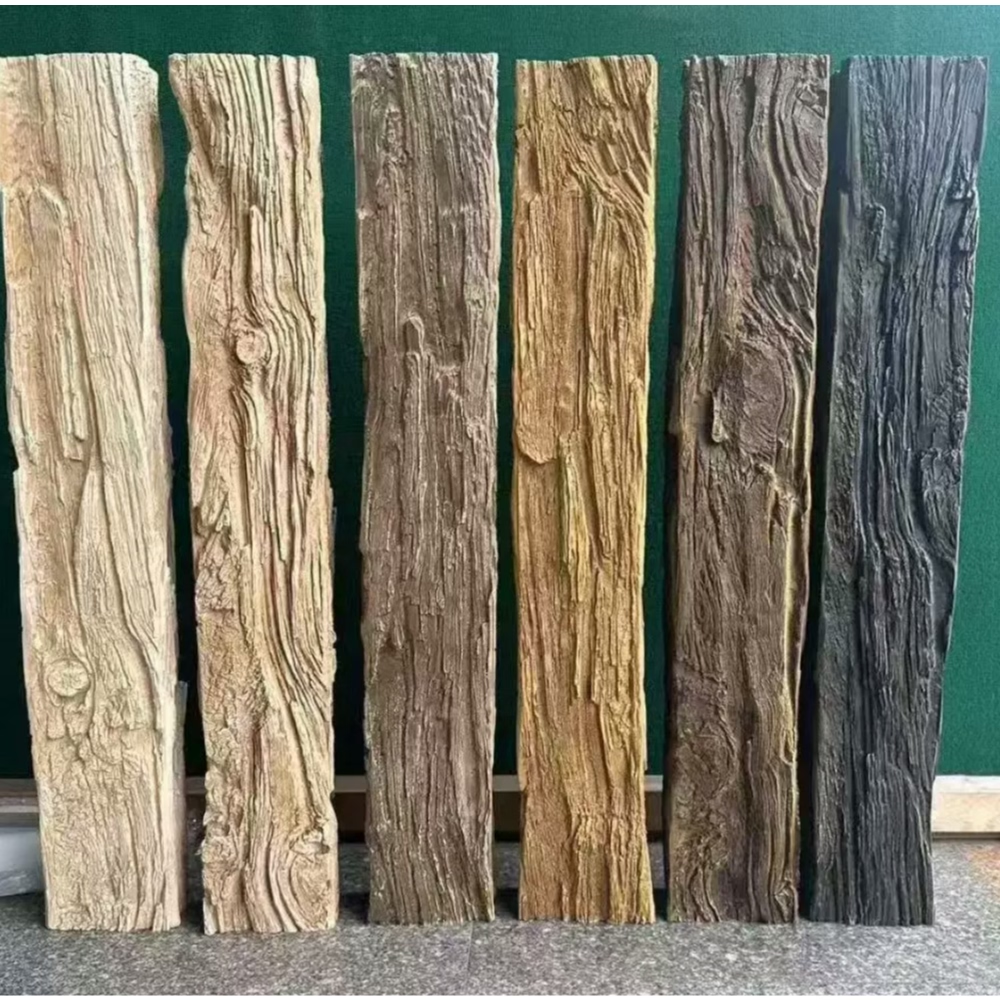
True grey wood develops through exposure to UV radiation, moisture, and biological agents that break down lignin and extractives in wood fiber. This process lightens wood dramatically while creating uneven coloration patterns that reflect differential exposure. Reproduction of these effects involves careful surface treatment that mimics natural weathering without requiring decades of actual exposure.
Coastal grey appearances often include subtle blue or green undertones that reference water and sky. These undertones appear in the grey base color, creating complex hues that shift slightly depending on lighting conditions and surrounding colors. The sophistication of these subtle variations distinguishes quality grey wood reproductions from simpler paint-and-seal approaches.
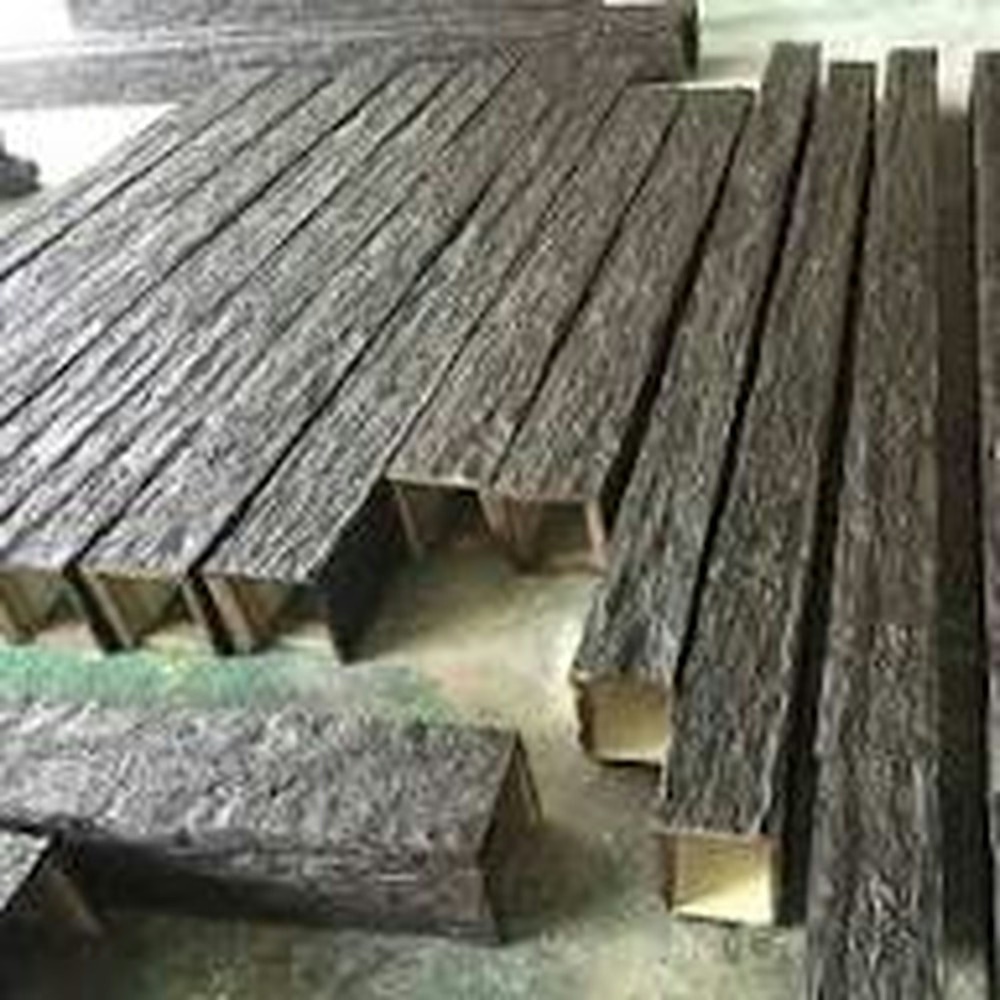
Surface texture contributes significantly to grey wood authenticity. Weathered wood typically shows surface checking, fiber raising, and slight roughening that collects dust and light differently than smooth surfaces. Polyurethane reproductions can capture these textural elements convincingly, adding depth that purely color-based grey treatments cannot achieve.
Coordination with Coastal Color Schemes
Coastal color palettes typically combine white or off-white backgrounds with blue accents and natural material tones. Grey wood beams fit into these schemes naturally, bridging the gap between cool blues and warm natural tones.
White walls present the most versatile background for grey beams. The combination creates clean, bright spaces with enough visual interest to prevent sterility. Grey beams against white read as subtle architectural additions rather than heavy structural elements, maintaining the openness that coastal interiors prioritize.
Blue accents in coastal palettes range from pale sky tones to saturated ocean depths. Grey wood beams coordinate with both extremes, though warmer greys suit deeper blues while cooler greys complement lighter blue selections. This coordination requires attention during specification but produces spaces where all colors feel related rather than arbitrary.
Natural material tones— sand-colored textiles, driftwood accessories, sea grass accents— harmonize beautifully with grey wood beams. The shared muted character creates visual coherence that makes spaces feel fully designed. Beams can echo tones found in other natural materials, tying ceiling treatment to the overall material palette.
Application in Beach House Rooms
Beach houses typically feature multiple rooms, each with specific functional requirements and aesthetic considerations. Grey wood beam installations should address these room-specific needs while maintaining overall coherence.
Living rooms benefit from grey beams that add warmth without dominating conversations or activities. The beams might run perpendicular to exposed rafters, cross perpendicular to each other in grid patterns, or align with existing architectural features. Each approach creates different visual effects while maintaining the cohesive grey wood appearance.

Bedroom applications require particular attention to scale and proportion. Grey beams should create cozy atmosphere without reducing the sense of spaciousness that restful sleeping environments need. Softer grey tones work better than pronounced grey in intimate spaces where heavy visual weight might feel oppressive.
Kitchens and dining areas present challenges related to moisture, grease, and frequent use. Polyurethane grey beams handle these conditions well, maintaining appearance despite the demands that food preparation places on interior materials. The grey tone masks minor staining or discoloration better than very light alternatives, providing practical durability alongside aesthetic appeal.
Lighting Considerations for Grey Beams
The appearance of grey beams changes throughout the day as natural light shifts in color temperature and intensity. Understanding these variations helps set appropriate expectations for how beams will look in actual use.
Morning light tends toward cooler blue tones, which can make grey beams appear slightly bluer than they might seem under neutral lighting. This effect reinforces coastal associations and generally suits beach house aesthetics. The shifting quality of morning light creates subtle changes that keep spaces interesting without appearing inconsistent.
Afternoon light warms considerably, potentially making grey beams appear slightly warmer. The effect should remain subtle— grey should not suddenly appear brown or beige. Quality grey finishes maintain their character under varying light conditions, shifting slightly without losing essential identity.
Evening lighting, whether from incandescent sources or LED alternatives, continues the warm trend. Grey beams may appear softer and slightly warmer as evening progresses. This evolution throughout the day contributes to the dynamic character that makes coastal interiors feel alive rather than static.
Maintenance and Longevity
Grey wood appearance maintenance differs somewhat from lighter wood tones. The muted color palette naturally masks minor soiling that might be obvious on white or blonde finishes, reducing cleaning frequency requirements.
Regular dusting maintains appearance between more thorough cleanings. The textured surfaces that contribute to weathered character can collect dust over time, dulling the subtle variations that create visual interest. Periodic cleaning with appropriate methods restores original appearance without damaging grey finishes.
Polyurethane's resistance to moisture, UV exposure, and temperature fluctuation ensures that grey beam installations maintain consistent appearance over years of service. Natural grey wood— whether genuinely weathered or artificially treated— might show fading, patina changes, or surface degradation over similar timeframes. The stability of polyurethane eliminates these concerns entirely.
For beach house owners seeking sophisticated, weathered aesthetics that honor coastal environments, grey wood look polyurethane faux beams provide the ideal solution. These beams deliver authentic aged character with practical durability that coastal conditions demand.
Technical References
ASTM standards cited in every specification
Test Data
Lab results from internal testing program
Updated 2026
Reviewed against current product specs


