
The desire to bring natural materials into interior spaces reflects deep human instincts about connection to the organic world. Wood in particular carries associations with warmth, authenticity, and tactile satisfaction that synthetic materials struggle to replicate. Yet the practical realities of coastal environments— humidity, salt air, temperature fluctuations— create conditions where natural wood struggles to maintain appearance. Realistic faux wood ceiling beams resolve this tension, delivering the wood aesthetics that coastal interiors require while avoiding the material limitations that genuine wood presents in demanding conditions.
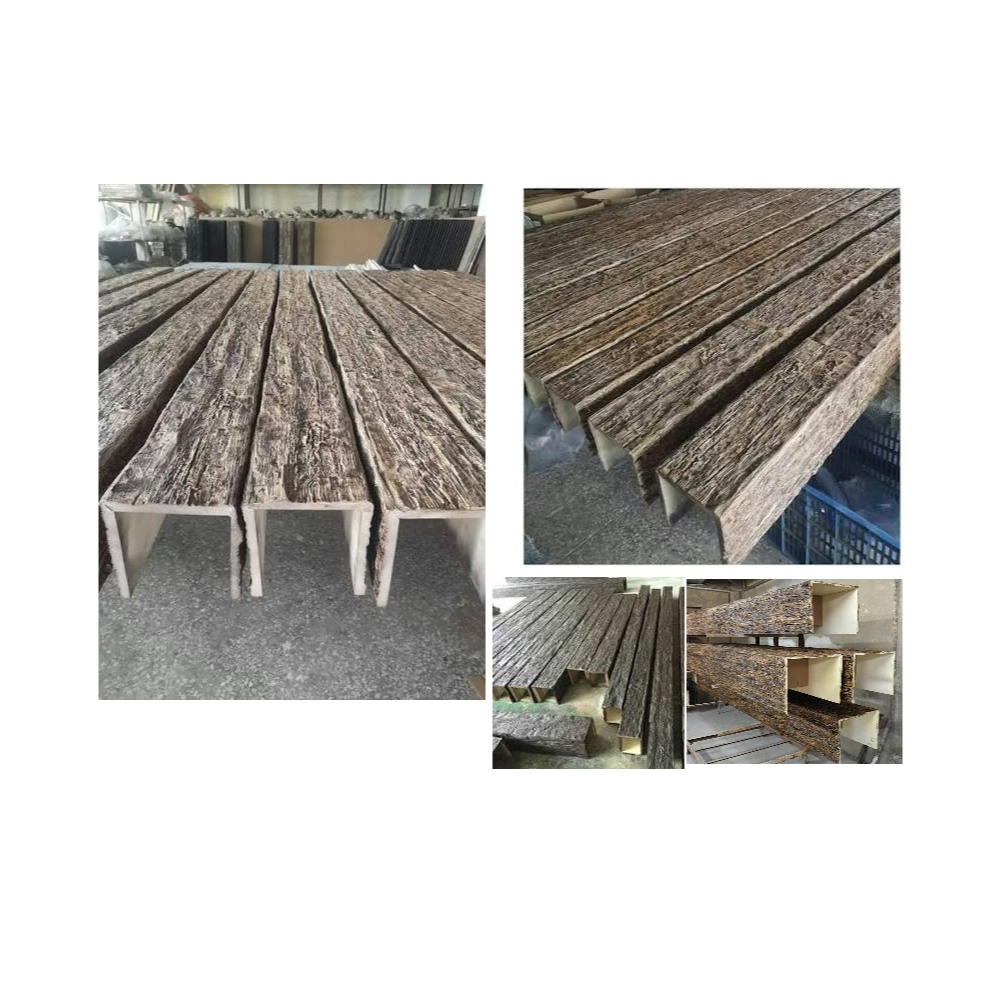
Modern polyurethane faux wood products have evolved dramatically from earlier generations that betrayed their artificial nature obviously. Today's quality reproductions achieve remarkable realism through advanced texturing, careful color matching, and attention to the subtle variations that make natural wood distinctive. From normal viewing distances, distinguishing faux from genuine has become genuinely difficult— a transformation that opens possibilities for coastal applications that earlier materials couldn't support.
The practical benefits extend beyond aesthetics. Polyurethane beams resist the moisture absorption that causes natural wood to swell, warp, or develop mold in humid environments. They maintain dimensional stability through temperature cycles that might cause natural wood to expand and contract visibly. They accept cleaning without specialized treatments and don't require the periodic refinishing that genuine wood often needs. For coastal homeowners, these advantages translate into spaces that look beautiful year after year without demanding constant attention.
Realism in Modern Faux Wood
The pursuit of realistic faux wood has driven significant manufacturing innovation. Early products focused primarily on color reproduction, producing beams that looked vaguely wooden from across rooms but revealed their artificial nature upon closer inspection. Contemporary approaches address multiple aspects of wood appearance simultaneously, creating reproductions that satisfy visual and tactile scrutiny.
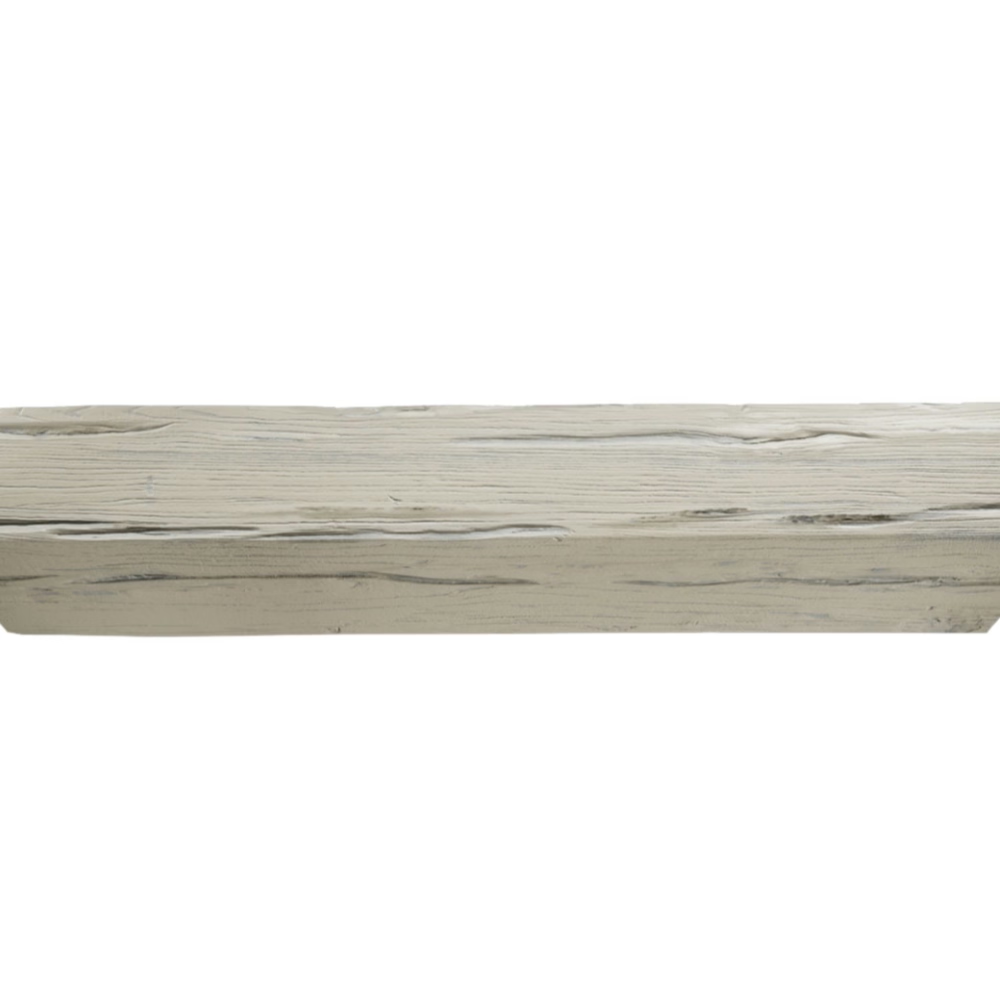
Surface texture contributes significantly to realism. Natural wood presents varied textures— smooth areas where hands have polished surfaces, rougher zones where grain rises, subtle checking from drying and aging. Quality faux wood captures these variations through embossing and surface treatment that creates genuine depth perception. Running a hand across the surface confirms the wood-like quality that visual inspection suggests.
Grain patterns receive careful attention in quality reproductions. Rather than simple printed patterns that repeat obviously, modern faux wood features randomized grain generation that avoids visible repetition. The patterns follow believable logic— tighter in hard maple, more pronounced in oak— appropriate to the wood species being imitated. This attention to species-specific characteristics enables accurate reproduction of specific wood types rather than generic "wood-like" appearances.
Color graduation across beam surfaces mimics natural wood's subtle variations. End grain differs from face grain, and surface color may vary slightly across wider beams. These variations occur naturally in wood and appear convincingly in quality faux reproductions. The effect creates perceived depth and authenticity that flat colors cannot achieve.
Design Philosophy for Coastal Beam Installation
Coastal interior design principles should guide beam selection and installation. The goal isn't maximum wood presence but rather appropriate warmth and character that enhances relaxed atmospheres without disrupting the light, airy qualities that coastal spaces prioritize.
The scale of beam installation should relate to ceiling height and room volume appropriately. Large, heavy beams that work well in mountain lodges or traditional farmhouses overwhelm coastal spaces where the goal is openness and connection to outdoor environments. Proportional restraint ensures that beams enhance rather than diminish perceived space.
Beam positioning should consider sight lines and window relationships. Beams that interrupt views to water or landscape compromise the outdoor connection that coastal design emphasizes. When beams must cross areas with significant views, positioning that minimizes obstruction preserves these important visual relationships.
Color selection should align with the muted, natural palettes that coastal design employs. Grey-toned woods, weathered finishes, and light natural tones work better than rich, saturated wood colors that might feel out of place in relaxed coastal contexts. The beams should feel like they belong naturally rather than having been added as afterthought decoration.
Room-by-Room Application Strategy
Effective coastal beam installation considers each room's specific requirements and opportunities. Different spaces present different challenges and possibilities that thoughtful specification addresses.
Living areas often serve as focal points for beam installation. These spaces typically feature seating arrangements, entertainment systems, and social gathering functions that benefit from the warmth and architectural interest beams provide. Beam positioning should support furniture arrangement rather than complicating it— running beams perpendicular to seating often works better than parallel arrangements that might appear to frame furniture awkwardly.

Dining rooms accommodate beams that define the dining zone within open floor plans. A beam running across the dining area creates visual separation from adjacent living or kitchen spaces without resorting to walls or dividers. The warmth that beams provide softens the typically hard surfaces— table, chairs, flooring— that dining spaces emphasize.
Bedrooms require careful attention to scale given the intimate nature of these spaces. Beams across bedroom ceilings should create cozy atmosphere without appearing to press down on beds or other furniture. Lighter wood tones and moderate proportions work better than heavy, dark beams that might create oppressive feelings in rooms designed for rest.
Kitchens and bathrooms present practical challenges that faux wood addresses effectively. The moisture resistance of polyurethane eliminates concerns about humidity damage, and the easy cleaning supports the hygiene requirements that food preparation and personal care demand. Beams in these spaces require the same aesthetic attention as other rooms while benefiting from the practical advantages that faux materials provide.
Integration with Coastal Furnishings
Furniture and accessories in coastal interiors should complement rather than compete with ceiling beams. The relationship between these elements determines whether spaces feel fully considered or assembled from unrelated components.
Upholstery fabrics in coastal spaces typically include natural fibers— linen, cotton, hemp— with textures that coordinate with wood aesthetics. The muted colors these fabrics employ blend naturally with grey-toned or weathered wood beams. This coordination creates visual harmony that makes spaces feel intentional rather than arbitrary.
Wood furniture pieces should relate to ceiling beams in tone and character. A dining table in matching wood tone creates continuity between furniture and ceiling treatment. Alternatively, contrasting wood tones— perhaps lighter furniture against slightly darker beams— create visual interest through deliberate difference. Either approach can succeed; the key is making the choice intentionally rather than accidentally.
Accessories including textiles, ceramics, and natural elements should reference beam colors subtly. A throw pillow in grey-beige tones echoes beam colors without matching exactly. Sea grass baskets and driftwood accessories share the muted, natural character that wood beams establish. These small coordinations accumulate into cohesive environments.
Environmental Considerations for Coastal Applications
Coastal environments present specific challenges that affect material selection and installation practices. Understanding these factors helps ensure lasting performance from faux wood beam installations.
Salt air penetrates coastal interiors through open windows, doorways, and ventilation systems. While salt doesn't affect polyurethane directly, accumulated salt deposits might create minor surface issues if allowed to remain undisturbed. Occasional cleaning removes these deposits and maintains appearance.
Humidity fluctuations occur as coastal weather changes, with moisture levels rising during foggy periods and dropping during dry spells. Natural wood responds to these changes through expansion and contraction that may become visible over time. Polyurethane's dimensional stability eliminates these concerns entirely, maintaining consistent appearance regardless of humidity conditions.
UV exposure through windows can degrade some materials over time, causing fading, chalking, or surface degradation. Quality polyurethane faux beams include UV inhibitors that resist this degradation, maintaining appearance despite years of sun exposure. This UV resistance proves particularly valuable in coastal spaces with abundant glazing.
Achieving Lasting Coastal Style
The durability of realistic faux wood beams enables coastal interiors to maintain their intended character over time. Unlike natural wood that might require refinishing or replacement after years of demanding coastal conditions, quality faux alternatives continue looking beautiful without special attention.
The initial investment in quality materials and professional installation pays dividends through reduced maintenance requirements and extended service life. Coastal homeowners who choose faux wood beams avoid the periodic maintenance expenses that natural wood demands while enjoying comparable or superior aesthetics.
For those seeking authentic coastal style with practical durability, realistic faux wood ceiling beams represent the ideal solution. These products deliver the warmth, character, and natural connection that coastal interiors require while eliminating the material limitations that genuine wood presents in demanding coastal environments.
Technical References
ASTM standards cited in every specification
Test Data
Lab results from internal testing program
Updated 2026
Reviewed against current product specs


