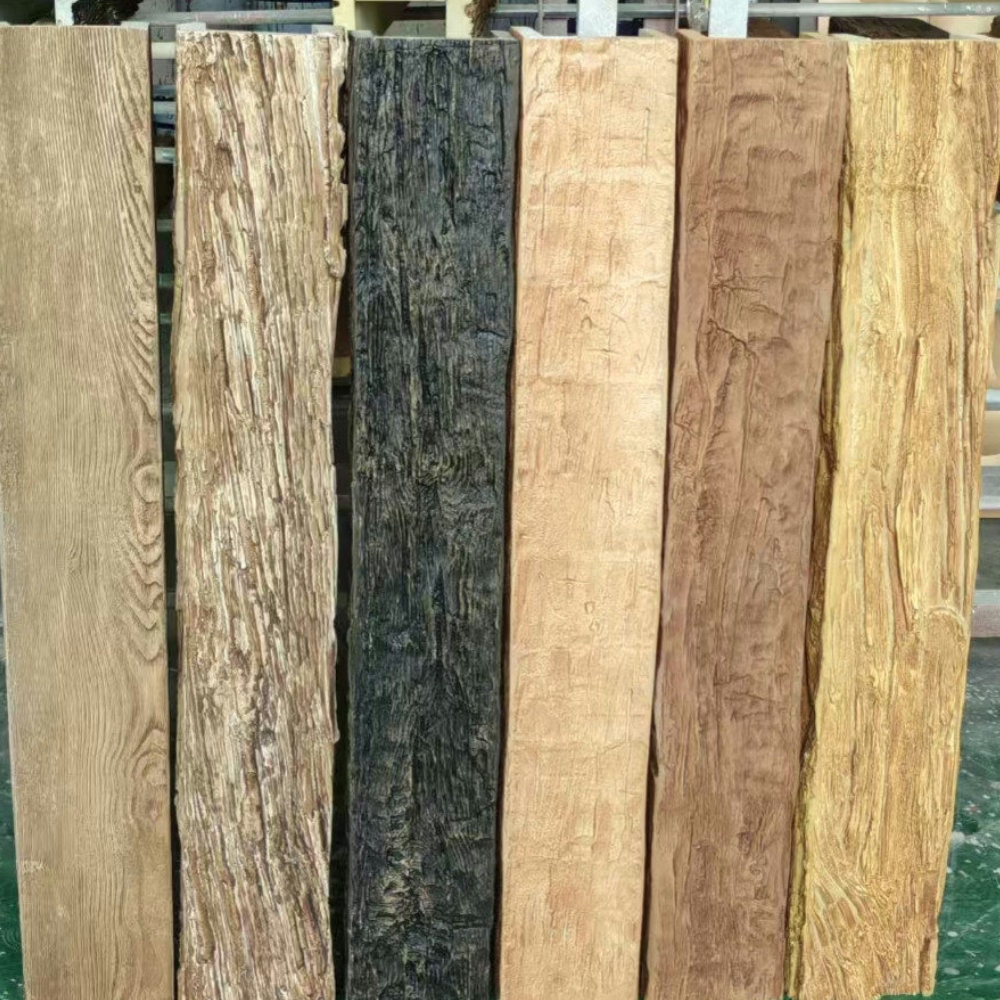
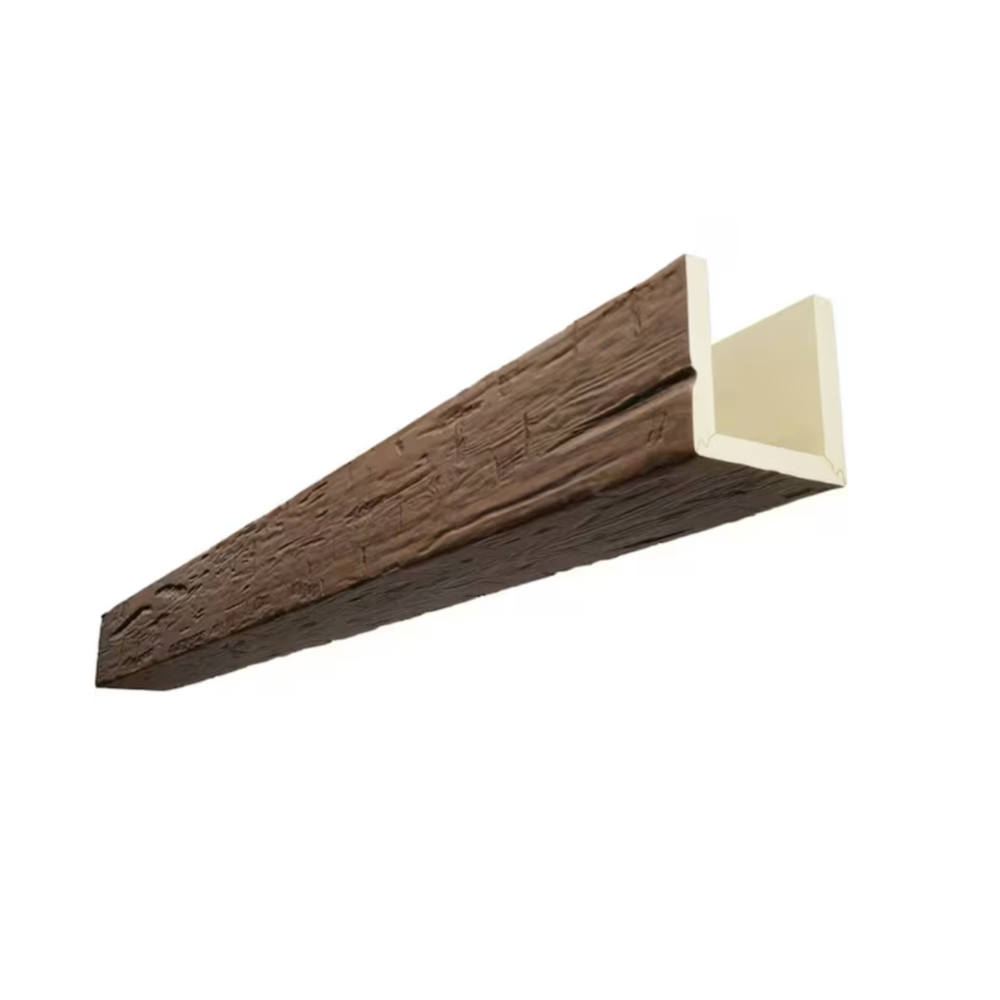
The kitchen has transformed over recent decades from purely functional workspace into social hub where families gather, entertain, and spend significant time together. This evolution has elevated design expectations, with homeowners seeking environments that perform brilliantly while looking beautiful. Ceiling design participates in this elevation, with curved beams offering a way to introduce warmth and visual interest without compromising the clean lines that modern kitchens prioritize. Polyurethane construction enables curved beam designs that would be prohibitively difficult with natural wood, opening possibilities for ceiling architecture that genuinely enhances kitchen experiences.
Curved beams in kitchen applications serve multiple purposes simultaneously. They break up ceiling planes that might otherwise feel flat and uninteresting. They introduce organic visual forms that balance the geometric precision of contemporary cabinetry and appliances. They add warmth that softens the hard surfaces— stone countertops, tile floors, stainless steel appliances— that define most modern kitchens. Each of these contributions addresses specific design needs while supporting the overall objective of creating kitchens that people genuinely enjoy inhabiting.
The "soft" descriptor refers to the gentle nature of the curves appropriate for kitchen applications. Rather than dramatic swoops or sharp architectural angles, soft curves create gradual transitions that feel approachable rather than imposing. These gentle forms complement contemporary design sensibilities while providing the warmth that makes spaces feel lived-in rather than showroom-perfect.
Kitchen-Specific Design Considerations
Kitchens present unique challenges for ceiling beam installation that thoughtful design must address. The functional nature of kitchen activities creates conditions that influence appropriate beam specification.
Moisture levels in kitchens fluctuate significantly with cooking, cleaning, and ventilation usage. Natural wood absorbs this moisture, potentially causing dimensional changes, finish degradation, or in extreme cases, mold development. Polyurethane beams resist moisture absorption entirely, maintaining consistent dimensions and appearance regardless of kitchen humidity conditions.
Grease and cooking residue affect kitchen surfaces throughout cooking activities. While beams mounted well above cooking surfaces collect less residue than counters or cabinets, some accumulation occurs over time. Polyurethane's smooth surface accepts cleaning without the special treatments that textured natural wood might require. Simple dusting or occasional wiping maintains appearance effectively.
Clean aesthetic expectations in modern kitchens demand that beams complement rather than distract from other design elements. The clean lines, handle-free cabinetry, and integrated appliances that define contemporary kitchens require beam selections that match this refined aesthetic. Soft curves and smooth surfaces achieve this compatibility more effectively than rustic textures or pronounced grain patterns.
Curve Types and Their Effects
Various curve configurations produce different spatial effects and suit different kitchen layouts. Understanding these options helps designers select approaches appropriate for specific projects.
Single gentle curves across kitchen ceilings create subtle visual interest without dramatic intervention. These sweeps might follow roof pitches, frame specific zones, or simply add flowing lines that soften what might otherwise be flat ceiling planes. The effect is understated but meaningful, transforming unremarkable ceilings into spaces with genuine architectural character.
Parallel curves across kitchen ceilings create rhythmic repetition that adds sophistication without complexity. The repeated curves establish pattern and movement while remaining visually quiet enough for functional spaces. This approach works particularly well in galley kitchens or linear spaces where repetition reinforces the spatial direction.
Radiating curves that emanate from a central point create focal interest that draws attention upward. These configurations suit kitchens with central islands or prominent hood installations, where beams can frame these focal points while adding warmth to surrounding ceiling areas. The effect can be quite dramatic while maintaining the soft, approachable character that residential kitchens require.
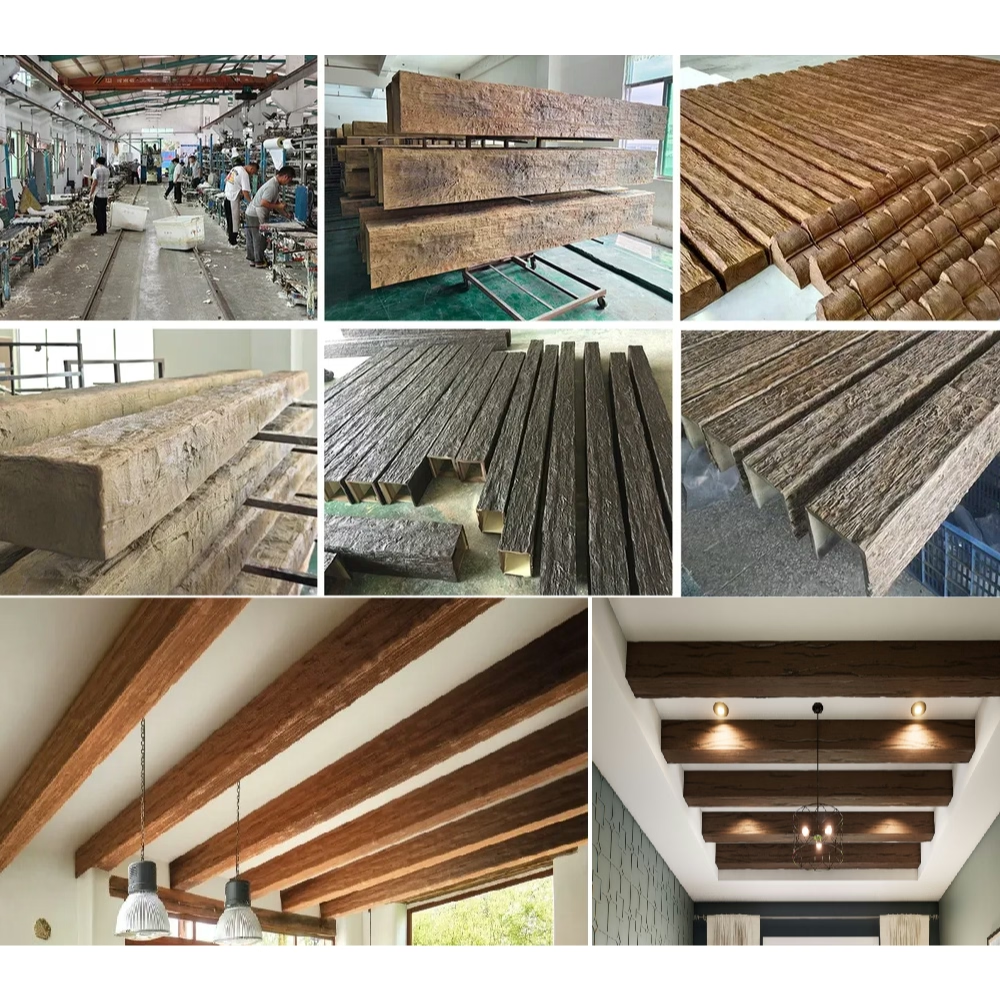
Integration with Kitchen Architecture
Existing ceiling architecture significantly influences appropriate beam specifications. The best results emerge when beam selection responds to rather than fights against underlying structural conditions.
Vaulted ceilings present natural opportunities for curved beams that follow roof pitches. Rather than accepting whatever angle the structure provides, curved beams can soften transitions while adding visual interest. The beams become integral parts of the vault rather than competing additions that feel arbitrary.
Flat ceilings in standard-height kitchens may seem less suited to curved beams, but appropriate specifications can succeed. Lower-profile curves that arc gently across flat planes add movement without requiring dramatic intervention. Alternatively, beams might curve around perimeter areas while leaving central ceiling space unaffected.
Transitional zones between vaulted and flat ceiling sections provide natural locations for curved beam installations that bridge these architectural discontinuities. The curved form accommodates the level change gracefully while providing the visual interest that prevents transitional areas from appearing awkward.
Material and Finish Selection
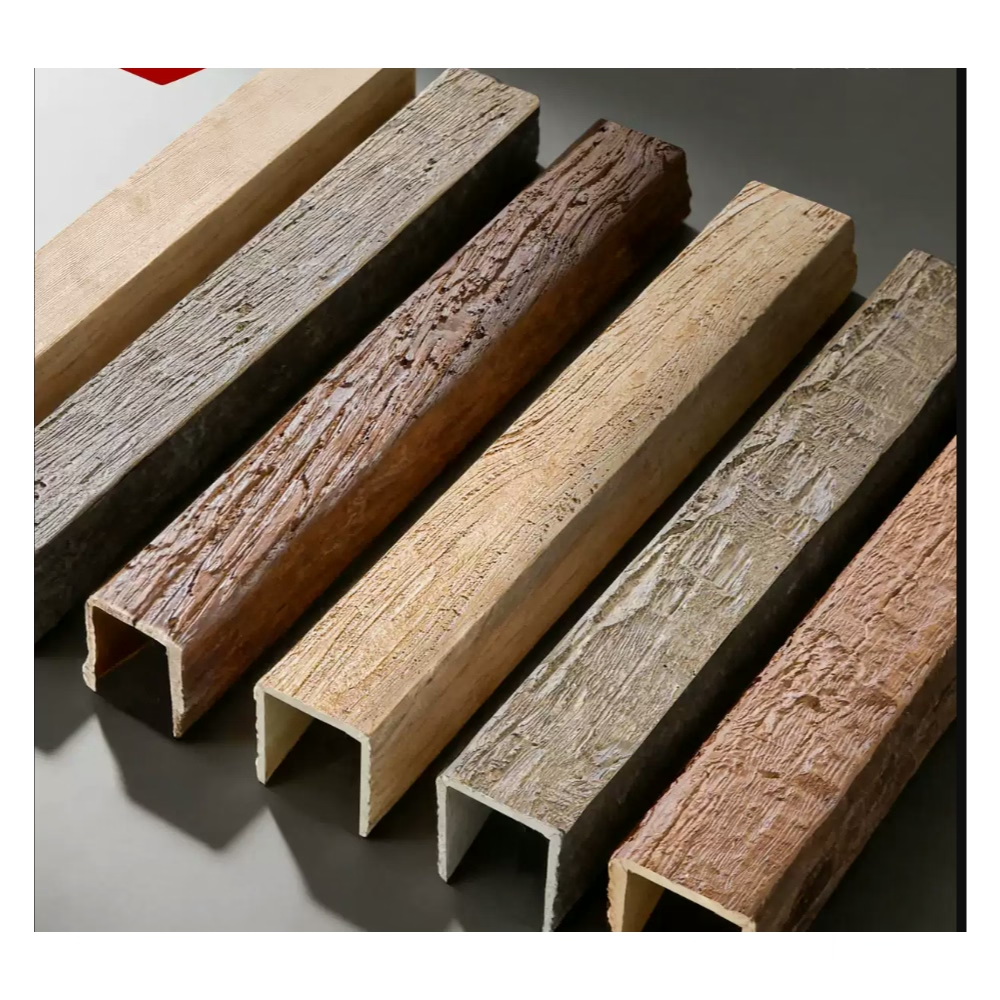
Polyurethane curved beams arrive in various finishes that suit different kitchen aesthetics. Selection should consider cabinetry materials, countertop colors, and overall design direction.
Natural wood tones bring warmth that many modern kitchens benefit from. Lighter woods like maple or oak prevent heavy visual weight, while medium tones add substance without darkness. The specific selection should coordinate with other wood elements in the kitchen— cabinetry, flooring, furniture— while maintaining the clean aesthetic that modern design prioritizes.
White or painted finishes present options for kitchens where maximum brightness or specific color coordination is desired. These finishes maintain the curved beam form while minimizing visual weight. The effect suits minimalist kitchens where beams provide subtle architectural presence without competing with other design elements.
Grey-toned finishes bridge between natural wood and painted options, providing warmth while maintaining the neutrality that many contemporary kitchens employ. These versatile options coordinate with grey cabinetry, concrete countertops, and various accent colors without introducing strong color commitments.
Lighting Integration
Kitchen ceiling beams interact with lighting systems in ways that thoughtful design should address. The relationship between beams and light fixtures affects both functional illumination and ambient atmosphere.
Recessed lighting placement relative to beams requires coordination that prevents awkward shadows or inadequate illumination. The goal is sufficient light throughout the kitchen while maintaining the clean beam appearance that specification intended. This balance may require adjusting beam spacing or fixture placement from initial plans.
Pendant fixtures hung from beams add functional task lighting while reinforcing the beams as design elements. The fixtures should relate to beams proportionally and stylistically— oversized pendants may overwhelm beams while undersized fixtures might disappear. The relationship between fixture and beam should feel intentional rather than arbitrary.
Ambient lighting effects that highlight beam curves add drama and atmosphere during evening hours. Cove lighting, hidden LED strips, or directional fixtures can wash beam surfaces with light that emphasizes their forms. These effects create kitchen ambiance that extends usefulness well beyond cooking hours.
Professional Installation for Kitchens
Kitchen beam installation benefits from professional attention given the precision that modern kitchen aesthetics demand. The clean lines and refined details characteristic of contemporary kitchens leave little room for the installation imperfections that might go unnoticed in more casual settings.
Professional installers understand the specific challenges that curved beam installation presents, including accurate template creation, proper support positioning, and careful finishing at connection points. Their experience translates into installations where beams appear to float gracefully rather than hang awkwardly.
The investment in professional installation protects the overall design investment by ensuring that execution matches specification intent. A beautifully designed curved beam installation compromised by poor installation ultimately disappoints; the same design properly executed provides lasting satisfaction.
Long-Term Kitchen Performance
Polyurethane curved beams maintain appearance through years of kitchen use without the maintenance requirements that natural wood alternatives might demand. This durability proves particularly valuable in kitchen environments where cooking activities create ongoing challenges for interior materials.
The material's resistance to moisture, grease, and temperature fluctuation ensures stable performance regardless of kitchen conditions. Homeowners can focus on cooking and gathering rather than maintaining ceiling materials.
For modern kitchens seeking warmth without compromising contemporary aesthetics, soft curved polyurethane beams provide ideal solutions. These architectural features transform functional spaces into environments that genuinely invite gathering and creation.
Technical References
ASTM standards cited in every specification
Test Data
Lab results from internal testing program
Updated 2026
Reviewed against current product specs