
Vintage style in interior design represents more than aesthetic preference—it reflects an attitude toward authenticity, history, and the patina that time creates. Spaces decorated in vintage styles seek the character that emerges naturally over decades of habitation: worn edges where hands have touched surfaces, softened colors where light has fallen unevenly, and the subtle imperfections that distinguish handmade objects from mass production. Ceiling beams in vintage-styled interiors should contribute this same sense of accumulated character, adding warmth and authenticity through deliberate aging rather than pristine newness.
The term "distressed" in beam terminology refers to surface treatments that accelerate and simulate the aging process. Rather than waiting decades for natural wear patterns to emerge, distressing creates similar effects through controlled manufacturing processes. The goal isn't to make beams appear damaged or neglected but to give them the comfortable, settled quality that genuine antiques possess. This distinction matters— truly distressed beams should feel inviting, not neglected.
Soft distressing occupies a middle ground between pristine modern surfaces and heavily deteriorated appearances. The treatment suggests age and use without claiming extreme history. This restrained approach suits contemporary homes that seek vintage warmth without committing to full antique restoration aesthetics. The beams look as though they've belonged to the house for some time without appearing to have survived some traumatic event.
Understanding Soft Distressing Techniques
Manufacturing soft distressing involves multiple techniques that create the impression of age without actual deterioration. Each technique addresses specific visual characteristics that distinguish aged wood from new materials.
Edge softening rounds sharp corners and arrises that new manufacturing produces. Natural wood develops this softening through years of contact— hands brushing past, objects bumping gently, dust and debris settling in corners. Soft distressing replicates this effect by removing the pristine sharpness that marks factory-fresh materials. The treatment should be subtle enough to preserve overall beam geometry while eliminating the artificially perfect edges that new construction displays.
Surface checking creates the fine cracks that appear in aged wood as it dries and seasons. These checks follow grain patterns and typically appear most prominently across end grain where drying occurs most rapidly. Quality distressing reproduces these patterns convincingly, adding visual texture without compromising surface integrity.
Color variation across beam surfaces mimics the uneven patination that develops as wood ages. Different areas receive different light exposure, handling, and environmental conditions that create subtle tonal differences. Distressing treatments target corners, recesses, and high-touch areas for slightly darker application, replicating these natural variations.
Design Applications in Vintage Spaces
Vintage-styled interiors encompass various sub-categories ranging from farmhouse rustic to mid-century modern. Soft distressed beams should complement rather than dictate specific vintage interpretations, providing character that supports various decorating approaches.
Farmhouse vintage spaces benefit from beams with pronounced but not extreme distressing. These homes typically feature comfortable furniture, natural textiles, and collected accessories rather than coordinated decorator selections. Beams should feel as though they've witnessed generations of family activity— present but not prominently featured.
Cottage vintage interiors often include lighter color palettes and more delicate furnishings than farmhouse styles. Beams in these spaces should provide warmth without overwhelming delicate color schemes. Soft maple or blonde wood distressing often works better than heavy dark wood alternatives that might create excessive visual weight.

Transitional vintage styling— where vintage elements mix with contemporary furniture— requires beams that bridge between old and new aesthetics. The distressing should suggest age without committing to specific historical periods, allowing beams to complement both vintage and modern elements equally.
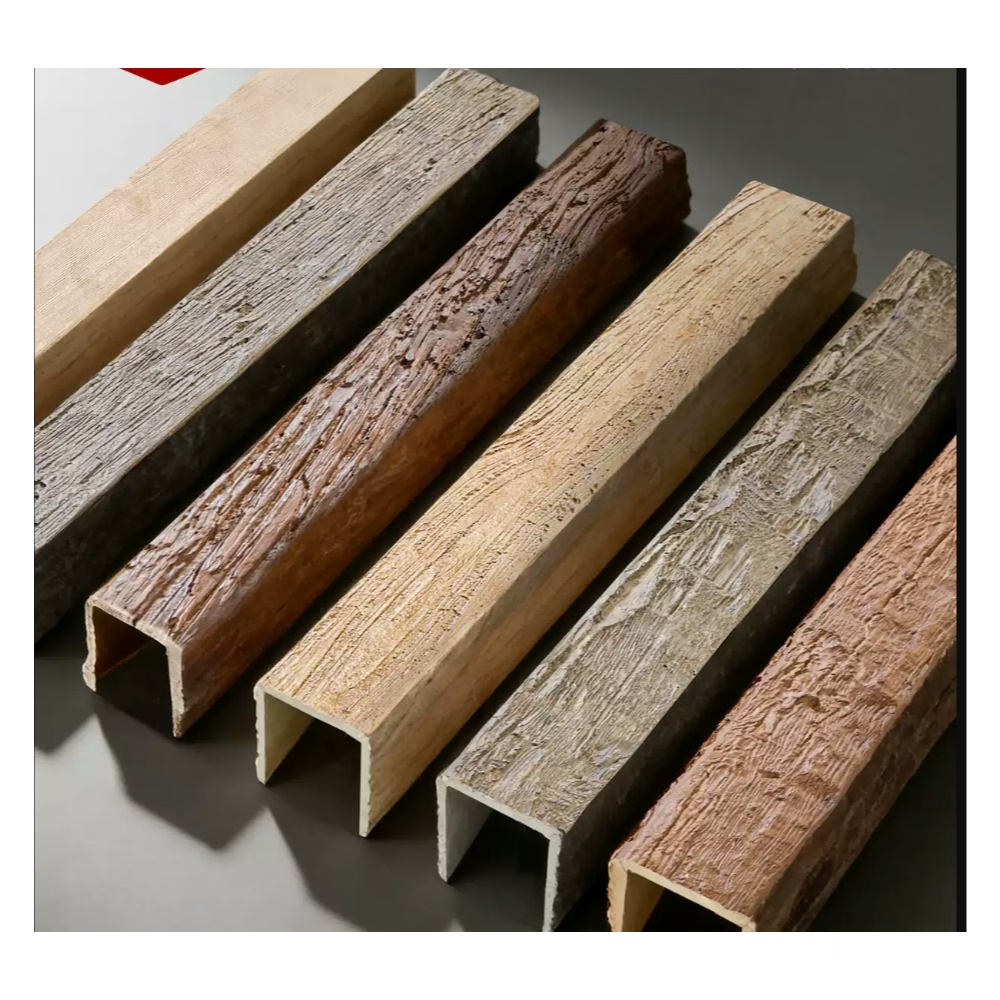
Color Selection for Distressed Beams
The base color of distressed beams significantly affects their contribution to vintage interiors. Different wood tones create different vintage impressions even with identical distressing treatments.
Medium oak tones provide versatile vintage character that coordinates with various color palettes. The warm honey color adds obvious wood presence while remaining light enough for rooms with white or pastel walls. Distressing reveals slightly darker tones beneath the surface, adding depth without dramatic color shifts.
Walnut-toned distressing creates more substantial vintage presence, suitable for rooms with darker walls or heavier furniture selections. The rich color suggests longer history than lighter alternatives, though the effect should remain soft rather than dramatic. This approach works particularly well in studies, libraries, and dining rooms where substantial presence benefits the overall atmosphere.
White or cream distressing produces a different vintage effect— the weathered paint appearance that suggests furniture and trim painted repeatedly over decades. This approach suits spaces with predominantly white or very light color schemes where natural wood tones might feel too warm. The effect should suggest old painted wood rather than chalk-finished contemporary pieces.
Coordination with Vintage Furnishings
The relationship between distressed beams and vintage furnishings should feel natural rather than forced. Beams that compete with furniture for visual attention undermine both elements; beams that complement furniture allow each to contribute fully.
Upholstered vintage furniture often features faded fabrics in muted colors. These fabrics typically contain warm undertones— faded rose, dusty blue, aged green— that coordinate naturally with distressed wood beams. The shared sense of accumulated age creates visual harmony that makes spaces feel genuinely inhabited rather than newly decorated.
Collected accessories including pottery, books, textiles, and antiques should relate to beam colors through shared muted tones. The goal is family resemblance between all elements, suggesting that items have accumulated together over time rather than being assembled from various sources without consideration.
Modern elements in transitional vintage spaces require particular attention. Newer furniture pieces should either reference vintage aesthetics through form and color or recede visually behind more characterful vintage elements. Beams can serve as character anchors that make modern elements feel more appropriate in vintage contexts.
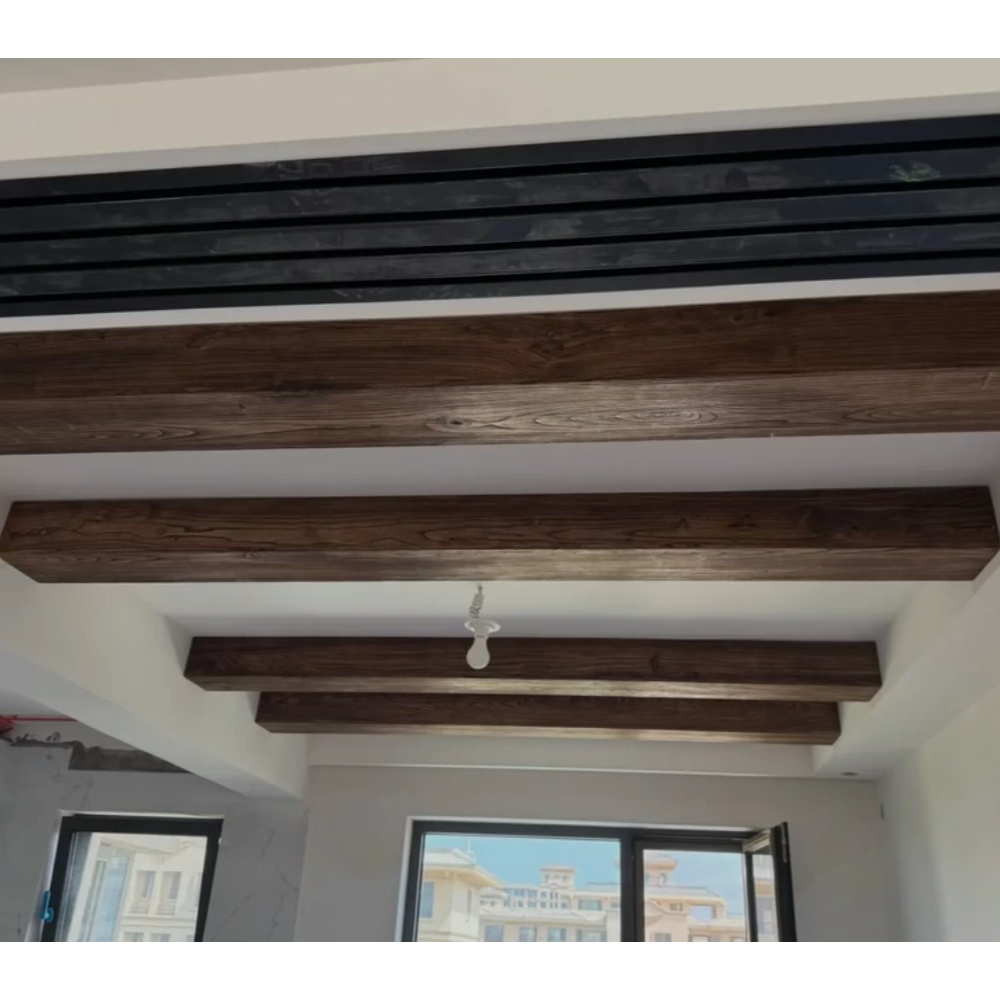
Installation Considerations for Distressed Beams
Installing distressed beams requires attention to appearance at connection points and terminations. These locations often receive the most noticeable distressing, and proper positioning ensures that aging effects appear where they would naturally occur.
End grain typically shows the most pronounced distressing effects since end grain ages most rapidly in natural wood. Positioning beam ends where they can display this characteristic authentically reinforces the vintage narrative. Exposed ends at room corners or window returns benefit from this natural placement.
Joint locations between beam sections should align distressing patterns consistently. Abrupt changes in distress intensity at joints reveal artificial construction; smooth transitions between pieces maintain the impression of single, continuous aged elements.
Mounting hardware should remain invisible regardless of beam treatment. Visible fasteners interrupt the vintage narrative that beams are meant to establish. Quality installation conceals all mounting elements while maintaining secure, lasting attachment.
Maintenance of Distressed Finishes
The durability of polyurethane distressed finishes ensures that vintage character remains consistent over years of service. Unlike natural wood that might continue aging in unpredictable ways, polyurethane maintains the carefully designed distressing permanently.
Cleaning requirements for distressed beams differ somewhat from smooth surfaces due to texture that may collect dust. Regular dusting with appropriate tools maintains appearance; the relief created by distressing may hold dust that smooth surfaces release immediately. Periodic thorough cleaning restores original appearance without damaging distressed surfaces.
The UV resistance of quality distressed finishes prevents the uneven fading that might compromise carefully designed color variation. Natural wood distressing often includes areas of different color intensity; if these areas faded unevenly, the intended effect would be lost. Polyurethane's color stability maintains designed appearances indefinitely.
For homeowners seeking vintage warmth and character without the expense, fragility, or maintenance demands of genuine antique materials, soft distressed foam PU faux beams provide ideal solutions. These products deliver authentic aging effects that transform spaces while offering practical durability that modern lifestyles require.
Technical References
ASTM standards cited in every specification
Test Data
Lab results from internal testing program
Updated 2026
Reviewed against current product specs


