
Minimalism in residential design has evolved from avant-garde movement to mainstream preference, with good reason. The principles that minimalism espouses— intentional selection, functional clarity, visual calm— address real needs that cluttered, over-decorated spaces can leave unmet. Yet pure minimalism sometimes sacrifices warmth in pursuit of visual purity, creating spaces that feel more like museum galleries than comfortable homes. The solution lies not in abandoning minimalism but in enriching it with carefully selected elements that add life without introducing clutter. Soft grey wood tone beams accomplish exactly this, providing the organic warmth that wood naturally offers within a visual language that minimalist sensibilities can accept.
Grey wood tones occupy a unique position in the minimalism palette. They carry enough color to contribute warmth while remaining neutral enough not to disrupt the overall color restraint that minimalism requires. Unlike rich wood tones that demand attention through saturation and depth, grey wood presents quietly, adding presence without claiming prominence. This restraint makes grey wood particularly suitable for minimalist applications where every element must justify its presence through contribution rather than decoration.
The "soft" descriptor refers to both the tonal quality and the overall effect. Soft grey wood tones avoid the harshness that overly cool greys might introduce. They suggest warmth through wood presence while maintaining the lightness that minimalist spaces typically prioritize. The effect feels natural rather than artificial, organic rather than manufactured.
Minimalist Design Principles Applied to Beams
Successful minimalist beam specification requires understanding what minimalism demands and how wood beams can contribute within those constraints. The goal isn't maximum wood presence but appropriate presence— enough to add warmth without violating minimalist principles.
Scale restraint represents the most important consideration for minimalist beams. Heavy, oversized beams that work well in rustic or traditional settings overwhelm minimalist spaces where visual lightness takes priority. Proportional modulation— beams sized appropriately for ceiling height and room volume— ensures that beams enhance rather than dominate.
Surface treatment should lean toward restraint rather than texture. Deeply distressed beams, pronounced grain patterns, and prominent texture work against minimalist sensibilities. Smooth or subtly textured surfaces contribute warmth without introducing visual complexity. The wood presence should come through color and general character rather than surface drama.
Positioning and quantity should follow the minimalist principle of reduction. A single well-placed beam often achieves more than multiple beams competing for attention. The beam should earn its place through meaningful contribution rather than filling space. This discipline produces more elegant results than generous beam installation that violates minimalist restraint.
The Grey Wood Tone Palette
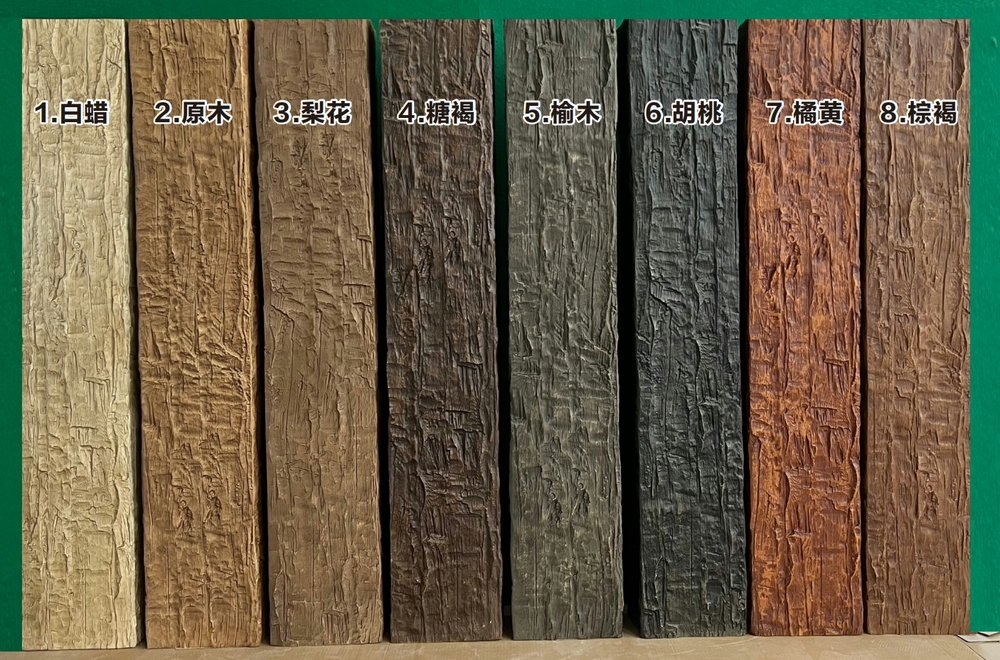
Grey wood tones encompass significant variation ranging from almost-neutral to noticeably grey. Understanding this spectrum helps specify appropriately for specific minimalist contexts.
Light grey wood tones approach near-neutrality while maintaining enough wood character to provide warmth. These specifications work well in very light minimalist spaces where white or cream walls and floors leave little visual warmth. The beam provides the warmth anchor that prevents spaces from feeling clinical while remaining subtle enough not to disrupt the overall lightness.
Medium grey wood tones add more visible presence while remaining restrained relative to natural wood saturation. These specifications suit minimalist spaces with grey wall colors or flooring, where the beams coordinate with rather than contrast against surrounding materials. The warmth remains present but subtle.
Warm grey wood tones incorporate brown or beige undertones that prevent cold feeling. These specifications work particularly well in minimalist spaces with warm artificial lighting or significant wood flooring. The warmth registers subliminally, preventing the cool feeling that some grey tones might create.
Application in Minimalist Living Spaces
Living rooms in minimalist homes typically feature clean-lined furniture, restrained color palettes, and careful editing of decorative elements. Beams in these spaces should feel like natural architectural additions rather than decorative afterthoughts.
Single beam installations often achieve better minimalist results than multiple parallel beams. A beam running perpendicular to ceiling structure— across the room's shorter dimension— creates visual structure without cluttering the ceiling plane. The single beam becomes a design statement through placement and proportion rather than through repetition.
Positioning should consider furniture arrangement and sight lines. Beams that interrupt conversation areas or appear directly above seating might distract from activities below. Beams positioned to frame functional zones without interfering with them contribute more effectively to overall space quality.
The relationship between beams and other horizontal elements— shelving, cabinetry, countertops— should be considered. If these elements share grey wood tones, the beam can create continuity; if they differ significantly, contrast may create visual interest. Either approach succeeds when selected intentionally.
Minimalist Bedroom Styling
Bedrooms in minimalist homes should feel calm and uncluttered, supporting rest without visual stimulation. Beams contribute warmth that prevents sterile feeling while maintaining the visual restraint that restful spaces require.
Lower ceiling heights in bedrooms demand particular care with beam specification. The beam should add warmth without appearing to reduce overhead space. Shallower beam profiles work better than deep beams that might create pressing-down sensation in intimate spaces.
Bedding and textile selection should consider beam grey tones. Neutral palettes with subtle texture work better than bold patterns that might compete with beam presence. The goal is creating cohesive environments where beams feel integrated rather than added.
Window treatments in minimalist bedrooms typically emphasize simplicity— sheer panels, simple shades, or no window covering at all. Beams should coordinate with whatever window treatment approach the space employs without introducing visual complexity that violates minimalist principles.
Coordination with Minimalist Materials
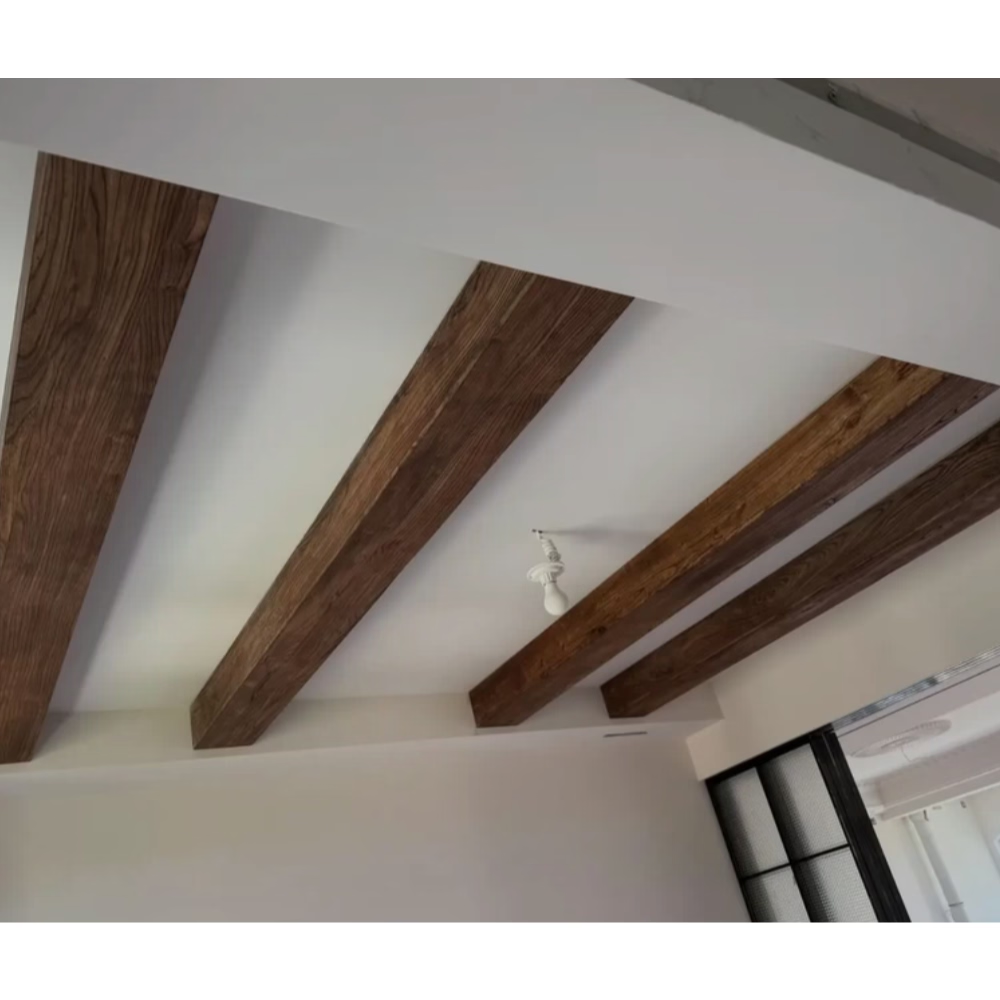
Minimalist interiors typically feature specific material palettes— concrete, glass, steel, stone— alongside the wood that beams introduce. The relationship between wood and these materials determines whether spaces feel cohesive or arbitrary.
Concrete ceilings or walls coordinate naturally with grey wood beams, sharing the grey tonal range while contrasting through texture and warmth. The wood adds organic character that concrete lacks, creating balance between industrial and natural elements.
Steel and glass elements in minimalist interiors share grey wood's restrained character. These materials don't compete for attention; instead, they create environments where wood can contribute warmth without competition. The effect feels considered rather than accidental.
Stone surfaces— particularly grey-toned stone— create similar harmony with grey wood beams. The shared natural origin and grey tonality establish visual relationship that makes spaces feel fully designed rather than assembled from unrelated components.
Long-Term Minimalist Appeal
The enduring appeal of minimalist design lies partly in its adaptability. Spaces that feel intentionally spare remain relevant as trends shift, avoiding the dated feeling that highly styled spaces often develop. Grey wood beams support this adaptability by remaining visually quiet enough to accommodate changing accent colors and decorative approaches.
The durability of polyurethane grey wood beams ensures that minimalist spaces maintain their intended character over time. Unlike natural wood that might show aging effects, polyurethane maintains consistent appearance indefinitely. This stability supports the long-term investment that minimalist spaces often represent.
For homeowners seeking minimalist interiors with genuine warmth, soft grey wood tone polyurethane faux beams provide ideal solutions. These beams honor minimalist principles while addressing the fundamental human need for organic warmth and natural connection that purely synthetic environments cannot satisfy.
Technical References
ASTM standards cited in every specification
Test Data
Lab results from internal testing program
Updated 2026
Reviewed against current product specs


