
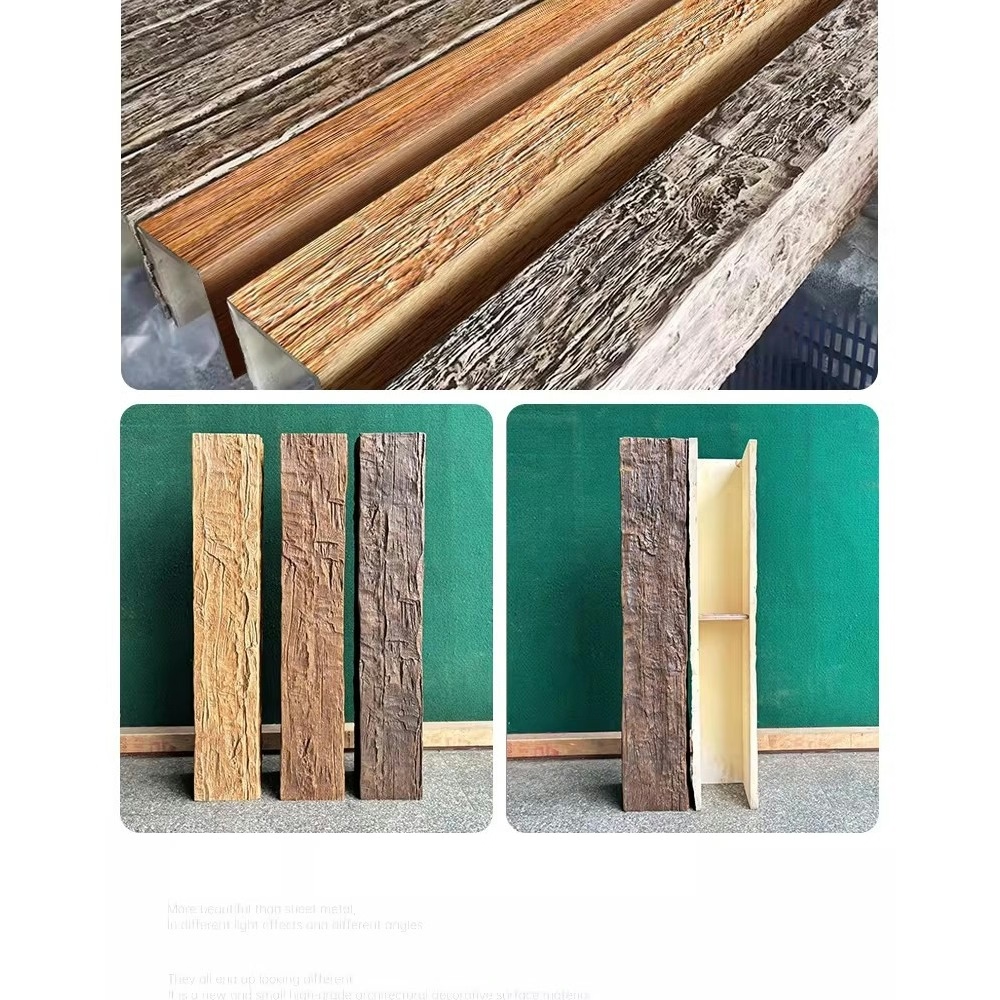
The most successful interior designs often feature foundation elements that work invisibly to support more visible accents. Just as good supporting actors elevate performances without overshadowing leads, well-chosen architectural elements create environments where furniture, art, and personal possessions can shine. Soft neutral tone faux wood beams fulfill this supporting role brilliantly, providing the organic warmth that makes spaces feel genuinely inhabited while remaining visually quiet enough to coordinate with virtually any design direction. These beams represent the versatility that modern interiors often require— the ability to work within diverse styles without committing to specific color or texture that might limit future changes.
Neutral interiors have dominated design preferences for good reason. The neutrality that allows spaces to accommodate changing tastes, evolving collections, and shifting trend directions represents practical wisdom rather than lack of imagination. Yet true neutrality— spaces that neither offend nor inspire— can feel hollow, lacking the warmth and character that make houses into homes. Neutral tone beams resolve this tension, adding life to neutral spaces without introducing the specificity that would compromise their adaptability.
The beauty of neutral tone beams lies in their ability to work with rather than against surrounding colors. Blues, greens, earth tones, or warm neutrals— all coordinate naturally with appropriately specified neutral beams. This versatility simplifies design decisions and supports the accumulated personalization that makes homes feel authentically occupied.
The Art of Appropriate Neutrality
Not all neutral tones serve equally well in all contexts. The difference between successful neutrality and forgettable blandness lies in the subtle warmth and depth that prevent spaces from feeling institutional or underfunded. Understanding what distinguishes successful neutral beams helps ensure appropriate specification.
Truly neutral tones avoid strong color bias that would create difficult coordination requirements. Neither aggressively warm nor noticeably cool, successful neutrals occupy the middle ground where virtually any color can relate. The wood grain beneath contributes organic warmth without introducing color saturation that might overwhelm adjacent tones.
Surface quality affects how neutral tones read in interior contexts. Flat, matte surfaces can feel too dull; overly glossy surfaces introduce unwanted shine that distracts from surrounding elements. The soft surface quality appropriate for neutral beams creates subtle visual interest without drawing attention to the beams themselves.
Depth perception in neutral tones emerges from the interaction between color and texture. Evenly applied color without variation can appear artificial; too much variation creates busy confusion. Quality neutral beam finishes achieve balance— enough variation to feel natural, enough consistency to remain quietly supporting rather than visually competing.
Versatility Across Design Styles
Modern interiors encompass significant stylistic diversity, from ultra-minimalist to warmly traditional. Neutral tone beams accommodate this diversity by remaining visually quiet while contributing warmth that diverse styles require.
Minimalist and contemporary spaces benefit from neutral beams that add organic warmth without disrupting clean sight lines. The beams provide visual architecture that prevents spaces from feeling stark while maintaining the restrained aesthetic that these styles prioritize. Even single-beam installations can accomplish this objective effectively.
Transitional spaces— blending contemporary and traditional elements— require materials that bridge between potentially conflicting vocabularies. Neutral tone beams accomplish this bridging function effectively, providing warmth that traditional elements require while maintaining the refined quality that contemporary elements contribute.
Modern farmhouse and cottage aesthetics embrace the warmth that neutral beams provide while benefiting from the subtle rustic character that wood grain introduces. The beams feel appropriate in these contexts without appearing too rough or too refined for either aesthetic extreme.
Color Coordination Principles
Understanding how neutral beams interact with various color palettes helps ensure successful specification across diverse interior contexts.
The most versatile neutral beams coordinate through shared warmth with both warm and cool adjacent colors. This warmth provides the connection point that makes disparate elements feel related. Without this warmth, spaces can feel disconnected even when all individual elements appear carefully selected.
Wall color dramatically affects how neutral beams read in specific contexts. Light walls make beams appear more prominent; dark walls make beams recede visually. This relationship should inform beam specification— slightly more assertive tones may suit light-walled rooms while restrained tones work better with darker backgrounds.
Furniture and textile colors provide context that beam selection should acknowledge. Rooms with bold upholstery or colorful art collections may benefit from more neutral beams that don't compete for attention. Conversely, predominantly neutral rooms may benefit from beams with slightly more presence to prevent complete visual disappearance.
Room-by-Room Application Strategy
Different rooms present different requirements that beam specification should address. The versatile character of neutral beams enables consistent use across spaces while accommodating varying functional needs.
Open-plan living areas often benefit from beams that create visual zones without physical division. A neutral beam running across transition areas between kitchen, dining, and living zones provides subtle separation that helps organize space without closing it down. The beam becomes an architectural wayfinding element that guides movement through the space.
Bedrooms require particular attention to the calm, restful atmosphere that these spaces should provide. Neutral beams contribute warmth without creating visual stimulation that might interfere with sleep. The restraint that neutrality provides serves bedroom requirements well, creating backgrounds that support rather than compete with the restful function these rooms serve.
Home office and workspace areas have gained importance as remote work has become common. Neutral beams add warmth to functional spaces that might otherwise feel purely commercial. The organic character prevents sterile feeling while maintaining the professional appearance that work environments should project.

Longevity and Adaptability
The practical value of neutral beams extends beyond initial installation into long-term satisfaction as living situations evolve. Spaces designed with versatile materials accommodate change more readily than those committed to specific, limiting choices.
Neutral beams support evolving color schemes without requiring replacement. As families grow, tastes mature, or design trends shift, surrounding colors may change while neutral beams continue coordinating effectively. This adaptability represents genuine value that more specific choices cannot provide.
The durability of polyurethane ensures that this long-term versatility translates into lasting appearance. Natural wood might show aging effects that compromise initial specification; polyurethane maintains original appearance indefinitely. The beams continue supporting diverse design directions through years of service.
Professional Specification Guidance
Achieving the versatility that neutral beams offer requires attention to subtle qualities that distinguish excellent from merely adequate specification. Professional guidance can help navigate these distinctions.
Showroom evaluation provides experience with actual beam appearance that catalog images cannot fully convey. The way light interacts with surface finishes, the warmth of specific tones, the quality of grain patterns— these qualities become apparent only through direct observation.
Sample testing in actual installation contexts reveals how beams will perform with specific wall colors, lighting conditions, and surrounding materials. The investment in sample evaluation prevents costly specification errors that might prove difficult to remedy after full installation.
Consultation with design professionals familiar with beam products and their applications can identify considerations that might otherwise be overlooked. The experience of professionals who have specified beams across numerous projects often reveals subtleties that general guidance cannot address.
For modern interiors seeking genuine versatility— the ability to support diverse styles, accommodate changing tastes, and provide lasting satisfaction— soft neutral tone polyurethane faux wood beams represent intelligent specification. These beams honor both immediate design objectives and long-term adaptability, creating spaces that remain beautiful as lives and preferences evolve.
Technical References
ASTM standards cited in every specification
Test Data
Lab results from internal testing program
Updated 2026
Reviewed against current product specs


