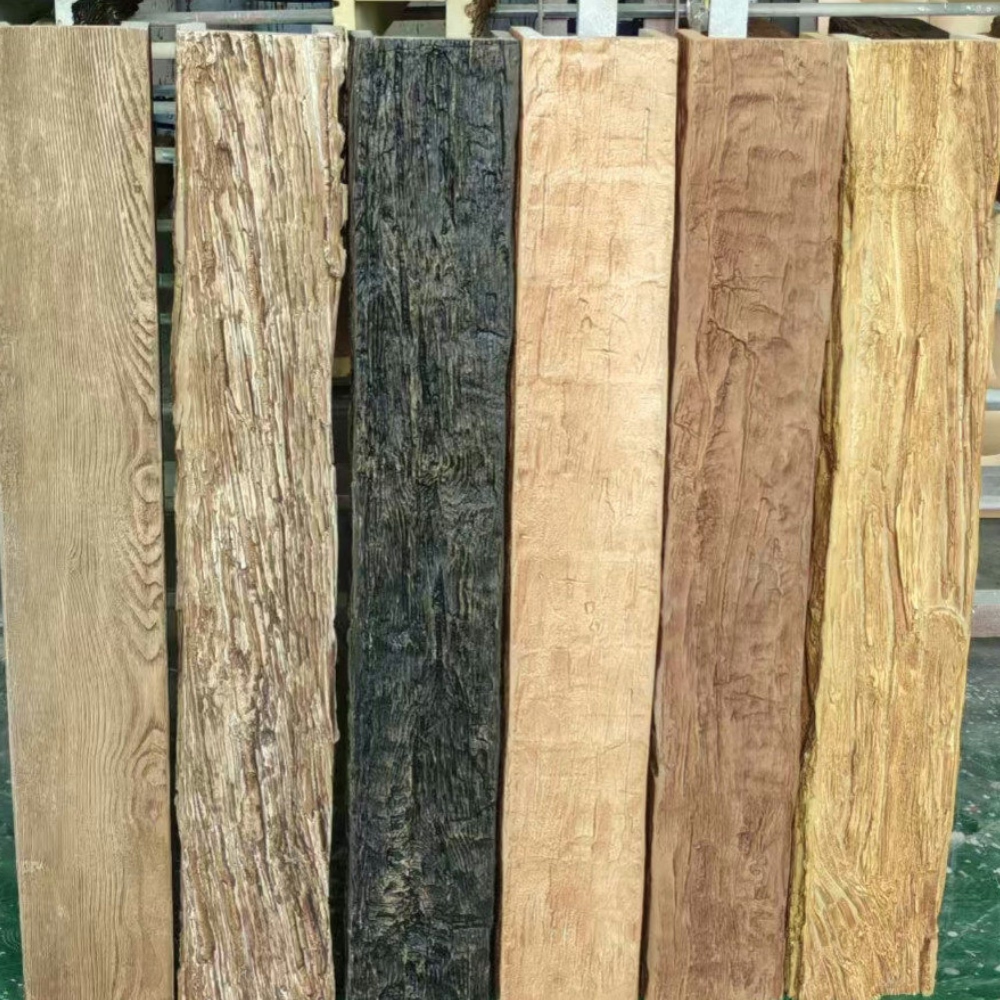
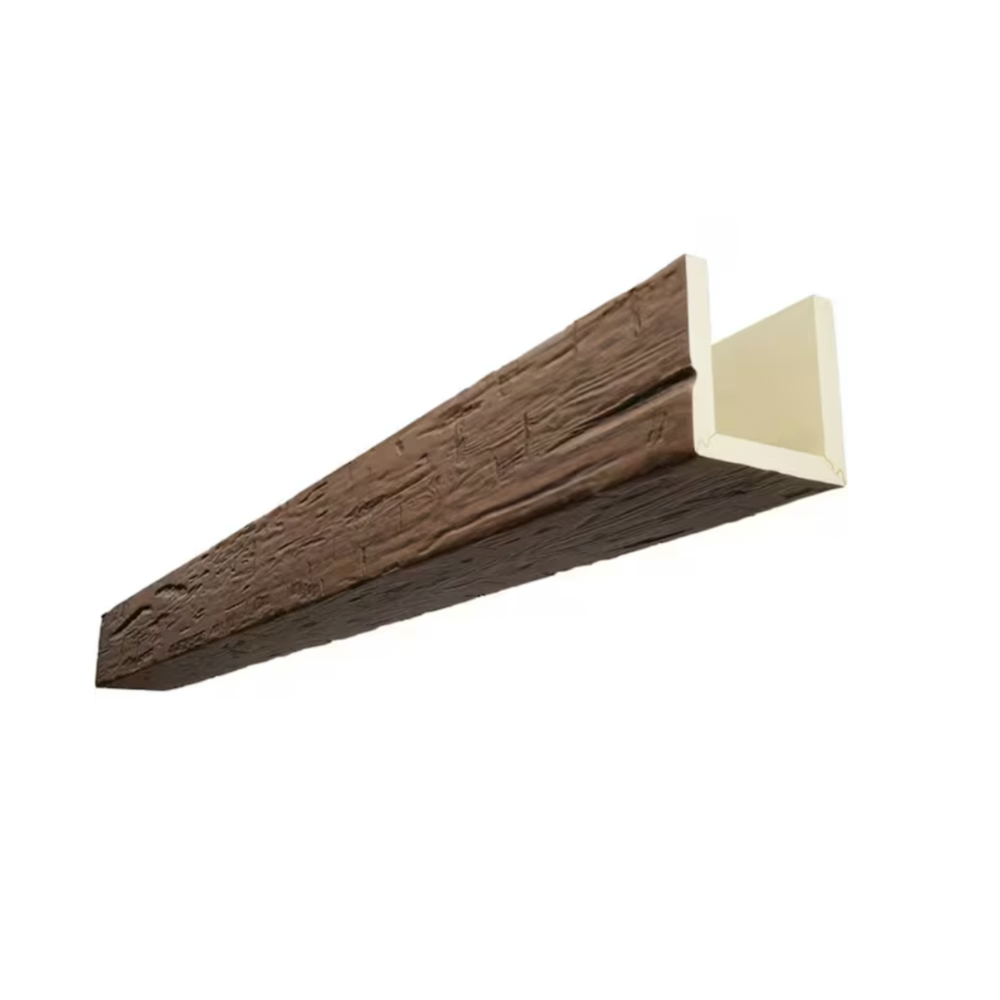
There is something quietly satisfying about walking into a room where every surface seems to belong together. The walls breathe with a soft olive green that feels like the inside of a forest canopy on an overcast morning, and overhead, warm wooden beams pull the eye upward while grounding the space below. That is the magic of pairing muted green tones with the natural texture of faux wood ceiling accents.
Olive green has earned its place as one of the most versatile wall colors in residential design. Unlike brighter greens that demand attention, soft olive sits comfortably between yellow and gray-green, picking up light differently depending on the time of day. It works beautifully with linen whites, warm creams, and natural wood tones, making it an ideal partner for polyurethane faux beams finished to resemble weathered oak or reclaimed barn wood.
Why Olive Green and Faux Wood Beams Complement Each Other
The relationship between olive walls and wooden ceiling beams rests on a simple principle: tonal harmony. Both colors exist in the same family of earthy greens and browns, which means they create visual continuity without feeling monotonous. The beams add warmth and weight to a color that might otherwise feel too soft or muted on its own.
Natural wood has a quality that interior designers often describe as "organic irregularity." No two planks look exactly alike. The grain patterns, knots, and subtle color variations within each piece create depth and texture that a flat painted surface simply cannot replicate. When you install faux wood beams on a ceiling, you introduce that same organic richness into a space that might otherwise feel too clean or minimal.
Polyurethane faux beams take this concept a step further by offering the look of real timber without the practical drawbacks. Real wood beams are heavy, require structural support, and can warp or split over time. PU beams are lightweight, easy to install, and manufactured to resist moisture, insects, and temperature fluctuations. For trade buyers stocking inventory or homeowners planning a renovation, this combination of aesthetics and practicality makes PU faux beams an attractive product category.

Choosing the Right Beam Finish for Olive Green Walls
Not every wood finish pairs equally well with soft olive. The key is matching the saturation and undertones of the beam finish to the specific shade of green on your walls. A sage-green wall with gray undertones pairs best with a cool-toned reclaimed wood finish, while a warmer olive with yellow undertones calls for honey oak or butternut tones.
For rooms with the soft olive green featured in this style, a medium-tone wood finish tends to work best. Beams that are too dark, like espresso or charcoal-stained faux timber, can overwhelm the soft wall color and make the room feel smaller than it is. Beams that are too light, like blonde pine, may not provide enough contrast to feel intentional. A warm oak or honey maple finish strikes the right balance, adding depth without competing with the walls.
Textured beam surfaces perform better in olive green rooms than smooth, factory-finished surfaces. The natural imperfections of wood grain — the tiny valleys, raised fibers, and weathered patina — catch light and create shadow. In a room with soft green walls, that interplay of light and texture keeps the ceiling from disappearing into the background and gives the space a crafted, intentional feel.
Room-by-Room Application
Living Room
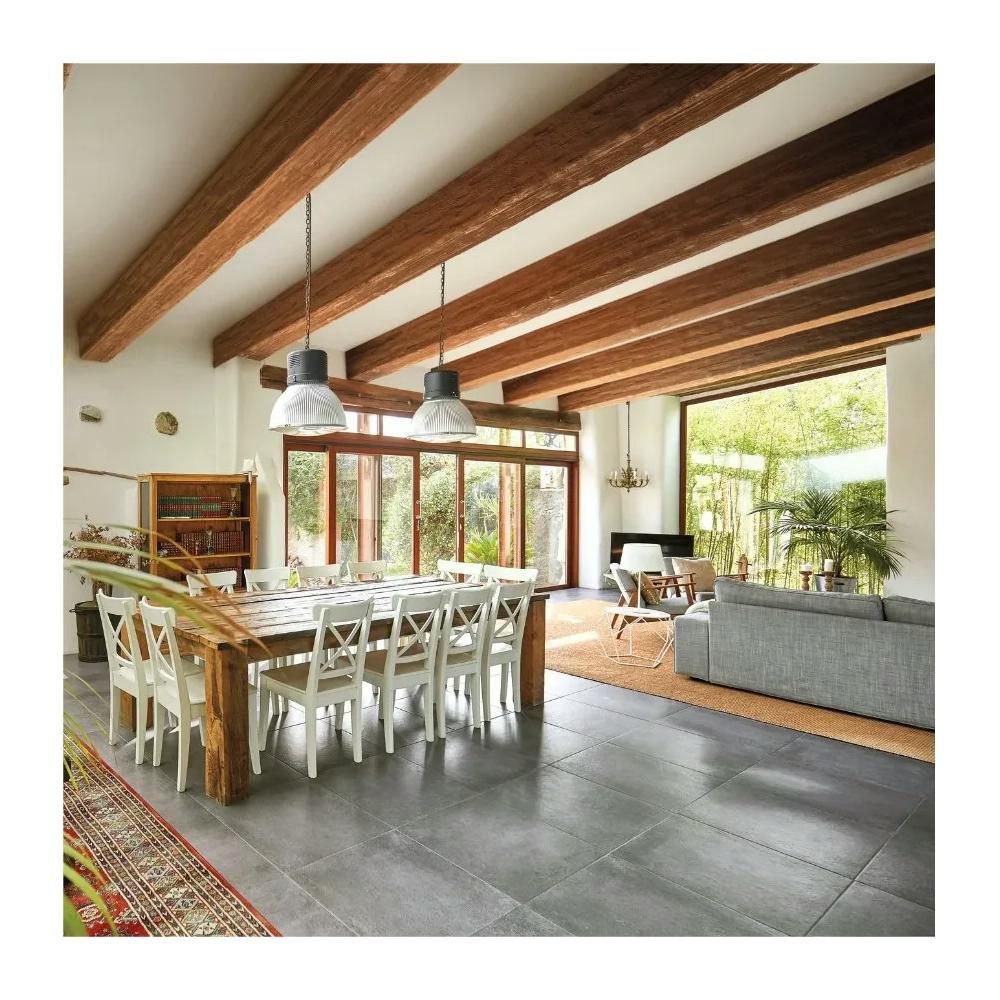
The living room is the most common space for this design pairing, and for good reason. Olive green walls create a calming backdrop for seating arrangements, while faux beams overhead define the architectural character of the room without requiring a full renovation. A single decorative beam running perpendicular to the ceiling joists can break up a long, narrow room and create visual interest where the ceiling would otherwise feel flat.
Consider pairing the beams with a linen sofa, a round wooden coffee table, and ceramic accent pieces in warm terracotta or cream. The color palette stays within the same earthy family, creating a cohesive look that feels curated rather than accidental.
Bedroom
Using olive green and wooden beams in a bedroom shifts the mood toward tranquility. The soft green promotes relaxation, and the overhead beams add a sense of shelter and enclosure that makes the room feel like a retreat. In a master bedroom, a cluster of three or five shorter beams arranged in a geometric pattern can serve as a focal point above the bed without overwhelming the space.
Layer textiles generously in this setting. A chunky knit throw in cream or oatmeal, linen bedding in undyed tones, and a few velvet or wool pillows in muted rust or dusty rose round out the palette beautifully.
Home Office
An emerging trend in residential design is using olive green and wooden beams in home office spaces. The combination feels professional yet grounded, promoting focus and reducing the sterile quality that many home offices inherit from their corporate-inspired origins. Install a single long beam above the desk area and pair it with shelving in a matching wood finish to create a dedicated workspace zone within a larger room.
Lighting the Beams and the Space
Lighting plays a critical role in how both the olive walls and the wooden beams are perceived. In rooms with abundant natural light, the green walls shift from forest-like to luminous, and the beam textures become more pronounced. In darker spaces, both surfaces take on a richer, more dramatic quality.
For evening lighting, consider uplighting the beams from below. Small LED puck lights installed in the ceiling plane and directed upward at the beam underside create a warm glow that washes the ceiling and adds ambient light to the room. This technique is especially effective in living rooms and bedrooms where you want to create a relaxed, intimate atmosphere.
Alternatively, pendant lights with natural fabric shades — rattan, bamboo, or undyed linen — reinforce the organic palette and draw the eye upward to the beams. Clustered pendant groupings work well above kitchen islands or dining tables, while a single oversized pendant makes a statement in a living room with vaulted ceilings.
Materials, Sourcing, and Trade Considerations
For retailers and trade buyers, olive green room styling with faux wooden ceiling beams represents a strong market position. The aesthetic appeals to a broad demographic: homeowners in their thirties and forties seeking a return to natural materials, interior designers working on hospitality projects that demand warmth and approachability, and property developers looking for finishes that photograph well and attract tenants.
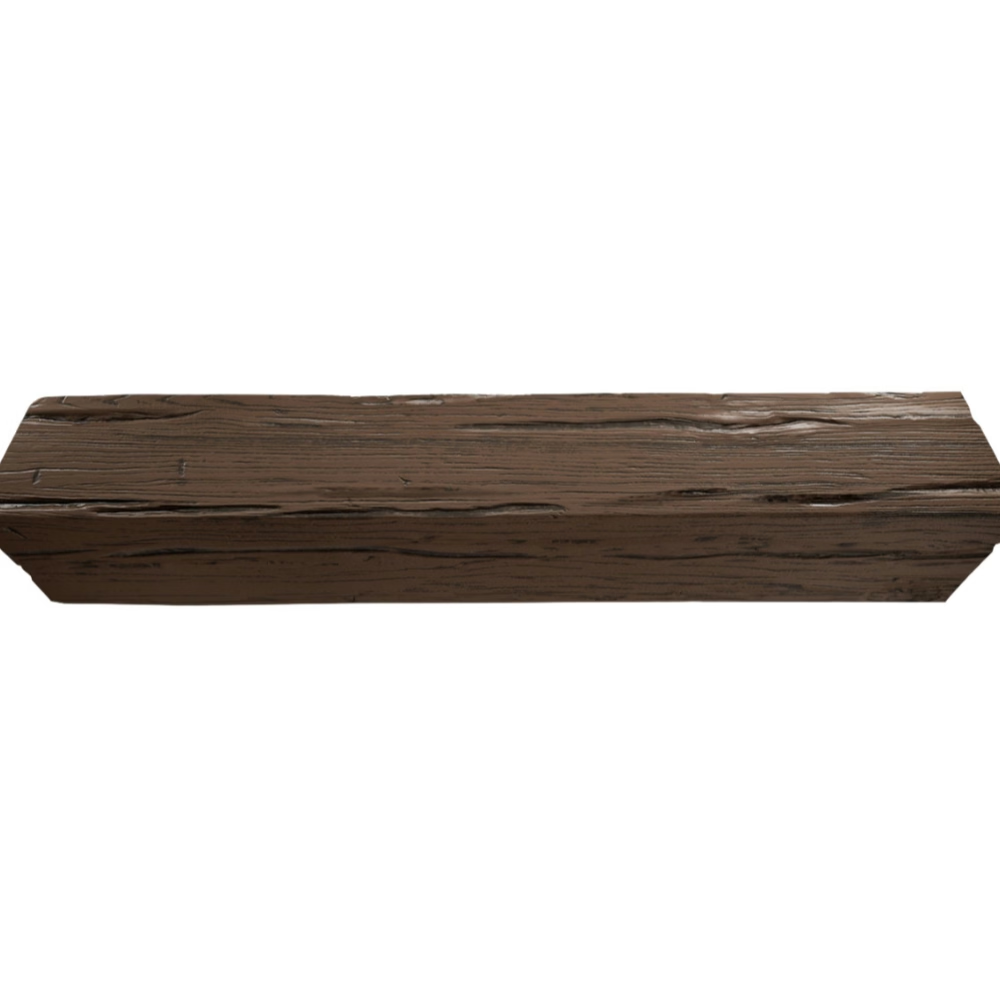
When sourcing PU faux beams for this market segment, prioritize finishes that mimic real wood convincingly. The grain texture, color depth, and surface imperfections should be indistinguishable from natural timber at a glance. Buyers at trade shows and in online catalogs are increasingly sophisticated about identifying low-quality reproductions, so a premium finish command premium pricing.
Weight is another practical consideration. PU beams are significantly lighter than their timber counterparts, which reduces shipping costs and simplifies installation for end customers.这一点对于快速发展的DIY装修市场尤为重要。
Layering the Final Details
No room styling is complete without the details that make it lived-in and personal. In an olive green room with wooden beams, the finishing touches should reinforce the organic, earthy quality of the design. Woven textiles, ceramic pottery, dried botanical elements, and natural fiber rugs all contribute to the overall atmosphere.
Avoid metallic accents in brass, gold, or chrome. These finishes clash with the muted, grounded palette and introduce a level of formality that contradicts the casual warmth the design aims to create. Instead, opt for matte black fixtures, raw iron hardware, or unlacquered brass that develops a natural patina over time.
Potted plants are perhaps the most effective finishing touch in this style. Olive green walls echo the color of foliage, and real plants reinforce the connection to nature that the design palette is trying to establish. A large fiddle-leaf fig in the corner, a cluster of smaller pothos on a shelf, or a hanging plant in a macramé cradle all work beautifully in this context.
The combination of soft olive green and warm wooden faux beams is a design choice that rewards attention to detail. It is not a trend that will date quickly, because it draws from colors and textures that have grounded human spaces for centuries. By understanding the color relationships, material qualities, and atmospheric effects at play, designers and homeowners alike can create rooms that feel both sophisticated and genuinely comfortable.
Technical References
ASTM standards cited in every specification
Test Data
Lab results from internal testing program
Updated 2026
Reviewed against current product specs