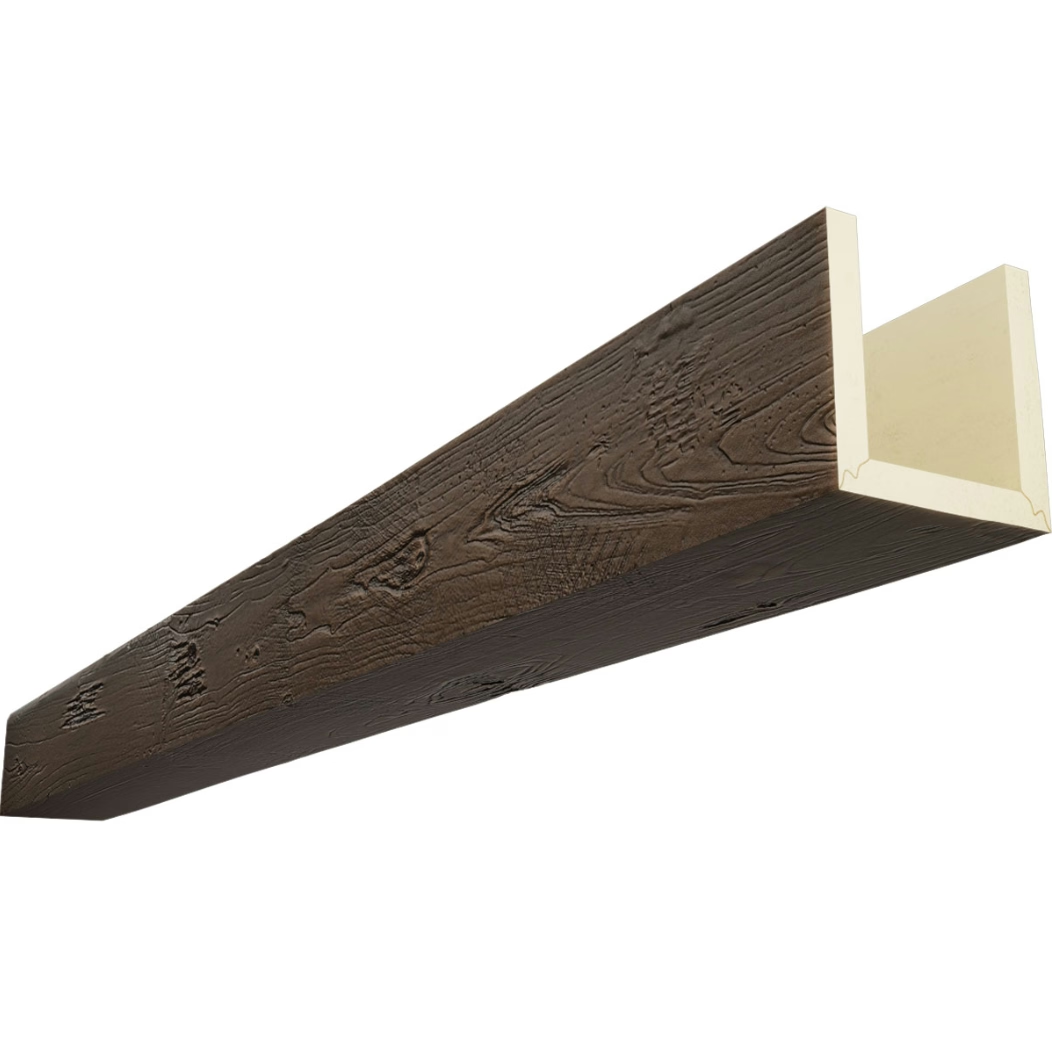
Commercial projects requiring faux wood ceiling beams present purchasing challenges that residential buyers rarely encounter. Volume discounts, quality consistency, logistics coordination, and supplier relationships all factor into procurement decisions that affect project economics and installation success. Understanding available sourcing channels helps buyers identify optimal purchasing strategies.
Direct Factory Purchasing
Manufacturing direct relationships offer the lowest unit pricing for buyers willing to meet minimum order quantities and accept longer lead times. Chinese manufacturing facilities produce substantial volumes of polyurethane faux beams for global distribution, with per-unit costs that decrease dramatically as order volumes increase. These savings frequently justify the logistics complexity for sufficiently large projects.
Factory visits provide verification opportunities unavailable through intermediary relationships. Walking production lines, inspecting quality control processes, and meeting personnel creates relationships depth that remote communication cannot match. Buyers with sourcing budgets allowing international travel find factory visits particularly valuable for establishing supplier confidence.
Communication challenges require proactive management in direct factory relationships. Time zone differences, language barriers, and cultural expectations affect interaction quality. Establishing clear communication protocols, response time expectations, and documentation standards early prevents misunderstandings that damage relationships.
Regional Distributor Networks
Regional distributors provide inventory availability that direct factory orders cannot match. Stocking distributors maintain popular styles and sizes for immediate fulfillment, enabling project timelines that factory production schedules cannot accommodate. This availability convenience comes with pricing premiums that buyers must evaluate against urgency requirements.
Technical support from experienced distributors adds value beyond product supply. Installation advice, compatibility information, and troubleshooting assistance help contractors navigate challenging applications successfully. This expertise develops from dealing with diverse customer needs and problem situations over extended periods.
Credit terms and flexible ordering benefit cash-flow-sensitive businesses through distributor relationships. Net-30 or net-60 payment terms improve working capital utilization compared to prepayment requirements common with direct factory orders. Small order quantities without surcharges suit businesses uncertain about volume requirements.


Online Marketplace Platforms
Digital commerce platforms have transformed wholesale purchasing by connecting buyers directly with suppliers globally. Alibaba, Made-in-China, and similar platforms aggregate thousands of suppliers offering faux wood beams across all quality levels and price points. Search functionality, supplier verification systems, and buyer protections simplify initial supplier identification.
Trade assurance programs provide payment protection for first-time transactions with unfamiliar suppliers. These escrow-like mechanisms release funds only after buyer verification of shipment and quality acceptance. While imperfect, trade assurance reduces risk in unfamiliar supplier relationships.
Supplier verification tools help distinguish legitimate manufacturers from trading companies or resellers. Gold supplier status, verification badges, and transaction history indicators provide sourcing intelligence that informed buyers use for preliminary supplier assessment. However, these indicators require careful interpretation given gaming possibilities.
Specialty Trade Suppliers
Trade-specific suppliers focus exclusively or primarily on architectural products like faux beams rather than general merchandise. This specialization brings product expertise, relevant inventory, and application knowledge that generalist suppliers cannot match. Projects with specific technical requirements benefit particularly from specialized supplier relationships.
Design community relationships distinguish premium trade suppliers. Interior designers and architects specifying beams for client projects frequently direct purchasing through suppliers they trust. These relationships provide access to exclusive products, design consultation, and specification support that general purchasing channels cannot replicate.
Sample programs from trade suppliers enable quality verification before commitment. Requesting physical samples allows hands-on assessment of density, texture, color, and finish quality that photographs and specifications cannot fully convey. Professional suppliers maintain sample inventories for exactly this purpose.

Strategic Channel Combinations
Sophisticated buyers frequently combine sourcing channels strategically rather than relying exclusively on single sources. Factory direct orders for high-volume standard products work alongside distributor purchases for specialty items and urgent requirements. This blended approach optimizes economics while maintaining flexibility.
Backup supplier relationships prevent single-source vulnerabilities. Depending entirely on one supplier creates risk that production problems, capacity constraints, or relationship issues disrupt project schedules. Maintaining secondary supplier relationships provides insurance against supply disruptions.
Seasonal planning aligns purchasing with supplier pricing cycles. Many suppliers offer better terms during slower periods when production capacity exceeds demand. Strategic buyers time major purchases to take advantage of these pricing opportunities while avoiding rush surcharges during peak periods.
Negotiation Approaches by Channel
Direct factory negotiations focus on volume commitment, tooling customization, and long-term relationship development. Factories respond to buyers demonstrating serious partnership potential through committed volumes and relationship investment. Initial small orders establish baseline relationships before pursuing larger commitments.
Distributor negotiations center on pricing tiers, payment terms, and service levels. Volume tiers with corresponding discounts provide straightforward negotiation frameworks. Service additions like delivery scheduling, return policies, and technical support expand negotiation scope beyond simple unit pricing.
Marketplace negotiations require different approaches focused on competitive comparison and order bundling. Displaying competitor quotes, combining multiple products into consolidated orders, and demonstrating repeat purchase potential motivate marketplace suppliers to improve initial offers.
Building Sustainable Procurement Programs
Purchase planning creates purchasing efficiency through demand aggregation. Rather than reactive purchasing responding to immediate needs, planned procurement combines requirements across projects and time periods for volume optimization. This approach requires forecasting but delivers substantial cost improvements.
Supplier performance tracking informs ongoing relationship decisions and identifies emerging issues before they cause problems. Tracking quality consistency, delivery reliability, and communication responsiveness provides data for supplier comparison and development discussions.
Relationship development with key suppliers creates partnership dynamics that benefit both parties. Exclusive arrangements, collaborative product development, and mutual growth investment strengthen relationships beyond transactional purchasing. These partnerships provide competitive advantages that pure transactional purchasing cannot achieve.
Understanding where to buy wholesale faux wood ceiling beams requires evaluating multiple channels against specific project requirements, business constraints, and strategic objectives. The options available today provide unprecedented choice while demanding more sophisticated purchasing approaches.
Technical References
ASTM standards cited in every specification
Test Data
Lab results from internal testing program
Updated 2026
Reviewed against current product specs


