Southwestern architecture draws inspiration from desert landscapes, indigenous building traditions, and the warm palette of sun-baked terrain. Natural wood played a significant role in traditional Southwestern construction, and modern interpretations maintain this connection through ceiling treatments that honor regional heritage. Southwest desert style polyurethane faux beams provide the authentic aesthetic these designs require while offering practical advantages over natural timber.
Understanding Southwest Desert Aesthetic
Desert architecture emphasizes warmth through color, texture, and material selection. Terracotta, sand, adobe, and weathered wood define the Southwest palette, creating interiors that feel connected to their environment. Ceiling beams serve as prominent design elements that anchor rooms visually and establish the regional character that distinguishes Southwestern interiors.
Traditional Southwestern ceiling beams, called vigas, extended from exterior walls into interior spaces, creating architectural continuity between indoor and outdoor environments. These structural elements developed their own aesthetic through the hand-hewing techniques and natural weathering that gave each beam unique character. Modern faux beams capture this spirit through careful design and manufacturing precision.
Color temperature matters significantly in desert-style interiors. Warm earth tones prevent spaces from feeling sterile despite abundant natural light. Faux beams finished in sienna, ochre, umber, and terracotta hues integrate with wall colors and floor materials to create cohesive atmospheres that feel appropriate to their setting.

Authentic Wood Grain Reproduction
Modern polyurethane technology enables remarkably detailed wood grain reproduction that captures Southwestern character convincingly. Oak, mesquite, and pine timbers influenced traditional Southwestern building, and faux beam manufacturers have developed finishes that evoke these species authentically. The grain patterns, knot placement, and color variations that distinguish each wood type appear convincingly in quality faux alternatives.
Hand-hewn texture reproduction adds another authenticity dimension. Traditional beams bore tool marks from the axes and adzes used to square timber from round logs. These surface characteristics create visual interest that smooth surfaces cannot match. Quality faux beams feature carefully molded textures that suggest hand craftsmanship without requiring actual manual working.
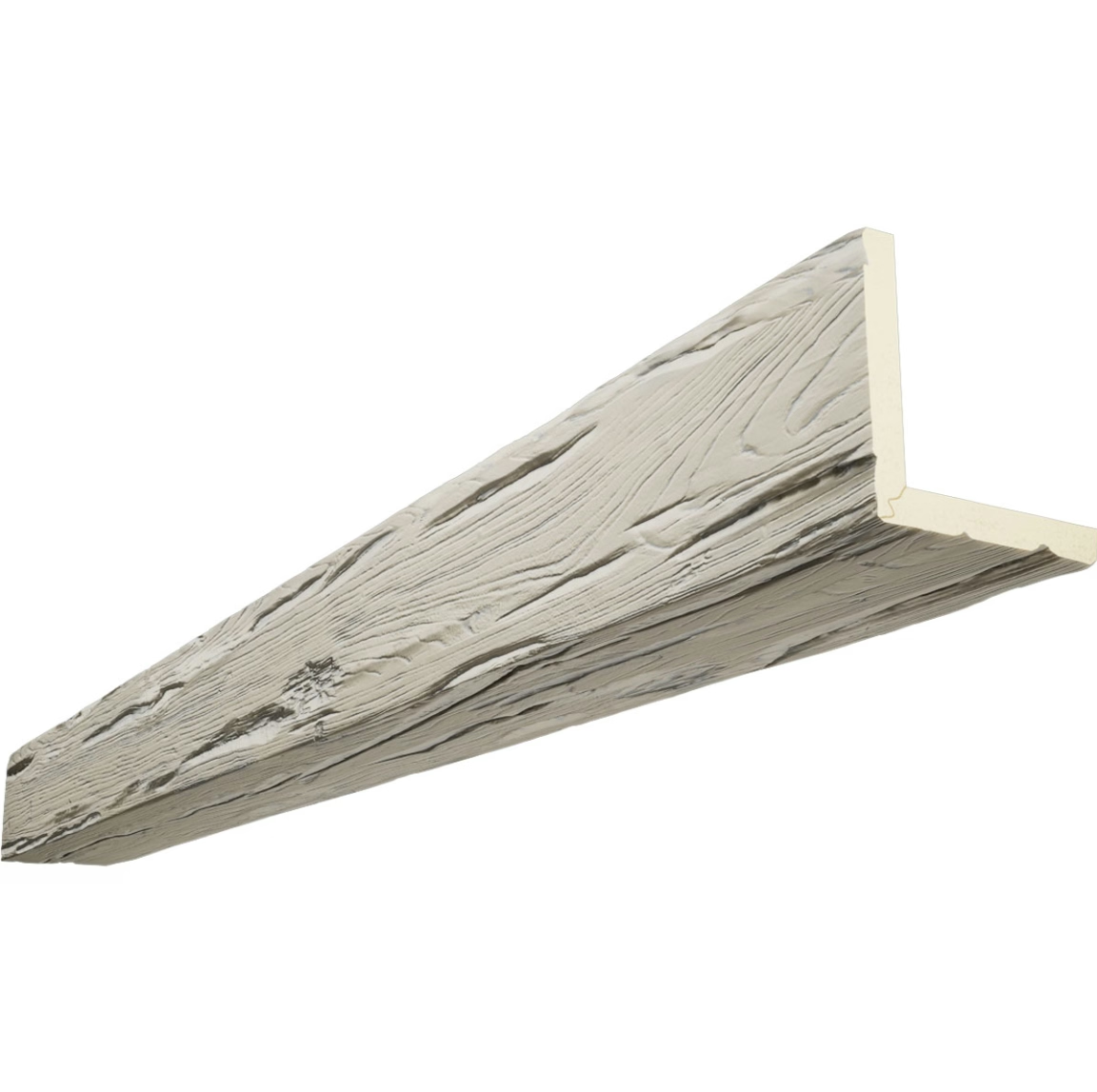
Weathered finishes appropriate to desert environments create additional character options. Sun-bleached surfaces, wind erosion patterns, and natural oxidation coloring extend the Southwest aesthetic beyond fresh-cut wood appearances. These finishes suit spaces seeking established, aged character rather than new construction appearance.
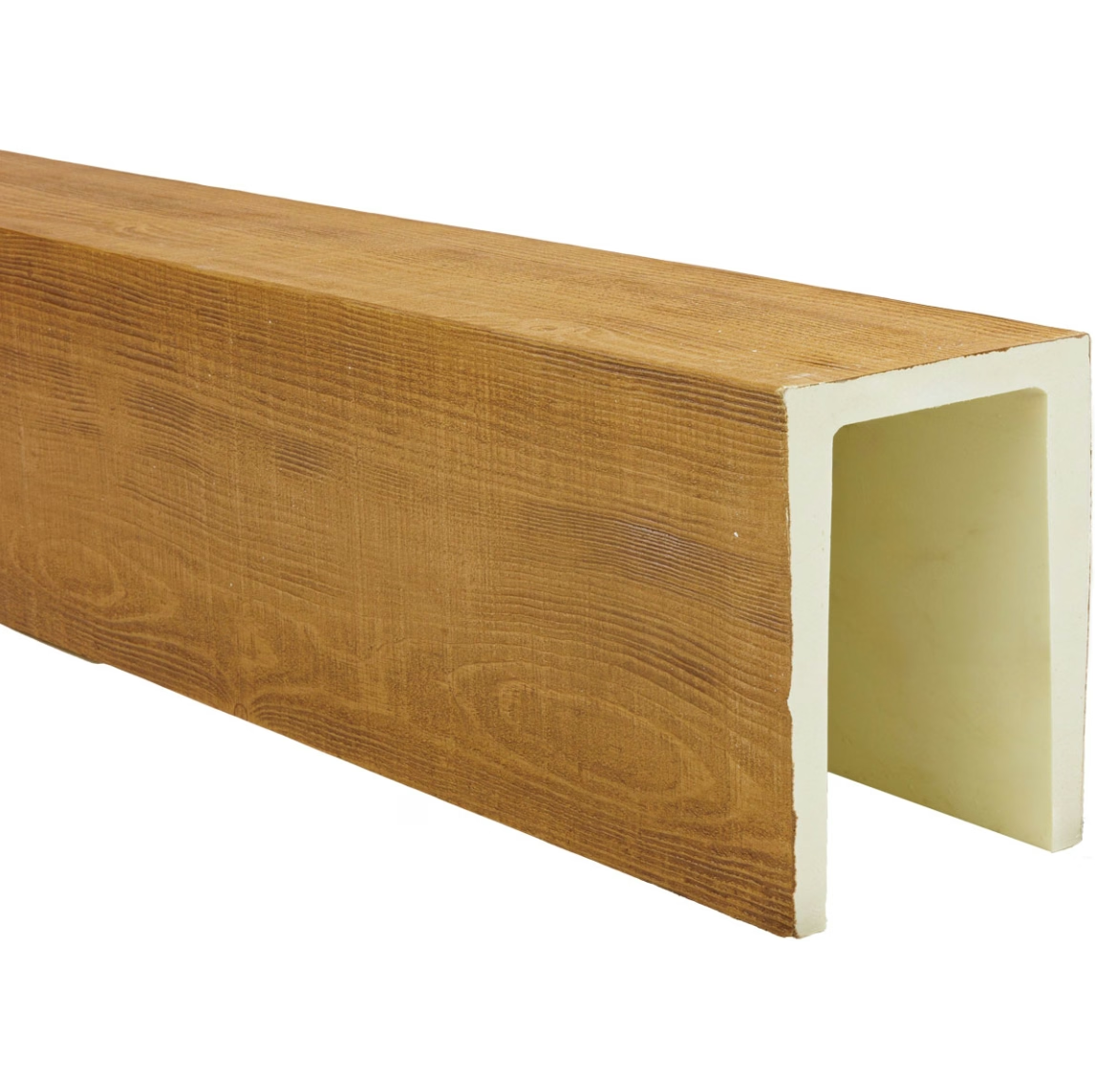
Color Palette Options for Desert Interiors
Sienna and terracotta tones reference the clay soils and adobe construction prominent in Southwestern building traditions. These warm reds and oranges create dramatic ceiling presence that complements white or cream wall surfaces particularly well. The contrast between cool wall tones and warm beam colors produces the vibrant energy that desert interiors embrace.
Sand and wheat tones provide subtler Southwest styling for spaces requiring less dramatic treatment. These lighter earth colors work well in larger rooms where heavier tones might overwhelm, and they coordinate readily with the tan, beige, and cream colors common in desert-inspired decorating schemes.
Charred and smoked finishes reference the traditional Southwestern practice of treating wood with fire to enhance weather resistance and create visual character. These deep, rich tones create sophisticated Southwest styling that suits more contemporary interpretations of regional aesthetics. The contrast between charred surfaces and lighter interior elements produces dramatic visual impact.

Application in Contemporary Southwest Design
Modern Southwestern interiors blend traditional elements with contemporary design sensibilities. Clean lines, minimal ornamentation, and functional simplicity characterize current Southwestern aesthetics that remain connected to regional heritage. Faux beams in these contexts require proportional restraint that respects modern design principles while providing necessary character.
Floating beam installations create dramatic ceiling presence without full structural commitment. Beams mounted with visible corbels or brackets suggest traditional support while functioning purely decoratively. This approach suits renovation projects where adding structural ceiling elements proves impractical.
Kiva-style rooms reference traditional circular Southwest spaces with exposed beams and corner fireplaces. Beam placement in these rooms typically follows radial patterns that create intimate, focused atmospheres. Polyurethane beams adapt readily to these configurations through flexible length options and mitered corner capabilities.
Regional Considerations for Beam Installation
Sun exposure affects beam installation in Southwest applications more significantly than in other regions. Windows and glass doors admit intense sunlight that creates thermal expansion concerns with some materials. Quality polyurethane maintains dimension consistently despite UV exposure, though finish selection should consider solar heating in south-facing installations.
Humidity control becomes essential in climate-controlled Southwest interiors. While desert climates feature low average humidity, air conditioning creates interior environments different from exterior conditions. Polyurethane's dimensional stability accommodates these variations without the movement concerns that affect natural wood.
Outdoor covered installations expand design possibilities in Southwest climates. Patios, covered porches, and outdoor living rooms benefit from ceiling beams that add architectural interest while resisting the sun exposure and occasional moisture that affect exterior applications. Quality polyurethane outdoor ratings ensure appropriate performance in these challenging conditions.
Southwest desert style faux timber beams bring authentic regional character to ceiling installations through carefully developed colors, textures, and profiles that honor traditional Southwestern aesthetics while accommodating contemporary design requirements.
Technical References
ASTM standards cited in every specification
Test Data
Lab results from internal testing program
Updated 2026
Reviewed against current product specs


