Themed interior design creates immersive environments that transport inhabitants and visitors into different times, places, or cultural experiences. Southwestern desert themes capture the romance of the American Southwest through warm colors, natural textures, and regional architectural references. Ceiling beams play essential roles in these thematic environments, establishing authenticity that wall treatments and furnishings alone cannot achieve.
The Role of Ceiling Beams in Thematic Design
Ceiling beams function as primary thematic elements in Southwestern design precisely because of their visibility and architectural prominence. Walls and floors receive more furniture contact and visual competition, while ceilings present relatively unobstructed surfaces where beams command attention. This positioning makes beams particularly effective at establishing thematic direction.
Guests entering spaces with prominent ceiling beams receive immediate thematic cues that inform their interpretation of the entire room. The warm wood tones, substantial presence, and regional associations of Southwestern beams create instant atmosphere recognition. This quick thematic communication proves valuable in spaces where first impressions matter significantly.
Thematic consistency requires attention to detail that extends beyond major elements. Beams that authentically reference Southwestern building traditions provide design anchors that support secondary decorative choices. Wall colors, textiles, pottery, and artwork all reference the same regional aesthetic, creating coherent environments rather than disconnected collections of Southwestern accessories.

Profile Selection for Thematic Accuracy
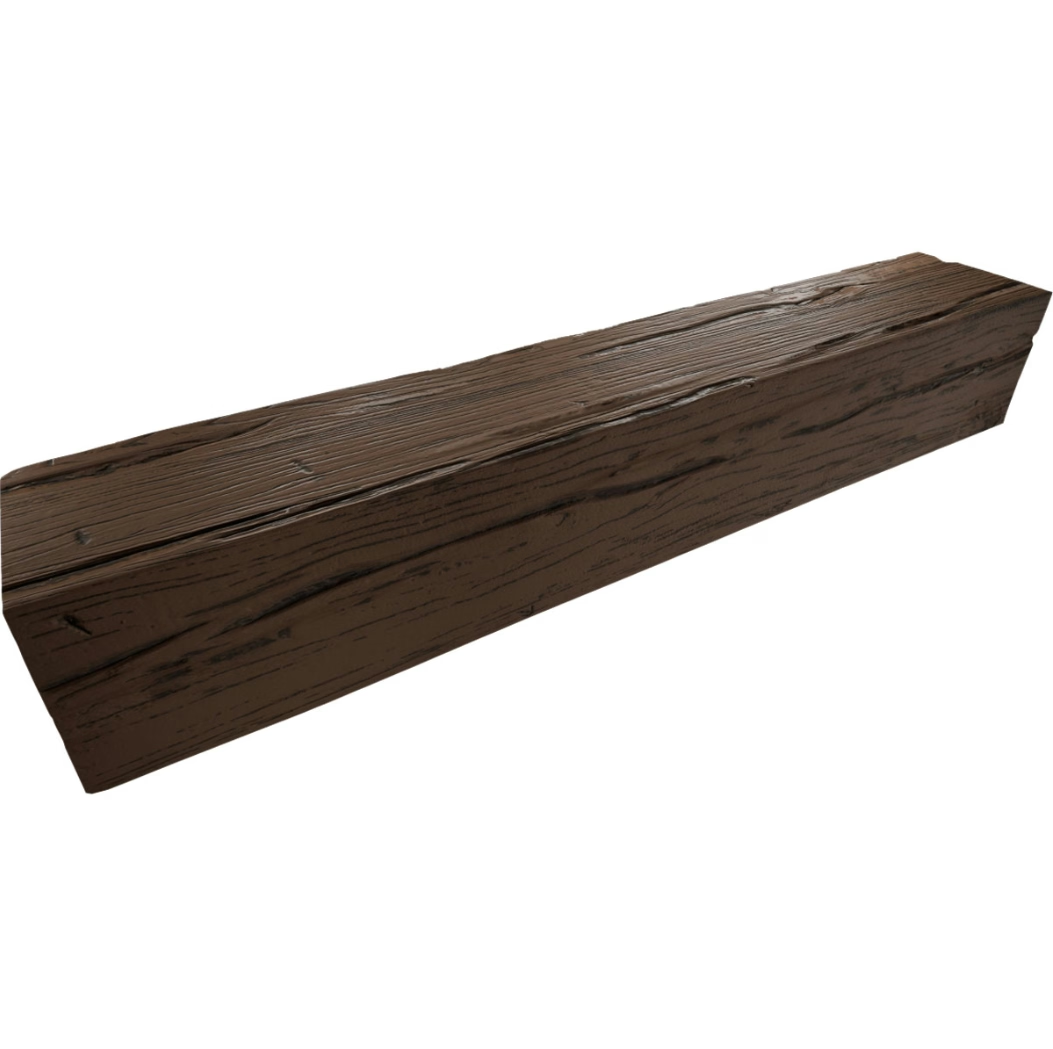
Viga profiles reference traditional Southwestern roof construction where round logs extended from exterior walls. Reproduction viga beams feature tapered or cylindrical shapes that suggest these structural origins. The substantial visual weight of viga profiles creates dramatic ceiling presence appropriate to large Southwestern rooms.
Tudor-style beams with flat faces and chamfered edges offer alternative Southwestern references more closely associated with territorial-era construction. These profiles suit smaller spaces where round viga beams might overwhelm, and they coordinate better with some contemporary Southwestern interiors that blend regional and European influences.
Rafter-style beams suggest more casual Southwestern construction common in hacienda and ranch architecture. These slimmer profiles work well in covered outdoor spaces, casual living areas, and thematic additions seeking less formal character. The versatility of rafter-style beams expands their applicability across themed home applications.
Integration With Thematic Decor Elements
Saltillo tile floors coordinate naturally with Southwestern ceiling beams, creating material coherence between floor and ceiling treatments. The terracotta tones, handmade textures, and regional associations of Saltillo tiles complement beam colors and aesthetics. This floor-ceiling relationship anchors thematic interiors authentically.
Rustic furniture with raw wood surfaces, leather accents, and wrought iron details shares material vocabulary with Southwestern beams. Furnishing selection should consider compatibility with ceiling treatments, choosing pieces that enhance rather than compete with beam presence. Coordinating finish colors ensures visual harmony across all wood elements.
Textiles including blankets, rugs, and window treatments reference Southwestern weaving traditions through geometric patterns, natural fibers, and regional color palettes. These textile elements add softness that balances beam rigidity, creating interiors with appropriate textural variety. The warm earth tones common to Southwestern textiles complement beam finishes seamlessly.

Room-by-Room Thematic Application
Great rooms and living spaces accommodate dramatic beam installations that establish Southwestern presence throughout primary living areas. Large rooms with high ceilings provide proportional space for substantial beams that command attention appropriately. These central spaces benefit from beams that serve as design anchors for surrounding decor.
Bedrooms require more restrained beam treatment that supports rather than dominates sleep environments. Slightly smaller profile beams or lighter finishes prevent bedroom ceilings from feeling heavy or oppressive. The intimate scale of most bedrooms suits these adjusted approaches while maintaining thematic connection.
Kitchens and dining rooms present challenges for heavy beam installations due to food preparation and dining activities below. Lighter beam treatment or strategic placement that keeps beams away from direct food contact areas preserves thematic character while accommodating functional requirements. Open beam arrangements work better than solid ceiling coverage in these active spaces.
Construction Considerations for Themed Homes
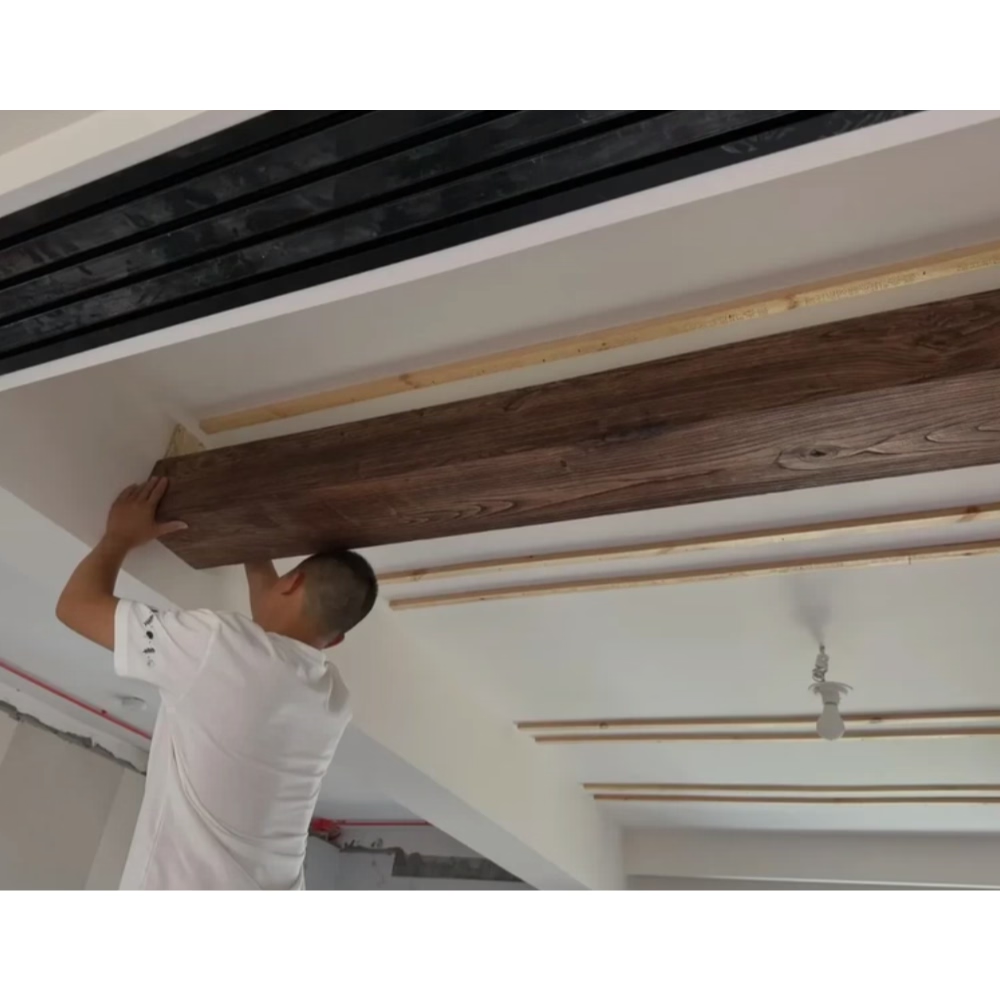
Ceiling structure must accommodate beam weight and mounting requirements. In newer construction, engineered joists or structural beams can be positioned to support authentic beam installation. Renovation projects may require additional blocking or support elements installed before finishing.
Light fixture mounting requires planning in themed beam installations. Ceiling-mounted fixtures attach differently to beam surfaces than standard ceiling boxes. Planning fixture locations during design development prevents installation compromises that compromise thematic accuracy.
HVAC and electrical routing often conflicts with beam placement in existing construction. Moving these systems adds expense and complexity that affects project feasibility. Identifying routing conflicts early allows design adjustment before commitments lock in problematic configurations.
Themed homes achieve Southwestern desert authenticity through attention to regional architectural details that ceiling beams provide most effectively. Polyurethane faux beams make this authentic character accessible through installation simplicity and practical performance that natural timber cannot match.
Technical References
ASTM standards cited in every specification
Test Data
Lab results from internal testing program
Updated 2026
Reviewed against current product specs


