Desert homes occupy landscapes defined by extreme temperatures, dramatic geology, and sparse vegetation. Interiors that reflect this environment through Southwestern rustic aesthetics create spaces that feel genuinely connected to their setting. Ceiling beams serve essential roles in this design approach, providing the natural material warmth that balances desert starkness while honoring regional architectural heritage.
Rustic Aesthetics in Desert Interiors
Rustic design emphasizes material authenticity, handcrafted character, and connection to natural environments. In desert contexts, this means surfaces that reference weathered stone, sun-bleached wood, and the organic textures that survive harsh conditions. Rustic interiors feel earned rather than purchased, emerging from their environment rather than imported from other contexts.
The comfort dimension distinguishes rustic from merely primitive or粗糙. Successful desert rusticity embraces warmth, texture, and livability rather than austere minimalism. Beams that provide visual weight and material interest contribute to comfortable atmospheres that invite habitation rather than mere observation.
Layered textures create the visual richness that rustic interiors require. Beams alone provide limited impact; their contribution multiplies when coordinated with textured walls, woven textiles, and natural stone surfaces. This layering approach produces interiors with depth and complexity that reward extended viewing.
Beam Selection for Rustic Desert Spaces
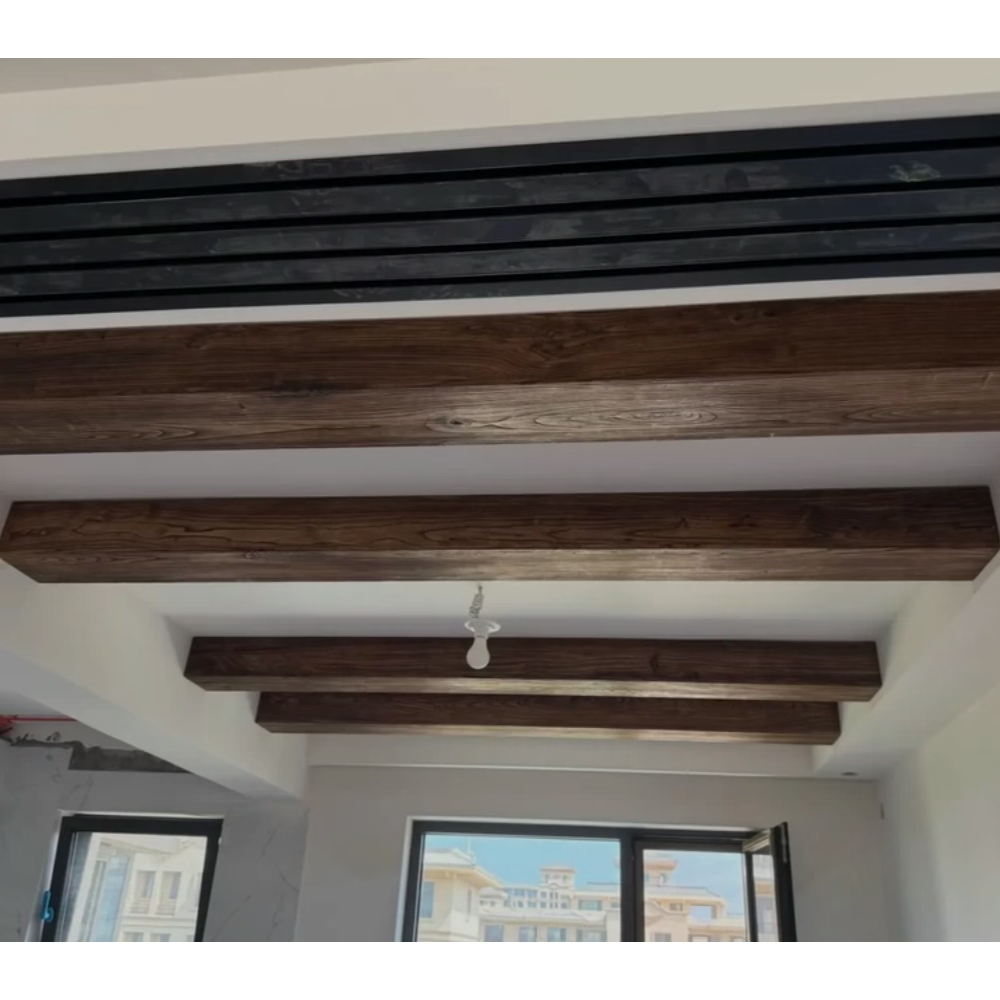
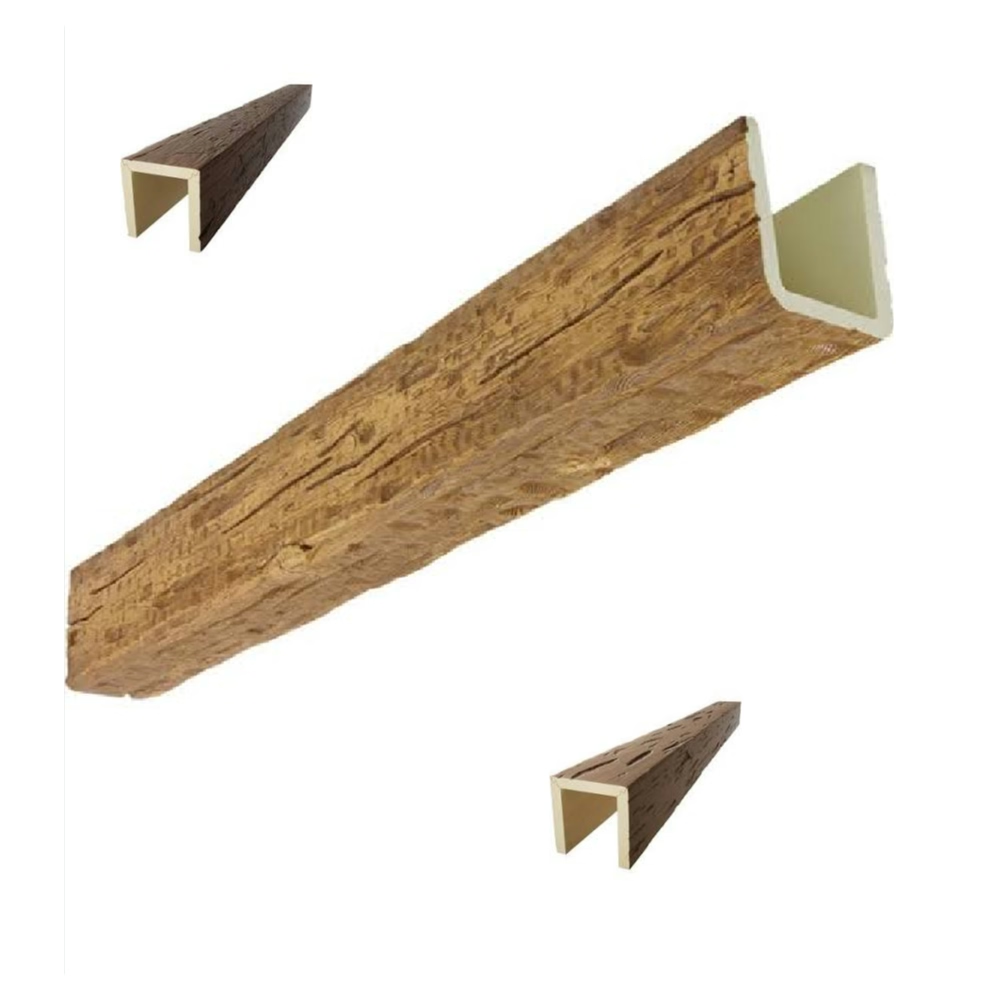
Weathered and distressed finishes reference the harsh treatment that natural wood endures in desert environments. UV exposure, wind abrasion, and thermal cycling create surface characteristics that fresh-cut lumber cannot match. Faux beam manufacturers capture these weathered appearances through careful texture development and appropriate coloring.
Knotty wood appearances contribute rustic character that clearer finishes cannot provide. Knot clusters, irregular grain patterns, and natural variations create the visual interest that rustic interiors demand. Polyurethane reproduction of these characteristics has improved substantially, producing knots and grain patterns that satisfy close inspection.
Color selection for rustic desert beams should reference natural wood species found in desert regions. Mesquite provides dark, dramatic character with distinctive grain patterns. Pine and fir reference higher-elevation Southwestern forests with more familiar appearances. Oak offers dramatic grain patterns suited to prominent beam placement.

Complementary Design Elements
Adobe and plaster walls provide natural texture that complements rustic beams beautifully. The subtle variations in hand-applied finishes create surfaces that catch light interestingly while supporting beam presence. Earth-tone wall colors in tans, terracottas, and clay hues create backgrounds that let beams serve as focal points.
Leather furniture elements share material warmth with rustic wood beams. Deep brown leather sofas, chairs with leather trim, and leather accent pieces coordinate with beam finishes while providing comfortable seating appropriate to desert living. Metal accents in copper, bronze, and iron reinforce the craft-oriented aesthetic that rustic design emphasizes.
Woven textiles including rugs, wall hangings, and window treatments add softness that balances beam rigidity. Native American inspired patterns, Mexican textiles, and contemporary interpretations of these traditions provide options across design preferences. Color coordination between textiles and beams ensures visual coherence throughout rustic interiors.
Scale and Proportion Considerations
Desert homes frequently feature high ceilings and open floor plans that accommodate substantial beam installations. The scale of beam profiles should relate appropriately to these generous dimensions. Thin beams in vast spaces disappear visually, while oversized beams in intimate rooms overwhelm.
Room function affects appropriate beam treatment in ways that differ from other interior styles. Living areas benefit from beams that encourage gathering and activity beneath them. Sleeping spaces require more restraint to maintain comfort rather than oppressive enclosure. Dining areas suit moderate treatment that supports occasion without dominating meals.
Ceiling height affects beam impact significantly. Very high ceilings may require multiple beam types or secondary structural elements to achieve desired visual weight. Coffered ceilings with grid patterns multiply beam presence through repetition. Single beams in these spaces require dramatically increased scale to register visually.

Outdoor Desert Living Spaces
Covered patios and outdoor rooms extend desert home living into the landscape that defines the regional experience. Beam installations in these spaces bring interior design vocabulary to outdoor environments while adapting for weather exposure. Polyurethane performance characteristics prove particularly valuable in these applications.
Shade structures with beam-supported roofs create outdoor rooms that provide relief from desert sun while maintaining connection to the landscape. Beams spanning these structures visually connect indoor and outdoor ceiling treatments, creating spatial continuity that flows naturally between environments.
Outdoor kitchens and dining areas benefit from rustic beam treatments that define functional zones within larger outdoor spaces. The material durability of quality polyurethane accommodates cooking heat, occasional moisture, and sun exposure that would challenge natural wood alternatives.
Climate Considerations for Desert Beam Installation
Thermal expansion affects materials differently in desert climate extremes. Temperature swings between hot days and cool desert nights stress building materials through repeated expansion and contraction cycles. Polyurethane's dimensional stability accommodates these cycles without the movement that damages natural wood joints.
UV radiation accelerates surface degradation in many materials. Quality polyurethane formulations include UV inhibitors that resist sun damage, maintaining surface appearance despite intense exposure. Natural wood requires protective finishes that demand periodic renewal, while polyurethane maintains appearance with minimal attention.
Low humidity desiccates some materials, causing cracking and surface checking. Polyurethane's moisture resistance proves advantageous in these conditions, preventing the dryness that affects natural materials. This characteristic supports beam longevity in climate-controlled interiors as well as exposed outdoor applications.
Southwestern rustic faux timber beams create authentic desert character through appropriate finishes, textures, and proportions that reference regional architectural traditions. These beams serve desert home decor through material warmth that balances landscape starkness while honoring the rustic craft traditions that define Southwestern aesthetics.
Technical References
ASTM standards cited in every specification
Test Data
Lab results from internal testing program
Updated 2026
Reviewed against current product specs


