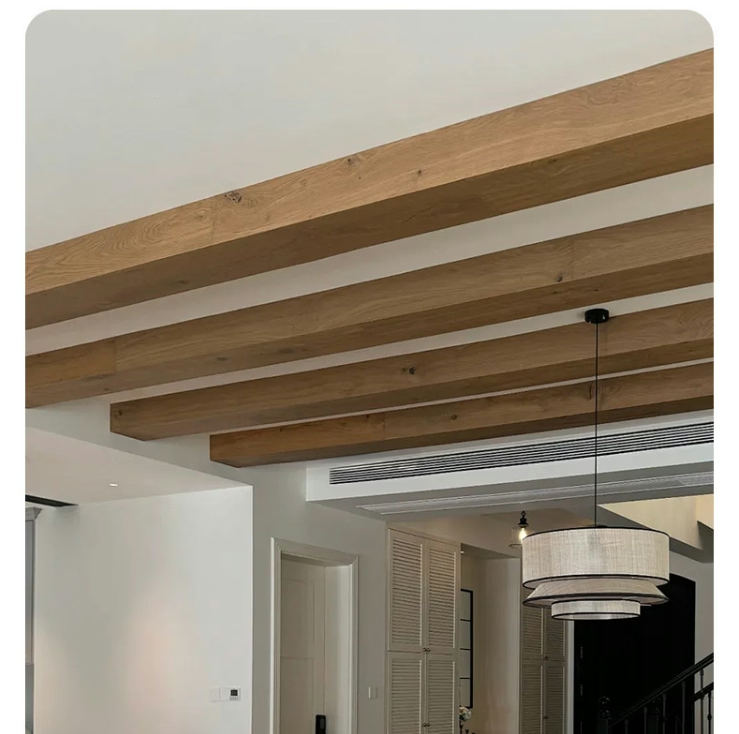
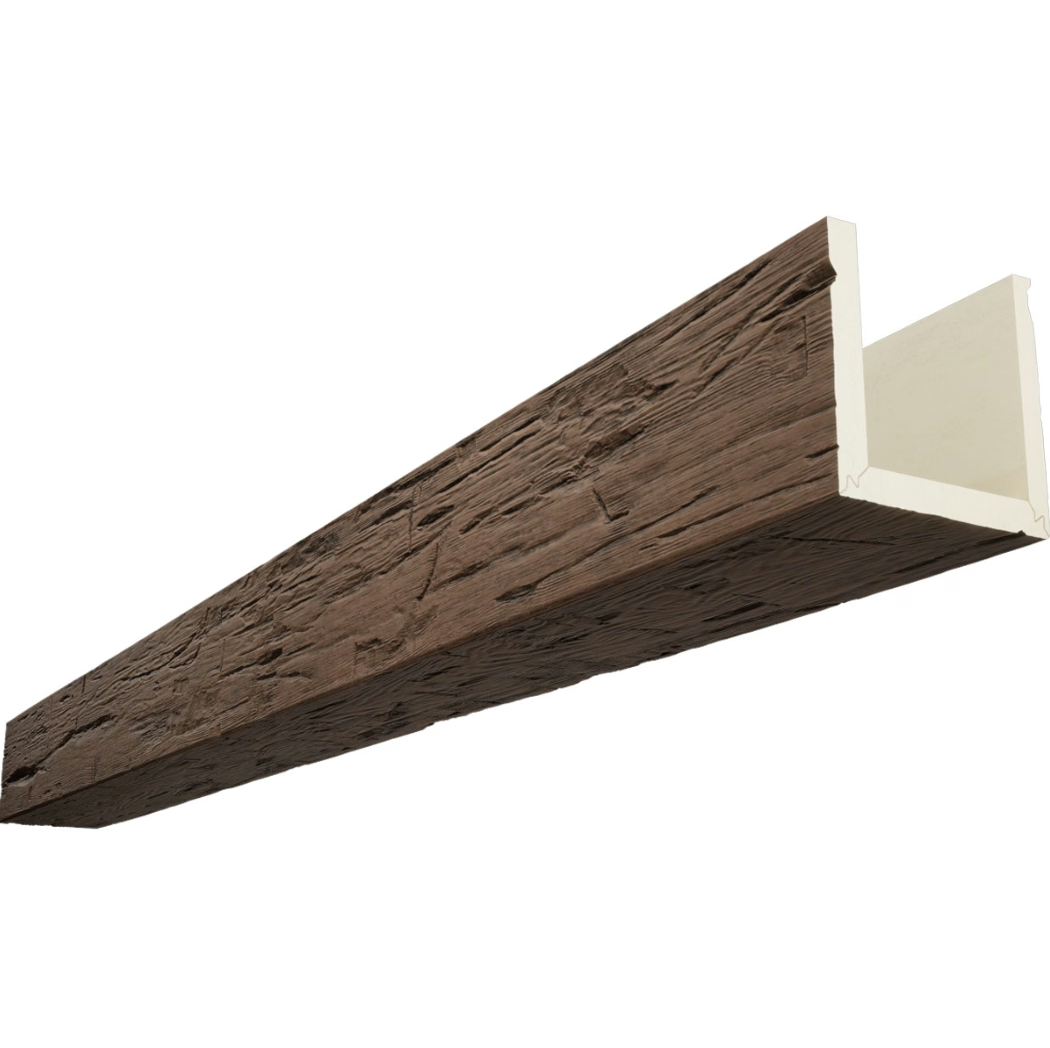
The spa and wellness industry has experienced remarkable growth as consumers increasingly prioritize self-care, relaxation, and holistic wellbeing. This expansion has raised design expectations throughout the sector, with clients expecting environments that provide immersive relaxation experiences rather than merely functional treatment spaces. Ceiling architecture contributes significantly to these experiences, with timber beams offering the organic warmth that distinguishes premium wellness destinations from clinical alternatives.
Spa interiors must balance multiple competing requirements that make material selection challenging. The humid environments created by steam rooms, saunas, and water treatments demand materials that resist moisture damage. The luxury aesthetics expected by spa clients require premium appearances that justify higher service prices. The high traffic in commercial spas demands durability that maintains appearances despite intensive use.
PU faux wood beams address these requirements through material properties specifically suited to wellness environments. The moisture resistance prevents the warping, cracking, and decay that plague genuine timber in spa applications. The realistic timber appearance satisfies client expectations for organic aesthetics. The durability ensures consistent appearances despite heavy commercial use.
Creating Relaxing Atmospheres
The psychological impact of interior design on relaxation outcomes has been extensively documented in hospitality research. Environments that incorporate natural materials, warm colors, and organic textures consistently produce greater relaxation responses than sterile clinical settings. Timber beams contribute to all three of these favorable conditions.
Color psychology influences how spa clients experience treatment spaces. Warm wood tones create inviting atmospheres that counteract the cold, clinical feeling that many healthcare-related environments produce. The organic variation in wood grain patterns adds visual interest that prevents the monotony that causes mental fatigue.
The texture of timber surfaces provides subtle sensory stimulation that enhances relaxation. Unlike smooth, flat surfaces that provide no tactile interest, wood grain creates gentle visual texture that engages without demanding attention. This passive engagement supports the meditative states that spa treatments aim to induce.
Spatial perception affects client comfort in ways that beam installations can address. High ceilings common in spa construction can feel cavernous and exposing rather than liberating and spacious. Beams add visual weight that brings ceilings closer psychologically, creating more intimate environments conducive to vulnerability and relaxation.

Moisture Resistance Advantages
Spa environments present challenging conditions for building materials due to elevated humidity levels from steam generation, water treatments, and client perspiration. Genuine timber absorbs this moisture, leading to dimensional instability, surface degradation, and eventual structural failure. Faux wood materials eliminate these concerns through inherent moisture resistance.
Steam rooms and sauna antechambers experience the most extreme humidity conditions in spa facilities. Materials installed in these areas must tolerate near-saturation conditions without deterioration. Standard faux wood formulations handle these conditions without specialized treatment, while some manufacturers offer enhanced formulations optimized for wet environments.
Ventilation system interactions with ceiling materials require consideration during spa design. Exhaust fans remove moisture-laden air but may not prevent occasional condensation on cool surfaces. Faux wood beams tolerate occasional moisture contact without the staining, warping, or mold growth that genuine timber experiences.
The maintenance requirements for moisture-resistant materials reduce operational complexity in spa environments. Staff can clean beams with standard cleaning products without concerns about moisture damage or specialized wood care treatments. This simplicity proves valuable in busy commercial operations where maintenance efficiency impacts profitability.
Treatment Room Applications
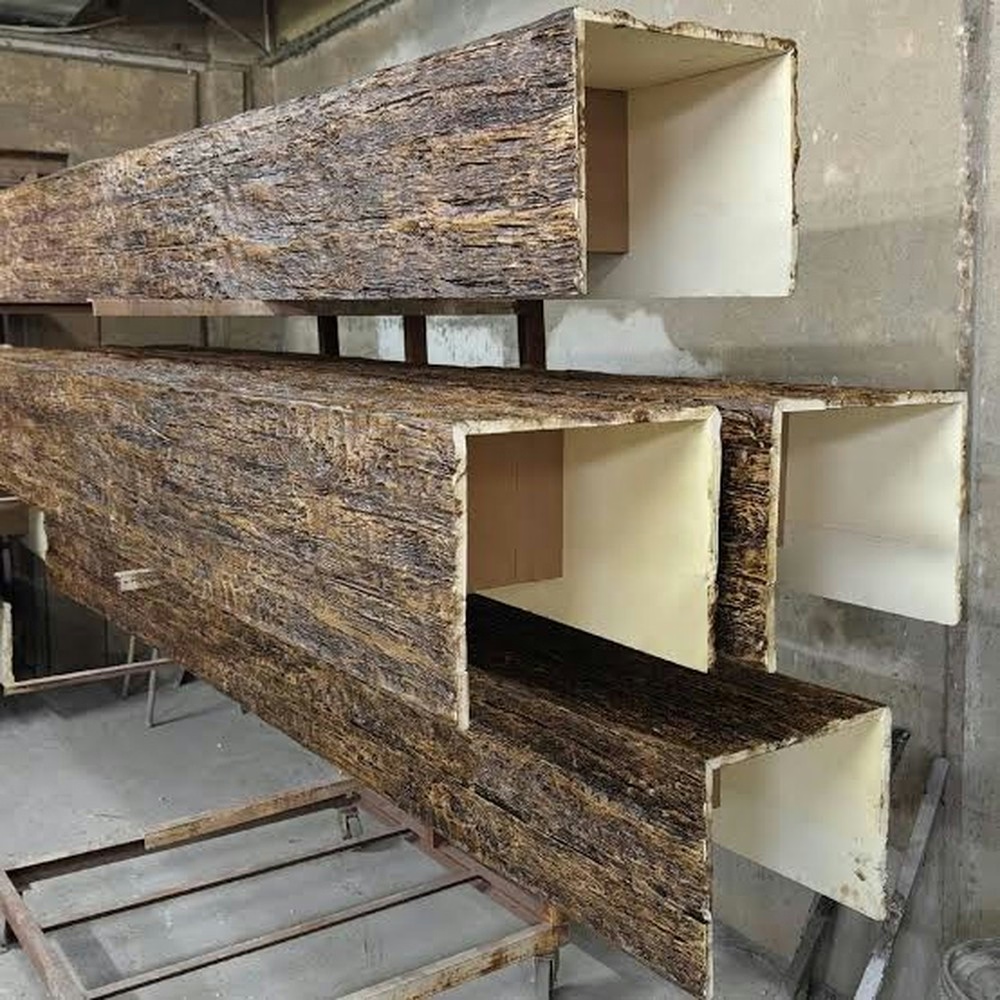
Treatment rooms where massage, facial, and body therapy services occur represent the core revenue-generating spaces in spa facilities. The design of these rooms significantly impacts client satisfaction, treatment outcomes, and repeat business. Ceiling beams contribute to treatment room environments that enhance rather than undermine therapeutic experiences.
The intimate scale of treatment rooms requires different beam approaches than larger common areas. Smaller beam profiles that might disappear in reception spaces create appropriate visual interest in treatment rooms. The beam scale should relate to room dimensions, with proportional installations creating visual harmony that supports relaxation.
Treatment lighting must accommodate service requirements while maintaining relaxing atmospheres. Beam installations can support recessed fixtures, pendant lights, or sconces depending on specific treatment needs. The beam positions should coordinate with treatment table locations to ensure appropriate lighting without shadows that interfere with therapist work.
Sound management in treatment rooms supports the quiet, meditative environments that therapeutic services require. Beam installations contribute to acoustic treatment by introducing irregular ceiling surfaces that diffuse sound reflections. This sound diffusion reduces echo and creates more private atmospheres that enable complete relaxation.
Reception and Transition Spaces
The client journey through spa facilities begins at reception and continues through transition spaces that guide clients between functional zones. These areas set initial impressions that influence how clients experience subsequent treatment spaces. Beam installations in reception areas establish design vocabulary that carries throughout the facility.
Reception counters, waiting areas, and refreshment spaces benefit from beam treatments that create welcoming atmospheres. Clients arriving from busy lives need transition time to shift into relaxation mode, and design elements that communicate calm and care support this psychological adjustment. Beams provide visual warmth that initiates the relaxation process before any treatment begins.
Corridor transitions between spa zones often feature changes in ceiling treatment that reinforce spatial distinctions. Beam installations in corridors can provide continuity with adjacent spaces while signaling transitions to different functional areas. This wayfinding function helps clients navigate facilities without confusion or stress.
Retail displays for spa products benefit from beam installations that create premium retail environments. The luxury aesthetic that beams provide elevates product presentations, potentially increasing retail sales that contribute to spa revenue. Beam treatments in retail areas should coordinate with fixture placements and lighting to maximize product visibility.
Locker Room and Wet Area Considerations
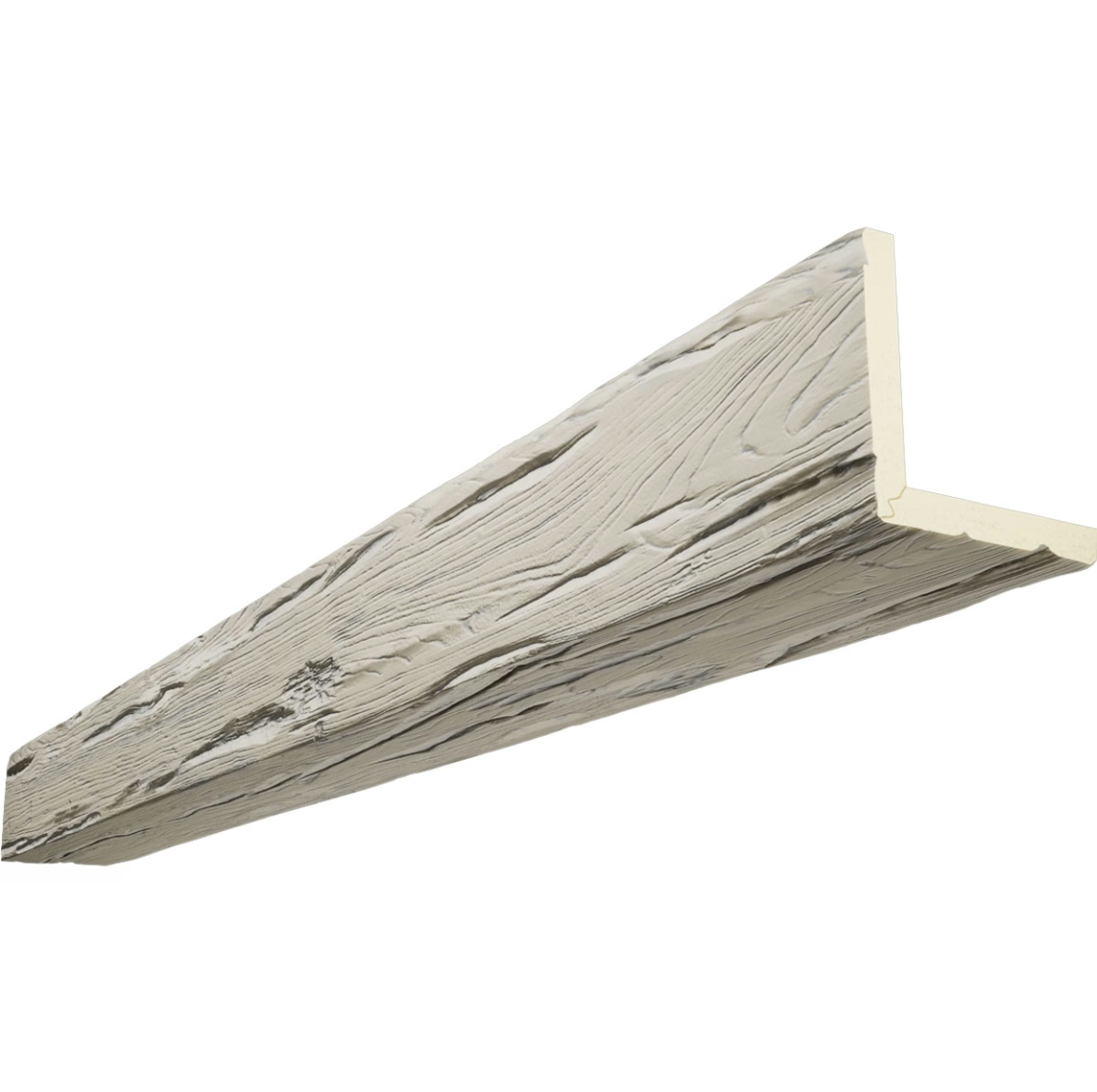
Locker rooms and changing areas present extreme moisture challenges that require careful material selection. Steam from showers, water from pool areas, and humidity from wet swimwear create constant moisture exposure that destroys most building materials. Faux wood beams handle these conditions better than genuine alternatives.
The organic aesthetics that make timber appealing in spa settings remain valuable in locker room applications. While these utilitarian spaces might seem unlikely candidates for premium finishes, design-conscious spa operators recognize that every client touchpoint contributes to overall experience quality. Lockers finished with beam-like details or ceilings with beam treatments extend the organic aesthetic throughout the facility.
Anti-microbial properties in some faux wood formulations provide additional protection in high-exposure wet areas. These formulations resist bacterial and fungal growth that might occur in constantly moist environments. Specification of appropriate materials during design phases prevents problems that would require expensive remediation.
Slate, stone, and tile surfaces in wet areas complement timber beam aesthetics through natural material associations. The combination creates cohesive design schemes that reference natural environments where water and forest coexist. This thematic consistency reinforces the holistic wellness messaging that many spa brands employ.
Technical References
ASTM standards cited in every specification
Test Data
Lab results from internal testing program
Updated 2026
Reviewed against current product specs