Studio apartments challenge designers to create distinct functional zones within undivided spaces that must serve sleeping, living, dining, and often working functions simultaneously. Every design decision must multiply impact while consuming minimal space, and ceiling treatments offer particularly efficient solutions. Faux wood beams installed in studios create the architectural division and warmth that makes compact living comfortable.
Studio Space Challenges
The absence of walls in studio apartments creates privacy and organization challenges that conventional construction addresses through permanent structure. Without physical boundaries, sound, sight, and temperature flow freely throughout spaces, undermining the distinct character that different functions require. Ceiling beams provide soft division that addresses some limitations of wall-less design.
Visual monotony afflicts many studio apartments where undifferentiated surfaces create boredom rather than interest. Ceiling treatments offer the most underutilized surface for visual enhancement, yet studios rarely exploit this potential fully. Beam installation transforms blank ceilings into architectural features that reward extended viewing.
Warmth perception in studios relates to material selection and color choices that either invite habitation or suggest sterile efficiency. The hard surfaces common in modern construction create unwelcoming environments that residents struggle to personalize. Wood-textured beams introduce the material warmth that makes studios feel like homes rather than hotel rooms.
Beam Zoning Strategies
Ceiling beams spanning across studio floor plans create visual zones that organize function without walls. A beam positioned above the bed area while leaving kitchen and living zones untreated defines sleeping space architecturally. The ceiling treatment provides the separation that walls would otherwise create.
Living zones benefit from beams that frame conversation areas and media zones. Beams positioned above sofa groupings create gathering spaces that feel defined despite the absence of enclosure. This architectural framing supports the social function that living areas serve.
Kitchen zones present particular challenges given the activity concentration and equipment mass that cooking requires. Lighter beam treatment in these areas prevents overwhelming the functional focus while maintaining design continuity with other zones. The key involves maintaining visual connection while establishing appropriate hierarchy.

Contemporary Design Compatibility
Modern studio aesthetics favor clean lines, minimal ornamentation, and functional clarity. Beam selections should honor these principles through restrained profiles that enhance without cluttering. Simple rectangular cross-sections with minimal texture suit contemporary contexts better than rustic or traditional treatments.
Monochromatic color schemes common in modern studios benefit from beams finished to coordinate with overall palette. Matching beams to ceiling planes creates subtle presence, while contrasting finishes establish beams as deliberate design elements. Both approaches work when applied consistently with overall design intent.
Integrated lighting with beam installations maintains the clean aesthetic that modern studios demand. Recessed fixtures tucked between beams, linear lighting embedded in beam profiles, and pendant fixtures suspended from beam surfaces all provide illumination without the surface clutter that mars many studio ceiling treatments.
Material Warmth Addition
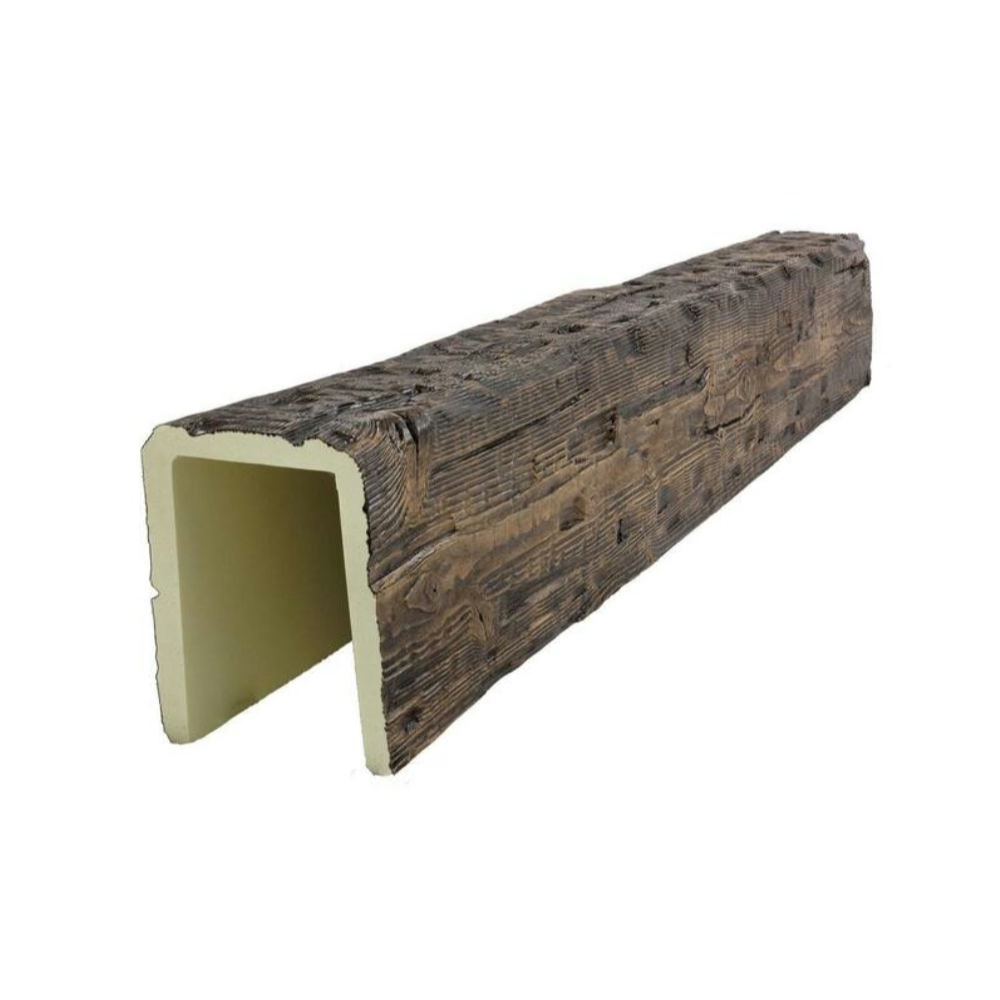
The wood texture that beams provide counters the coolness that many studio materials create. Polished concrete, laminate flooring, and manufactured stone look excellent in photographs but create demanding environments that tire residents over time. Wood-textured beams introduce organic warmth that humanizes these materials.
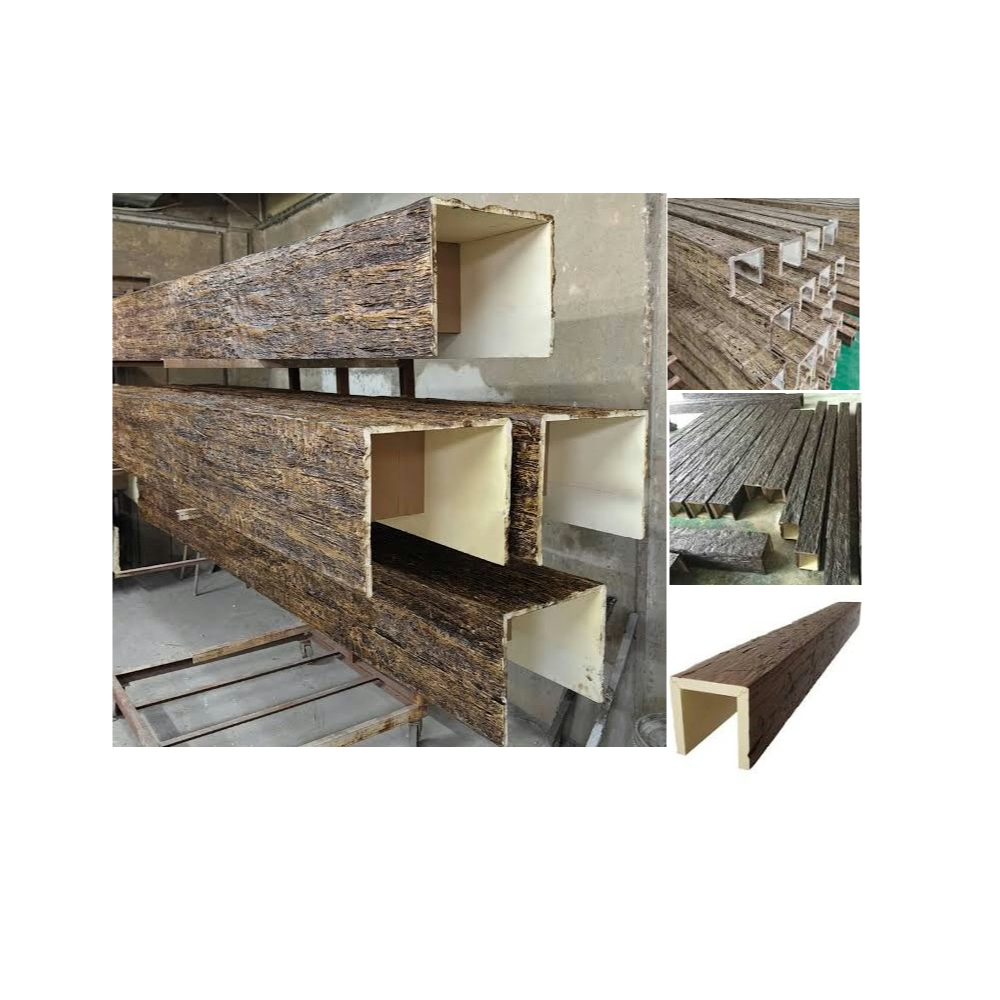
Polyurethane faux beams provide this warmth without the installation complications that genuine timber creates. The lightweight construction accommodates ceiling mounting in buildings where structural limitations might preclude heavy timber alternatives. This practical advantage makes beam installation feasible in more studio situations.
Color temperature in beam finishes affects the warmth perception significantly. Warmer wood tones in honey, amber, and terracotta add comfort that cooler gray or black stains cannot provide. Studio residents seeking maximum livability should prioritize these warmer finishes.

Scale Appropriateness
Studio apartments typically feature modest ceiling heights that require proportional beam treatment. Overscaled beams overwhelm compact spaces, creating visual weight that makes rooms feel smaller rather than larger. Measured selection that relates beam dimensions to room proportions ensures appropriate enhancement.
Lower ceiling studios benefit from beam treatments that add depth without substantial thickness. Flat panels with wood veneer, thin decorative strips, and paint-only treatments provide aesthetic benefit without physical intrusion into limited headroom. These lighter approaches extend beam benefits to the most constrained studio configurations.
Higher ceiling studios in lofts and converted industrial spaces accommodate more substantial beam treatment. The additional height provides proportional space for dramatic beam installation that would overwhelm standard apartments. These spaces often feature exposed structure that beams can complement authentically.
Investment and Value Considerations
Studio residents often face landlord approval requirements for permanent modifications. Faux wood beams installed through surface mounting or minimal permanent attachment may qualify for approval more readily than alternatives requiring structural modification. This practical consideration affects what beam treatments prove feasible.
Removability affects long-term value for residents who may relocate. Faux beams installed reversibly maintain value for future residents or property restoration. Understanding installation permanence before commitment prevents problems when circumstances change.
Quality perception through beam installation affects rental and resale value in ways that benefit property owners. Studios featuring architectural ceiling treatments command premium rents and valuations compared to undifferentiated alternatives. This value enhancement justifies investment in quality beam installation.
Faux wood ceiling beams provide studio apartments with the architectural division, material warmth, and visual interest that compact living requires. When selected and installed with studio constraints in mind, these beams transform utilitarian spaces into comfortable homes.
Technical References
ASTM standards cited in every specification
Test Data
Lab results from internal testing program
Updated 2026
Reviewed against current product specs


