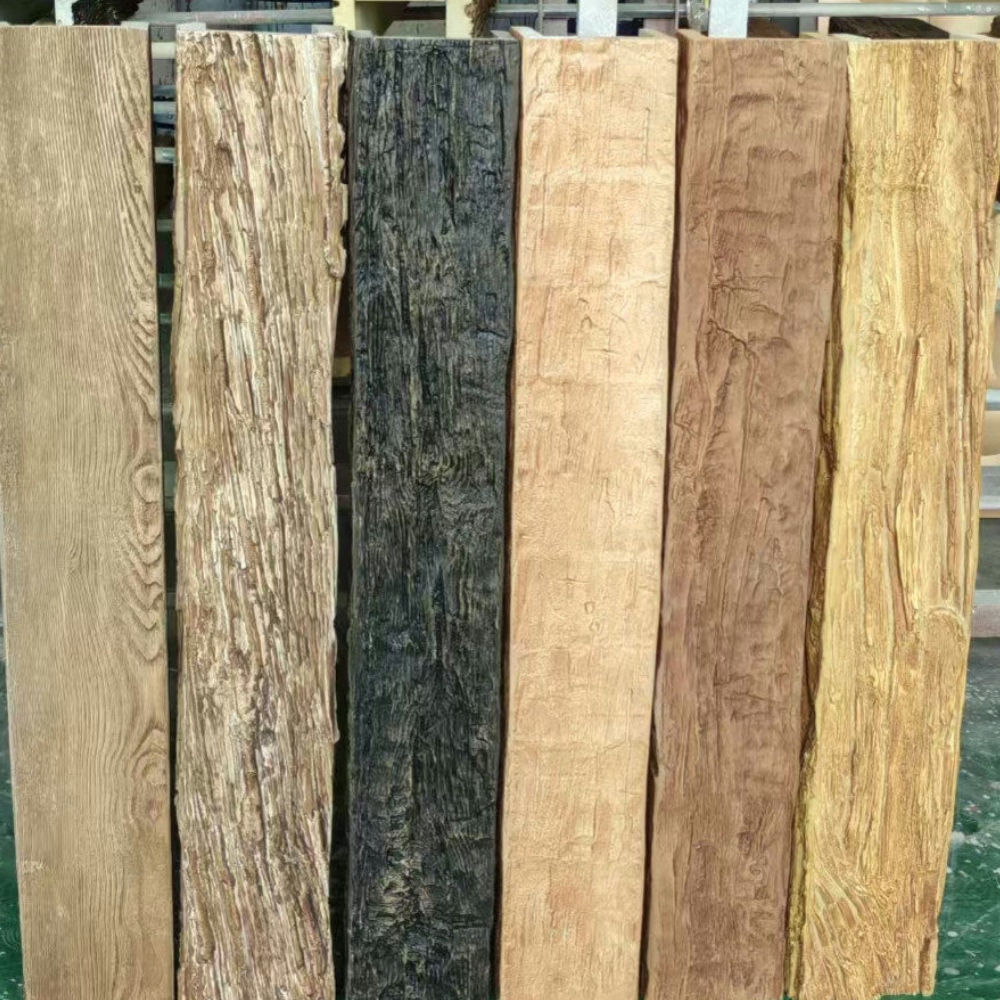
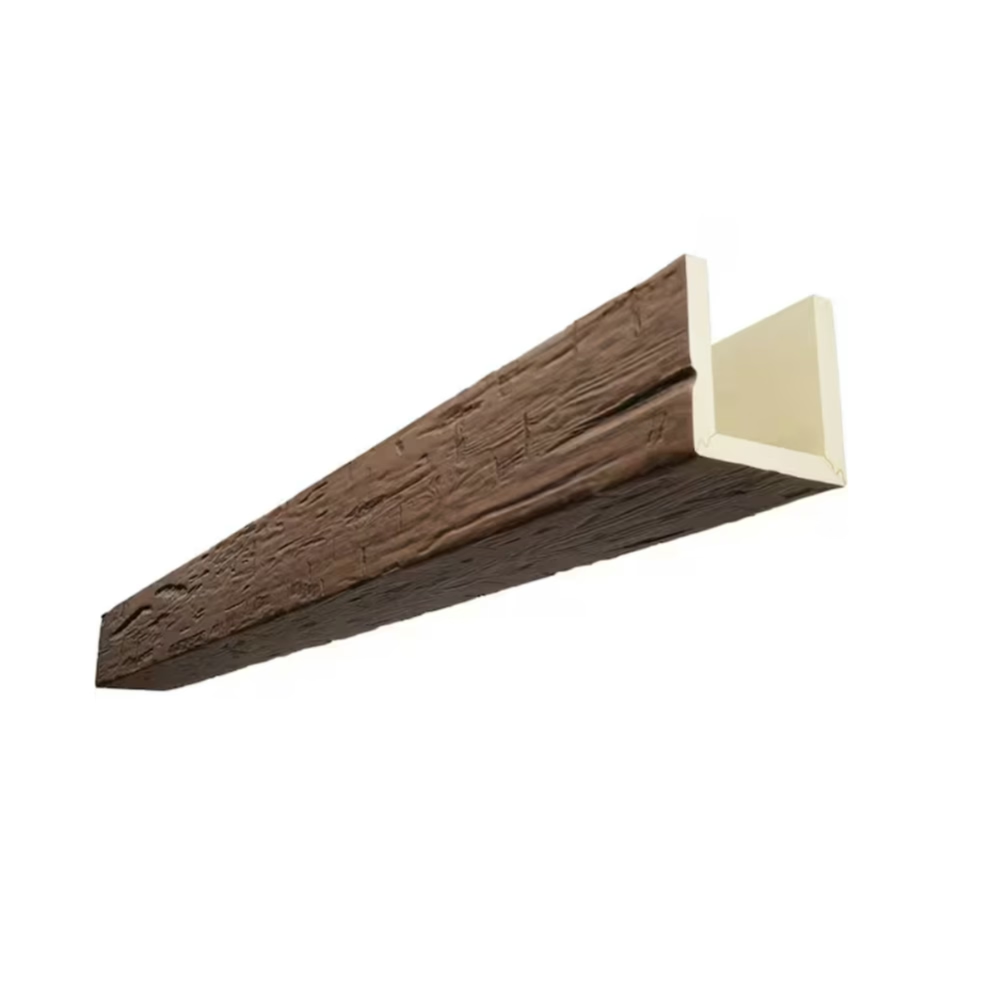
Spanish architectural tradition spans centuries and continents, from the sun-drenched villages of Andalusia to the haciendas of colonial Mexico and the Adobe homes of the American Southwest. Despite geographic separation, these traditions share essential characteristics—thick walls, sheltered courtyards, and warm interior colors that reflect the golden light of Mediterranean climates. At the heart of Spanish interior design lies the combination of terracotta tones and natural wood, a partnership that creates warmth and authenticity unmatched by contemporary alternatives. Modern faux wood beams allow homeowners everywhere to incorporate this timeless Spanish aesthetic into their spaces.
The Heritage of Spanish Interior Design
Spanish interior design evolved in response to climate, available materials, and cultural influences accumulated over centuries of trade, conquest, and migration. Indigenous building traditions merged with Moorish aesthetics, Roman engineering, and later influences from colonial relationships, creating the distinctive Spanish Colonial style that spread across the Americas.
Traditional Spanish interiors featured thick walls of adobe, stone, or plaster that provided thermal mass against hot days and cool nights. Interior colors drew from available materials—terracotta tiles, natural wood, and earth pigments that created warm, cohesive palettes. Wooden ceiling beams, typically constructed from local timber, added structural support while providing the warmth that stone and plaster alone couldn't achieve.
The characteristic Spanish ceiling beam featured rough-hewn timber, often Cypress or Pine, left natural or finished with oils that deepened their golden tones. These beams ran across ceilings at regular intervals, creating the rhythmic pattern that defines Spanish interior architecture. Their warm browns provided essential contrast against white or plaster walls, preventing the starkness that unadorned white surfaces create.
Terracotta: The Foundation of Spanish Warmth
Terracotta—the Italian term for baked earth, widely used across Spanish-speaking regions—provides the color foundation that Spanish interiors build upon. The warm red-orange-brown tones of terracotta connect interior spaces to the earth itself, creating immediate warmth that transcends mere color preference.
Terracotta appears throughout Spanish architecture in floor tiles, roof tiles, pottery, and architectural accents. This material's warmth is both visual and tactile—terracotta floors feel warm underfoot in ways that cold tile or stone cannot match. The material's slight porosity gives it a soft, lived-in quality that polished surfaces lack.
In interior walls, terracotta tones appear through paint, plaster, and decorative finishes. Spanish Colonial interiors often feature walls in warm ochre, terra cotta, dusty rose, or burnt sienna—colors derived from earth pigments that have colored Spanish spaces for centuries. These backgrounds provide the warmth against which wooden beams and furnishings read so beautifully.
Modern faux terracotta tiles and wall finishes allow homeowners everywhere to incorporate this traditional warmth. The key lies in selecting terracotta tones that coordinate with planned beam installations, creating the cohesive color relationships that make Spanish interiors so appealing.
Faux Wood Beams in Spanish Design
Authentic Spanish ceiling beams were heavy timber that supported tile or plaster roofs. Modern construction rarely requires this structural function, but the aesthetic remains highly valued. Faux wood beams provide the perfect solution, offering authentic Spanish appearance without structural requirements.
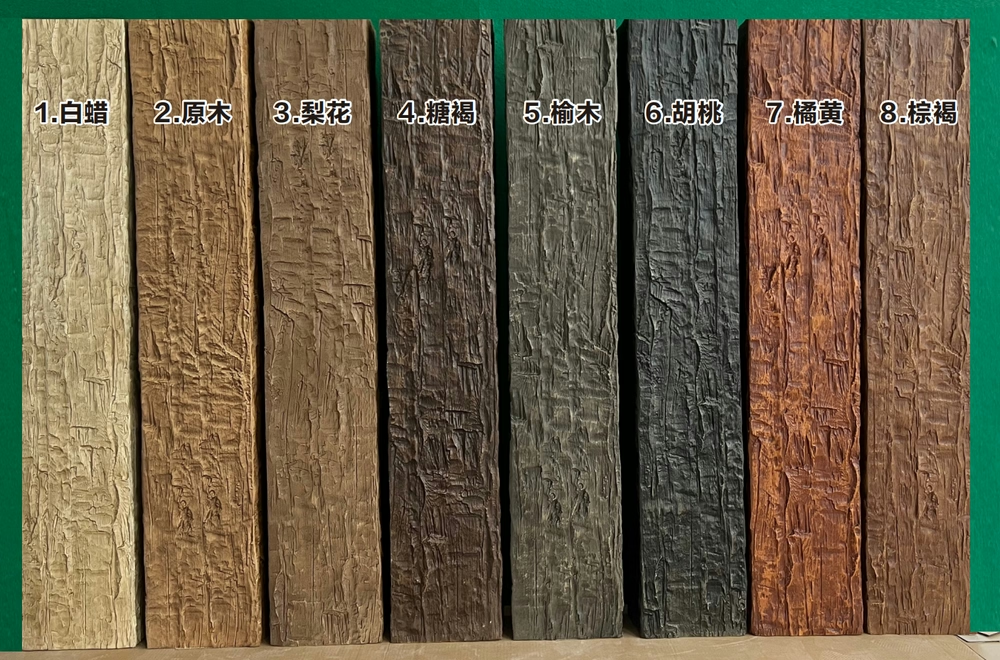
Spanish-appropriate beam finishes range from golden honey to rich walnut, encompassing the range of timber tones found in traditional haciendas. Selection depends on wall colors and overall design intensity—lighter beams complement pale terracotta or white walls; darker beams pair with deeper earth tones.
Texture plays an essential role in Spanish beam authenticity. Traditional timber featured hand-hewn surfaces with visible tool marks, natural grain, and occasional knots. Faux beams with appropriate texture details—hand-carved appearance, irregular surfaces, authentic grain patterns—achieve the rustic character that Spanish design requires.
Beam proportions in Spanish interiors tend toward substantial—thick, heavy timbers that convey solidity and permanence. This substantial quality distinguishes Spanish beam installations from the lighter treatments common in other traditions. Select beam dimensions that feel weighty rather than delicate.
Creating Authentic Spanish Atmospheres
Authentic Spanish atmosphere emerges from coordinated design choices that reinforce rather than contradict each other. Beams and walls provide the foundation; complementary elements complete the picture.
Arched openings and doorways enhance Spanish architectural character throughout interiors. While structural arches require significant construction, decorative arch details can be added to existing openings. These architectural flourishes reinforce the Spanish aesthetic while framing views between spaces.
Wrought iron accessories appear throughout traditional Spanish interiors—door hardware, light fixtures, curtain rods, and decorative elements. The dark, handcrafted metal provides visual contrast against warm wood and terracotta, creating the layered depth that defines Spanish design. Select fixtures that complement beam scale and finish.
Textiles in Spanish style feature rich colors, heavy weaves, and decorative patterns derived from Moorish and indigenous traditions. Embroidered pillow covers, woven blankets, and patterned rugs in burgundy, gold, and deep blue provide softness and color that balance hard surfaces.
Pottery and ceramics continue the terracotta theme while adding artisanal character. Display pieces in traditional forms—jars, bowls, decorative vessels—add authentic Spanish touches that connect interiors to the craft traditions that shaped original hacienda style.

Room-by-Room Spanish Design
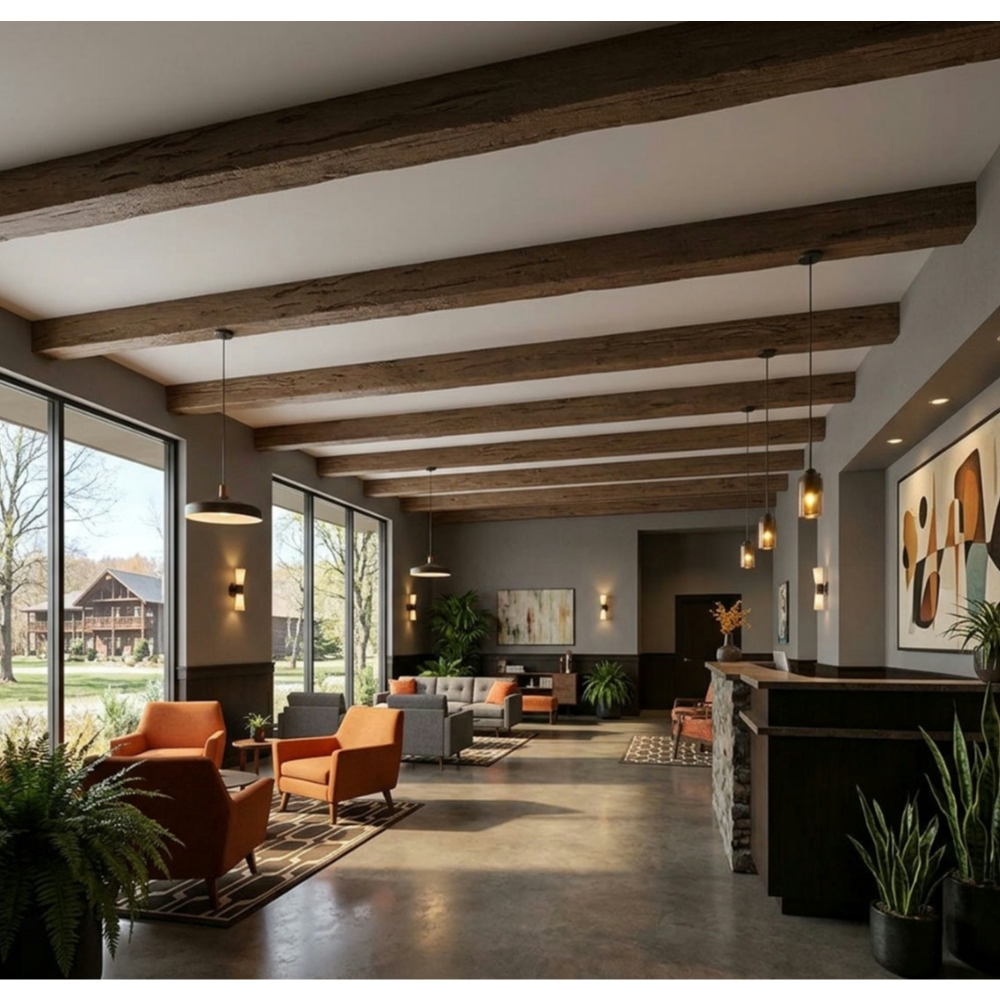
Spanish design adapts to different room functions through thoughtful variation while maintaining overall aesthetic coherence.
Living rooms in Spanish style should feel grand yet comfortable—spaces for family gathering and entertainment that honor the hospitality central to Spanish culture. Generous beam coverage overhead establishes the Spanish character immediately; terracotta walls provide warm backgrounds for upholstered furniture in leather or velvet.
Dining rooms benefit from the intimate atmosphere that Spanish beams and walls create. The warmth overhead and around perimeter walls makes extended meals feel appropriate and comfortable, encouraging the lingering conversations that distinguish memorable dining experiences. Consider Spanish-inspired light fixtures—wrought iron chandeliers or simple pendant fixtures—that reinforce the aesthetic.
Bedrooms require more restrained Spanish treatment that supports rest rather than activity. Perhaps beams only above sleeping areas, with terracotta limited to accent walls or niche details. Keep the overall effect warm but not overwhelming, creating sanctuary rather than stimulation.
Kitchens in Spanish style often feature terracotta tile on floors and walls, exposed beam ceilings, and heavy wood furniture. These practical materials handle cooking demands while maintaining Spanish warmth. Open shelving displays colorful pottery; large wooden tables accommodate family meal preparation.
Spanish Style in Contemporary Contexts
Spanish design need not require Spanish Colonial architecture or hacienda proportions. The warm, inviting aesthetic adapts well to contemporary homes seeking character and comfort.
Modern Spanish style might employ cleaner-lined furniture within traditional architectural contexts. The combination feels current while maintaining Spanish warmth. White walls with terracotta accents provide fresher backgrounds than the deeper tones of traditional Spanish interiors.
Transitional spaces with Spanish influence blend beam installations with contemporary elements. A Spanish beam ceiling coordinates with modern kitchen cabinets; terracotta wall paint complements minimalist furnishings. This hybridization broadens Spanish style's applicability without sacrificing essential warmth.
Geographic considerations affect Spanish design authenticity in different climates. Northern regions might employ lighter terracotta tones and brighter woods that compensate for reduced sunlight; southern regions can embrace deeper tones that handle abundant warmth. Adapt Spanish principles to local conditions.

Maintaining Spanish Interiors
Spanish interiors, while traditionally associated with modest hacienda living, require thoughtful maintenance that preserves their warmth over time.
Faux wood beams simplify this maintenance significantly. They resist the moisture, insect, and physical damage that real timber sustains, maintaining their appearance indefinitely with minimal attention. Regular dusting and occasional cleaning are all that beautiful Spanish beams require.
Terracotta surfaces—whether tile, paint, or plaster—need appropriate care specific to their materials. Tile floors benefit from periodic sealing that protects against staining; painted walls may need touch-ups that maintain color consistency. These maintenance tasks prove simpler than caring for natural wood.
Wrought iron elements require occasional attention to prevent rust and maintain appearance. Inspect iron fixtures periodically, addressing any corrosion before it spreads. The effort maintains the visual contrast between iron and wood that Spanish design relies upon.
The Timeless Appeal of Spanish Warmth
Spanish interior design has persisted for centuries precisely because it addresses fundamental human needs for warmth, comfort, and belonging. The combination of terracotta walls and wooden beams creates atmospheres that feel like shelter in the deepest sense—not merely roof overhead but genuine refuge from the world.
This timeless appeal transcends trends and fashion cycles. Homes featuring Spanish design elements maintain their value and character across decades, resisting the dated appearance that trendy choices inevitably acquire. The investment in authentic Spanish atmosphere pays dividends that extend far beyond immediate aesthetic satisfaction.
By combining warm Spanish-style faux wood beams with complementary terracotta walls, homeowners create interiors that honor centuries of architectural tradition while serving contemporary needs. These spaces welcome everyone who enters, promising the warmth and comfort that has made Spanish design enduringly popular across continents and centuries.
Bring Spanish warmth into your home with our collection of faux wood beams designed for Mediterranean and Spanish Colonial aesthetics. Contact us to discover how terracotta and timber can transform your interiors.
Technical References
ASTM standards cited in every specification
Test Data
Lab results from internal testing program
Updated 2026
Reviewed against current product specs