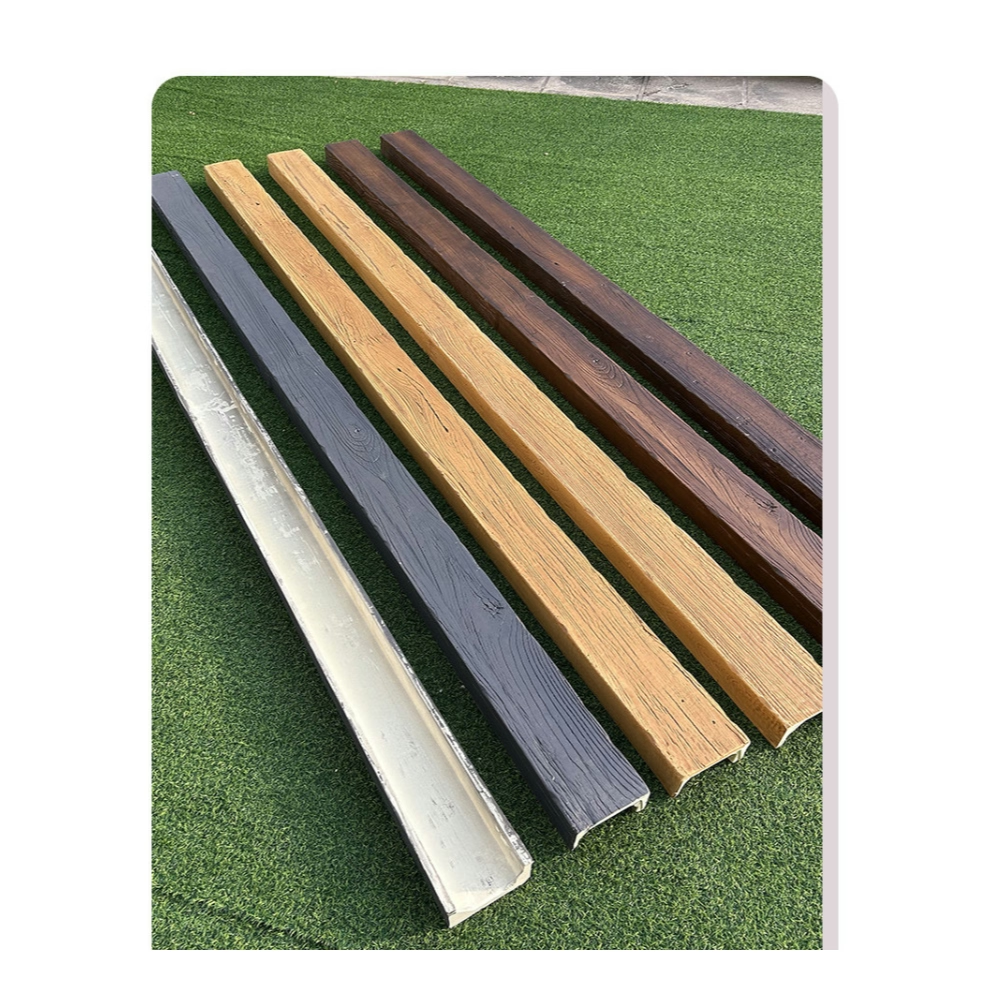
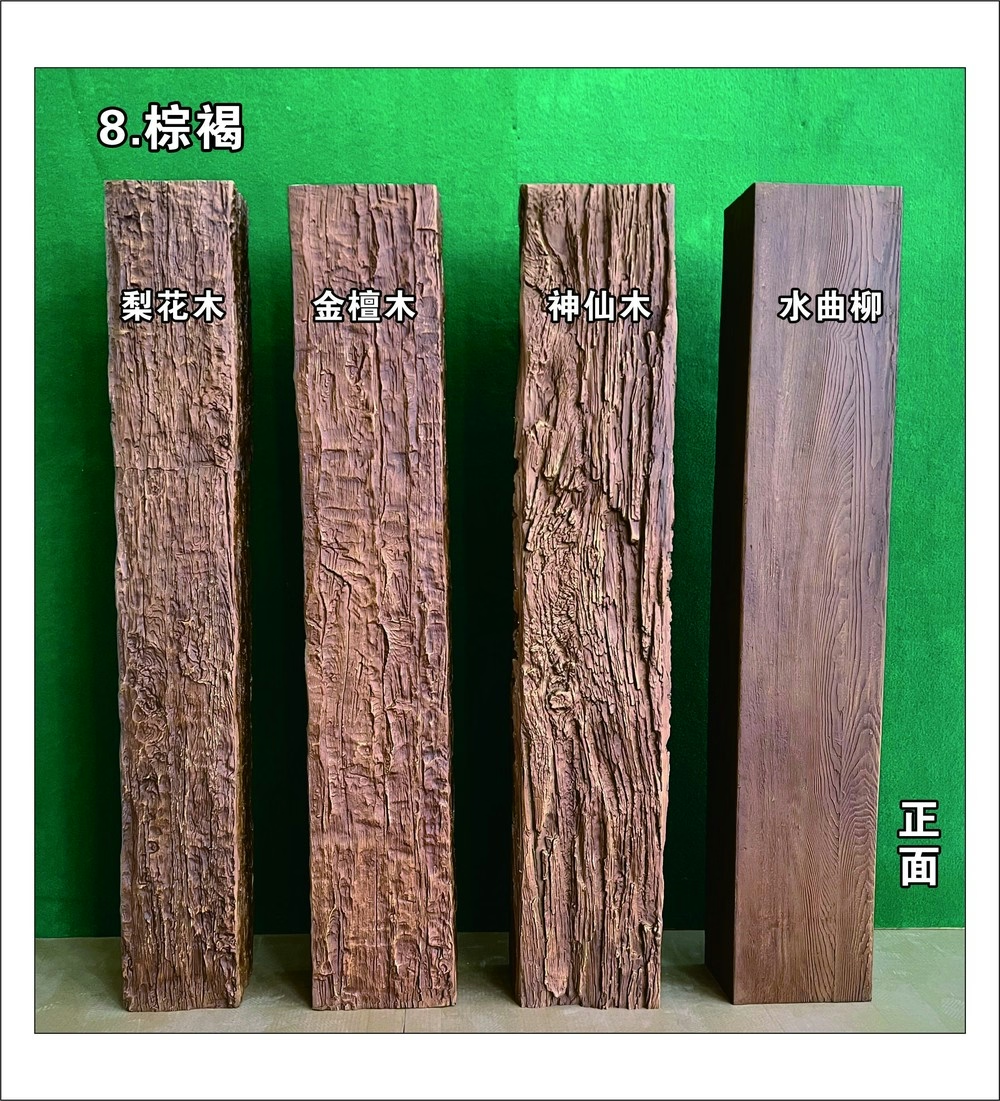
Even the most carefully installed PU faux beams occasionally suffer damage. Moving furniture, hanging decorations, or simply the friction of daily life can create scratches, chips, or gouges that blemish otherwise flawless surfaces. These surface imperfections, while minor, become glaringly obvious against the authentic wood appearance that makes faux beams attractive. Touch-up paint provides the means to address these issues, but achieving invisible repairs requires understanding color matching, application technique, and finish blending.
The Huang family's experience illustrates both the need for touch-up capability and the challenge of achieving professional results. During a routine HVAC filter change, their technician inadvertently scraped his toolbox against a prominent kitchen beam. The resulting scratch—twelve centimeters long but only a fraction of a millimeter deep—seemed insignificant until the afternoon light revealed its silver streak against the honey-toned finish. Their attempts to touch up the damage with house paint produced results worse than the original scratch: obvious patched areas that drew more attention than the damage itself.
Professional touch-up work requires matching not just color but also sheen, texture, and application method. The goal is creating repairs that integrate so completely with surrounding surfaces that observers cannot identify where damage occurred and repair began. This guide covers the techniques that enable such seamless results.
Understanding Beam Finish Systems
PU faux beams receive surface treatments during manufacturing that create their authentic wood appearance. Understanding these treatment systems guides appropriate touch-up approach.
Base coat application provides the foundational color that covers the entire beam surface. This coating, typically applied during manufacturing, establishes the primary tone that gives beams their wood-like appearance. Touch-up color must match this base coat to avoid visible patches.
Grain patterns in authentic-looking beams often result from secondary processes that add darker tones, wood grain lines, or weathered effects. These overlay treatments create the complexity that distinguishes quality beams from flat-colored alternatives. Repairs must recreate this layering to achieve seamless appearance.
Surface texture—the physical quality of the beam surface—contributes to authentic appearance as much as color does. Smooth beams reflect light differently than textured surfaces, making any repair that doesn't match texture immediately obvious. Touch-up work must address texture as well as color.
Color Matching Techniques
Accurate color matching represents the primary challenge in touch-up work. Even slight color differences become visible, particularly under natural daylight that reveals subtle variations. Several approaches improve matching accuracy.
Manufacturer-matched products provide the most reliable starting point. Suppliers who offer touch-up products designed specifically for their beams can match base coat and overlay colors consistently because they control the original finishing process. Ordering touch-up products at the time of initial purchase ensures availability when repairs become necessary.
Custom color matching services analyze beam samples and create matched products for unique finishes. These services, offered by some paint suppliers and beam manufacturers, produce exact matches that simplify repair work. While more expensive than standard products, custom matches eliminate the frustration of near-misses.
DIY color matching requires careful approach when pre-matched products aren't available. Starting with the lightest tone that approximates the beam color, adjustments through trial applications on inconspicuous areas guide refinement toward accurate match. This approach demands patience but can achieve acceptable results for minor repairs.

Application Methods for Different Damage Types
Different damage patterns require different application approaches for optimal repair results. Matching the technique to the damage type ensures efficient work that produces seamless outcomes.
Scratch repair typically requires thin applications that fill the damaged groove without building excess material on surrounding surfaces. Fine-tipped applicators or artist's brushes allow controlled application that follows the scratch precisely. Multiple thin coats build fill without creating obvious raised areas.
Chip repair presents the challenge of rebuilding missing material. Deep chips may require filling with appropriate compounds before paint application. Surface chips can be addressed through careful paint layering that builds to surrounding surface level. The goal is achieving flush repair without visible edges where damaged and intact surfaces meet.
Gouge repairs—the most severe common damage type—may require combination approaches involving filler, primer, and topcoat. Structural foam fillers can rebuild missing sections, followed by texture matching and color application. These repairs demand the most skill but can achieve professional results with patient work.
Blending Repairs with Surrounding Surfaces
Perfect color match alone doesn't guarantee invisible repairs. The repair must also blend with surrounding texture, sheen, and aging characteristics to achieve seamless integration.
Sheen matching proves particularly challenging when surrounding surfaces have aged differently than the repair area. New paint application typically produces higher gloss than aged finishes, making fresh repairs obvious. Flatting agents or careful topcoat selection addresses this issue, bringing repair sheen into alignment with surrounding surfaces.
Texture matching recreates the physical surface quality that affects light reflection. Textured beams require texturing compounds or techniques that approximate original surface character. Smooth beams require careful application that avoids brush marks or roller texture that surrounding surfaces lack.
Aging effects develop over time on beam surfaces, creating slight color variations that contribute to authentic appearance. New repairs lack this aging, making them stand out initially. Patience allows natural aging to reduce visibility; topical aging treatments can accelerate this process for impatient homeowners.
Professional Touch-Up Kits
Commercial touch-up kits provide coordinated products designed to work together for specific beam finishes. These kits typically include multiple color options, application tools, and instructions for common repair scenarios.
Single-source kits from beam manufacturers offer the advantage of coordinated products designed for specific beam lines. The same supplier who provided the original beams can supply matching repair products, ensuring color and texture compatibility throughout the product line.
Universal repair kits provide versatility across multiple beam colors but may sacrifice accuracy for any specific application. These kits typically include multiple base colors that can be mixed, plus texture compounds and application tools. Success requires more skill than single-color matching but provides capability for repairs across different beam types.
Custom kit assembly allows matching specific products to individual beam requirements. Collecting base coat, grain color, texture compound, and appropriate applicators creates a custom kit matched to specific beam products. This approach suits professional installers who work with consistent product lines.
Preventing Future Damage
While touch-up capability addresses past damage, preventing future issues extends the beautiful appearance of beam installations. Simple preventive measures reduce repair needs significantly.
Furniture movement protocols that include padding on all contact points prevent scratches and impacts that damage beam surfaces. Communicating these requirements to all household members and service personnel reduces accidental damage probability.
Installation planning that locates beams away from high-traffic areas prevents damage from routine activities. Beams installed above comfortable head height suffer less accidental contact than those positioned at body level or lower.
Protective clear coats applied over original finishes add a layer of protection that simplifies future touch-up and extends time between repairs. These treatments cost money initially but pay returns through reduced maintenance requirements.
Technical References
ASTM standards cited in every specification
Test Data
Lab results from internal testing program
Updated 2026
Reviewed against current product specs