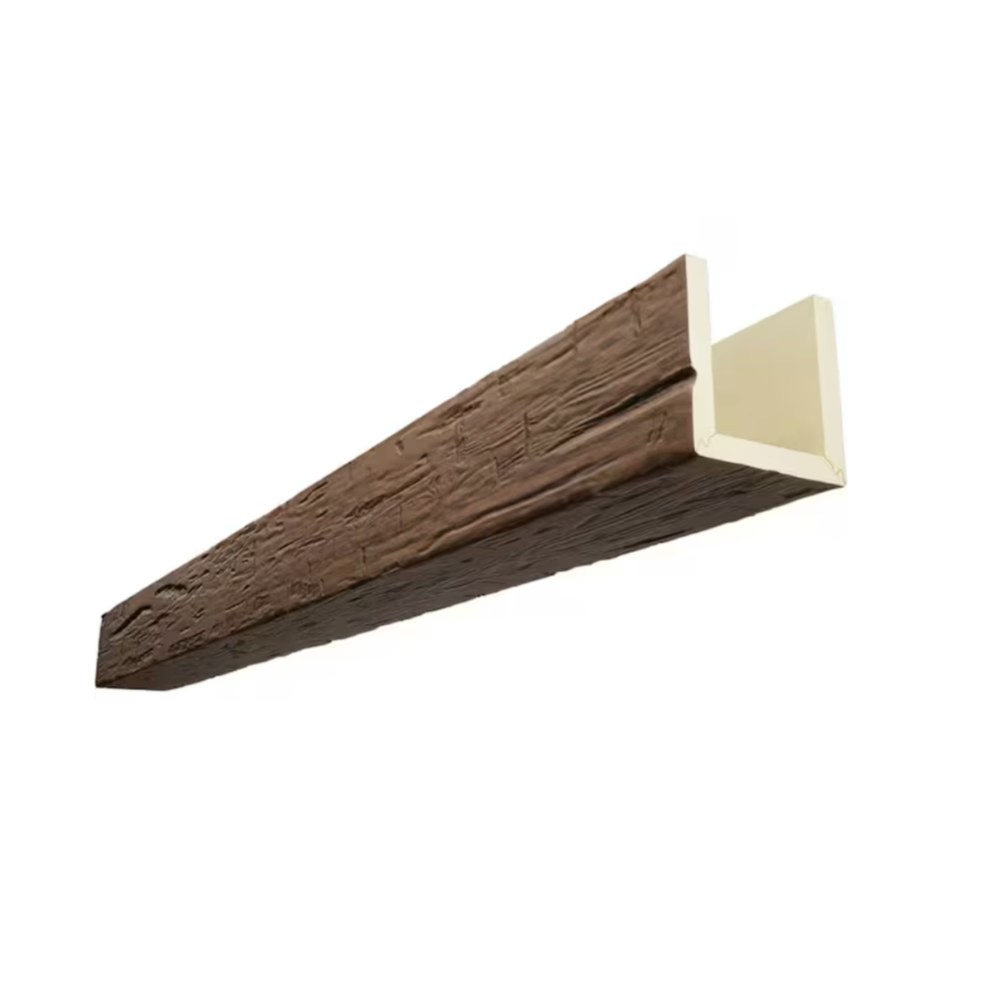
After a long winter spent mostly indoors, spring's arrival brings with it an irresistible urge to freshen up, declutter, and breathe new life into living spaces. Ceilings — often the most neglected surface in a room — offer some of the highest-impact renovation opportunities available to homeowners. Adding or enhancing faux ceiling beams is a project that can completely redefine a room's character, and spring's natural sense of renewal makes it the perfect season to tackle this kind of transformative upgrade.
Why Spring Is the Ideal Renovation Season
Spring offers practical advantages for ceiling beam installation that winter simply cannot match. Most PU beam installations require adhesive cure times that are optimized at moderate temperatures and normal humidity levels. Cold, dry winter air can extend cure times and affect adhesive bond quality, while the high humidity of summer can create its own challenges. Spring's typically mild, moderate conditions create an ideal environment for adhesives, finishes, and general installation work.
Beyond the practical considerations, spring's natural palette — fresh greens, bright whites, warm sunlight — provides inspiration for design choices. Homeowners who associate spring with renewal are naturally inclined to embrace more dramatic changes than they might consider during other seasons, making spring an ideal time to undertake a project as transformative as adding timber-style ceiling beams.
Transforming Living Rooms with Beams
The living room is perhaps the most common space where faux beams make a dramatic impact, and spring renovation planning is the perfect time to consider the possibilities. A room that feels cramped or flat with a plain ceiling suddenly gains depth and dimension when beams are introduced. The visual weight of timber-style beams anchors the room, creating a sense of coziness and permanence that resonates with the spring mood of growth and new beginnings.
For spring, consider lighter beam finishes that complement the season's brightness. Natural oak finishes, honey-toned stains, and weathered whitewash looks all pair beautifully with the light-filled, airy aesthetic that spring interiors demand. Avoid extremely dark beams unless the room's existing palette and lighting can support them without creating a heavy, closed-in feeling.
Beam placement in living rooms should follow the room's architectural lines. If the room has a long axis defined by windows or a fireplace, running beams perpendicular to this axis creates a pleasing cross-hatch pattern. If the room is square, parallel beams running across the shorter dimension can make the space feel wider and more generous. Working with the room's natural proportions, rather than against them, ensures that the beams enhance rather than disrupt the space.

Kitchen and Dining Room Beam Ideas
Kitchens and dining rooms benefit equally from faux beam installations, though the design considerations differ somewhat from living room applications. These spaces are often characterized by cleaner, more streamlined aesthetics, and the beams should complement rather than overwhelm the cabinetry, countertops, and appliances that define the room's functional character.
In farmhouse and transitional kitchen styles, exposed beams are a natural fit that aligns with the aesthetic expectations of the design. For more contemporary kitchens, a lighter touch — perhaps beams in a narrow profile, a subtle texture, and a neutral finish — adds warmth without introducing rustic elements that might clash with the clean lines of modern cabinetry.
The dining room above a long table presents an ideal opportunity for a single dramatic beam or a parallel pair of beams running perpendicular to the table's length. This creates a visual frame for the dining area that draws attention to the table as the room's focal point and reinforces the sense of occasion that dining together deserves.
Spring dining room design might incorporate flowers, fresh linens, and natural textures alongside the beams. A ceiling with warm-toned beams becomes a perfect backdrop for spring tablescapes, combining the organic feel of natural materials with the architectural precision of well-designed faux beams.
Bedroom and Bathroom Beam Applications
Ceiling beams are not limited to common areas. In master bedrooms, a beam across the ceiling above the bed creates a canopy-like effect that adds intimacy and architectural interest without the complexity of a traditional canopy bed structure. The beam provides a visual anchor that helps define the sleeping area within a larger room, particularly in open-plan bedroom layouts.
For spring bedroom renovation, consider the mood you want to create. Light, natural finishes contribute to a fresh, airy atmosphere that supports the season's emphasis on renewal and lightness. For a more grounded, cozy feel — appropriate for master suites where relaxation is the priority — richer wood tones in medium to dark finishes create a sense of enveloping comfort.
Bathrooms present unique considerations for beam installation due to the high humidity environment. PU faux beams are an excellent choice for bathroom applications precisely because they are not susceptible to the rot, mold, and insect damage that can affect real timber in humid conditions. For steam rooms and saunas, verify that the beam product is rated for high-temperature, high-humidity environments before specifying.


Planning Your Spring Renovation Project
Before beginning a beam installation project, take time to understand the scope of work involved. Removing any existing ceiling treatments, repairing the underlying surface, and installing the beams themselves can be accomplished in a long weekend by experienced DIY installers, or in a single day by professional tradespeople. Planning for any electrical modifications — adding fixtures, running wiring for integrated lighting — should happen during the planning phase, not discovered during installation.
Setting a realistic budget includes accounting not just for the beams themselves but for any associated costs: mounting hardware, finishing materials, professional installation if needed, and any ceiling repairs that become necessary when the old treatment is removed. Getting a clear picture of the total project cost early in the planning process prevents surprises and allows for informed decisions about scope and finishes.
Spring's mild weather also makes it practical to open windows and doors during finishing work, improving ventilation for stain and sealant application while creating the fresh-air feeling that makes spring renovation so satisfying. This is the season to open up spaces, bring in natural light, and create interiors that feel as fresh and full of possibility as the world outside.
Technical References
ASTM standards cited in every specification
Test Data
Lab results from internal testing program
Updated 2026
Reviewed against current product specs