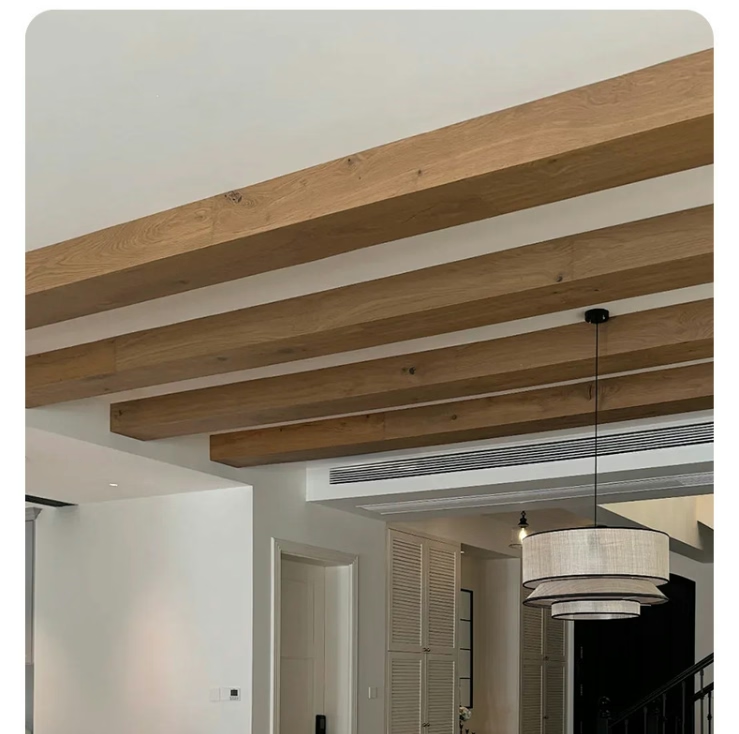
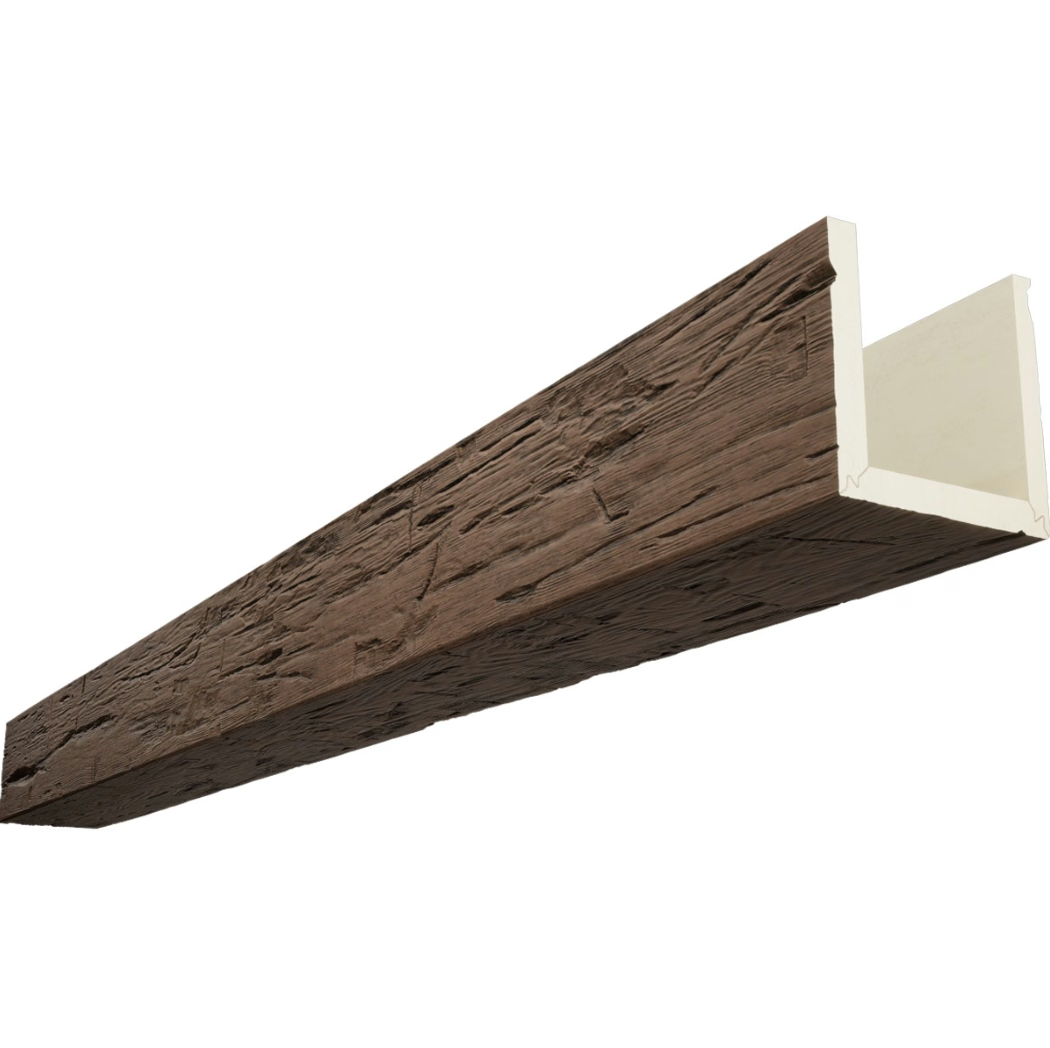
Interior decorators and design professionals operate in a world where every specification matters, every deadline is real, and every product choice reflects on their professional reputation. When it comes to specifying faux timber beams for client projects, the stakes are higher than a casual homeowner's selection. A beam that arrives with the wrong finish, doesn't match the sample, or arrives too late for the scheduled installation creates cascading problems that decorators cannot afford. Finding a supply partner who understands these professional realities is one of the most important business decisions a decorator can make.
What Professional Decorators Need From Suppliers
The decorator's supply relationship is fundamentally different from a retail customer's. Rather than browsing inventory and selecting from available options, decorators typically begin with a specific design intent and need a supplier who can deliver to that intent — even when it involves custom finishes, non-standard dimensions, or specialized configurations.
Sample accuracy is the foundation of this relationship. A decorator selects products based on samples that represent what will actually be installed. When the delivered product matches the sample, the installation proceeds smoothly and the client's vision is realized. When the delivered product differs from the sample — in color, texture, or profile — the decorator faces difficult conversations with the client and potentially costly revisions.
This means decorators need suppliers who take sample management seriously, who maintain tight tolerances between sample and production runs, and who communicate proactively when any deviation from the sample is anticipated. A phone call warning that a color batch has shifted is far more valuable than a delivered shipment that does not match the sample.
Customization and Bespoke Capabilities
Professional projects frequently require customization that goes beyond choosing a finish from a catalog. A decorator working on a high-end residential project may need beams in a specific color matched to existing woodwork, in a non-standard profile that matches historic millwork, or with integrated features such as lighting channels or decorative metal splice plates.
Suppliers who can accommodate these custom requirements are more valuable to decorators than those who sell only from a fixed catalog. This does not necessarily mean every customization requires a completely custom production run — many adjustments can be achieved through finish modification, custom machining, or assembly of standard components in non-standard configurations. The supplier's ability to understand the design intent and propose practical solutions is what matters most.
Lead times for custom products need to be factored into project schedules from the beginning. Custom finishes typically require two to four weeks of additional production time. Custom profiles or tooling modifications can extend lead times significantly. Decorators who build these timelines into their project plans avoid the stress of last-minute rushing and the premium costs often associated with expedited orders.
Communication and Project Management
The rhythm of a decorator's work involves frequent changes, updates, and clarifications as a project progresses from concept to completion. A supply partner who can respond quickly to inquiries, provide accurate availability information, and update order status promptly makes this process much smoother than one who is slow to respond or provides vague information.
Email communication is the baseline expectation, but for time-sensitive projects, access to real-time order tracking, instant messaging with account representatives, and direct access to production scheduling information can make a significant difference. Suppliers who invest in customer-facing technology that supports these needs demonstrate an understanding of how professional decorators work.
Escalation procedures are important to establish before they are needed. When a problem arises — a damaged shipment, a quality issue, a delivery delay — the decorator needs to know exactly who to contact and what response time to expect. A supplier with a clear, responsive escalation process turns potential crises into manageable situations.
Sampling Programs for Design Professionals
Most reputable suppliers offer sampling programs specifically designed for design professionals. These programs typically include complimentary or discounted samples for specification purposes, larger display samples for client presentations, and sample holds that reserve specific product batches for the duration of a project.
The sample hold is particularly valuable for long-duration projects. A decorator who specifies a specific beam product and finish for a project beginning in six months needs assurance that the product will still be available and consistent when the installation date arrives. Sample holds, backed by production planning from the supplier, provide this assurance. Understanding the supplier's product discontinuation policies and advance notice requirements for discontinued items helps decorators plan accordingly.
Building the Professional Relationship
The most productive decorator-supplier relationships are built over multiple projects, with each successful collaboration deepening the mutual understanding and trust. A decorator learns which supplier offers the best products for each application, which finishes are reliably available, and which configurations require extra lead time. The supplier learns the decorator's preferences, communication style, and quality expectations.
Referrals within the design community are powerful, and suppliers who consistently serve decorators well benefit from word-of-mouth recommendations that no marketing budget can buy. Decorators who find a supply partner they trust become loyal customers and active promoters, creating a commercial relationship that benefits both parties for years.
For decorators working on international projects, finding suppliers with export experience is essential. International projects involve additional complexity — customs documentation, export packaging requirements, extended shipping times — that suppliers without export experience may struggle to manage. A supplier who can navigate these requirements smoothly transforms what could be a logistical nightmare into a manageable process.
Technical References
ASTM standards cited in every specification
Test Data
Lab results from internal testing program
Updated 2026
Reviewed against current product specs