Creating visual harmony between ceiling beams and flooring represents one of the more satisfying challenges in interior design. When these two major horizontal planes share a cohesive color story, the entire room achieves a sense of intentional design that guests immediately perceive, even if they cannot articulate why the space feels so well put together. Polyurethane faux wood beams offer unique advantages in achieving this coordination, thanks to their consistent surface properties and predictable stain acceptance.
The first step in matching beams to floors involves analyzing the existing wood carefully. Hardwood floors typically display color variations across their surface, with some boards appearing lighter or darker than others. Identifying the dominant tone, the range of variation, and the undertones present guides stain selection. A floor with prominent golden oak tones requires different stain treatment than one with cool gray-brown ash coloring.
Natural wood floors also show grain patterns that influence perception of color depth. Wide, dramatic grain creates visual texture that makes color appear more complex and multi-dimensional. Faux beams, even with texture embossing, present color more uniformly, which can read as flat or artificial if not properly addressed. Understanding this difference helps designers compensate appropriately during the finishing process.
Analyzing Your Floor's Color Profile
Observing hardwood floors in different lighting conditions reveals important characteristics that affect stain matching. Direct sunlight brings out warm undertones, while fluorescent lighting can introduce green or blue casts. Incandescent lighting emphasizes golden and amber tones. Testing stain samples under the actual lighting conditions present in the room prevents unpleasant surprises after installation.
The age of the floor also matters significantly. Older hardwood typically develops patina through accumulated wear patterns and oxidation, giving color additional complexity that freshly stained beams will lack initially. New polyurethane beams arrive with a pristine, almost too-perfect appearance. Aging techniques like light sanding in high-wriction areas or applying subtle glaze layers can bridge this gap between new and established wood.
Documenting the floor's color using professional photography helps maintain consistency if future work requires matching again. Taking photos in the room's primary lighting, holding the camera parallel to the floor surface, and including a color reference card in one frame creates a reusable reference. These images prove invaluable when ordering additional beams or touching up finishes years later.
Selecting and Testing Stain Colors
Starting with stain samples on scrap polyurethane material provides the most reliable path to successful matching. Most home improvement stores carry small cans of stain in various colors, allowing experimentation without significant investment. Testing multiple colors and combinations identifies the formula that best captures the floor's character before committing to full-beam application.
Layering stains creates color depth that closely mimics natural wood appearance. Beginning with a base coat in the general color family, allowing thorough drying, then applying a darker accent stain in targeted areas builds complexity. This technique works particularly well for hardwood floors with pronounced grain patterns, where darker color concentrated along grain lines creates the illusion of texture.
Wiping technique significantly influences final appearance. Aggressive wiping removes more stain, producing lighter results, while leaving stain to penetrate longer before wiping yields deeper color. Working in sections small enough to maintain consistent timing across each beam ensures even results. Inconsistent timing produces visible lap marks where color shifts across the beam length.

The Role of Grain Texture in Perceived Color
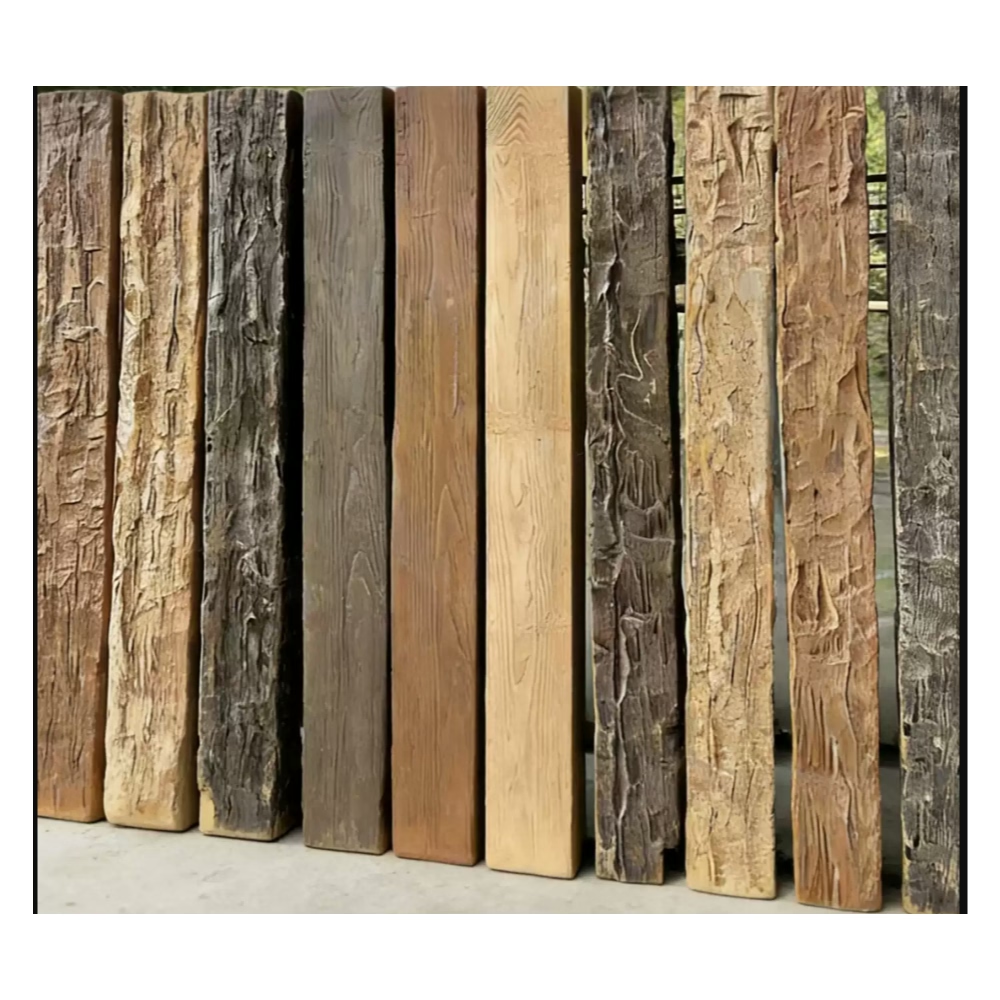
Embossed grain texture on polyurethane beams creates authentic wood appearance, but this texture affects how stain color is perceived. Grooves and ridges catch light differently than flat surfaces, naturally appearing darker or lighter depending on viewing angle. This phenomenon mirrors how natural wood grain creates visual interest through light interaction rather than pure color variation.
Strategic stain application can emphasize or minimize this textural effect. Applying slightly less stain into recessed areas creates natural-looking shadow that enhances the timber illusion. Conversely, filling texture grooves completely with stain produces a smoother appearance that some designers prefer for contemporary installations. The choice depends on the overall aesthetic goal and the style of the existing floor.
Some installers use two-tone finishing techniques where a base stain fills texture while a contrasting glaze highlights raised grain surfaces. This method creates dramatic visual separation that reads as aged, weathered wood character. Other projects benefit from the subtle approach where stain color appears uniform but natural grain illusion remains through surface texture alone.
Coordination Strategies for Multi-Space Installations
Open floor plans present particular challenges when beams must coordinate with floors spanning multiple functional zones. Kitchen hardwood often differs from living area flooring, yet beams cross these boundaries continuously. Resolving this requires either selecting a neutral beam color that harmonizes with both floor types or treating separate beam sections independently.
Choosing beam color based on the largest floor area typically produces acceptable results, with smaller zones accepting minor variation. A kitchen island peninsula surrounded by living space hardwood might feature beams matching the broader living area, with kitchen backsplash or cabinet finishes providing the coordinating element. This approach accepts slight imperfection in favor of overall design coherence.
Transitional spaces like hallways connecting different flooring materials benefit from beam color that bridges the gap between adjacent colors. A hallway floor transitioning from dark walnut living room to light oak bedrooms might feature medium-toned beams that relate to both without matching either precisely. This strategy provides design continuity while acknowledging natural floor variation.
Maintenance Considerations for Stained Beams
Once beams are successfully matched and installed, protecting that finish ensures long-term satisfaction. Unlike hardwood floors that can be sanded and refinished periodically, polyurethane beams require different maintenance approaches. Preventing staining from above (water damage from roof leaks, cooking grease in kitchen locations) provides the best protection.
Light dusting and occasional cleaning with soft cloths maintains appearance without damaging stain finishes. Harsh chemical cleaners can strip or dull stain coatings, so testing any new cleaning product on an inconspicuous area first prevents accidental finish damage. PH-neutral cleaners designed for wood surfaces work well for routine maintenance without risking finish degradation.
Touch-up capability matters for long-term maintenance. Keeping records of exact stain products and formulas used enables perfect matching if damage repair becomes necessary. Small scratches can often be addressed with localized stain application, while more significant damage might require professional refinishing of individual beams. The flexibility to address issues without replacing entire beams represents a significant advantage of the staining approach.

Matching polyurethane faux wood beams to existing hardwood floors requires attention to color analysis, testing methodology, and finishing technique. The investment in proper planning and execution pays dividends through seamless interior design that enhances rather than interrupts the visual flow of living spaces. Whether coordinating new beam installations with established floors or completing full-room renovations, these staining techniques ensure professional-quality results.
Technical References
ASTM standards cited in every specification
Test Data
Lab results from internal testing program
Updated 2026
Reviewed against current product specs


