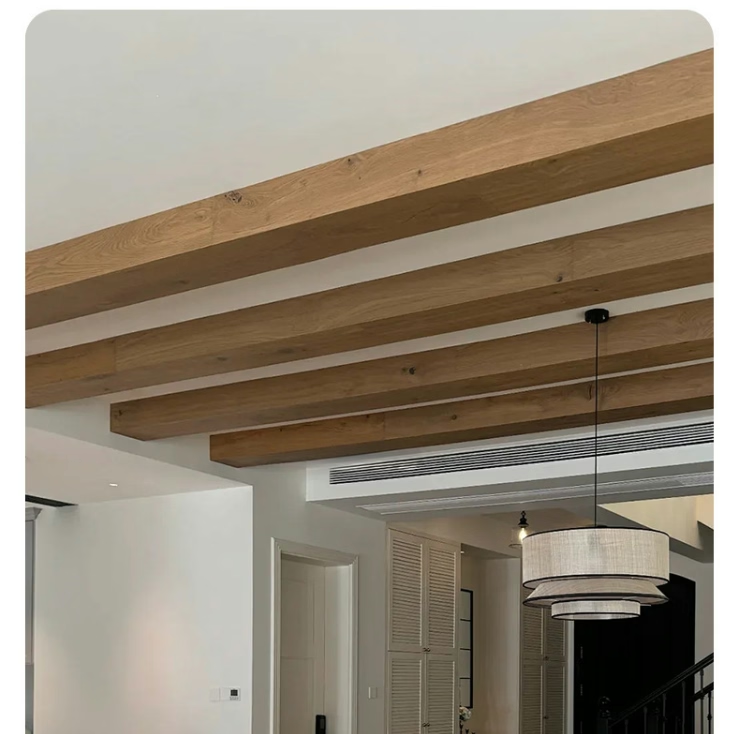
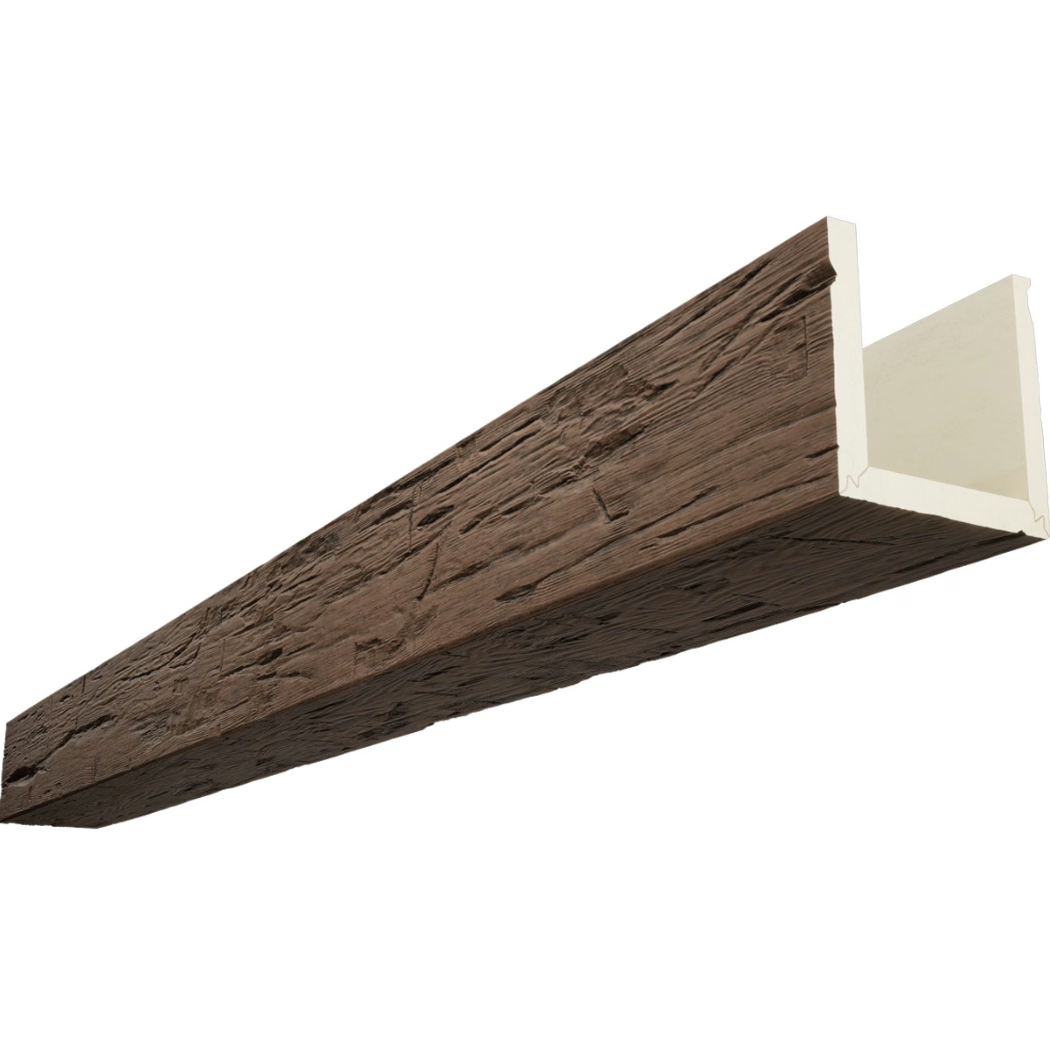
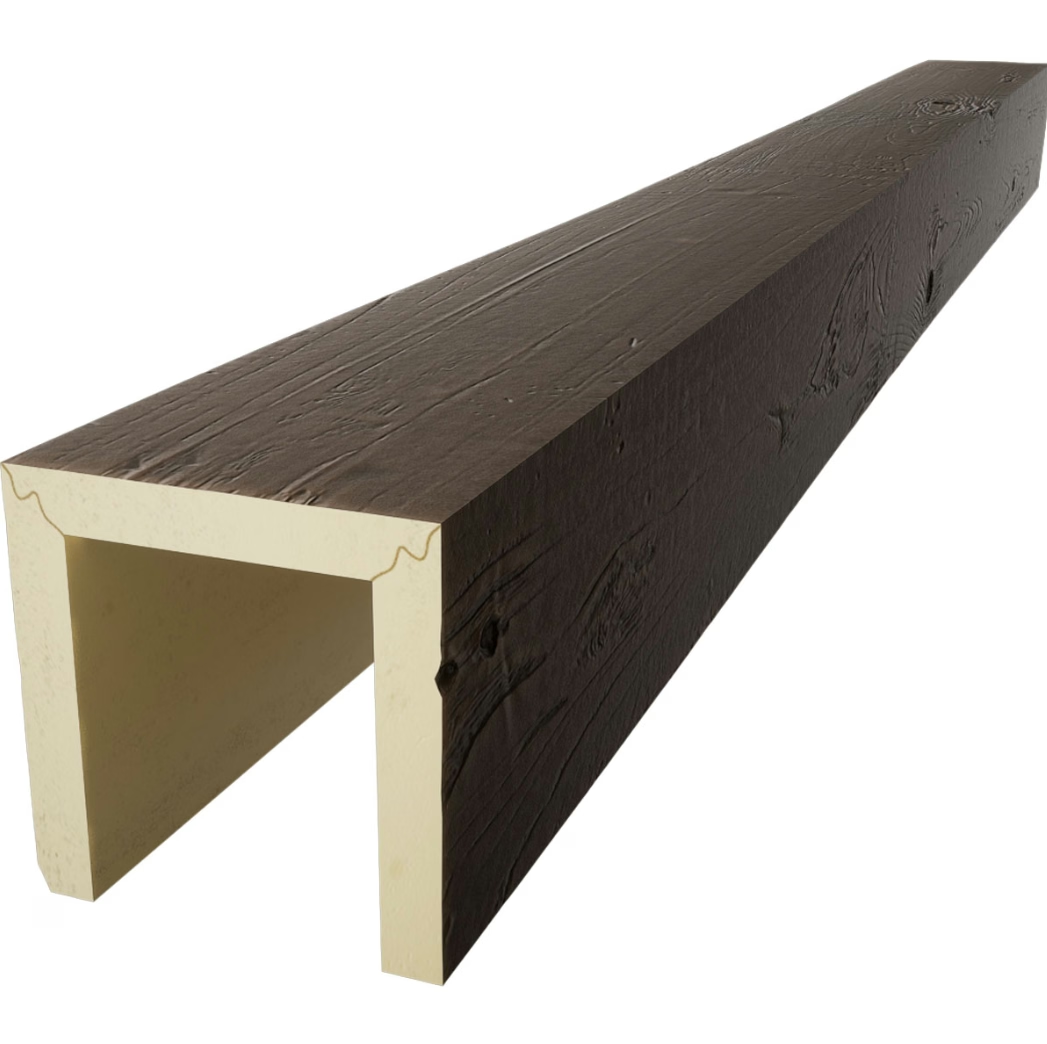
The European construction market presents unique opportunities and challenges for architectural product suppliers. Building traditions vary dramatically across national borders, with regional preferences for specific wood species, beam profiles, and installation methods shaping local demand. Builder grade polyurethane faux beams serve this diverse market by establishing quality standards that satisfy regulatory requirements while remaining accessible to budget-conscious projects across the continent.
European building regulations incorporate multiple layers of requirements, from overarching EU directives to specific national standards adopted by member states. Fire safety, structural performance, and environmental compliance all factor into product acceptance in different markets. Understanding these regulatory frameworks enables manufacturers to produce products that gain market access without requiring extensive modification for individual customers.
Price competition in the European market intensifies as construction companies seek cost optimization across all building components. Builder grade specifications address this reality by establishing minimum quality thresholds that ensure satisfactory performance without requiring premium features unnecessary for typical applications. This tiered approach to quality specification serves both suppliers, who can standardize production, and buyers, who pay only for needed performance characteristics.
Regulatory Compliance Across European Markets
The CE marking system establishes baseline requirements for products sold within the European Economic Area. Polyurethane faux beams must demonstrate compliance with applicable harmonized standards before bearing the CE mark. These standards address fire performance, emissions, and structural characteristics relevant to ceiling installations. Products without CE marking face restrictions in many European construction markets.
Fire safety regulations vary by occupancy type and building location within individual countries. Beams installed in escape routes face stricter requirements than those in enclosed rooms. Height of installation affects classification requirements. Understanding these variations enables accurate specification of products appropriate for specific applications rather than over-specifying materials that exceed requirements unnecessarily.
Environmental regulations covering volatile organic compound emissions affect interior finish materials including ceiling beams. European standards limit permissible emission levels, requiring manufacturers to test products and provide documentation demonstrating compliance. These requirements protect indoor air quality while creating market barriers for products manufactured to less stringent standards.
Common European Beam Profiles and Sizes
European construction tradition favors different beam proportions than North American practice. The ratio of beam depth to width typically exceeds North American conventions, creating more substantial appearing ceiling elements. These proportions reflect both structural traditions and aesthetic preferences shaped by centuries of building practice across the continent.
Metric sizing dominates European specifications, with dimensions specified in millimeters rather than imperial inches. Standard beam lengths, widths, and depths follow metric conventions that facilitate coordination with other building components. Products manufactured for European markets typically default to these measurements, eliminating the conversion uncertainties that arise when imperial-dimensioned products reach metric markets.
Regional aesthetic preferences influence texture and finish requirements across European markets. Northern European markets often prefer cleaner, more contemporary beam treatments with minimal weathering or distressed features. Mediterranean construction frequently embraces more rustic appearances with pronounced texture and aged characteristics. These preferences require manufacturing flexibility that builder grade standards accommodate.

Cost-Quality Balance in Specification
Builder grade represents a deliberate balance point between minimum acceptable quality and unnecessary premium features. These specifications typically require consistent appearance, adequate durability for normal use conditions, and compliance with relevant regulations. Features beyond these basics, such as enhanced fire ratings, specialized textures, or custom colors, fall into higher specification tiers with corresponding price increases.
Understanding what builder grade includes and excludes helps prevent specification disputes. The term implies acceptance of minor aesthetic variations within defined tolerances rather than perfectionist attention to every surface detail. Installers and designers should expect builder grade products to meet functional requirements while allowing the natural variation that manufacturing at scale produces.
Value engineering processes frequently identify opportunities to substitute builder grade materials for higher-specified alternatives without sacrificing performance. When beam appearance meets project requirements and regulatory compliance is demonstrated, specification upgrades rarely provide proportional value. Builder grade materials often represent the optimum point on the value curve for many construction applications.
Supply Chain Considerations for European Projects
European construction projects face supply chain challenges that affect material specification and procurement timing. Imported products from Asian manufacturing centers might require extended lead times, particularly during periods of shipping congestion. Local and regional suppliers often provide shorter delivery windows despite potentially higher unit costs. The total cost comparison must account for shipping, duties, inventory carrying costs, and supply security.
Warehouse stocking strategies affect product availability across European markets. Products stocked in regional distribution centers provide faster access than those requiring transoceanic shipment. However, stocked items typically represent narrower product ranges than available manufacturing capabilities. Projects with unusual requirements might need to accept longer lead times to access expanded product options.
Customs procedures and import documentation requirements vary by country and product category. Products meeting CE marking requirements face simpler import procedures than those requiring additional certification. Tariff rates affect final product costs, with some product categories facing significant duties while others enter duty-free under trade agreements. These factors influence both product specification and supplier selection for European projects.
Quality Assurance and Inspection Protocols
Builder grade specifications require quality assurance mechanisms that verify product conformance without requiring the extensive inspection protocols appropriate for higher-grade materials. Random sampling inspection plans provide statistical confidence in batch quality while minimizing inspection costs. Acceptable Quality Level (AQL) standards define maximum defect rates acceptable in delivered products.
Site inspection procedures establish how delivered materials are evaluated against specifications. Inspection checklists covering dimensional accuracy, surface quality, and packaging condition provide systematic evaluation frameworks. Documenting inspection results protects both buyers and suppliers by establishing objective records of condition at delivery. Disputes over damage claims or specification compliance become resolvable through reference to documented inspection findings.
Defect categories and disposition procedures determine how non-conforming materials are handled. Minor cosmetic defects that do not affect installation or appearance might be accepted with price adjustments. Major defects requiring replacement generate return procedures and replacement logistics. Clear procedures prevent disputes over material disposition while keeping projects moving forward.

Builder grade polyurethane faux beams serve European construction markets by providing consistent quality at accessible price points. Understanding regulatory requirements, regional preferences, and specification nuances enables effective product selection for projects across the continent. These materials bring authentic wood aesthetics to European buildings while meeting the practical requirements that construction professionals demand.
Technical References
ASTM standards cited in every specification
Test Data
Lab results from internal testing program
Updated 2026
Reviewed against current product specs