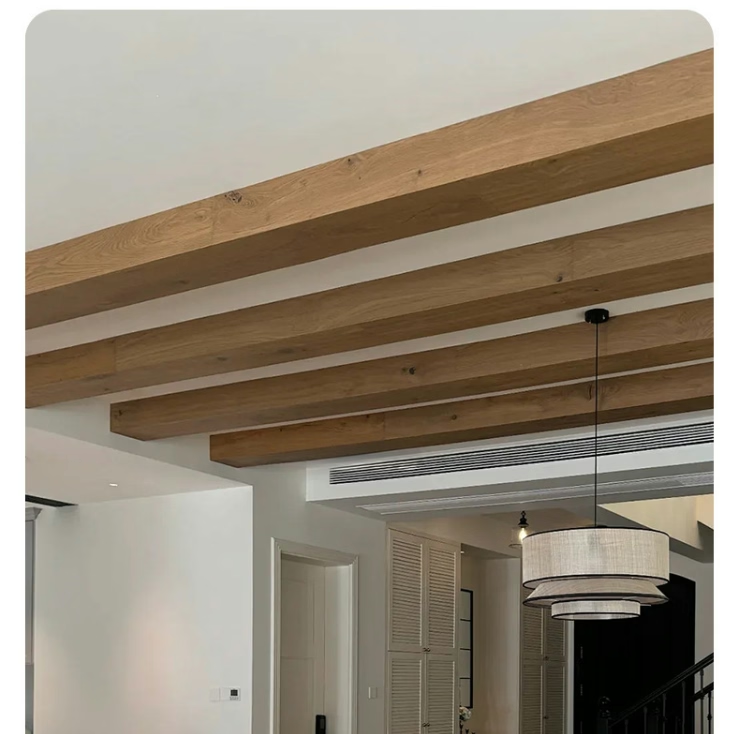
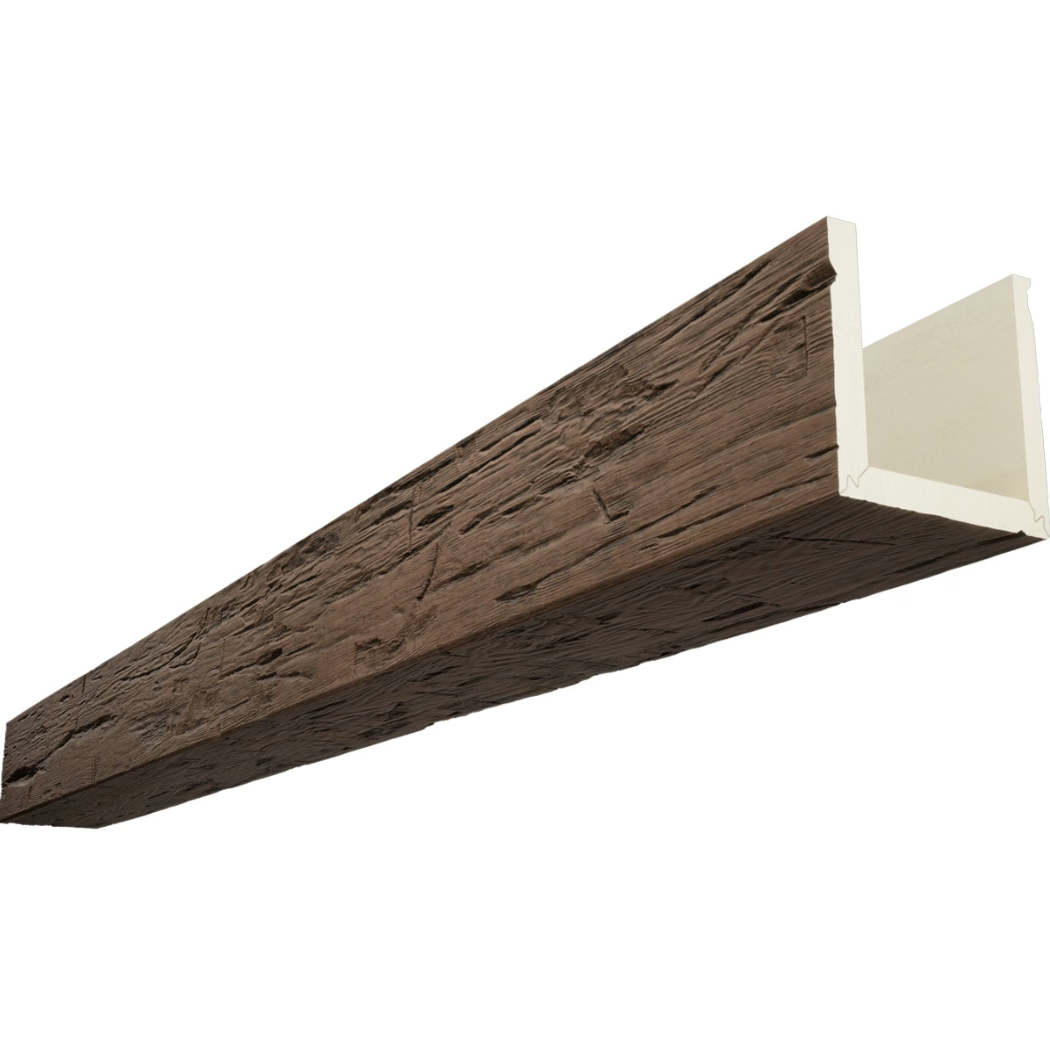
Moving substantial quantities of faux wood beams from manufacturing facilities to project sites worldwide requires logistics strategies that balance cost efficiency with product protection. Palletized shipping addresses both concerns through standardized unitization that facilitates handling, maximizes container or trailer utilization, and provides consistent protection throughout the transportation chain. Understanding these logistics helps buyers plan procurement and manage delivery expectations for bulk orders.
Bulk orders, whether serving large commercial projects or supplying distributor inventory, involve quantities that exceed what individual carton shipping can efficiently handle. Even when beams ship in protective packaging, the cumulative handling across multiple carriers and transfer points demands unitization that keeps products together. Pallets provide this unitization while enabling efficient material handling equipment operation.
The global nature of polyurethane faux beam manufacturing concentrates production in regions distant from many end markets. Containerized shipping across ocean routes delivers products to regional distribution points where depalletization and regional delivery follow. Each step in this chain benefits from the consistency that palletized unitization provides.
Pallet Standards and Specifications
Standard pallet dimensions vary by region, with Euro pallets (1200 × 800 mm) dominating European logistics and standard pallets (48 × 40 inches) prevalent in North American operations. Understanding which pallet standard applies to specific shipments ensures appropriate receiving equipment and space allocation. Shippers typically select pallets appropriate for destination market logistics.
Pallet construction quality affects both product protection and handling efficiency. Heat-treated pallets meet international phytosanitary requirements for cross-border shipping, avoiding treatment delays at destination customs. Solid deck pallets prevent small items from falling through deck boards, protecting both products and warehouse floors. New pallets provide consistent condition while recycled pallets offer cost savings for less critical applications.
Weight capacity requirements for beam shipments exceed what lighter cargo demands. Dense polyurethane beams accumulate weight quickly, potentially exceeding capacities of standard pallets not designed for heavy loads. Selecting pallets rated for the actual cargo weight prevents pallet failures during handling that could damage products or create safety hazards.
Loading Configurations and Weight Distribution
Optimizing pallet loading patterns maximizes container or trailer utilization while maintaining safe handling characteristics. Beams arranged in interlocking patterns distribute weight more evenly than single-orientation stacking. Alternating beam directions in successive layers creates stable pallets that resist shifting during transport.
Height limitations for loaded pallets depend on both handling equipment and shipping conveyance constraints. Warehouse racking, truck trailers, and shipping containers all impose ceiling height restrictions that limit maximum pallet height. Planning loading configurations within these constraints prevents problems at receiving facilities not equipped for oversized handling.
Weight distribution across pallet surfaces affects stability during handling and transport. Concentrated weight in pallet centers handles differently than edge-loaded pallets. Marking pallet weights and centers helps receiving personnel plan handling and storage appropriately. Heavy pallets might require specialized equipment or floor placement before lighter stacking items.
Packaging Protection for International Transit
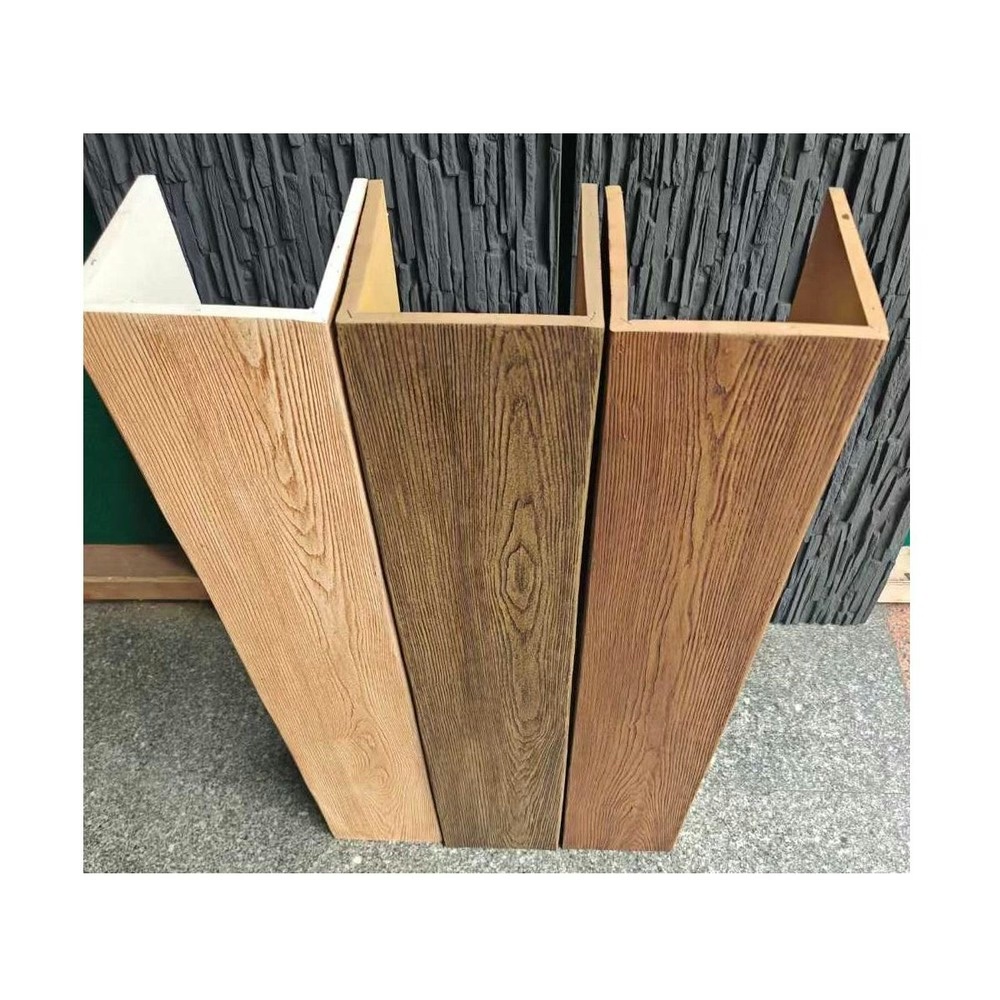
International shipping subjects cargo to handling conditions that domestic transport rarely involves. Multiple crane lifts, container stacking, and varied transport modes each stress products in different ways. Adequate packaging protects against these stresses while remaining practical for installation when removed.
Corner protection on beam packages prevents edge damage that could affect installation appearance. Cardboard corner guards, foam padding, or wood blocking protect vulnerable corners during handling operations. The investment in protection proves trivial compared to replacement costs or repair expenses for damaged beams.
Stretch wrapping or strapping secures packages to pallets while preventing lateral movement during transport. UV-resistant stretch wrap protects products from sun exposure during outdoor storage. Visible labeling on wrapped packages communicates handling instructions and contents without requiring unwrapping for identification.
Container Loading Optimization
Ocean freight containers provide the conveyance for international beam shipments, with twenty-foot and forty-foot containers offering different capacity options. Twenty-foot containers accommodate moderate quantities efficiently while forty-foot containers provide better cost-per-unit for large orders. Matching container selection to order quantity optimizes transportation economics.
Loading patterns within containers must consider weight distribution and cargo securing requirements. Heavy items loaded near container walls or doors create different stress patterns than balanced loading. Securing cargo with blocking, bracing, or straps prevents movement that damages products or creates safety hazards during transport.
Ventilation requirements for polyurethane products depend on specific formulations and shipping route conditions. Closed containers work well for most applications, though extended transits through hot, humid regions might benefit from container ventilation. Understanding product requirements and route conditions guides appropriate loading approach selection.
Customs and Documentation Requirements
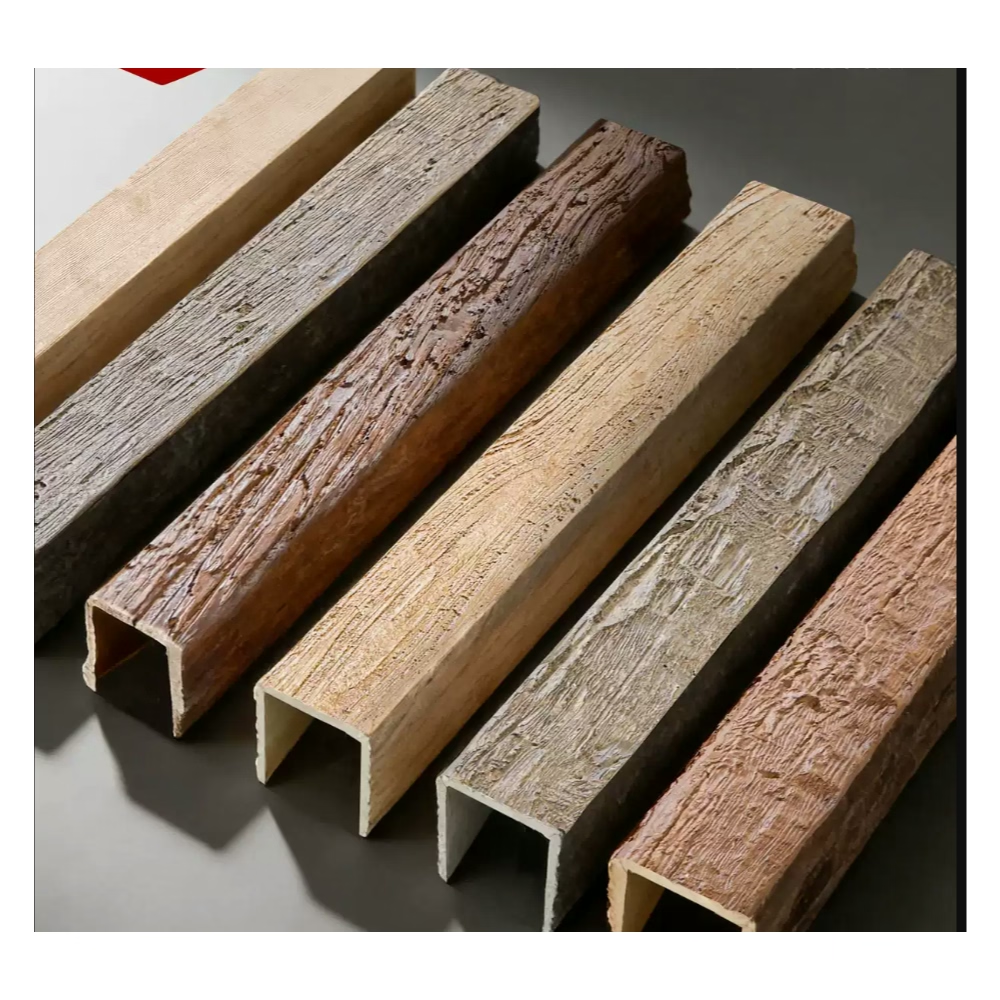
Customs authorities require specific information about palletized cargo to process import entries. Harmonized System codes classify products for duty assessment, with accurate classification preventing delays from misrouted shipments. Experienced customs brokers navigate these requirements efficiently, though shippers must provide accurate product information to enable proper classification.
Phytosanitary certificates might be required for pallets constructed from wood materials, though heat-treated pallets typically satisfy these requirements without additional certification. Understanding destination country requirements prevents delays at customs when inspections reveal documentation deficiencies. Advance preparation of required documents streamlines clearance processes.
Shipping marks and numbers on pallets must match documentation exactly for customs verification. Packages that arrive without proper marking require identification and re-marking before clearance can proceed, adding costs and delays to shipments. Ensuring marking consistency between packages, pallets, and documentation prevents these avoidable problems.

Palletized shipping for bulk faux wood beam orders provides the logistics framework that enables efficient global distribution. By understanding pallet standards, loading optimization, packaging protection, and documentation requirements, buyers and logistics personnel ensure successful deliveries that protect products and manage costs effectively. These logistics fundamentals support the international trade in polyurethane faux beams.
Technical References
ASTM standards cited in every specification
Test Data
Lab results from internal testing program
Updated 2026
Reviewed against current product specs