Commercial construction projects demand rigorous evaluation of materials before commitment to major purchases. Unlike residential work where individual preferences guide decisions, commercial projects involve multiple stakeholders, formal approval processes, and substantial financial commitments. Standard sample evaluation procedures provide structured frameworks that ensure thorough assessment while maintaining project timelines.
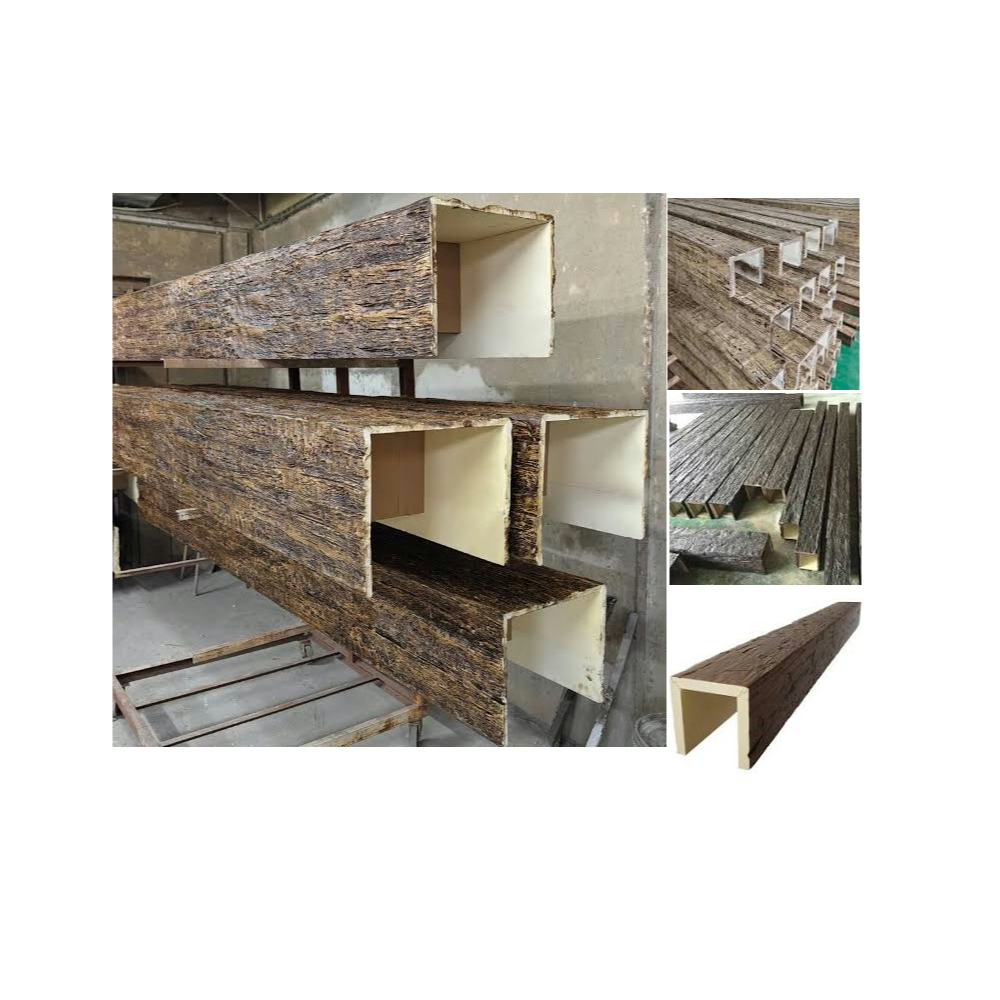
Sample evaluation for faux beams encompasses multiple dimensions beyond simple appearance review. Physical characteristics including dimensional accuracy, surface quality, and weight provide objective data points for assessment. Performance characteristics including fire rating, durability, and finish adhesion require either documentation review or testing. Logistics considerations including availability, lead time, and packaging affect procurement decisions.
The evaluation process also identifies potential problems before they become expensive mistakes. Discovering that specified beam profiles do not match architectural intent early in the process prevents manufacturing errors that might otherwise reach the job site. Finding quality deficiencies before committing to bulk orders allows resolution through alternative specifications or supplier changes.
Establishing Evaluation Criteria
Effective evaluation begins with clearly defined criteria that reflect project requirements. Aesthetic standards define acceptable appearance variation, establishing how much deviation from reference samples remains acceptable. Performance requirements specify fire ratings, load capacities, and environmental certifications that products must demonstrate. Logistics parameters establish lead time limits, minimum order quantities, and delivery requirements.
Reference standards might include architectural drawings, specifications, and approved sample libraries. Having these materials available during evaluation ensures that assessments compare products against actual project requirements rather than general impressions. Discrepancies between samples and reference materials become actionable information when evaluation criteria are clearly established.
Stakeholder input helps define criteria that satisfy all project participants. Design professionals might prioritize appearance consistency, while construction managers might focus on handling characteristics. Building owners might emphasize durability and maintenance requirements. Balancing these perspectives creates criteria that serve the complete project rather than isolated interests.
Sample Request Procedures
Professional sample requests include specific information that enables suppliers to provide relevant materials. Project identification including name, location, and expected order timeline helps suppliers assess their capability to serve. Product specifications including profile, dimensions, finish, and quantity estimates allow appropriate sample selection. Evaluation timeline specifying when decisions will be made establishes urgency for supplier response.
Sample quantities should exceed minimum requirements to allow comprehensive assessment. Multiple samples enable evaluation of consistency across production, not just appearance of individual pieces. Full-size samples rather than small cut pieces allow assessment of how grain patterns and texture repeat across beam lengths. Samples from different manufacturing batches might be appropriate for large projects where consistency matters.
Requesting samples with various finish options when custom staining is planned allows assessment of how beams accept different treatments. Testing stain compatibility before committing to specific products prevents disappointing results that custom-finished beams might otherwise produce. These advance assessments prove invaluable for projects where finishing represents significant added value.

Physical Assessment Procedures
Physical examination of samples should follow systematic procedures that ensure complete evaluation. Beginning with dimensional verification using accurate measuring tools establishes whether products meet specification tolerances. Checking multiple points along beam lengths identifies any bowing, warping, or twisting that might affect installation.
Surface quality assessment examines appearance under various lighting conditions that might occur in installed locations. Natural daylight reveals color characteristics differently than artificial lighting. Directional lighting highlights texture embossing that might be invisible under diffuse illumination. Testing across these conditions ensures samples will perform acceptably in actual project environments.
Weight assessment provides information about handling characteristics and anchoring requirements. Comparing sample weights against specifications or alternative products helps establish realistic expectations for installation labor. Unexpected weight differences might indicate density variations that affect durability or require modified installation approaches.
Performance Documentation Review
Technical data sheets and test reports provide objective performance information that complements physical assessment. Fire rating documentation verifies that products meet code requirements for specific occupancy classifications. Emission certifications confirm compliance with indoor air quality standards that affect occupant health. Durability ratings indicate expected service life under normal use conditions.
Reviewing manufacturing quality management systems provides additional assurance about product consistency. ISO certifications and quality control procedures indicate professional manufacturing practices that reduce defect rates. Understanding supplier quality approaches helps assess risk levels associated with different sources.
Warranty documentation establishes what protections buyers receive against defects or performance failures. Commercial projects should expect warranty terms appropriate to the investment involved. Understanding warranty coverage, claim procedures, and response timelines helps establish realistic expectations for post-installation support.
Approval Documentation and Communication
Completing the evaluation process with formal approval documentation protects all project participants. Approved sample retention creates reference points for subsequent material verification. Approval letters confirm that specified products meet project requirements. Change control procedures address any specification modifications that evaluation reveals as necessary.
Communication with suppliers about evaluation outcomes maintains productive relationships even when products are not selected. Providing specific feedback about why products were or were not approved helps suppliers improve offerings for future opportunities. Maintaining multiple qualified sources prevents single-source risks that commercial projects should avoid.
Archiving evaluation documentation supports future reference and dispute resolution. Records of samples evaluated, criteria applied, and decisions made provide protection if questions arise about material selection. These archives serve as institutional knowledge that benefits future projects requiring similar decisions.

Standard sample evaluation procedures transform faux beam procurement from informal guesswork into professional decision-making. By establishing clear criteria, following systematic assessment procedures, and documenting decisions thoroughly, commercial projects reduce risk while improving outcomes. These procedures serve both immediate project needs and long-term supplier relationship management.
Technical References
ASTM standards cited in every specification
Test Data
Lab results from internal testing program
Updated 2026
Reviewed against current product specs


