Ceiling design frequently employs regular patterns that create organized, systematic appearances. These layouts range from simple parallel beam arrangements to complex multi-directional grids that organize ceiling surfaces into defined zones. Standard square profile polyurethane faux wood beams complement these regular patterns through matching geometric simplicity that reinforces rather than conflicts with organized design approaches.
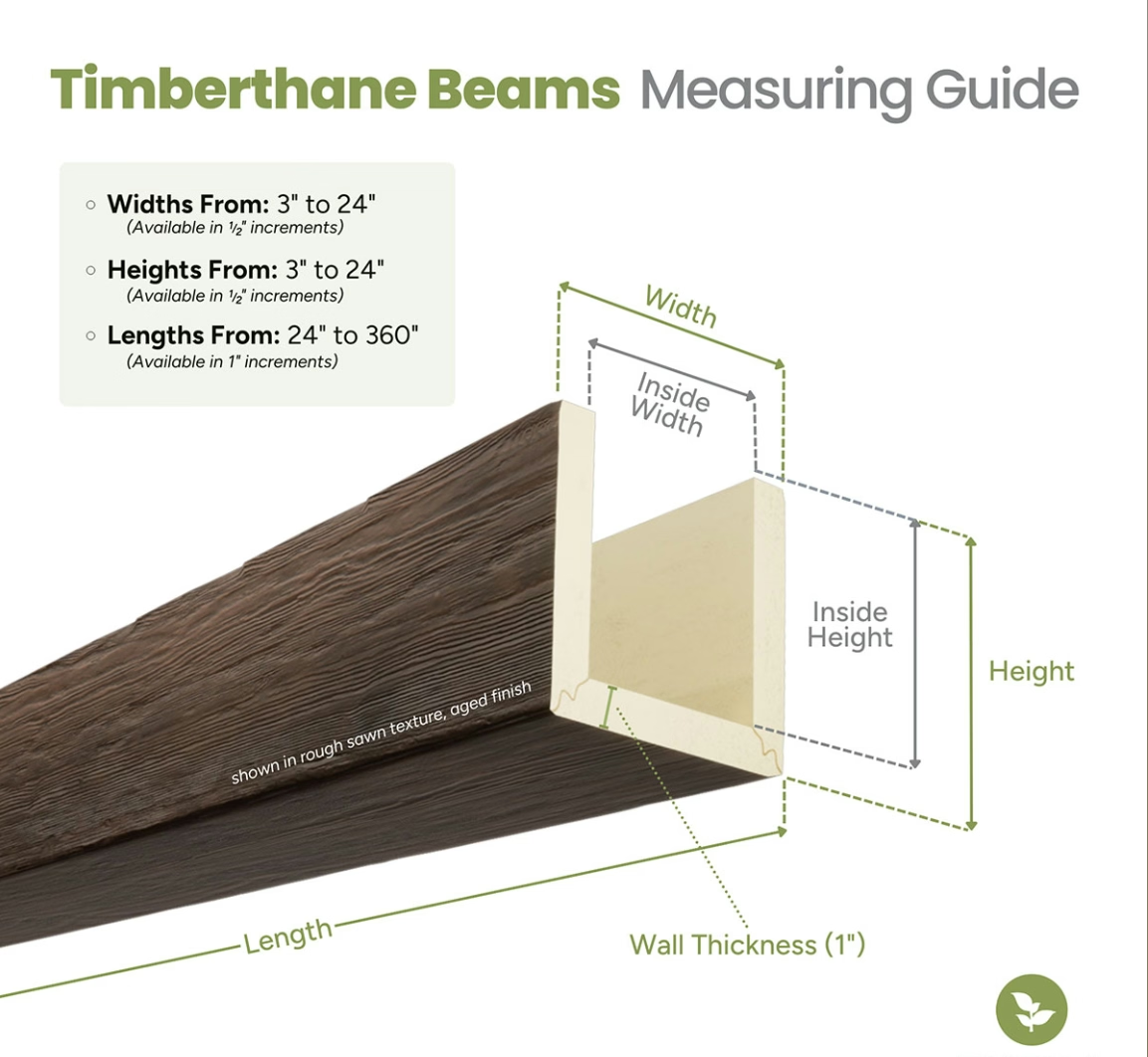
The square profile's defining characteristic is the one-to-one relationship between width and depth dimensions. This balanced proportion creates visual weight appropriate for regular layouts where beams participate as components of larger pattern systems. The equal faces visible from different viewing angles ensure consistent appearance regardless of how occupants view the installation.
Regular ceiling layouts benefit from the precision that square profiles provide. When beams must align with structural grids, coordinate with ceiling tile systems, or create specific geometric patterns, the consistent cross-section of square beams simplifies installation and ensures pattern accuracy. The predictability of square geometry eliminates the orientation concerns that asymmetric profiles introduce.
Grid Pattern Applications
Single-direction grids place parallel beams at regular intervals across ceiling spans. Square profile beams in these applications maintain consistent appearance from any viewing angle, simplifying layout decisions that asymmetric profiles would complicate. The clean lines of square beams create sharp pattern definition that organized grids demand.
Two-direction grids form ceiling coffers or coffered ceiling treatments with intersecting beam patterns. Square profiles at these intersections create clean geometric nodes where beams meet. The equal dimensions of square beams ensure that intersecting members present balanced appearance without the visual weight discrepancies that rectangular profiles might create.
Four-direction radial grids extend beams outward from central points in regular angular increments. Square profiles maintain consistent appearance across the radial pattern, though beam orientation becomes more visible in these layouts than in linear arrangements. Careful attention to orientation consistency prevents the visual confusion that mixed orientations would create.
Visual Characteristics of Square Profiles
The visual impact of square beams depends significantly on their scale relative to surrounding space. Larger square beams read as substantial architectural elements that command attention and anchor ceiling design. Smaller square beams provide detail and texture without strong visual assertion, serving as refined ceiling accents rather than dominant features.
Texture treatment on square beams affects overall appearance notably because all faces receive equal emphasis. Smooth finishes present clean, contemporary aesthetics. Textured finishes create consistent wood character across all visible surfaces. The square profile's equal faces mean that texture decisions affect appearance uniformly, simplifying aesthetic control compared to profiles where texture appears differently on different faces.
Finish color on square beams distributes evenly across visible surfaces, creating consistent color field appearance. Stained finishes present uniform coloring without the tonal variation that asymmetric profiles introduce through differential face emphasis. This consistency appeals to contemporary design sensibilities that value clean, predictable appearance.
Installation Advantages for Regular Layouts
Square profile geometry simplifies cutting and fitting operations that regular layouts inevitably require. Beams meeting at ninety-degree angles present straightforward joint geometry that standard techniques address. The predictability of square cross-sections enables efficient workflow where installers can anticipate requirements without constant measurement and adjustment.
Pattern layout for regular installations proceeds more quickly with square beams. Alignment verification involves checking that beams fall on planned grid lines without concern for profile orientation. The symmetry of square cross-sections means that placement orientation does not affect appearance, reducing the potential for orientation errors that asymmetric profiles permit.
Joint details between square beams can employ consistent approaches throughout installations. Mitered corners, butt joints, and panel returns all work with standard techniques that square profiles accommodate. This consistency speeds installation while ensuring that joint appearance remains uniform throughout the completed installation.
Design Coordination Considerations
Regular ceiling layouts with square beams coordinate naturally with other architectural elements featuring square or rectangular geometry. Windows, doors, and built-in elements that share orthogonal geometry create visual harmony across interior elevations. This coordination reinforces designed order that regular beam layouts establish.
Wall-to-ceiling transitions benefit from the geometric compatibility that square beams provide. When ceiling beams align with wall planes, the square profile's straight edges create clean line transitions. Reveals, shadow gaps, and other trim details work consistently with square cross-sections without requiring special treatment or deviation from standard approaches.
Lighting integration with square beam layouts often involves recessed fixtures that fit within beam geometry. The equal dimensions of square beams provide predictable interior space for fixture housings when beams run perpendicular to fixture direction. This compatibility simplifies lighting coordination that more complex profiles might complicate.
Appropriate Project Types
Contemporary residential design frequently employs regular beam layouts with square profiles. Open-plan living spaces, minimalist kitchens, and clean-lined living rooms benefit from the systematic ceiling organization that these installations provide. The contemporary aesthetic aligns naturally with square profile geometry.
Hospitality venues including hotel lobbies, restaurant dining rooms, and resort common areas often feature regular beam arrangements. The organized appearance supports the intentional design that hospitality branding requires. Square profiles provide the refined geometry that contemporary hospitality aesthetics frequently emphasize.
Commercial office and retail spaces employ regular beam layouts for ceiling organization and aesthetic enhancement. The professional appearance of organized beam patterns supports corporate and retail brand positioning. Square profiles provide clean, businesslike aesthetics that align with commercial design expectations.

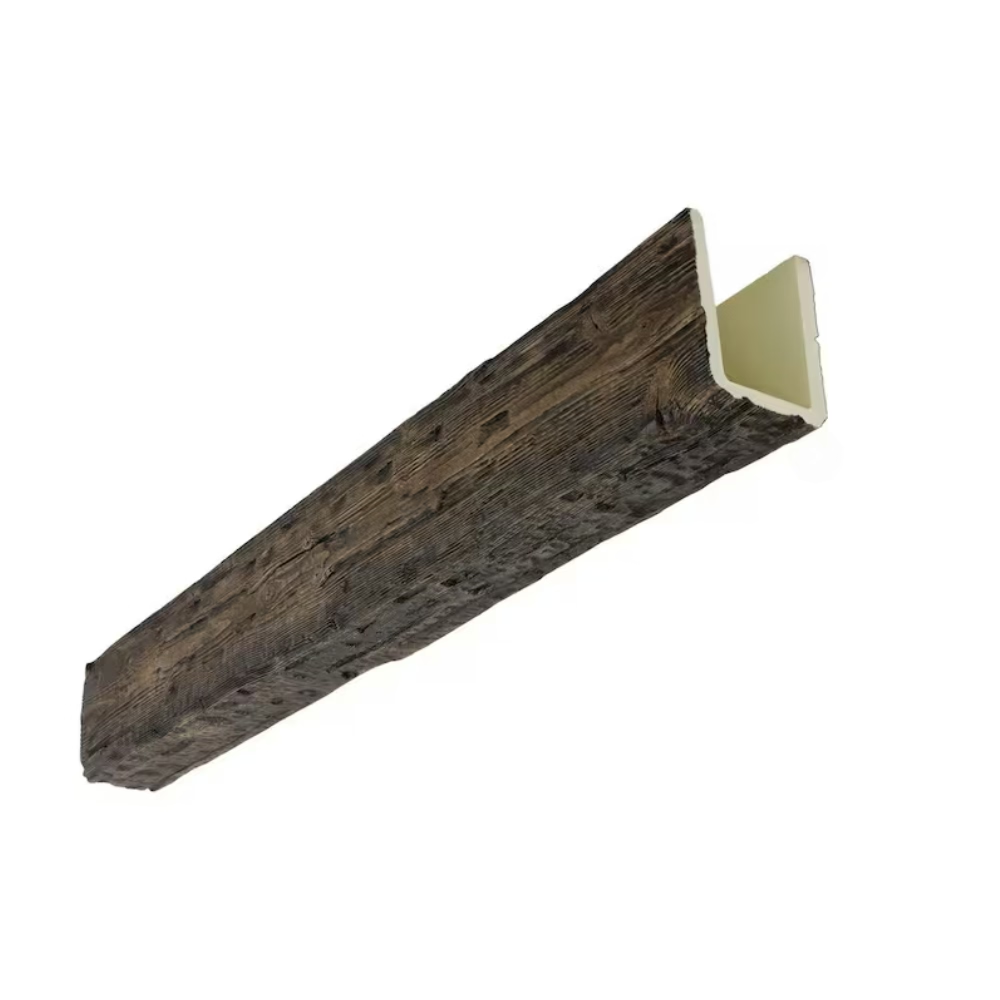
Standard square profile polyurethane faux wood beams provide geometric simplicity that regular ceiling layouts require. Their balanced proportions, consistent appearance from any angle, and installation efficiency make them ideal choices for systematic ceiling design. For projects seeking organized, precise ceiling aesthetics, square profile beams deliver reliably.
Technical References
ASTM standards cited in every specification
Test Data
Lab results from internal testing program
Updated 2026
Reviewed against current product specs


