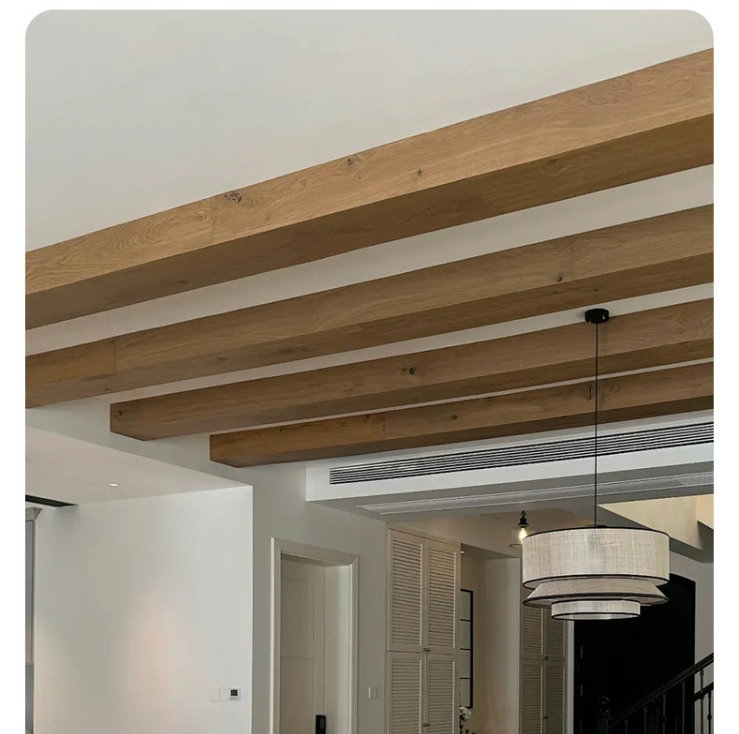
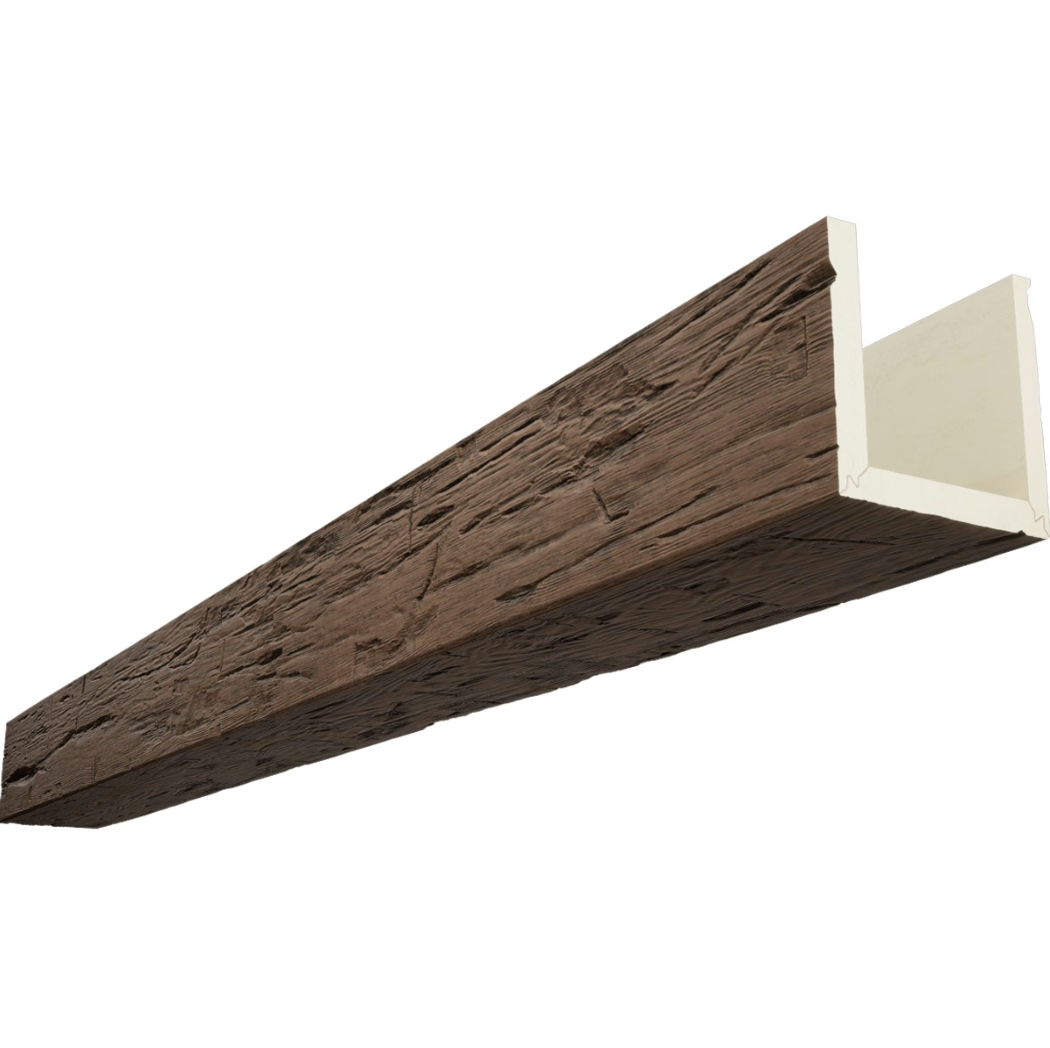
The success of ceiling element projects depends significantly on sourcing decisions made before design work begins. Choosing the right suppliers, evaluating product quality, and developing effective procurement strategies all influence final outcomes. This guide addresses the strategic considerations that distinguish successful ceiling element projects from disappointing ones.
Understanding Sourcing Complexity
Decorative ceiling elements present sourcing challenges that differ from standard building materials. The aesthetic requirements that drive ceiling element selection create quality variations that purely functional products don't exhibit. A beam might meet structural requirements while failing aesthetic standards that the project demands. Understanding this complexity helps develop sourcing approaches that address both dimensions.
Geographic sourcing adds another layer of complexity when working with international suppliers. Shipping costs, lead times, customs considerations, and communication challenges all affect the viability of different sourcing options. The lowest material cost might prove more expensive overall when these factors are included.
Quality consistency across multiple pieces represents a particular challenge for ceiling elements. When purchasing multiple beams, they should match in color, texture, and dimensions. Suppliers who can't demonstrate consistent quality across their production create installation challenges that undermine project success.
Identifying Qualified Suppliers
Supplier qualification begins with understanding what qualifications matter for your specific project. General construction suppliers differ significantly from specialty ceiling element manufacturers. The latter typically provide better quality and expertise but may have higher pricing or longer lead times.
Industry reputation provides valuable signals about supplier reliability. Suppliers with established track records have demonstrated ability to deliver acceptable products consistently. Request references from similar projects and follow up on those references with specific questions about the supplier's performance.
Manufacturing capability affects whether suppliers can meet your project's requirements. For standard products, most qualified suppliers provide adequate capability. Custom specifications or unusual quantities may require suppliers with more flexible production capacity. Understanding supplier capabilities before committing prevents problems when orders are placed.

Quality Assessment Strategies
Quality assessment requires systematic evaluation of multiple product dimensions. Visual quality—appearance, finish, texture consistency—matters for aesthetic elements even when structural requirements are minimal. Physical quality—dimensional accuracy, weight consistency, surface integrity—affects both appearance and installation.
Request samples from potential suppliers before placing orders. Samples reveal actual product quality far better than photographs or descriptions. Examine samples under the lighting conditions your project will experience—lighting significantly affects how surface qualities appear. Compare samples from multiple suppliers to establish quality benchmarks.
Third-party testing provides objective quality verification that visual inspection cannot achieve. For structural requirements, look for suppliers who provide testing documentation. Even for purely decorative elements, independent quality certification indicates supplier commitment to consistent production standards.
Product Specification Development
Effective specification balances requirements clarity with supplier flexibility. Overly rigid specifications may eliminate suppliers who could provide acceptable alternatives; overly vague specifications may allow products that don't meet project needs. Developing good specifications requires understanding both design requirements and manufacturing capabilities.
Reference specific industry standards when applicable. Standards provide common language for communicating requirements and evaluating compliance. Standards also indicate minimum quality expectations that suppliers should meet. Specifying compliance with relevant standards simplifies evaluation and establishes clear expectations.
Include aesthetic requirements in specifications even when they seem subjective. Terms like "architectural quality" or "premium appearance" communicate expectations even if they can't be precisely defined. Reference samples or photographs that illustrate acceptable and unacceptable qualities help translate subjective terms into actionable requirements.
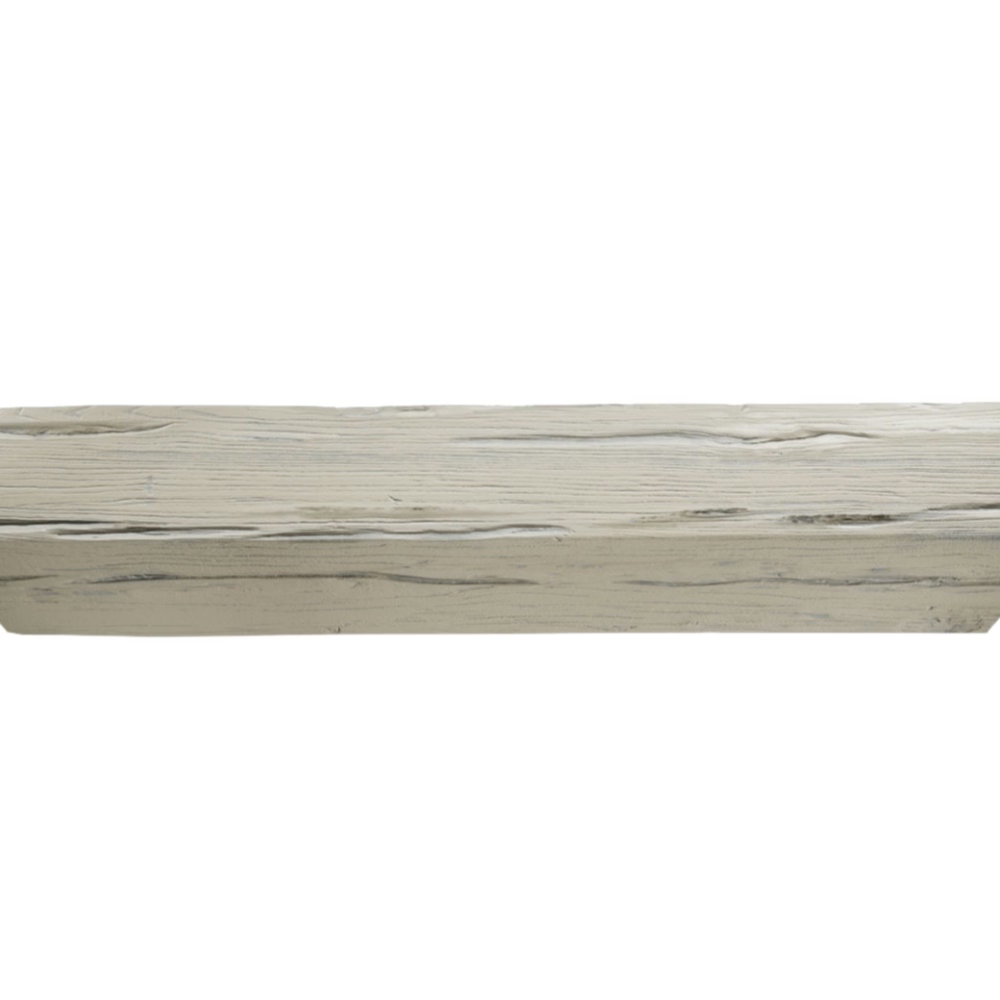
Cost Analysis Beyond Unit Price
Unit price represents only part of total cost for ceiling element projects. Shipping, handling, waste, installation labor, and finishing all contribute to effective cost per installed element. Comprehensive cost analysis reveals true differences between sourcing options that unit price comparisons might obscure.
Shipping costs vary dramatically based on quantity, weight, packaging, and destination. Lightweight faux beams cost less to ship than equivalent solid wood products, but shipping method and packaging still affect total freight costs. Compare delivered costs rather than FOB prices when evaluating sourcing options.
Waste allowance should be factored into quantity requirements. Complex installations with many cuts or custom configurations generate more waste than simple installations. Ordering additional pieces beyond calculated requirements provides insurance against breakage or cutting errors. The cost of this allowance is typically lower than expedited replacement orders if problems occur.
Lead Time Management
Production and delivery lead times affect project scheduling significantly. Longer lead times require earlier ordering, which may conflict with project timelines or create storage requirements. Understanding lead times helps develop realistic schedules and identifies when expedited options might be necessary.
Standard products typically ship from inventory or with short production runs measured in weeks. Custom specifications may require months of production time. Verify lead times against project requirements before committing to supplier relationships. Missing deadlines due to supply delays creates cascading problems that affect entire project schedules.
Build contingency time into schedules for delivery variability. Even reliable suppliers occasionally experience delays beyond their control. Having buffer time prevents minor delays from becoming project-critical problems. The cost of this contingency is typically lower than the alternatives if delays occur without buffer.
Communication and Collaboration
Effective communication with suppliers prevents problems that clearer communication might have avoided. Establish communication protocols that ensure timely response to questions and concerns. Identify specific contacts at supplier organizations who can address issues when they arise.
Language and time zone differences affect international sourcing relationships. Establish communication expectations that account for these differences. Written communication may work better than verbal for complex technical matters; video calls may improve relationship building despite time zone challenges.
Documentation practices protect both parties when issues arise. Maintain records of all communications, approvals, and agreements. This documentation proves valuable when questions about specifications, timing, or quality arise. Ambiguous verbal agreements create problems that clear documentation prevents.
Sample and Prototype Processes
Samples and prototypes allow evaluation of products in actual conditions before committing to full orders. This evaluation prevents problems that might not be apparent from documentation or small samples. Understanding sample and prototype processes helps use these tools effectively.
Initial samples reveal baseline quality but may not represent full production variation. Requesting multiple samples from different production runs provides better understanding of consistency. Some suppliers offer pre-production samples specifically for quality verification before full order release.
Prototype installations allow full evaluation in actual conditions. Installing sample pieces in planned locations reveals how products perform in real lighting, against actual surfaces, and under normal viewing distances. This evaluation often identifies issues that room-scale samples miss.
Risk Management Approaches
Every sourcing decision involves risk that effective management reduces. Understanding potential risks—quality shortfalls, delivery delays, damage in transit, specification mismatches—allows development of mitigation strategies before problems occur.
Diversification across multiple suppliers reduces single-source dependency risks. Having backup suppliers for critical items ensures continuity if primary suppliers fail to perform. This redundancy has costs that must be weighed against the risks it addresses.
Clear contract terms establish expectations and remedies for quality or delivery problems. Well-drafted contracts specify acceptance criteria, inspection processes, and remedy procedures. Investing in proper contract development prevents disputes that informal agreements invite.
Building Long-Term Supplier Relationships
Strategic sourcing extends beyond individual transactions to ongoing relationships that benefit both parties. Suppliers who understand your projects provide better service over time; buyers who provide consistent volume earn better terms and priority treatment. Developing these relationships requires attention that single-transaction thinking doesn't include.
Regular communication builds relationships even when immediate needs don't exist. Periodic updates about upcoming projects, feedback on past performance, and general industry information keep relationships active. These investments in relationship maintenance pay dividends when actual needs arise.
Volume commitments can secure better pricing and priority treatment. When projects justify consistent ordering, communicate this to suppliers and explore how volume commitments translate into better terms. The commitment suppliers require must be weighed against the benefits they provide.
Technology and Innovation Considerations
Supplier technology affects product quality, consistency, and development capability. Suppliers with modern production equipment typically achieve better quality and consistency than those using outdated methods. Understanding supplier technology helps evaluate whether they can meet current and future requirements.
Innovation capability matters for projects with unique requirements. Suppliers who can develop custom solutions provide flexibility that commodity suppliers cannot match. This capability may justify premium pricing if it solves problems that standard products cannot address.
Sustainability practices increasingly affect sourcing decisions. Suppliers with environmental certifications, recycled content options, and responsible manufacturing practices may align better with project sustainability goals. These factors matter for some projects more than others—understand which sustainability considerations apply to your specific situation.
Technical References
ASTM standards cited in every specification
Test Data
Lab results from internal testing program
Updated 2026
Reviewed against current product specs