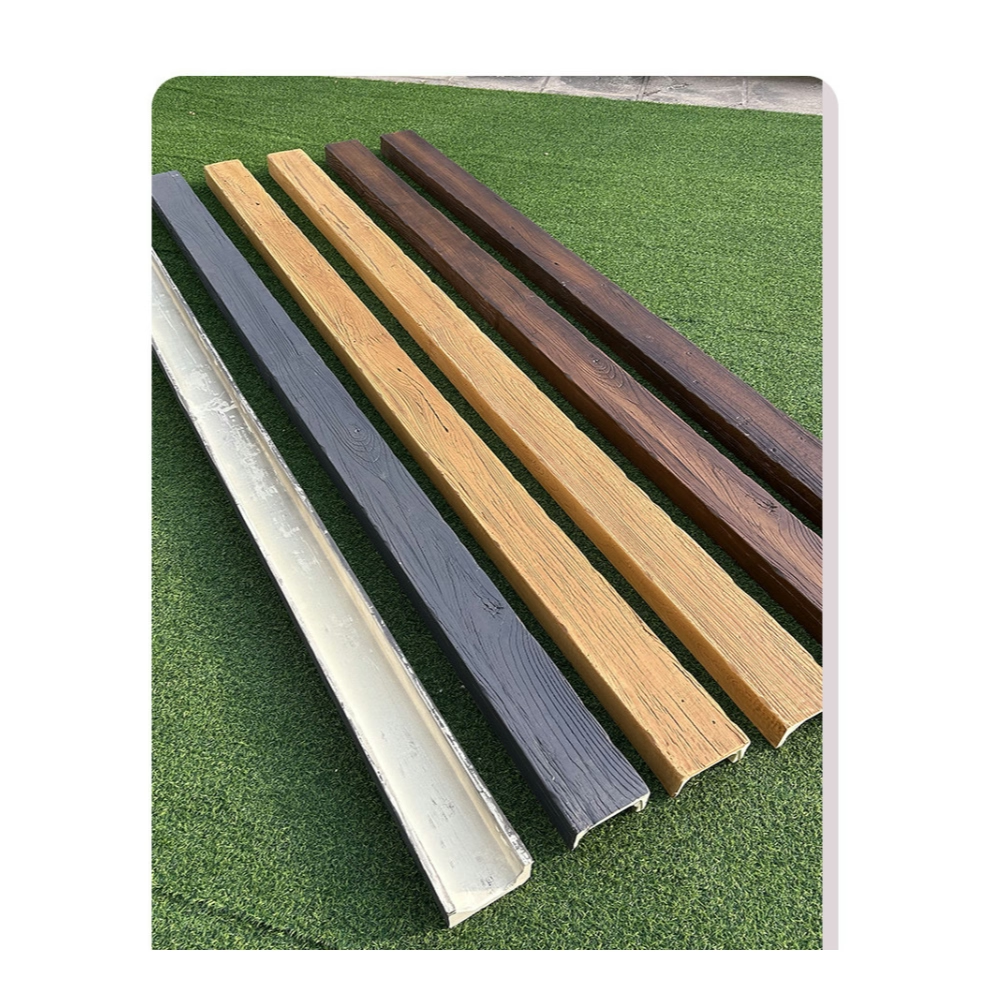
There's something uniquely satisfying about watching a room transform in a single afternoon. When I first started helping clients with ceiling renovations, I assumed the process would always involve weeks of dust, debris, and disruption. That was until I discovered the remarkable potential of pre-made polyurethane faux wood beams. These lightweight architectural elements have completely changed how both professionals and homeowners approach ceiling upgrades, making what was once a major construction project something almost anyone can accomplish over a weekend.
The traditional route to adding wooden beams to a ceiling meant coordinating with contractors, renting equipment to lift heavy timber, and accepting the reality that you'd be living in a construction zone for weeks. Authentic reclaimed beams command premium prices and require specialized knowledge to install safely. Modern faux beams eliminate all these obstacles while delivering visual results that rival—and sometimes surpass—the real thing.
Understanding the Pre-Made Advantage
Pre-made faux wood beams arrive at your door ready to install. Each unit is manufactured with consistent dimensions, eliminating the frustrating inconsistencies you encounter with natural wood. When ordering reclaimed barn beams, you never quite know what you're getting until the delivery truck pulls up. Some pieces arrive with beautiful patina and character marks; others arrive with unexpected gaps, cracks, or warping that requires extensive repair work before installation can begin.
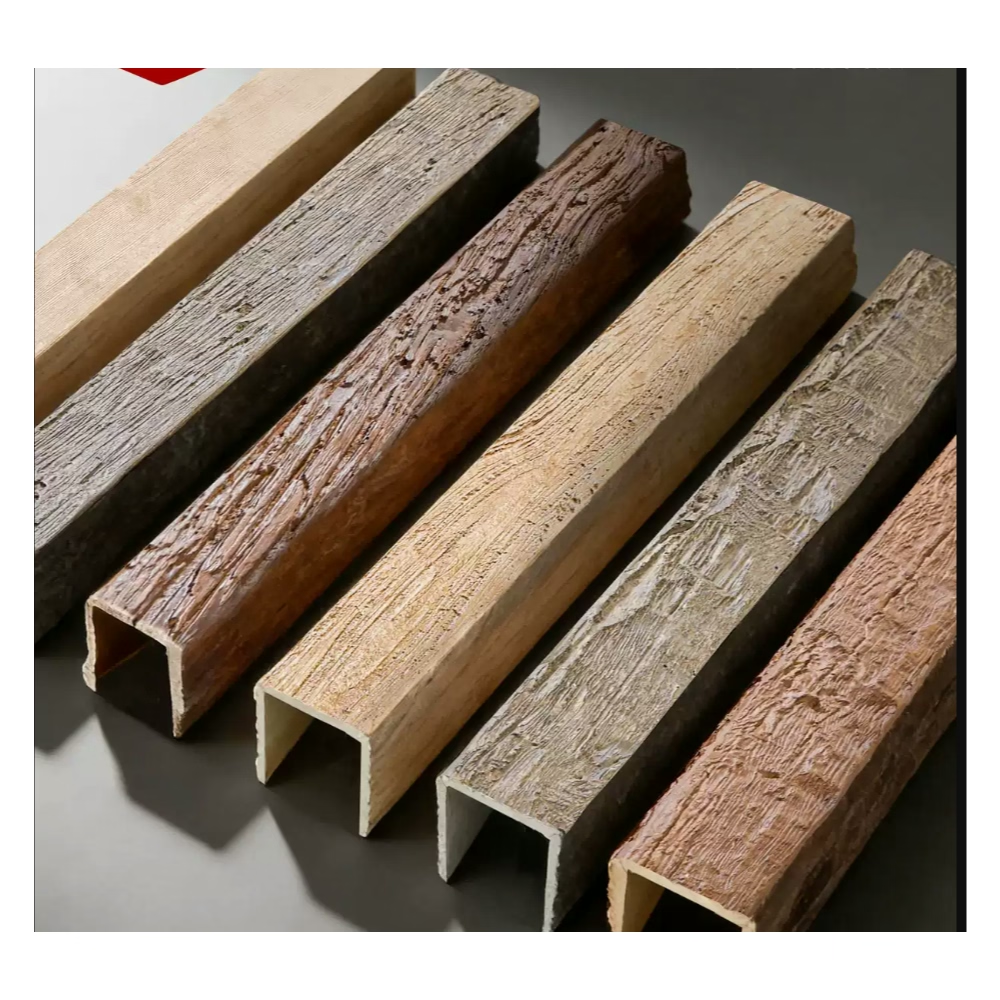
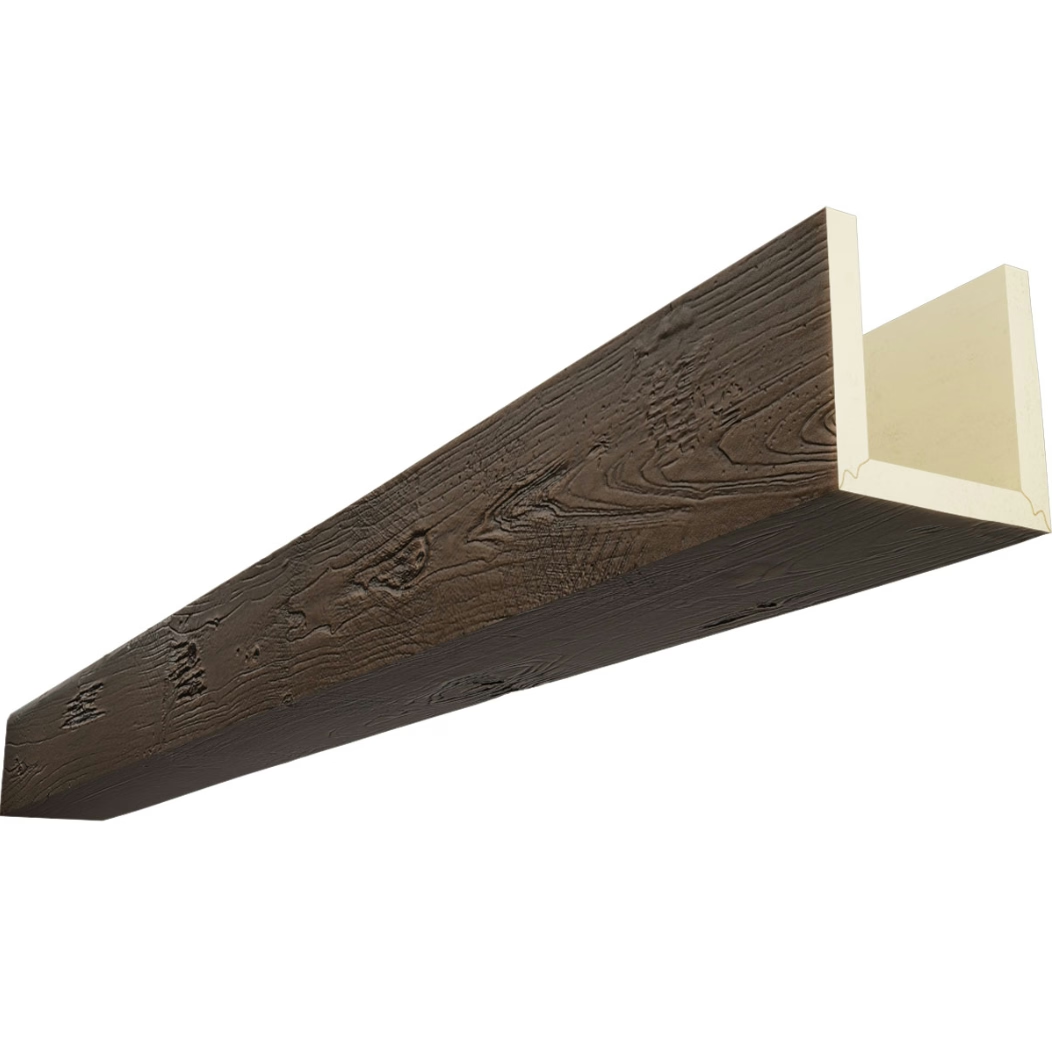
Manufactured beams solve this problem elegantly. Every beam in your order maintains identical proportions, ensuring seamless alignment when you install multiple pieces. The polyurethane formulation allows manufacturers to replicate intricate wood grain textures with remarkable accuracy. Touch the surface of a quality faux beam, and you'll discover depth and detail that captures the essence of aged timber without the unpredictability that comes with genuine wood products.
Weight represents perhaps the most significant practical advantage. A typical eight-foot reclaimed beam might weigh 80 to 120 pounds, requiring at least two strong adults to maneuver into position and secure properly. The same dimension faux beam in polyurethane weighs under 15 pounds. This dramatic weight reduction means one person can handle installation independently, and mounting hardware requirements drop substantially. You won't need to locate structural ceiling joists capable of supporting massive timber loads.
The Installation Process Demystified
Successful faux beam installation begins with careful measurement and planning. Before ordering your materials, spend time mapping your ceiling layout. Consider the overall effect you're trying to achieve—dramatic exposed beam ceilings work differently than accent beams strategically placed to define spaces. Measure your ceiling dimensions precisely, accounting for any obstacles like light fixtures, ceiling fans, or HVAC vents that might affect beam placement.
Once your beams arrive, lay them out in your room and experiment with positioning before committing to any permanent attachment. This dry-run phase reveals how different arrangements impact the room's perceived proportions. Beams running perpendicular to the longest wall typically make a room feel wider, while beams aligned with the length of a space can make it appear longer. These spatial illusions matter enormously in smaller rooms where every design choice either helps or hurts the overall feel.
The actual mounting process relies on a few proven techniques depending on your ceiling construction and the look you want to achieve. For most installations, a combination of construction adhesive applied to the beam's back surface combined with mechanical fasteners provides the most secure attachment. The adhesive creates a continuous bond along the entire length of the beam while fasteners hold everything in place during curing. Crown molding or trim pieces installed where beams meet the ceiling surface hide gaps and create a finished, built-in appearance.
Achieving Professional-Quality Results
The difference between amateur and professional-looking installations often comes down to finishing details. Caulking the seams where beams meet the ceiling eliminates visible gaps that catch light and draw attention. Painting or staining the beam ends where they meet walls ensures color continuity even when viewing from angles that might otherwise reveal the beam's termination point.
Lighting interacts with your new beams in ways worth considering during the planning phase. Recessed lighting positioned above beams creates dramatic shadows that enhance the three-dimensional appearance. Surface-mounted fixtures work well too, though you'll need to plan around their placement to ensure beams don't obstruct light spread or create awkward shadows. Some installers cut channels into beam undersides to accommodate recessed lighting, though this modification requires careful measurement and specialized tools.
Sealing the beams after installation protects your investment and maintains their appearance over years of use. While polyurethane resists moisture and insects better than natural wood, applying a quality sealant provides additional protection against UV degradation in rooms with significant natural light exposure. This extra step takes minimal effort but extends the life and beauty of your ceiling transformation considerably.
Common Mistakes to Avoid
Even though faux beam installation ranks among the simpler home improvement projects, certain errors consistently undermine results. Attempting to cut corners on adhesive quality causes beams to work loose over time, particularly in rooms with temperature fluctuations or higher humidity levels. Invest in premium construction adhesive specifically formulated for the materials you're bonding—general-purpose products often fail prematurely.
Insufficient planning around electrical considerations creates problems that are difficult to correct after installation. Identifying light fixture locations, ceiling fan mounting points, and any recessed lighting before ordering beams prevents conflicts that might require beam removal or modification. Running electrical wiring after beams are installed adds substantial time and complexity to the project.
Rushing the drying and curing process invites disaster. Adhesive needs adequate time to develop full bond strength before beams are subjected to any stress. Check the product specifications for recommended cure times and resist the temptation to hang anything from newly installed beams before those timelines expire. Patience during this phase protects everything else you've accomplished.
Maximizing Your Renovation Investment
Pre-made faux beams offer exceptional value when you consider the complete transformation they provide. A single weekend of focused work can elevate an ordinary room into something genuinely impressive. The materials cost a fraction of genuine wood beams, and the installation requires no specialized skills beyond basic tool competence.
For foreign trade buyers and distributors, the consistency and reliability of manufactured beams simplifies inventory management and customer expectations. Each beam performs identically to every other beam in your stock, eliminating the sorting and selection process that natural wood products demand. Your customers receive predictable quality with every purchase, building confidence in your product line and reducing return requests.
The durability of modern polyurethane means your installations maintain their beauty for years with minimal maintenance. Unlike natural wood, these beams won't split, crack, or warp as they age. They resist the moisture damage that plagues real wood in bathrooms and kitchens. For commercial applications in restaurants, hotels, or retail spaces, this durability translates directly to reduced callbacks and repair costs over the life of the installation.

Technical References
ASTM standards cited in every specification
Test Data
Lab results from internal testing program
Updated 2026
Reviewed against current product specs