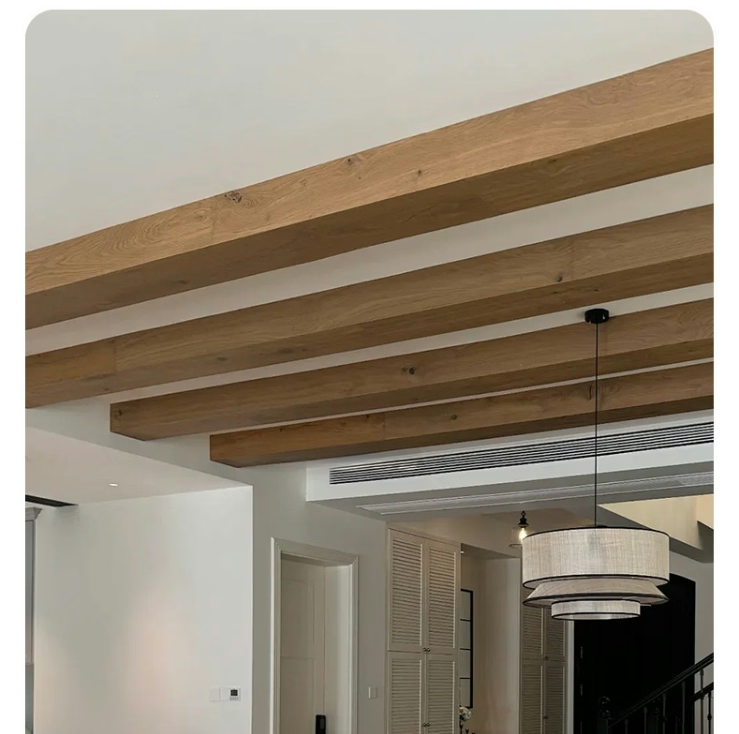
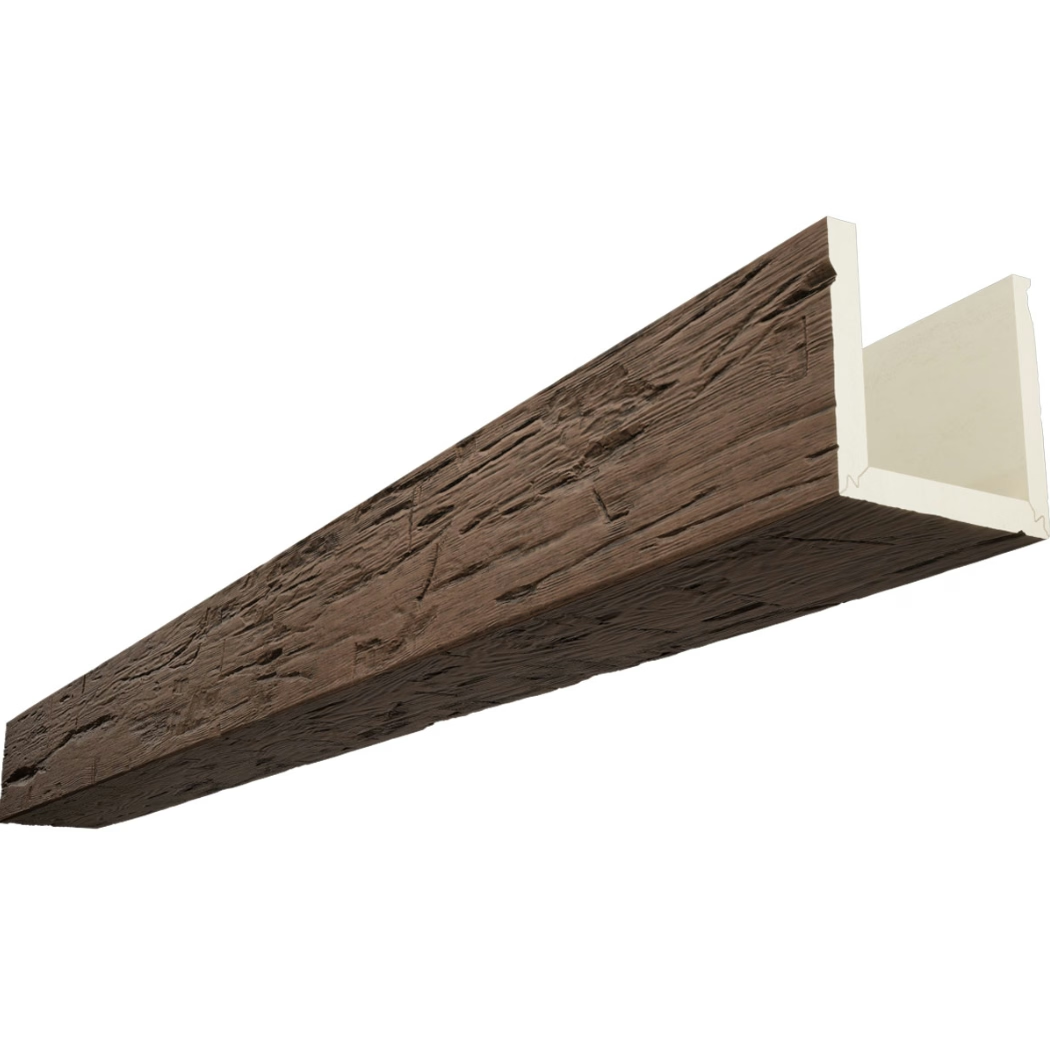
When you're outfitting a hotel chain or coordinating materials for a national retail buildout, color inconsistency isn't just an inconvenience—it's a project-threatening problem. I learned this lesson the hard way early in my career when a container of reclaimed beams arrived with wildly varying patina tones, forcing a three-week delay while we sourced matching replacements. That experience shaped how I approach manufacturing specifications ever since, and why batch color consistency control matters more than almost any other quality metric for wholesale buyers.
Modern faux wood beam manufacturers have developed sophisticated processes to address exactly this challenge. Unlike natural wood, where color variations reflect the organic growing conditions of individual trees, polyurethane manufacturing allows precise control over every aspect of the finished product's appearance. Understanding these control mechanisms helps wholesale buyers make informed decisions and communicate requirements clearly to their supply partners.
The Science Behind Batch Color Matching
Polyurethane faux beams derive their wood-like appearance through a combination of base formulation, surface texturing, and post-processing treatments. The raw polyurethane mixture carries pigments distributed evenly throughout the material, ensuring color penetrates the entire beam rather than sitting on the surface like paint on wood. This integral coloring means minor surface wear won't expose contrasting underlying material, maintaining appearance integrity throughout the product's lifespan.
Color matching begins with spectrophotometric analysis of target samples. Manufacturers use specialized instruments that measure color values across multiple spectral bands, generating precise numerical specifications that can be replicated consistently. Rather than relying on subjective visual comparison, this technology allows exact reproduction of desired tones across different production runs, even when months separate the orders.
Temperature and humidity during manufacturing directly impact final color values. The chemical reactions that cure polyurethane proceed differently under varying environmental conditions, subtly affecting the final color presentation. Leading manufacturers maintain climate-controlled production facilities where temperature stays within narrow bands and humidity remains consistent, eliminating these variables from the quality equation. When you request samples for approval, you're seeing color that will match production runs because both occur under identical environmental conditions.
Quality Control Processes at Scale
Large-scale production requires systematic sampling and testing protocols that go beyond visual inspection. Production batches undergo regular color measurements at multiple points along the manufacturing process. Operators check raw material inputs, intermediate formulations, and finished products against reference standards, documenting results in quality control records that trace every beam back to its specific production conditions.
The statistical process control methods used in modern manufacturing ensure consistency even as production volumes scale up. Rather than inspecting finished products and rejecting non-conforming units—an approach that becomes impractical at high volumes—manufacturers monitor process parameters that determine color outcomes. Any drift toward specification limits triggers immediate adjustment before defective products can be produced.
For wholesale orders requiring multiple containers or production runs, manufacturers maintain master reference samples that anchor color standards across time. These reference beams are produced under optimal conditions and stored carefully to preserve their original appearance. New production runs compare against these references, ensuring multi-container orders arriving months apart maintain visual continuity. This practice eliminates the frustrating scenario where first and last deliveries don't match.
Communicating Color Requirements Effectively
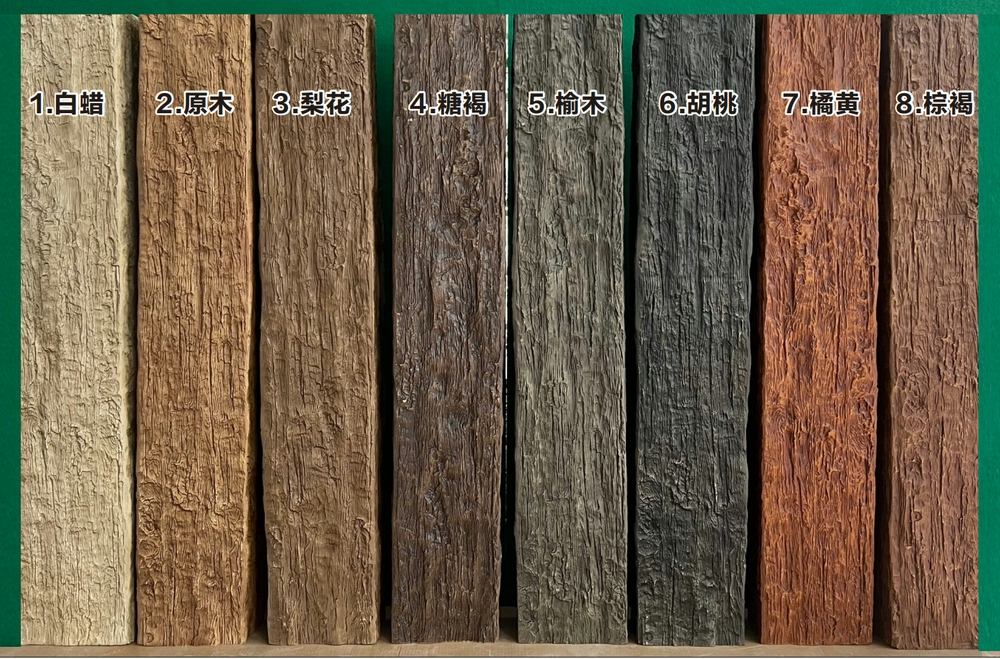
Buyers often struggle to articulate color requirements precisely, leading to misunderstandings that delay projects and damage relationships. Developing a shared color reference system solves this problem. Providing actual samples of desired wood species—oak, walnut, cedar, or any other target appearance—gives manufacturers a physical standard against which to match. Digital images alone prove unreliable due to monitor calibration differences and lighting variations in photography.
Many wholesale buyers request pre-shipment samples from the actual production batch destined for their order. This verification step catches any color deviation before containers seal and products enter transit. The investment in sample approval adds minimal time to overall delivery schedules while preventing costly mismatches at installation sites. Establishing a formal sample approval process in your purchasing contracts protects both parties and establishes clear acceptance criteria.
For projects requiring beams across multiple colorways or finish options, sequencing becomes important. If your order includes both light and dark beam variants, clarify how the manufacturer maintains separation between these distinct color families during production and packaging. Cross-contamination during color transitions or storage can create subtle unwanted tones that only become apparent during installation.
Working with Manufacturers on Large Orders
Relationship building with manufacturing partners pays dividends on color-critical orders. Manufacturers familiar with your project requirements and quality expectations learn to prioritize your specifications. They may schedule your production runs consecutively rather than mixing your order with others, ensuring identical processing conditions across all units. Long-term buyers often receive dedicated production slots that guarantee availability and consistent quality.
Production scheduling communication prevents many color consistency issues before they arise. When manufacturers know your delivery windows in advance, they can plan raw material batches to coincide with your production runs, ensuring identical input materials across all units. Raw material lot variations, even within specification tolerances, can create subtle differences between production runs that become apparent when beams are installed side by side.
Documentation requirements vary by project and industry. Commercial interior projects may require compliance with specific standards governing color tolerance ranges. Hospitality brands often have strict brand standards for interior finishes that extend to ceiling treatments. Understanding your project's documentation needs allows you to communicate these requirements to manufacturers upfront, ensuring proper quality records accompany your shipment.

Technical References
ASTM standards cited in every specification
Test Data
Lab results from internal testing program
Updated 2026
Reviewed against current product specs