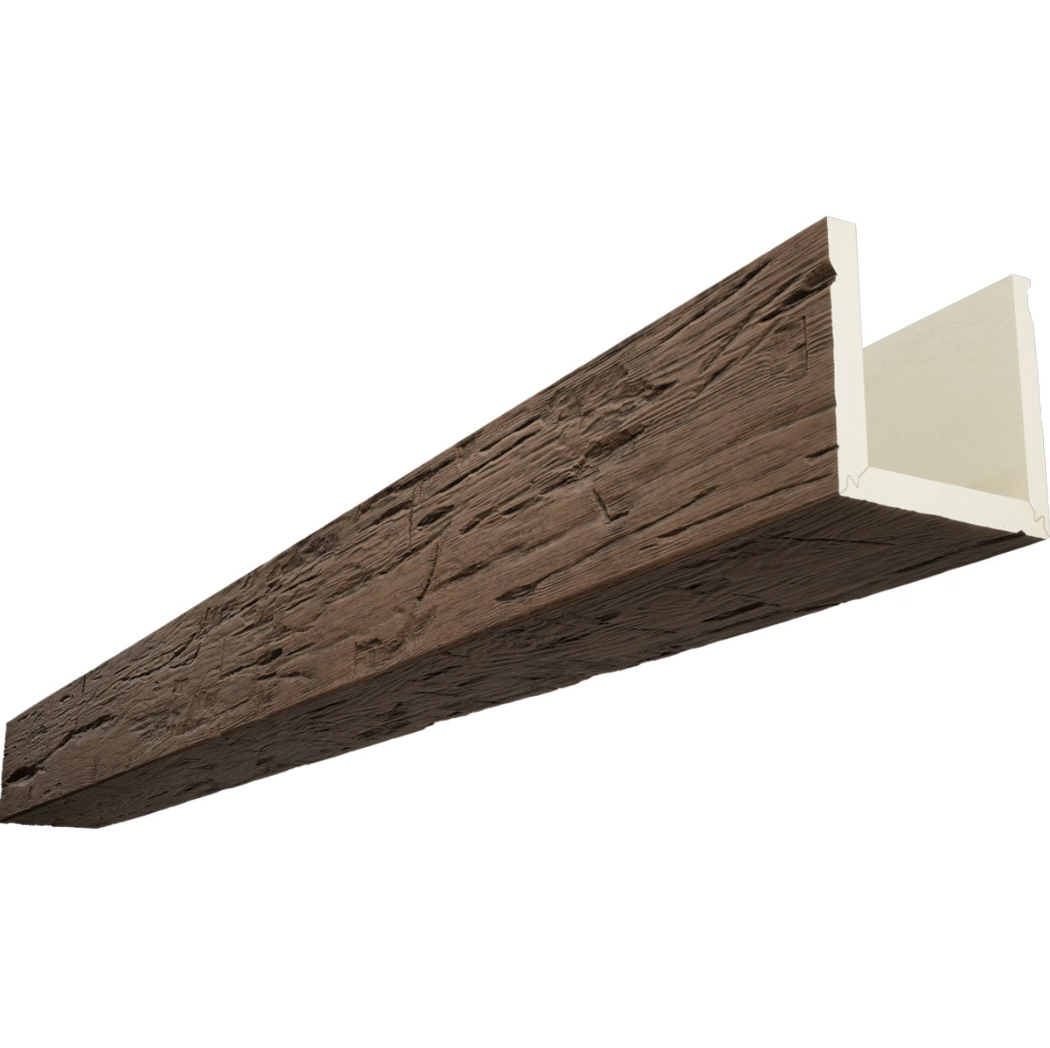
The global market for architectural finishing products has exploded over the past decade, and nowhere is this more evident than in the rapid growth of faux wood beam exports. What once was a product traded primarily within national borders now flows between continents daily. Managing quality across these extended supply chains presents challenges that differ fundamentally from domestic distribution. I've watched companies stumble repeatedly when they applied domestic quality assumptions to international commerce, and I've seen others thrive by understanding exactly what export markets demand.
Export quality control encompasses far more than the product itself. Customs regulations, material safety certifications, packaging requirements, and documentation standards all influence whether your shipments clear ports smoothly or languish in bureaucratic limbo. Getting any of these elements wrong costs money and reputation in equal measure. Understanding the complete picture helps you source products that actually arrive where they're needed, in the condition your customers expect.
Material Compliance Across Borders
Different regions maintain distinct chemical safety regulations that affect which materials can enter their markets. The European Union's REACH regulation controls chemical substances with particular stringency, requiring manufacturers to demonstrate compliance before products can clear European customs. Similar frameworks exist in the UK, Australia, and increasingly throughout Asia. Polyurethane faux beams manufactured for export must meet these varying requirements, which often means producing dedicated formulations for different regional markets.
Fire safety standards present another compliance category that varies significantly by destination. Building codes in different countries mandate specific flame spread ratings and smoke development classifications for interior finish materials. Faux beams installed in commercial spaces face particular scrutiny, with many jurisdictions requiring independent third-party testing and certification. Ensuring your supplier holds appropriate certifications for your target markets eliminates surprises when inspections occur.
Environmental regulations governing volatile organic compound emissions affect both manufacturing processes and finished product composition. Markets increasingly prioritize low-VOC products, with some regions effectively blocking high-emission materials from import. Discussing your target markets with manufacturers upfront allows them to confirm their formulations meet relevant environmental standards or adjust production to achieve compliance.
Packaging for Ocean Transit
Ocean freight subjects cargo to conditions unlike anything encountered in domestic shipping. Container interiors experience temperature extremes and humidity levels that can damage inadequately protected products. Waterproof packaging becomes essential, as condensation forms inside containers when warm cargo meets cold port environments or vice versa. Wrapping beams in moisture-resistant barrier materials and including desiccant packs protects products through the weeks or months that international transit requires.
Structural packaging design must account for the rough handling containers receive during loading and unloading operations. Forklift penetration through packaging, impacts from swinging cargo, and stacking pressures in container interiors all threaten product integrity. Export-grade packaging typically involves reinforced corner protection, internal bracing structures, and outer wrapping that resists tearing. The additional material cost pays for itself many times over by preventing damage claims and customer complaints.
Labeling requirements extend beyond simple shipping marks to include country-of-origin declarations, material content statements, and import compliance labels required by destination authorities. Manufacturers experienced with export orders maintain templates that meet common regulatory requirements while allowing customization for specific customer needs. Confirming labeling specifications before production prevents delays caused by missing or incorrect markings.

Documentation Package Essentials
International shipments travel with extensive paperwork that must accompany the cargo through multiple checkpoints. Commercial invoices itemize products and values for customs assessment, while packing lists detail contents enabling cargo verification. Certificates of origin confirm where products were manufactured, triggering preferential tariff treatment where applicable under trade agreements.
Material safety data sheets document chemical composition and handling requirements for products classified as potentially hazardous. While polyurethane faux beams present minimal safety concerns, some jurisdictions require these documents regardless of actual risk level. Maintaining current safety documentation prevents clearance delays when authorities request verification of material contents.
Test reports and certifications supporting product claims travel with documentation packages to demonstrate compliance upon request. Fire rating certificates, emissions test results, and structural load testing documentation allow importers to satisfy building authority requirements without arranging independent testing. Organizing these materials by market destination simplifies order processing for manufacturers serving multiple international clients.
Building Export Relationships
Successful international partnerships require information sharing that transcends typical domestic supplier relationships. Time zone differences, language considerations, and cultural business practices all influence how effectively you communicate requirements and resolve issues. Establishing clear channels for technical discussion prevents misunderstandings that written communication alone may not catch.
Factory audits provide confidence that production facilities meet the quality standards your customers expect. Visiting manufacturing operations reveals capabilities, quality processes, and capacity that vendor questionnaires cannot fully capture. Many buyers incorporate audit rights into their contracts, reserving the ability to inspect facilities before large orders and periodically thereafter to ensure consistent standards.
Payment terms in international trade typically differ from domestic arrangements, with letters of credit and other secure instruments protecting both parties across jurisdictional boundaries. Understanding which instruments your suppliers accept and which payment methods provide genuine protection requires research and sometimes professional guidance. Establishing reliable payment frameworks early in relationships enables smooth transaction processing as order volumes grow.

Technical References
ASTM standards cited in every specification
Test Data
Lab results from internal testing program
Updated 2026
Reviewed against current product specs