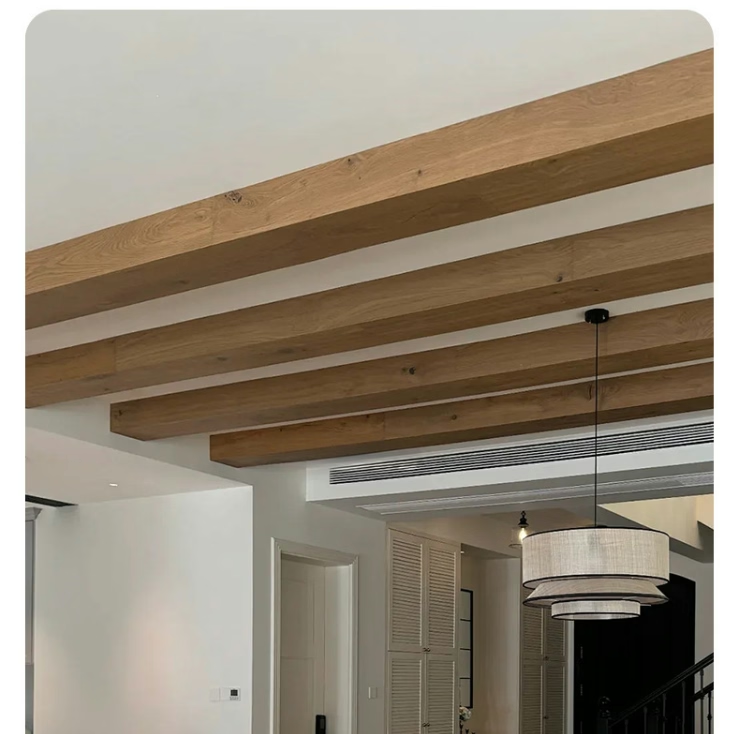
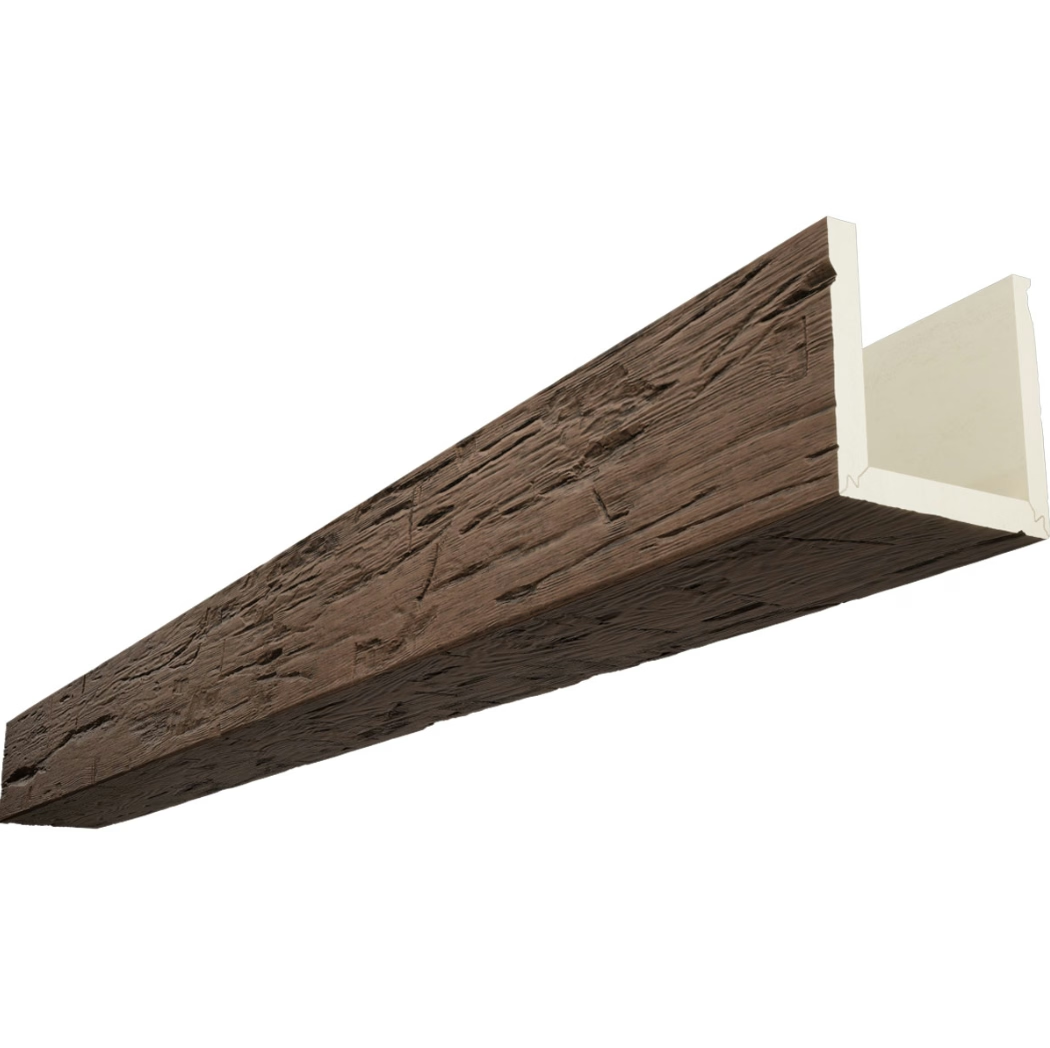
The first time I consulted on a restaurant installation where the client had specified faux beams, I thought the selection process would be straightforward. I was wrong. Walking into that space six months after opening revealed everything that can go wrong when commercial-grade expectations meet consumer-grade products. Scuffed surfaces, slight discoloration near heat sources, and seams that had begun separating at corners—the problems were minor individually but devastating to the cohesive aesthetic the designer had intended. That project taught me to ask questions I'd never considered, and those questions revealed how much quality variation exists within the faux beam category.
Commercial environments subject decorative elements to stresses that residential installations simply don't encounter. Thousands of people brushing past or reaching toward ceiling beams creates different maintenance demands than a living room visited occasionally by family members. Cleaning protocols, environmental conditions, and usage patterns all influence which products will perform acceptably over time. Understanding the quality parameters that matter for commercial work helps designers specify correctly and helps contractors source products that won't generate callbacks.
Material Composition Standards
Commercial-grade polyurethane formulations differ from budget alternatives in ways that aren't immediately apparent but prove significant over time. Higher-quality resins produce beams with better impact resistance, reducing visible damage from accidental contact with ladders, equipment, or everyday traffic. UV stabilizers mixed throughout the material—not just applied to surfaces—prevent the gradual degradation that causes cracking and color shift in products using surface-only protection.
Density specifications directly relate to durability and longevity. Higher-density polyurethane resists dents and deformation that lower-density materials suffer when subjected to mechanical stress. While density increases weight slightly—still nowhere near the weight of real wood—manufacturers can optimize formulations to balance durability against installation practicality. Commercial specifications should include minimum density requirements that exclude products too light to withstand commercial use conditions.
Fire performance becomes non-negotiable in most commercial applications. Building codes mandate specific flame spread and smoke development ratings for interior finish materials in public spaces. These ratings derive from standardized testing by accredited laboratories, and the test reports document exactly which products achieved compliance. Requesting current fire rating certificates confirms that the products you specify will satisfy code requirements in your jurisdiction.
Dimensional Precision Requirements
Commercial installations rarely allow the improvisation that residential projects permit. When beams must align with grid systems, coordinate with modular lighting layouts, or integrate with other architectural elements, dimensional inconsistency creates problems that can't be solved on-site. Tight tolerances become essential, and quality control processes must verify that every beam meets specifications before shipping.
Cross-sectional dimensions should hold within narrow tolerance bands across production runs. A beam specified as four inches by six inches should measure four inches by six inches—consistently, regardless of when it was manufactured. Some manufacturers use automated cutting and shaping equipment that maintains tighter tolerances than others. Understanding your supplier's manufacturing methods helps predict the consistency you can expect from their products.
Length consistency matters equally for projects using multiple beam segments. When beams must join end-to-end or align across room spans, length variations create gaps or overlaps that compromise appearance and structural continuity. Premium manufacturers measure and sort beams by length, ensuring that ordered quantities contain only pieces meeting specification tolerances. This sorting process adds cost but prevents installation problems that cost far more to resolve.
Surface Quality and Finish Standards
Commercial spaces require surfaces that withstand repeated cleaning without deterioration. The best faux beams accept touch-ups and repairs that blend seamlessly with surrounding material, enabling restoration of minor damage without visible evidence. Budget products may clean acceptably initially but show wear patterns or cleaning marks after standard commercial maintenance procedures.
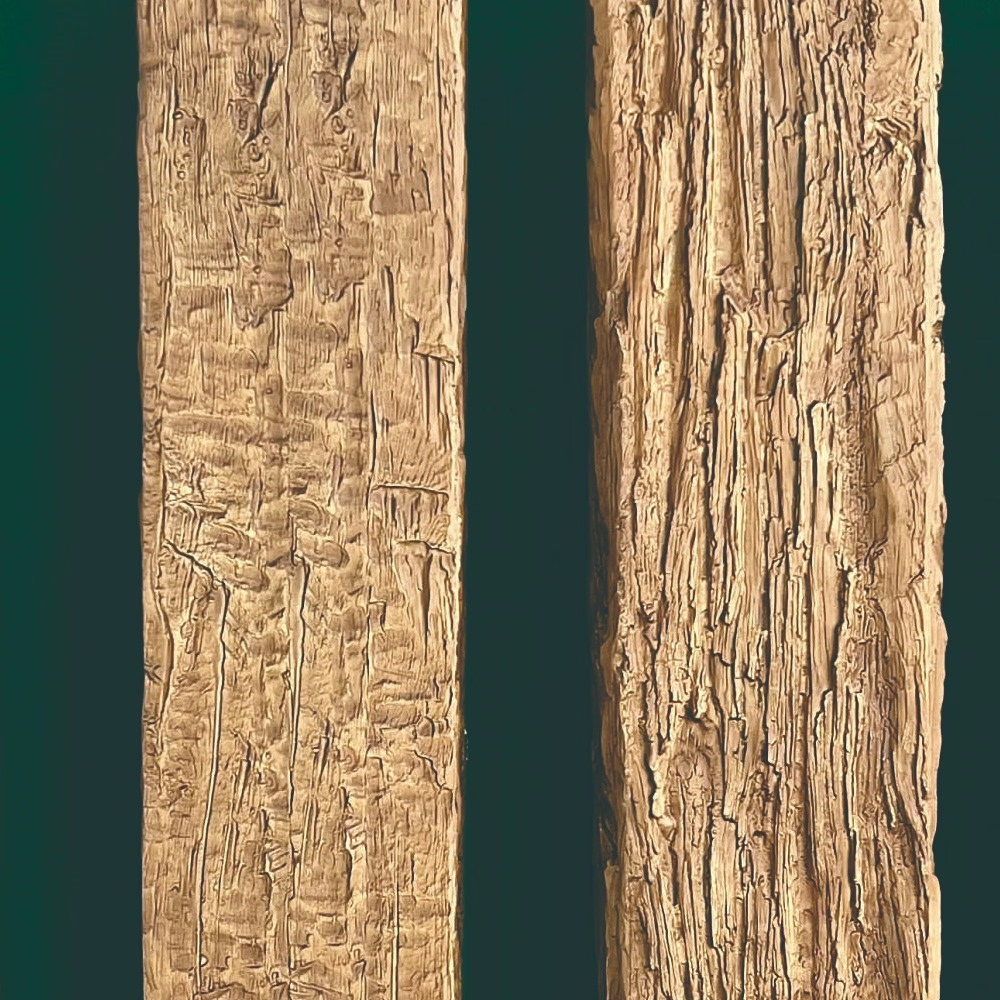
Texture consistency across beam surfaces affects both appearance and how light interacts with the material. Natural wood grain patterns flow continuously across natural beams, and quality faux reproductions should achieve similar visual continuity. Seams where mold halves join, if present, should be invisible in normal viewing conditions. Any texture interruptions or visible joints constitute quality defects in premium commercial products.
Color fastness under various lighting conditions matters particularly for restaurants, retail spaces, and hospitality venues where lighting design plays an aesthetic role. Products that shift color under warm lighting or appear different under LED versus incandescent sources create unexpected appearance changes as lighting systems are adjusted or replaced. Requesting samples and evaluating them under your project's actual lighting conditions prevents post-installation surprises.
Documentation and Warranty Considerations
Commercial projects require documentation that residential purchases typically don't demand. Submittals for architectural approval, fire rating documentation for building permits, and specifications sheets for maintenance staff all require current, accurate manufacturer information. Establishing documentation requirements early in the specification process prevents the delays that missing paperwork causes.
Warranty coverage differs significantly between commercial and residential contexts. Manufacturer warranties typically specify coverage periods and what defects are covered, but the claim process and support quality vary enormously. Products backed by responsive warranty support reduce the operational disruption that defects cause. Understanding warranty terms before specifying products protects your client's interests and your professional reputation.
Third-party certification programs provide additional assurance beyond manufacturer claims. Organizations testing and certifying products to published standards offer independent verification that specifications are met. Products bearing recognized certification marks have been evaluated by qualified testing laboratories, not just asserted to meet requirements by their manufacturers. This third-party validation proves valuable when defending product selection decisions to building authorities or挑剔 clients.

Technical References
ASTM standards cited in every specification
Test Data
Lab results from internal testing program
Updated 2026
Reviewed against current product specs