
The difference between budget faux beams and premium alternatives reveals itself over time and under scrutiny. Budget products may look acceptable in showroom lighting or quick glances, but living with them daily exposes their limitations. Premium faux beams cost more initially, but their performance over years—maintaining appearance, resisting damage, and continuing to satisfy—makes them genuinely economical choices.
I've had clients request both budget and premium options over the years. The budget installations always generated follow-up questions: Why does the finish look uneven? Can this scuff mark be touched up? Is the slight warp at this joint normal? The premium installations generated none of these concerns. The additional cost per beam translated directly to reduced maintenance attention and continued satisfaction. Understanding what premium actually means helps make informed purchasing decisions.
Defining Premium Quality
Premium doesn't simply mean expensive—it describes a combination of characteristics that together produce superior results. Multiple factors contribute to overall quality, and understanding each helps identify genuinely premium products rather than merely pricey ones. Marketing claims should be verified against these measurable characteristics.
Material density affects durability and appearance significantly. Higher-density polyurethane resists impacts, maintains dimensional stability, and accepts finishes more convincingly than lower-density alternatives. Density specifications vary by manufacturer, but premium products typically fall in the 4 to 6 pounds per cubic foot range. Products significantly lighter may save cost but sacrifice durability.
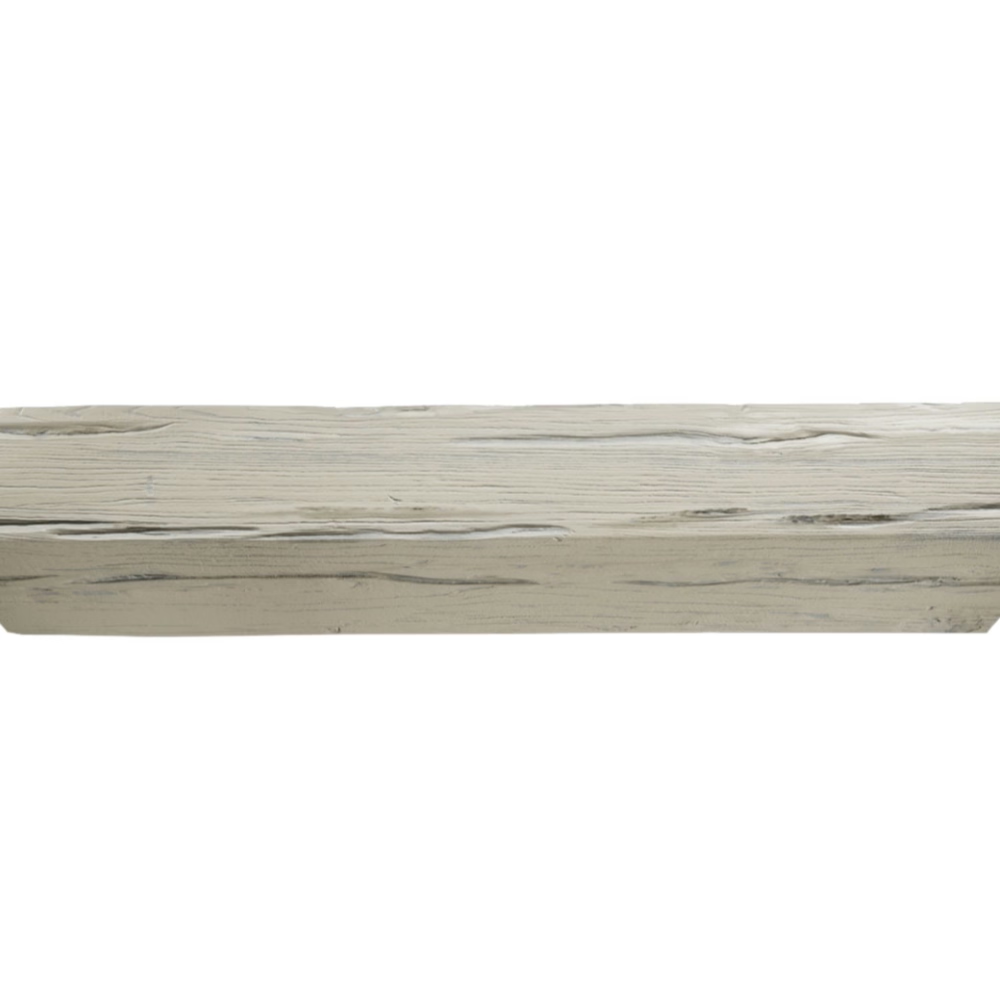
Surface texturing quality determines how convincing the wood reproduction appears. Premium manufacturers employ multiple-stage texturing processes that capture wood grain complexity. Lower-quality products use simplified textures that read as obviously artificial under close inspection. The additional manufacturing investment in quality texturing is immediately apparent in finished installations.
Color application method distinguishes premium from budget products. Premium faux beams have integral color throughout the material, not just surface coating. This means any damage revealing the interior also reveals matching color, simplifying repairs. Surface-coated products show white or differently colored interiors when damaged, making touch-ups obvious and repairs necessary.
Appearance Benefits of Premium
Wood grain authenticity represents the most visible quality difference. Premium products capture the organic irregularity that makes wood appear natural—the growth rings, color variations, and subtle imperfections that cannot be faked through simple texturing. Close inspection of premium beams reveals complexity that budget products simply don't possess.
Consistency across installations ensures that multiple beams work together harmoniously. Premium manufacturing produces pieces that match closely, so beams installed side by side appear as if they belong together. Budget products may vary noticeably between pieces, creating the patchwork appearance that makes cheap installations obvious.
Finish durability affects appearance maintenance over time. Premium surfaces resist the scuffs, scratches, and cleaning marks that daily life creates. They accept touch-up repairs that blend seamlessly when damage does occur. Budget surfaces show wear more readily and touch up less successfully, creating appearance degradation that compounds over time.

Long-Term Value Considerations
Initial cost differences between budget and premium products narrow when lifecycle costs are considered. Budget products may require replacement sooner due to damage or appearance degradation. Premium products, properly maintained, can outlast multiple generations of budget products. The cost per year of service favors premium despite higher initial investment.
Warranty coverage reflects manufacturer confidence in their products. Premium products typically carry longer warranties—often five years or more—while budget products may offer one year or less. The warranty itself doesn't guarantee performance, but manufacturers willing to warrant their products extensively typically produce more reliable goods.
Support availability affects actual warranty value. Premium manufacturers typically provide technical support, replacement part availability, and responsive customer service. When questions or problems arise, this support proves valuable. Budget products often lack meaningful support infrastructure, leaving purchasers on their own when issues develop.
Sourcing Premium Products
Not all suppliers stock genuinely premium products, regardless of what they claim. Developing relationships with manufacturers or authorized distributors ensures authentic premium sourcing. Gray market and counterfeit products may carry premium pricing while delivering budget performance.
Manufacturer verification through documentation and facility inspection confirms product quality claims. Asking for test reports, visiting production facilities, and requesting reference installations all provide evidence beyond marketing claims. Reputable manufacturers welcome this due diligence as part of relationship building.
Sample evaluation before substantial orders provides firsthand quality assessment. Premium products should look and feel substantially better than budget alternatives. Ordering samples allows direct comparison, ensuring that specified products match expectations before committing to full orders. Reputable suppliers provide samples or accept returns if products don't meet expectations.
Maximizing Premium Investment
Even premium products require appropriate installation to realize their quality potential. Proper surface preparation, appropriate adhesive selection, and careful alignment ensure that quality materials translate into quality results. Saving money on professional installation to afford premium materials often proves counterproductive.
Maintenance requirements for premium products remain modest but present. Regular cleaning, occasional touch-ups, and prompt attention to any damage maintains appearance over years. Understanding maintenance needs before purchase prevents the neglect that degrades even premium products over time.
Protection during construction or renovation prevents damage that would require warranty claims or replacement. Premium beams installed late in construction sequences—after painting, before final cleaning—minimize exposure to damage risks. When earlier installation is necessary, protective covering prevents the scratches, impacts, and chemical exposure that degrade appearance.

Technical References
ASTM standards cited in every specification
Test Data
Lab results from internal testing program
Updated 2026
Reviewed against current product specs

