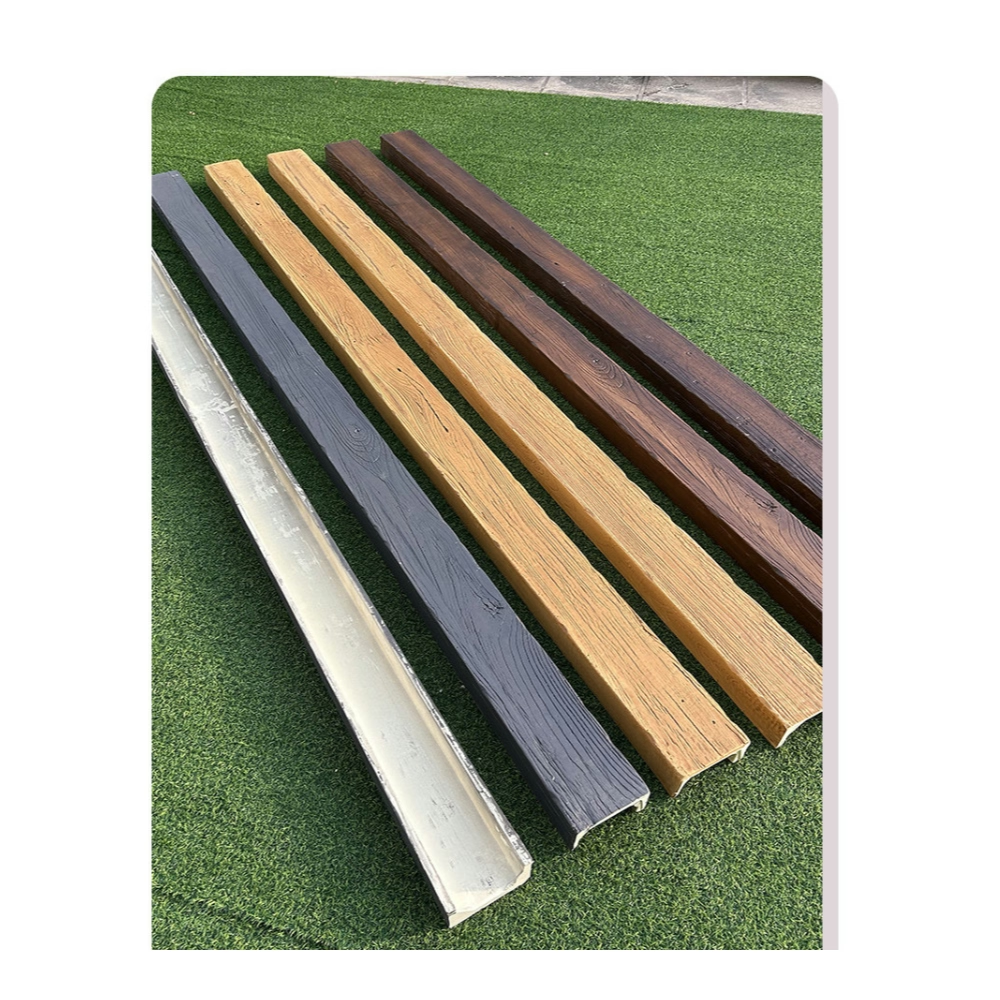
When renovation projects demand both structural integrity and visual appeal, C-channel profile PU faux wood beams provide an elegant solution that satisfies practical requirements without compromising on aesthetics. These specialized beams feature a distinctive open-back design that allows them to slip over existing structural elements, transforming plain steel or concrete columns into visually striking focal points that enhance interior spaces.
The C-channel profile represents one of the most versatile configurations in the faux wood beam market. Its design accommodates structural wrapping applications where traditional timber beams would prove impractical due to weight constraints or installation complexity. Manufacturing facilities produce these beams using high-density polyurethane resin, resulting in products that weigh significantly less than natural wood while offering remarkable durability and resistance to common environmental challenges.
Understanding C-Channel Profile Construction
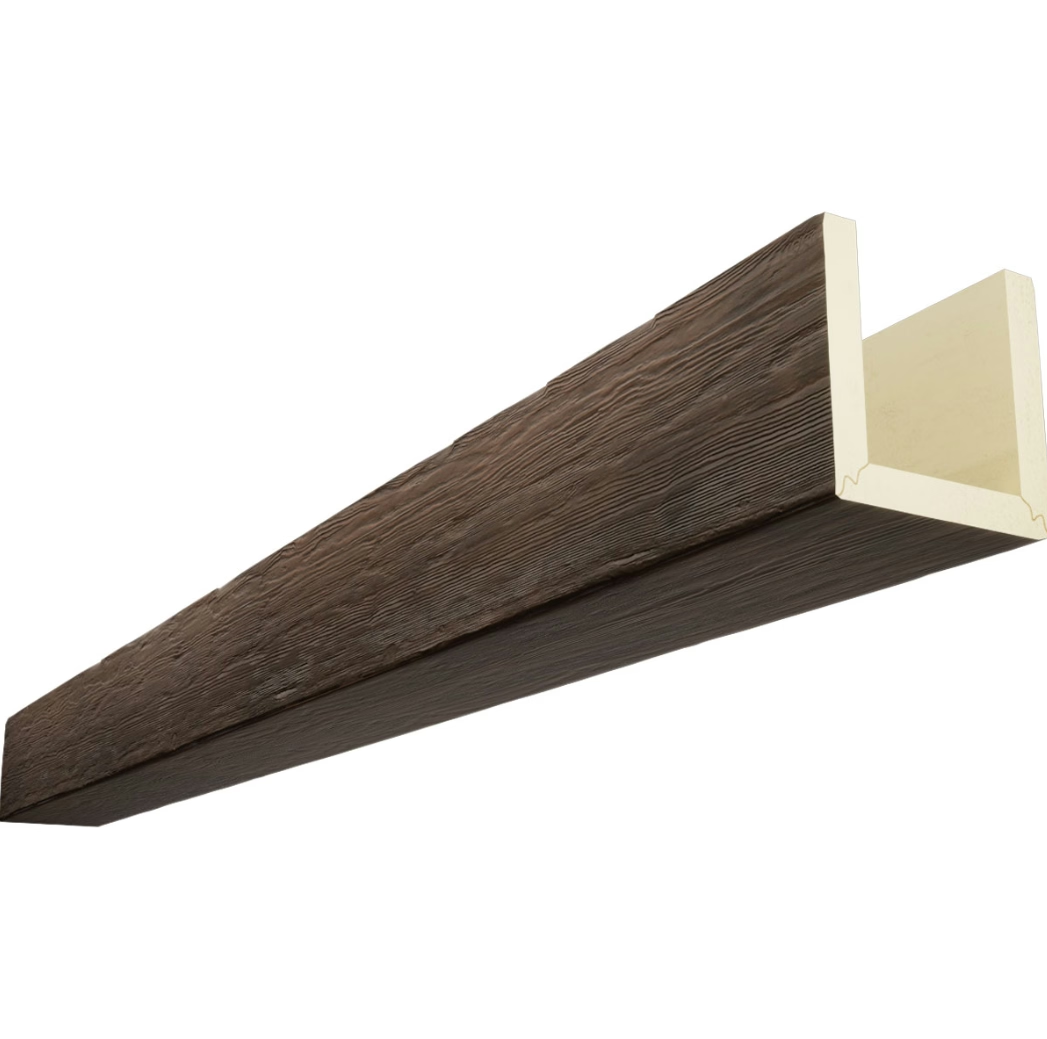
The structural advantage of C-channel profile beams lies in their thoughtful geometry. The open-back configuration allows installation crews to position the beam around existing structural elements without requiring disassembly or modification of the underlying framework. This characteristic proves particularly valuable in commercial renovation projects where downtime must be minimized and existing infrastructure must remain operational throughout the installation process.
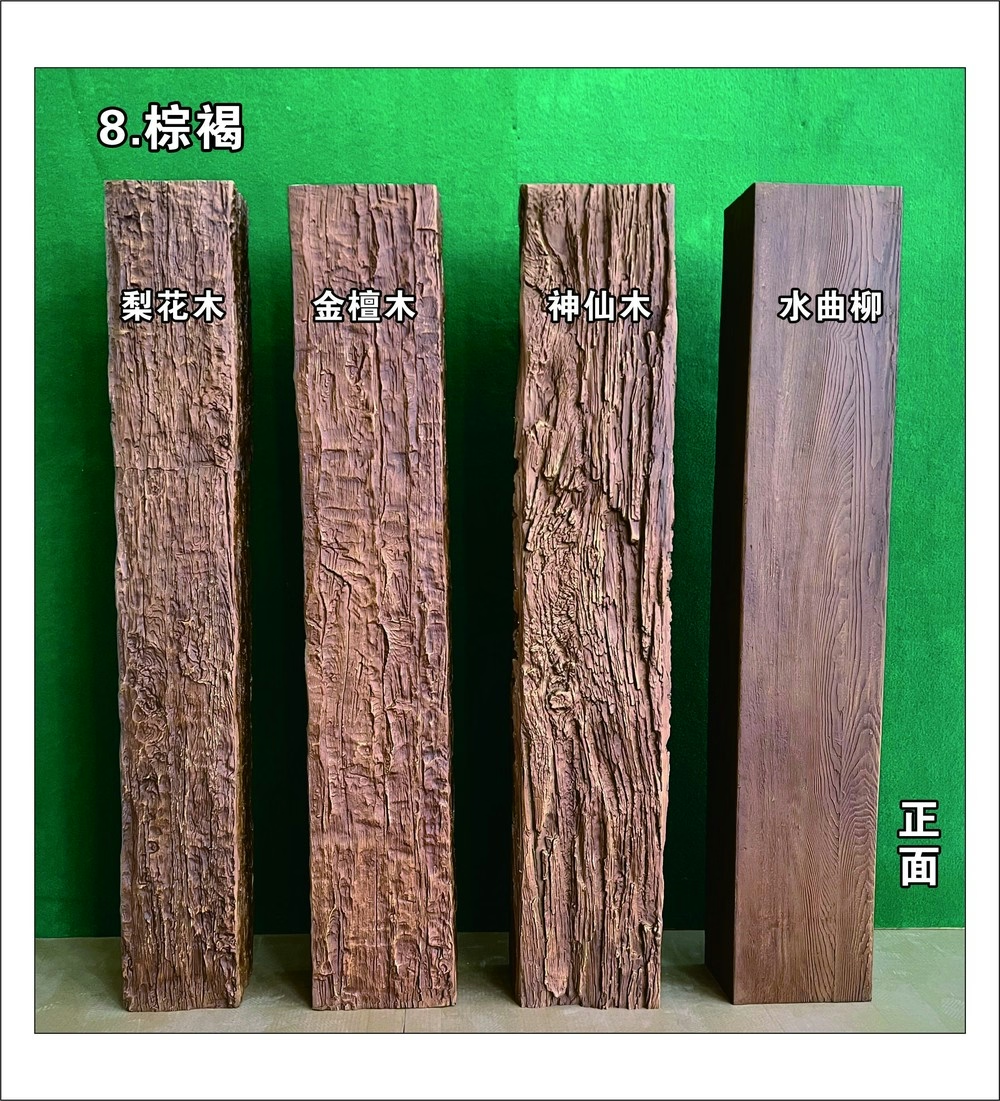
Manufacturing precision ensures consistent quality across production runs. The polyurethane material accepts wood-grain textures with remarkable accuracy, capturing the subtle variations and organic patterns that distinguish authentic timber from synthetic alternatives. Surface finishes range from smooth contemporary treatments to rough-hewn rustic textures, enabling designers to select appearances that complement specific architectural styles and interior design schemes.
The material composition of quality polyurethane beams includes additives that enhance UV stability, impact resistance, and thermal performance. These enhancements extend the functional lifespan of installed beams while maintaining their visual appearance over years of use. Unlike natural wood, polyurethane does not absorb moisture, warp, crack, or require periodic refinishing to preserve its appearance.

Installation Advantages for Commercial Projects
Commercial construction and renovation projects benefit substantially from the installation characteristics of C-channel profile PU beams. The lightweight nature of polyurethane material reduces shipping costs, simplifies material handling on job sites, and allows installation by smaller crews without specialized lifting equipment. A single worker can typically manage beams up to twelve feet in length, whereas natural timber beams of equivalent size would require multiple personnel or mechanical assistance.
The installation process itself proceeds efficiently once proper measurements have been obtained. Beams arrive pre-finished from manufacturing facilities, eliminating the need for on-site painting, staining, or sealing operations. This characteristic reduces project timelines and minimizes the disruption associated with renovation work in occupied commercial spaces such as retail stores, restaurants, office buildings, and hospitality venues.
Attachment methods vary depending on structural requirements and aesthetic preferences. Mechanical fasteners provide secure connections for high-load applications, while adhesive bonding creates seamless appearances where fastener visibility would detract from the intended visual effect. Some installers employ combinations of both methods to achieve optimal results in challenging installation environments.
The C-channel design accommodates thermal expansion and contraction more effectively than closed-profile alternatives. This flexibility reduces stress on attachment points during temperature fluctuations, contributing to long-term installation stability in environments with variable climate conditions. HVAC systems, exterior wall exposure, and seasonal temperature changes all influence the thermal movement that beams must accommodate.
Design Applications Across Interior Styles
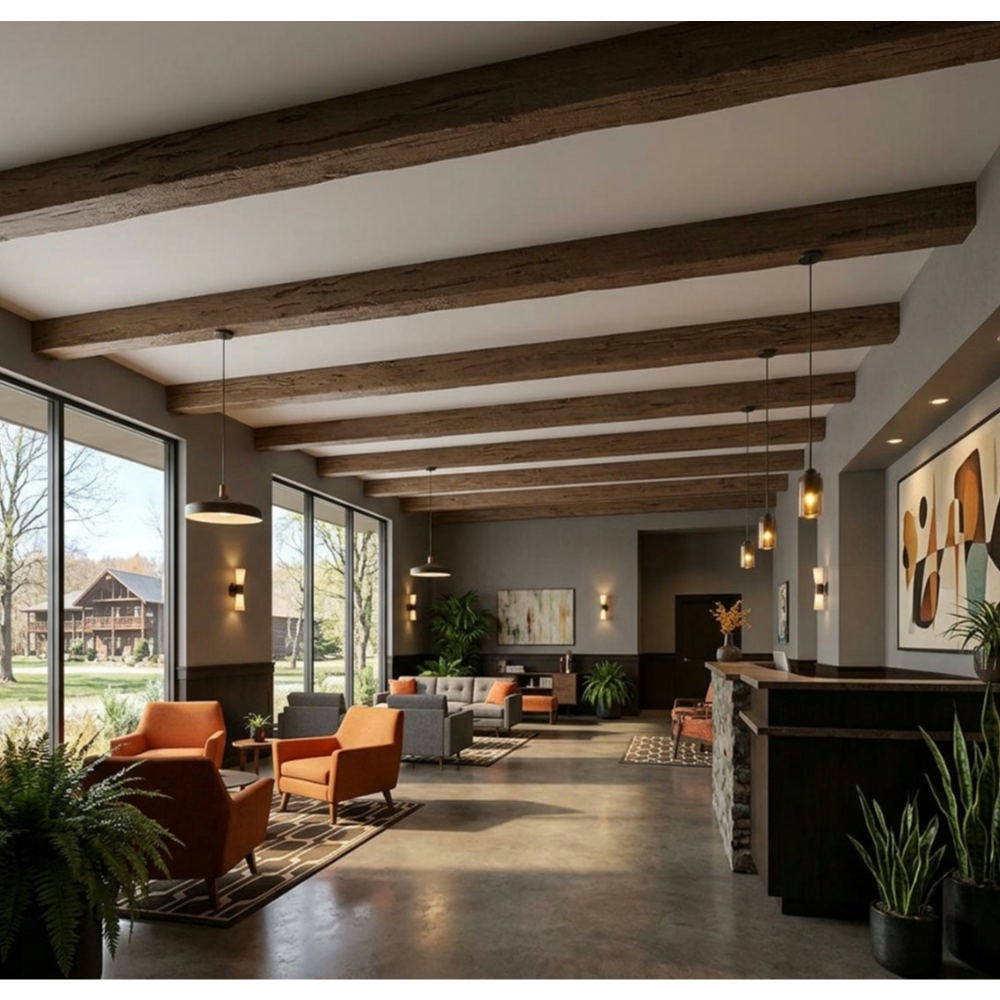
Contemporary interior design frequently incorporates C-channel profile beams for their ability to create visual separation between functional zones while maintaining open sightlines throughout spaces. The wrapping application allows designers to define areas within large, open floor plans without introducing solid partitions that would interrupt natural light distribution or traffic flow patterns.
hospitality venues increasingly specify polyurethane beams for their ability to create rustic atmospheres without the maintenance requirements associated with authentic timber. Hotel lobbies, restaurant dining areas, and bar spaces benefit from the warm, inviting appearance that wood-grain textures provide while avoiding concerns about moisture damage, insect infestation, or fire classification issues that sometimes accompany natural wood products.
Residential applications extend to home renovation projects where homeowners seek to add architectural interest to otherwise plain ceiling constructions. C-channel beams effectively disguise exposed ductwork, wiring conduits, and structural irregularities while contributing to design schemes that range from farmhouse aesthetics to modern industrial themes. The versatility of polyurethane allows manufacturers to produce beams in various widths, depths, and finish options to accommodate diverse project requirements.
Retail environments utilize C-channel profile beams to establish brand identities and create memorable customer experiences. The ability to customize surface treatments, colors, and textures enables retailers to achieve specific aesthetic goals while maintaining consistent quality across multiple store locations. This reproducibility distinguishes polyurethane beams from natural timber, where color variations and grain patterns inherently differ between individual pieces.
Material Performance and Longevity
Polyurethane faux wood beams demonstrate exceptional performance characteristics that contribute to their growing popularity across residential and commercial applications. The material resists moisture absorption, eliminating concerns about rot, mold, or structural degradation in humid environments. This resistance proves particularly valuable in applications such as bathroom ceilings, kitchen installations, and outdoor covered areas where natural wood might deteriorate rapidly.
Impact resistance represents another significant advantage of polyurethane construction. The material absorbs and distributes impact energy more effectively than natural wood, reducing the likelihood of denting, chipping, or cracking from accidental contact. This characteristic makes polyurethane beams suitable for high-traffic commercial environments where furniture repositioning, equipment movement, or routine maintenance activities might damage less resilient materials.
Fire performance ratings vary by product formulation and manufacturer. Quality polyurethane beams incorporate fire retardant additives that inhibit flame spread and reduce smoke development, meeting building code requirements in most jurisdictions. Specifiers should verify that selected products carry appropriate certifications for intended applications, particularly in commercial buildings where fire safety regulations may mandate specific material performance standards.
Thermal insulation properties of polyurethane contribute to energy efficiency goals in buildings where ceiling beams are installed. The material's low thermal conductivity helps reduce heat transfer between conditioned interior spaces and unconditioned attic or roof areas, complementing insulation systems and potentially reducing heating and cooling energy consumption over building operational lifetimes.
Specification Considerations for Procurement
Professional procurement of C-channel profile PU beams requires attention to dimensional specifications, finish requirements, and performance certifications. Project specifications should clearly indicate required beam dimensions including depth, width, and length tolerances. C-channel configurations may vary in opening width and wall thickness, affecting both aesthetic appearance and structural wrapping capability.
Finish specifications should reference appropriate industry standards or manufacturer product lines to ensure consistent quality across ordered quantities. Color matching between beams and adjacent trim elements requires careful coordination, as polyurethane finishes may differ slightly from paint or stain products applied on-site to surrounding surfaces. Procurement specialists often request samples before committing to large orders to verify aesthetic compatibility.
Lead time considerations influence project scheduling, particularly for custom dimensions or non-standard finishes. Standard product lines typically ship within established timeframes, while custom fabrication may require additional weeks for production and quality verification. Project managers should coordinate procurement schedules with installation timelines to ensure material availability when needed without creating excessive on-site storage requirements.
Warranty coverage and manufacturer support represent important factors in procurement decisions. Reputable manufacturers back their products with warranties covering material defects, finish durability, and dimensional stability under normal use conditions. Access to technical support during specification and installation phases provides valuable assistance for resolving challenging applications or addressing site-specific requirements.
Technical References
ASTM standards cited in every specification
Test Data
Lab results from internal testing program
Updated 2026
Reviewed against current product specs