Consistency and precision define the aesthetic appeal of square shell faux timber beams in contemporary interior design. Where rustic applications celebrate the organic variations of natural timber, modern and minimalist design often demands geometric exactness that natural materials cannot reliably provide. Square shell polyurethane beams deliver this precision consistently, enabling installations where every beam matches its neighbors perfectly.
The square profile represents one of the most versatile beam geometries, working effectively in both singular accent applications and repetitive grid arrangements. Its clean lines complement contemporary architectural vocabulary while providing enough visual presence to anchor spaces meaningfully. The shell construction approach achieves this profile with minimal weight, simplifying installation and reducing structural demands on ceiling systems.
Square Shell Construction Characteristics
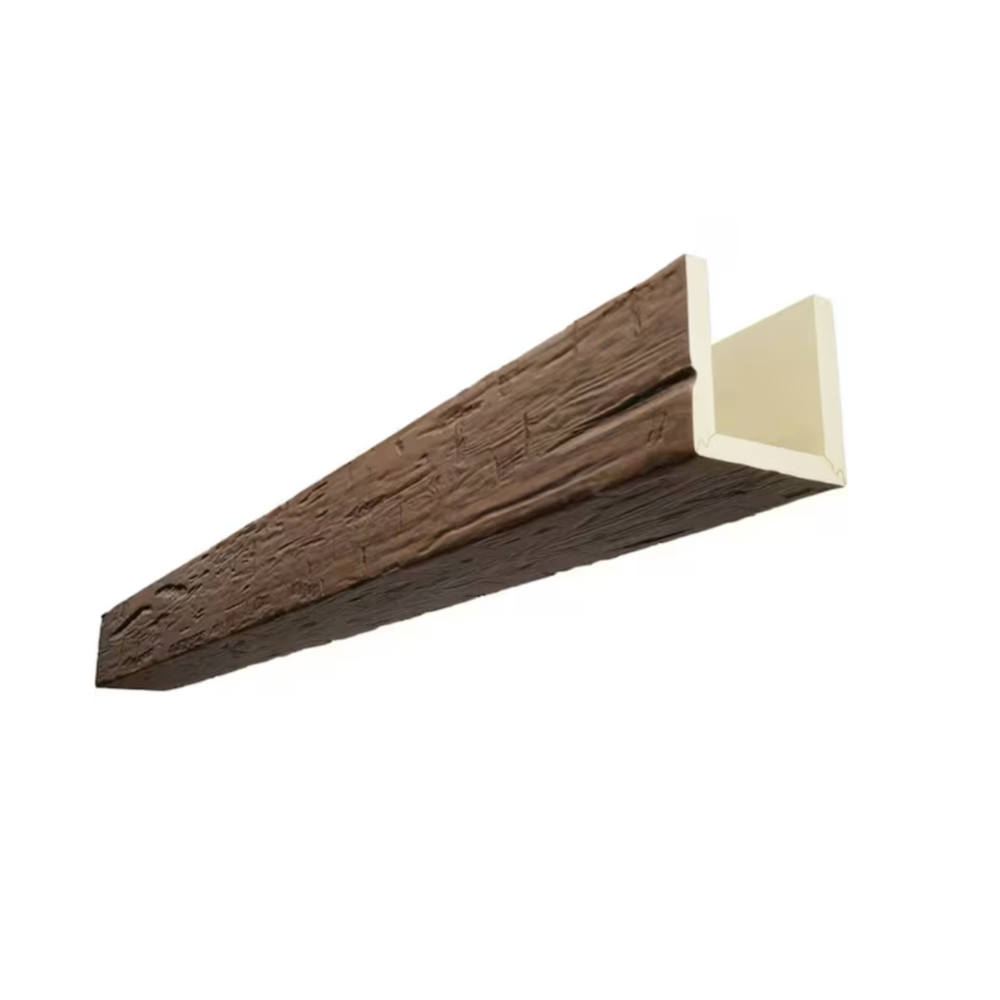
The hollow shell construction technique achieves square profiles by forming continuous surfaces around empty interior cavities. This approach provides full-dimensional appearance from any viewing angle while eliminating unnecessary interior material. The resulting beams appear identical to solid square timbers while weighing a fraction of what natural wood of equivalent dimensions would require.
Corner geometry in square shell beams determines much of their visual character. Sharp, crisp corners project contemporary precision, while slightly radiused corners soften the appearance for transitional applications. The mold tooling that produces these corners reflects significant manufacturing investment, with quality products maintaining consistent corner treatment throughout production runs and across multiple units ordered for a project.
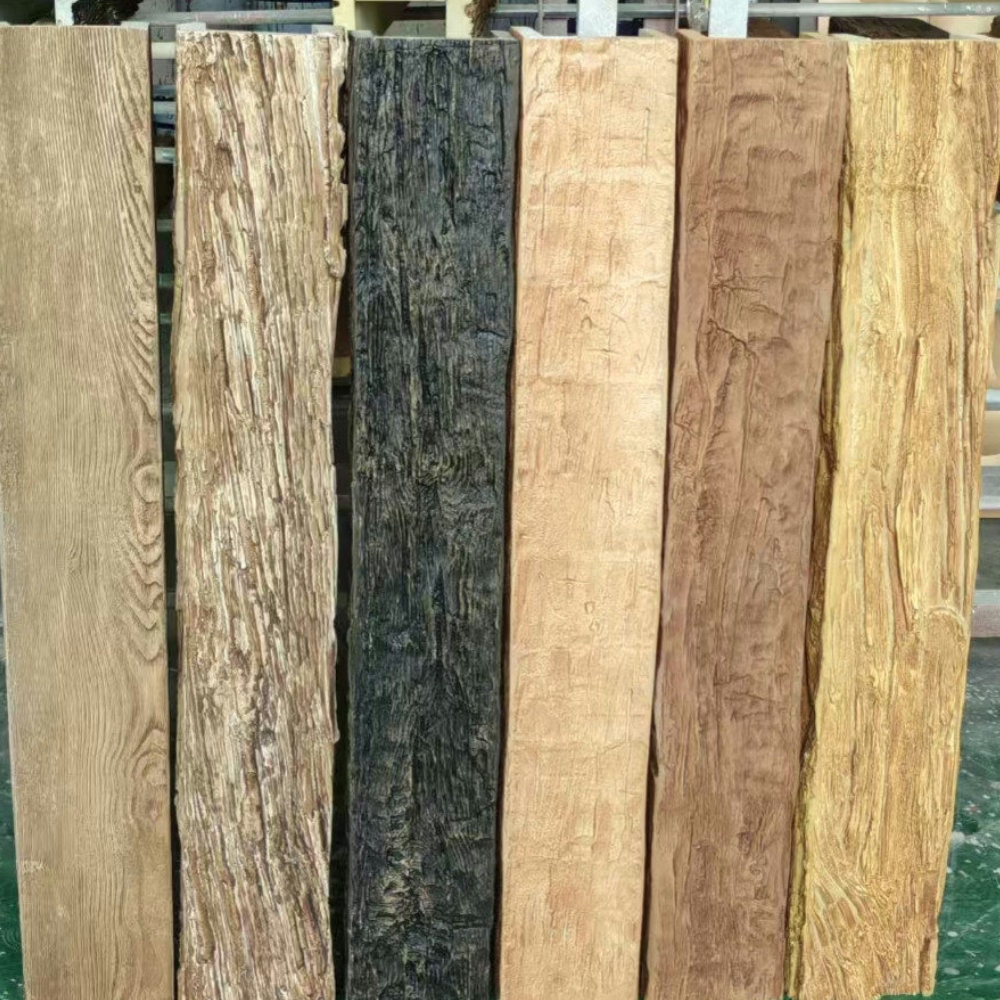
Surface texture options for square shell beams range from ultra-smooth contemporary finishes to deeply carved wood-grain reproductions. The square profile accommodates both extremes effectively, with smooth finishes emphasizing the geometric purity of the shape while textured finishes add visual interest that prevents surfaces from appearing flat or sterile. The selection between these options should coordinate with overall interior design intentions.
Wall thickness specifications determine both structural performance and finish stability in square shell beams. Thicker walls provide more substantial feel and better impact resistance, while thinner walls reduce weight further. Quality products balance these considerations appropriately for their target applications, with premium options typically featuring walls thick enough to resist minor damage while remaining light enough for easy handling.

Uniformity Advantages in Multi-Beam Installations
Projects requiring multiple beams benefit substantially from the consistency that manufactured square shell beams provide. Each beam in an order arrives with identical dimensions, finish, and texture, eliminating the grading and selection work that natural timber installations require. This consistency simplifies installation planning and reduces waste from pieces that don't match their neighbors.
Grid and coffered ceiling patterns particularly benefit from square shell beam uniformity. These designs depend on precise alignment and consistent proportions across extensive installations, where variations would disrupt the rhythmic patterns that define their visual impact. Square shell beams enable these complex patterns by providing the dimensional predictability that natural materials cannot match.
Commercial chain installations require consistency across multiple locations that natural wood variations would prevent. Retail brands, restaurant chains, and hospitality companies specifying square shell beams can achieve identical appearances in every property, supporting brand consistency goals that vary natural materials would compromise. This reproducibility distinguishes manufactured beams as superior choices for multi-location projects.
Renovation matching becomes possible when original construction included beams that may no longer be available. New installations using current square shell products can match existing beams closely enough for seamless additions or replacements. This matching capability extends the useful life of original installations by enabling future repairs or extensions without searching for unavailable original materials.
Design Integration Strategies
Monochromatic color schemes pair effectively with square shell beams finished to match adjacent ceiling surfaces. When beams disappear visually into the ceiling plane, the geometric edges still provide subtle definition that prevents flat, uninteresting surfaces. This subtle approach works well in minimalist interiors where visual clutter would undermine design intentions.
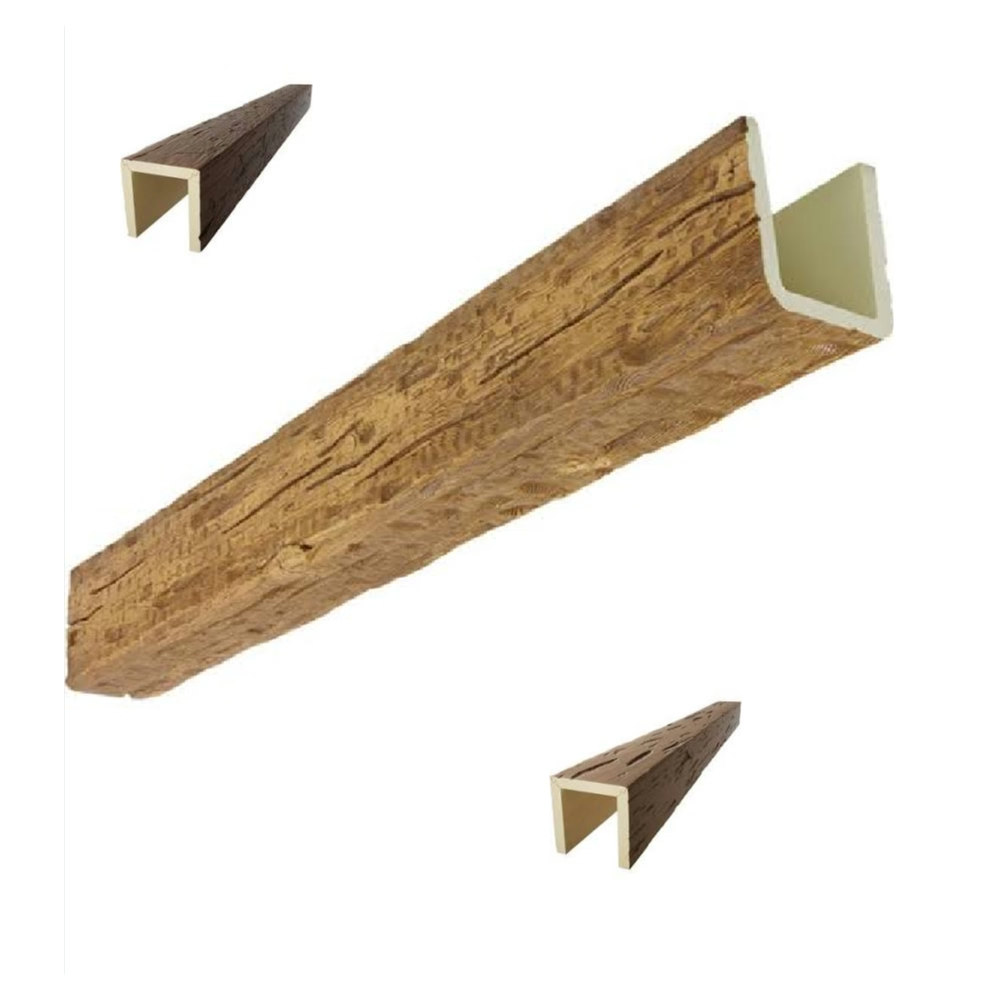
Contrast finishing creates stronger visual presence by differentiating beam color from surrounding surfaces. Natural wood tones against white ceilings establish warm focal points that guide attention and define spatial zones. The square profile's clean geometry makes these contrasting installations particularly striking, with the beam edges creating crisp visual boundaries.
Mixed profile arrangements sometimes combine square shell beams with other geometric shapes, creating layered visual complexity. Pairing square beams with rectangular beams of different proportions or integrating round elements can create sophisticated compositions that reward close inspection. These mixed arrangements require careful proportioning to avoid visual confusion, with the square profile often serving as the stable geometric anchor in such compositions.
Scale relationships between beam size and room dimensions deserve careful attention. Oversized square beams in modest rooms create imposing atmospheres that may overwhelm other design elements, while undersized beams in generous spaces may disappear without contributing meaningful visual interest. Proportional balance typically places beam dimensions in the range of one-twelfth to one-sixth of ceiling span, adjusted for ceiling height and design intensity.
Installation Best Practices
Handling square shell beams requires attention to their hollow construction, which creates vulnerability at corners and along edges. Lifting beams from underneath rather than grasping edges prevents denting or deformation that would compromise finished appearance. Protective packaging during shipping and storage preserves corner condition until installation.
Alignment verification throughout installation ensures that square beams maintain intended positioning. Laser levels or taut string lines establish reference planes that guide beam placement, catching cumulative alignment errors before they become visually apparent. Square profiles make alignment errors particularly noticeable since the crisp geometry emphasizes any deviations from intended position.
Connection hardware selection should accommodate the hollow nature of shell construction. Standard wood screws may not provide adequate engagement in the thin wall material, requiring specialized hardware or reinforcement plates. Manufacturer specifications typically indicate recommended attachment approaches that account for shell construction limitations.
Field cutting of square shell beams requires techniques that preserve edge quality and finish compatibility. Power miter saws with fine-toothed blades produce clean cuts through polyurethane, which can then be finished to match factory edges. Cut surfaces typically accept stain or paint after light sanding to remove surface contamination, restoring appearance to match uninterrupted surfaces.
Technical References
ASTM standards cited in every specification
Test Data
Lab results from internal testing program
Updated 2026
Reviewed against current product specs