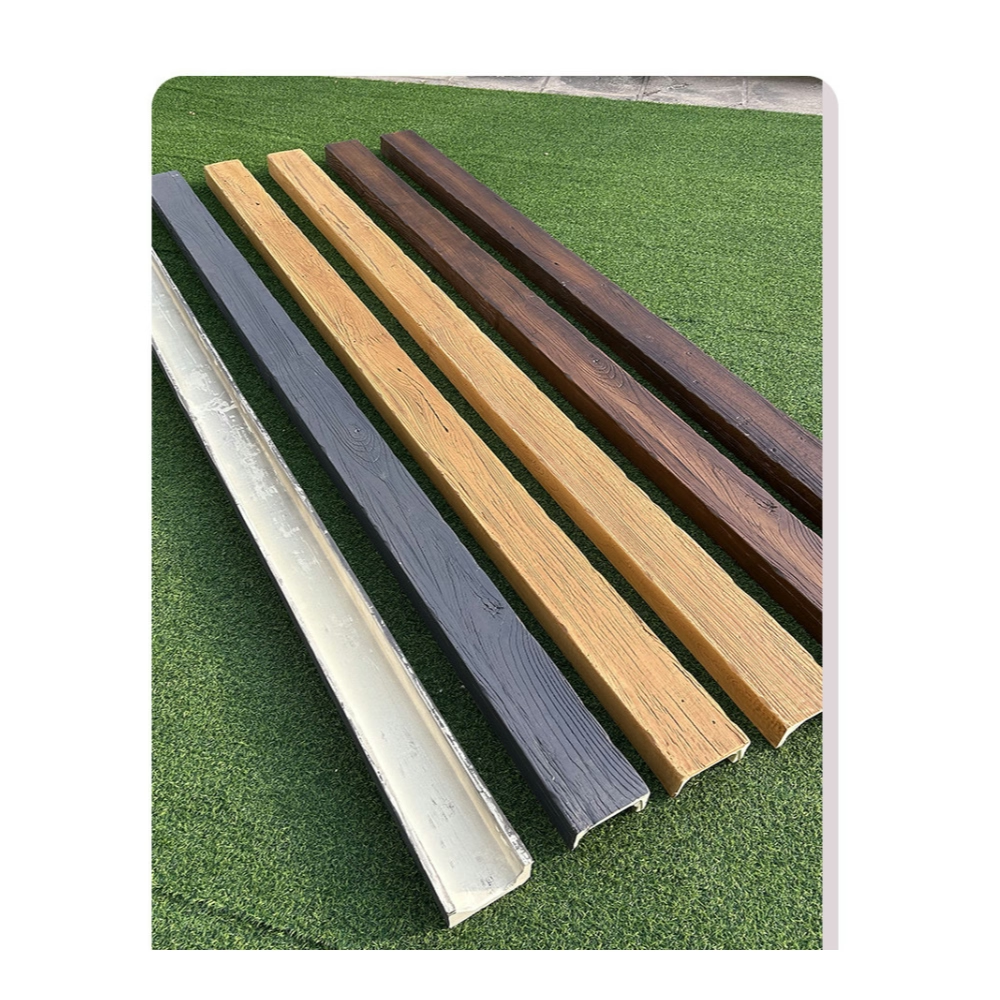
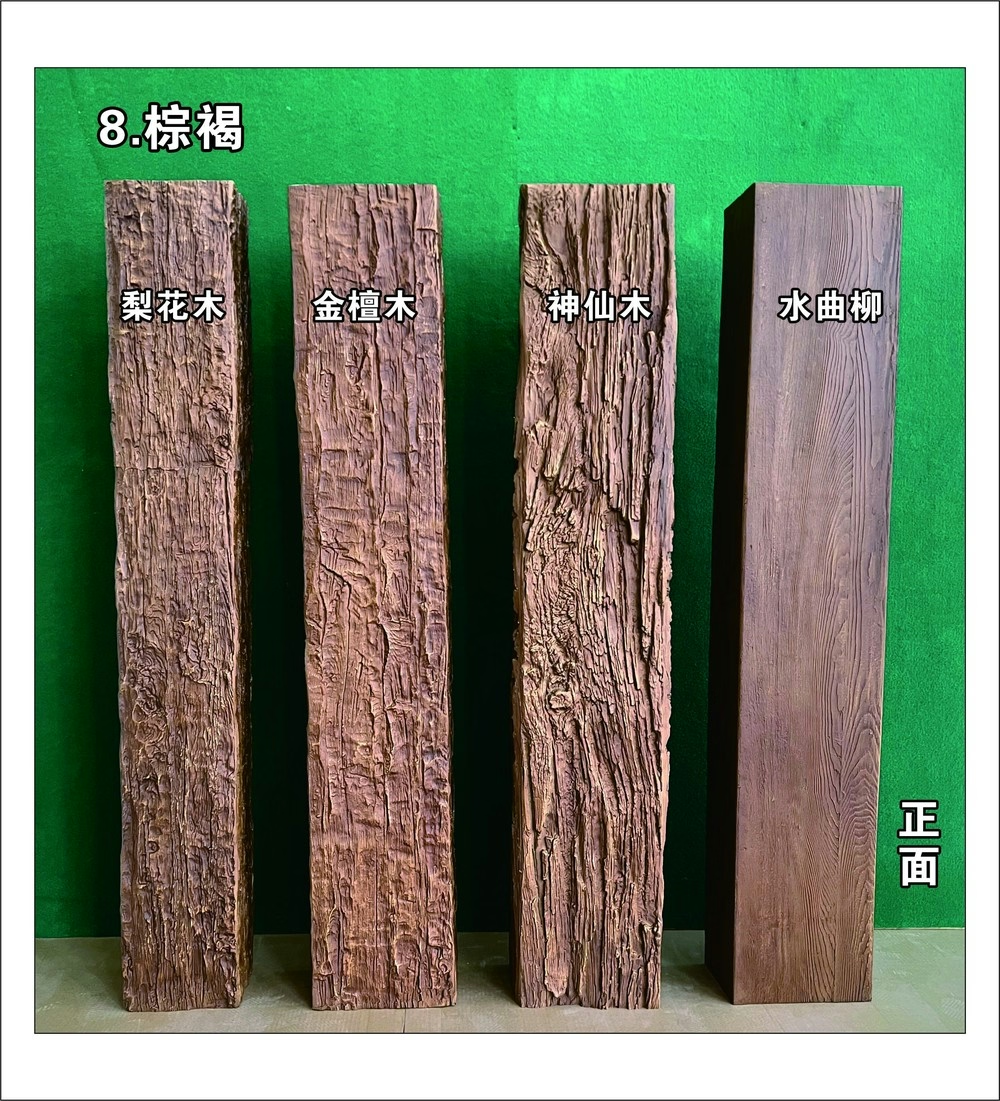
Exposed structural elements present both opportunities and challenges in interior design. Steel beams, concrete columns, and dimensional timber often create visual disruptions that interior designers must accommodate, working around rather than with these functional necessities. U-channel polyurethane beams reverse this relationship, transforming structural elements into design assets through complete wrapping that provides continuous wood-grain appearance across surfaces that would otherwise remain unfinished.
The U-channel configuration specifically accommodates beam wrapping applications where three-sided coverage suffices. Beams typically present their best face upward and toward the viewer, with rear surfaces hidden against walls or ceiling planes. U-channel profiles provide exactly this coverage, wrapping visible faces while eliminating material that would never be seen. This efficiency reduces cost and weight while achieving the wrapped appearance that design projects require.
U-Channel Design for Beam Wrapping
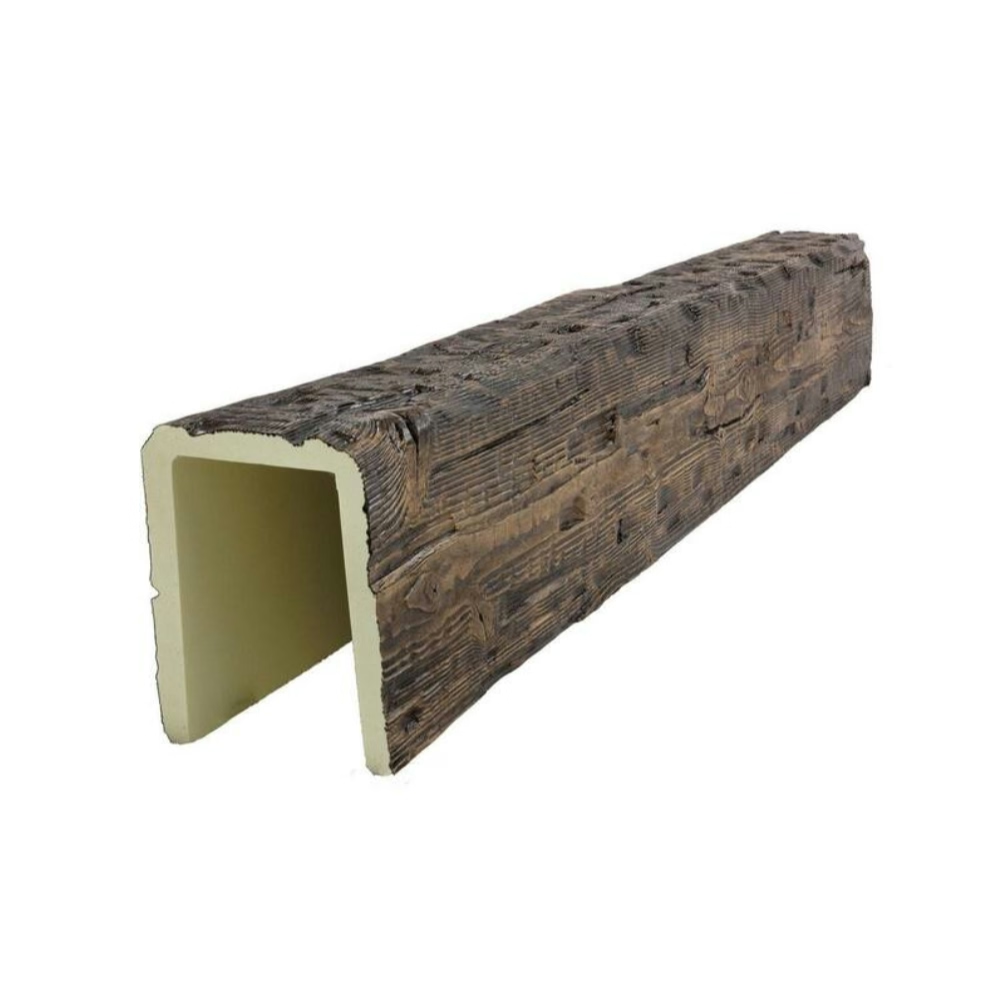
The U-channel profile opens toward the viewer and away from the structural element being wrapped. This orientation allows the beam to slide over existing construction from below, engaging the structural member without requiring disassembly or removal. The channel sides extend down the beam's vertical faces while the channel back covers the top surface, creating continuous appearance across all visible surfaces.
Dimensioning U-channel beams requires careful measurement of the structural elements they will wrap. The channel interior must accommodate the structural member with clearance for installation and thermal movement. Too tight a fit prevents installation and creates stress conditions, while excessive clearance allows visibility of the structural element through gaps. Quality manufacturers provide sizing guidelines that address these considerations.
Wall thickness in U-channel beams affects both appearance and structural wrapping capability. Thicker walls provide more substantial visual presence, with edges that remain crisp and well-defined despite handling and installation. Thinner walls reduce cost and weight but may compress under fastener pressure or show dents from minor impacts. The appropriate thickness depends on specific application requirements and handling conditions.
Finish coverage extends to all visible U-channel surfaces, including interior surfaces that may be partially visible from certain viewing angles. Quality products finish these surfaces completely rather than leaving interior areas unfinished. This attention ensures that any visibility of interior surfaces maintains the premium appearance that exterior finish provides.

Installation Approaches for Various Structures
Steel beam wrapping requires attention to connection methods that engage the structural steel effectively. Magnetic hardware finds steel beams through polyurethane coverings, allowing attachment without first locating beam edges through measurements. Mechanical fasteners that penetrate steel slightly below the surface create secure connections that remain stable despite thermal expansion differences between steel and polyurethane.
Concrete structural elements present different attachment challenges than steel. Drilling into concrete requires appropriate anchors and drilling technique, with installation time exceeding that required for steel substrates. The solid mass of concrete provides excellent fastener holding capacity once properly anchored, creating connections more than adequate for U-channel beam attachment.
Existing wood beams being concealed benefit from U-channel wrapping that preserves their structural function while updating their appearance. This renovation approach addresses beams that may be structurally adequate but visually outdated. U-channel installation can occur without disturbing the existing beam, which continues supporting loads while becoming invisible within the polyurethane covering.
Composite construction involving mixed materials requires coordinated attachment strategies. Buildings combining steel and concrete elements may present different substrate conditions at different locations along a beam run. Professional installers assess these conditions and adjust attachment approaches accordingly, ensuring consistent performance across varying underlying construction.
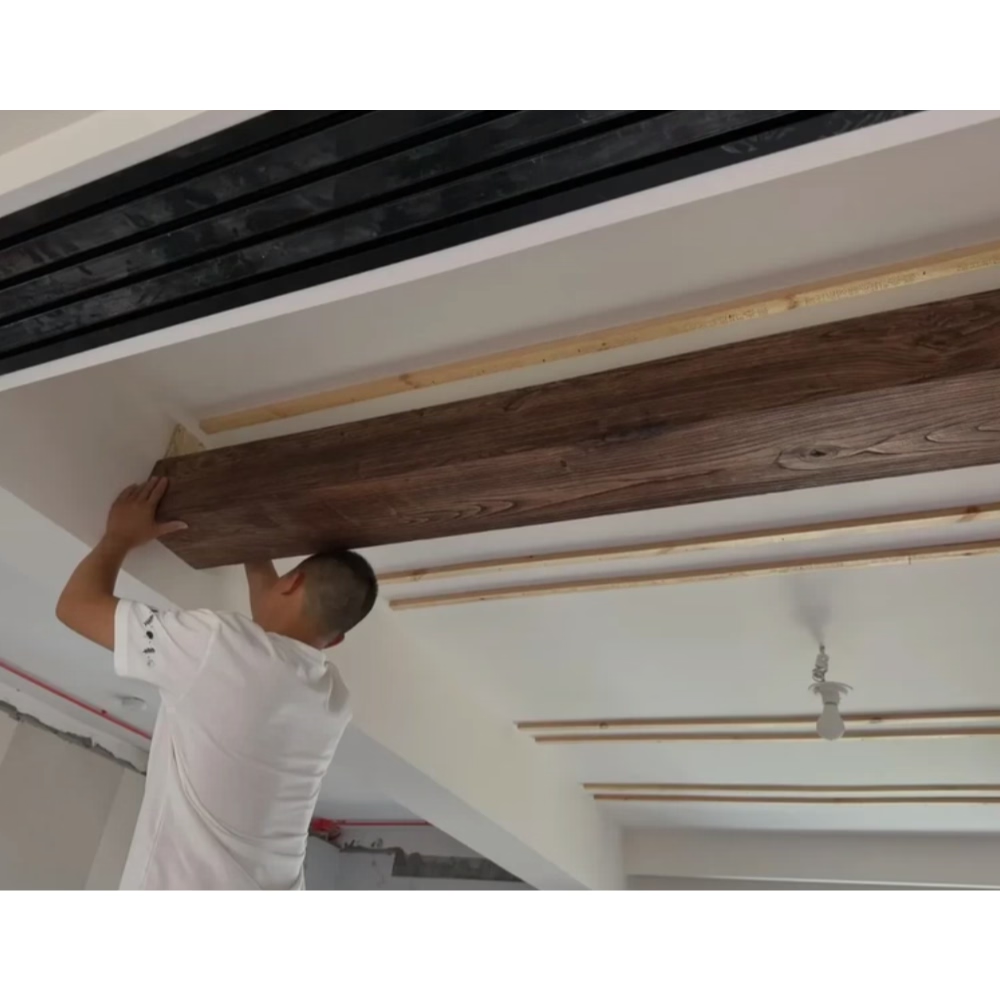
Design Considerations for Wrapped Beams
Proportion relationships between U-channel beams and the spaces they occupy influence aesthetic outcomes significantly. Oversized wrapped beams create dramatic architectural statements, while proportionally scaled beams provide subtle enhancement without dominating spaces. Design intentions should guide sizing decisions, with beam dimensions selected to support rather than compete with overall design composition.
Finish selection coordinates wrapped beams with surrounding surfaces and overall interior design direction. Natural wood tones create warmth and traditional character, while painted finishes in neutrals or bold colors support contemporary or eclectic design schemes. The U-channel profile's clean geometry accommodates both traditional wood textures and modern painted appearances equally well.
Transition details between wrapped beams and adjacent surfaces require planning attention. The junction between U-channel beams and ceiling or wall surfaces should address both appearance and functional considerations. Trim details, reveals, or flush transitions each offer different aesthetic outcomes that should align with overall design intentions. Sample installations help evaluate these options before committing to final approaches.
Lighting integration with wrapped beams creates opportunities for dramatic visual enhancement. Recessed lighting within U-channel profiles can graze beam surfaces and create shadow patterns that emphasize wood-grain textures. The channel geometry accommodates these fixtures without requiring custom fabrication, with standard products integrating into lighting schemes effectively.
Quality and Performance Factors
Material density affects U-channel beam performance across multiple dimensions. Higher density materials provide better impact resistance, fastener holding power, and dimensional stability. Lower density options reduce cost but may compromise performance in demanding applications. Quality products specify density ranges that ensure adequate performance, with density affecting price accordingly.
Surface preparation before finishing determines coating adhesion and long-term appearance retention. Quality manufacturers control surface conditions throughout production, ensuring that finishes bond effectively without premature failure. Sample finish testing reveals how products will behave once installed, helping specifiers establish realistic maintenance expectations.
UV stability matters for beams exposed to significant sunlight through windows or skylights. Interior installations typically face limited UV exposure, but spaces with substantial daylight may experience finish fading over time. Products with UV-stable formulations maintain appearance longer in these conditions, justifying premium pricing for demanding applications.
Manufacturers offering U-channel products typically provide comprehensive installation guidance based on their specific product characteristics. This guidance reflects actual testing and field experience rather than generic recommendations, providing valuable assistance for successful installations. Products without clear installation guidance may indicate manufacturers less committed to customer success.
Technical References
ASTM standards cited in every specification
Test Data
Lab results from internal testing program
Updated 2026
Reviewed against current product specs