The dining room occupies a unique position among household spaces, serving as the setting for celebrations, conversations, and daily connection through shared meals. This significance demands interior design attention that supports the room's social function while creating atmospheres conducive to lingering conversation. Ceiling beams offer powerful tools for achieving these objectives, defining dining spaces architecturally while introducing the warmth that encourages extended gatherings.
Modern dining room design often contrasts sharply with the room's traditional associations. Contemporary interiors favor clean aesthetics that may feel cold or formal without careful attention to material and texture selection. Faux timber beams resolve this tension elegantly, providing warmth and character that transform modern dining rooms into spaces where guests feel genuinely welcomed.
Defining the Dining Space
Ceiling beams establish spatial boundaries that help dining rooms feel distinct from adjacent living areas. Open-plan layouts particularly benefit from beam-defined dining zones, with architectural elements creating psychological separation that complements visual openness. The beam boundary signals transition from casual living to intentional dining without introducing physical barriers that would interrupt sightlines or conversation flow.
Scale relationship between beams and dining table reinforces the connection between these two elements. Beams positioned directly above dining tables create vertical anchoring that draws the eye downward to the gathering below. This relationship feels intuitive and logically satisfying, reinforcing the sense that the space was designed around its central function.
Proportional balance ensures that beams enhance rather than overwhelm dining spaces. Oversized beams in modest dining rooms create oppressive atmospheres that discourage lingering, while undersized beams in generous spaces disappear without contributing meaningful presence. Achieving proper proportion requires careful measurement of room dimensions and honest assessment of ceiling height relative to intended furniture scale.
Material continuation between ceiling beams and other room elements creates visual coherence that supports spatial unity. Beams finished to match floor materials, dining table surfaces, or built-in cabinetry reinforce material themes that organize the room visually. This repetition feels intentional and designed rather than coincidental, demonstrating attention to detail that elevates overall design quality.

Lighting Integration Strategies
Pendant fixtures suspended from beams create intimate pools of illumination that define individual dining spots within larger tables. This traditional approach works equally well with faux timber beams, which accommodate fixture mounting without the structural complications that natural timber might present. The warm wood of beam surfaces complements pendant fixture finishes, creating cohesive ceiling compositions.
Recessed lighting integrated with beam installations provides ambient illumination without visible fixtures competing with beam aesthetics. This approach suits modern design sensibilities that favor subtle, integrated solutions over decorative lighting dominance. Quality faux timber beams accommodate recessed fixture housing within their profiles, providing installation options that preserve clean ceiling appearance.
Chandelier positioning often aligns naturally with beam locations, as beams mark the ceiling above the dining table where chandeliers typically hang. This coincidence creates opportunities to combine beam texture with statement lighting, achieving visual impact that neither element could create independently. The combination draws attention to the dining area while providing both architectural interest and functional illumination.
Dimmer controls enhance dining room flexibility by allowing illumination adjustment for different occasions. Bright lighting supports daily meals and cleanup activities, while reduced illumination creates intimate atmospheres for special dinners and gatherings. Beam installations that incorporate multiple lighting types can create layered illumination schemes that transition smoothly between these modes.
Style Coordination
Contemporary dining rooms benefit from beam selections that align with modern furniture and finish selections. Clean-lined beams without excessive ornamentation complement contemporary table designs and minimalist seating. The wood texture provides warmth without introducing period details that might clash with modern aesthetics.
Transitional dining spaces combining traditional and contemporary elements welcome beam options that bridge these vocabularies. Beams with refined wood textures and simple profiles accommodate both traditional furniture and contemporary accents, providing flexibility that supports evolving decor. This adaptability proves valuable as households mature and design preferences shift.
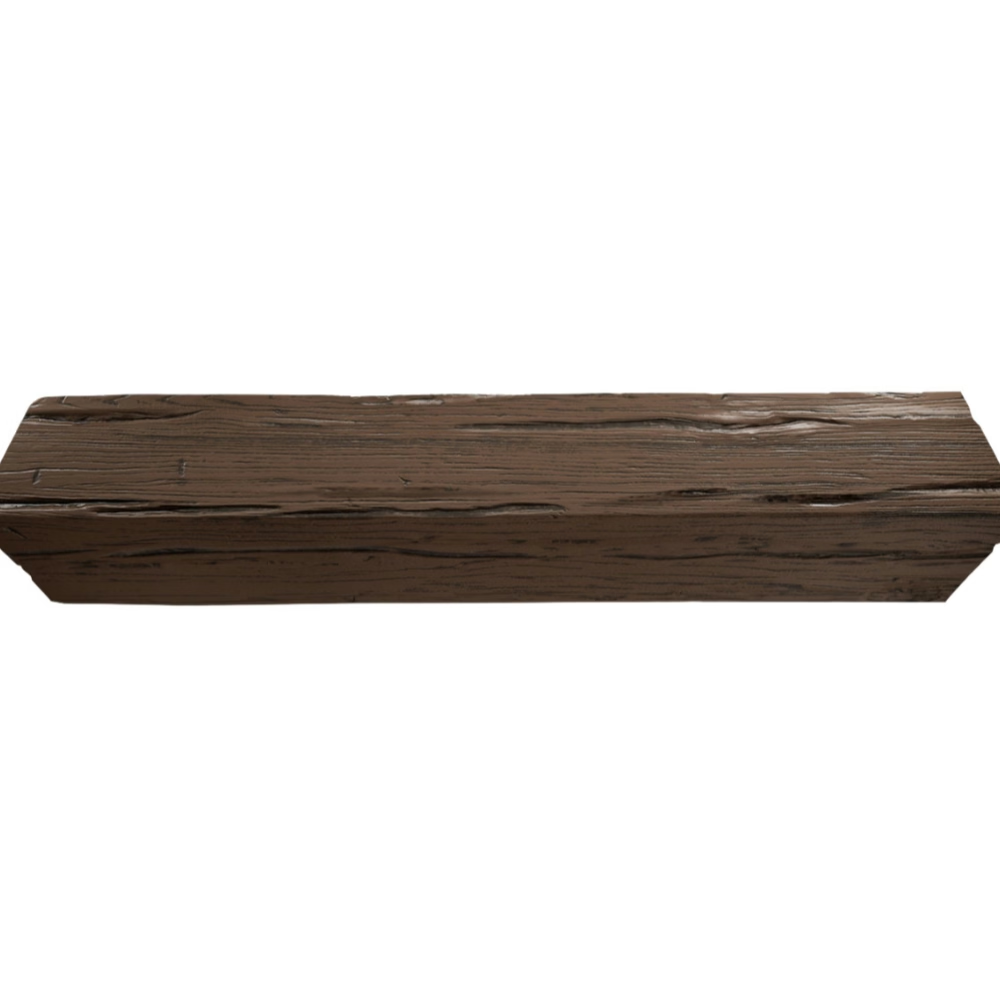
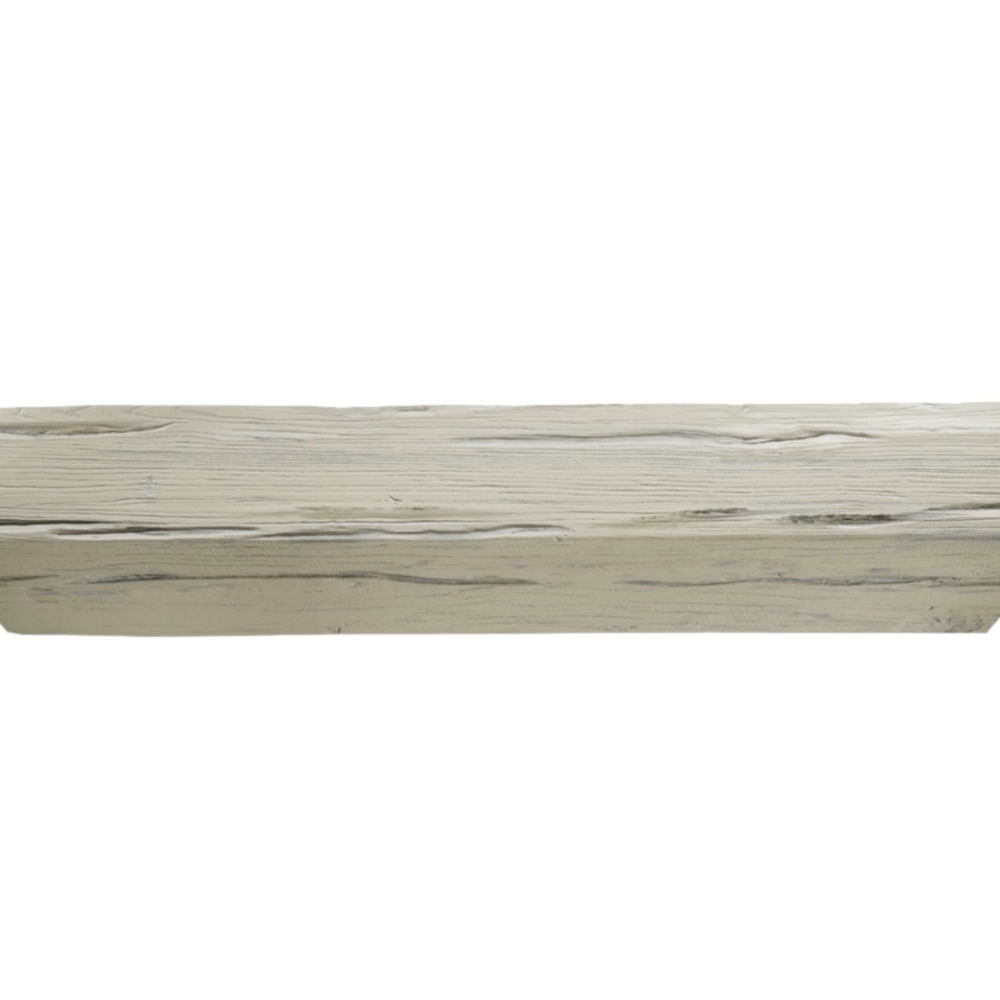
Color relationships between beams and adjacent surfaces influence perceived room character significantly. Light-finished beams contribute brightness that opens spaces visually, suitable for dining rooms with limited natural light. Darker-finished beams add gravitas and intimacy that enhance evening gatherings, creating cocooning atmospheres that encourage extended dining experiences.
Table linen and accent color coordination with beam finishes creates cohesive room compositions. Neutral-toned beams accommodate diverse accent palettes without color conflicts, while wood-toned beams may suggest complementary accent colors that enhance natural warmth. Understanding these relationships helps achieve intentional outcomes rather than accidental combinations.
Functionality Considerations
Acoustic performance in dining rooms affects both conversation quality and comfort levels. Hard ceiling surfaces reflect sound waves that create echo and reverberation, making it difficult for diners to hear each other across tables. Faux timber beams interrupt these reflection patterns, absorbing and diffusing sound to improve acoustic conditions. This incidental benefit enhances dining experiences without requiring dedicated acoustic treatment.
Ventilation integration ensures that beam installations don't interfere with air distribution systems. Supply registers, return grilles, and ceiling fans require clearance and positioning that accommodates beam geometry. Planning for these systems during beam specification prevents conflicts that might otherwise require costly modifications.
Table placement flexibility accommodates different dining arrangements and party sizes. Fixed beam positions create permanent zones that may not suit all occasions. Beams spaced to accommodate various table sizes and arrangements provide flexibility while maintaining architectural presence. This planning requires anticipating typical and exceptional dining scenarios.
Cleaning and maintenance access should inform beam specification and positioning. Dining rooms require regular cleaning that may include ceiling surfaces in commercial applications or higher-end residential settings. Beams positioned for easy access without specialized equipment simplify maintenance routines while preserving appearance over time.
Technical References
ASTM standards cited in every specification
Test Data
Lab results from internal testing program
Updated 2026
Reviewed against current product specs


