The ancient Japanese technique of shou sugi ban creates extraordinarily dramatic wood surfaces through controlled charring that blackens and textures exterior layers while preserving structural integrity. This centuries-old approach produces appearances that range from subtle silver-gray to deep charcoal black, with surface textures varying from lightly toasted to aggressively burned. Polyurethane faux timber beams now capture these distinctive aesthetics, making dramatic charred wood appearances available for contemporary applications.
The appeal of charred wood extends beyond mere aesthetics to deeper associations with permanence, protection, and the transformation of ordinary material into something exceptional. The charring process essentially petrifies wood surfaces, creating weather-resistant exteriors that have protected Japanese structures for generations. Polyurethane beams achieve similar visual impact through manufacturing processes that reproduce charred appearances without requiring the actual fire treatment that traditional techniques demand.
Understanding Charred Wood Aesthetics
The visual character of charred wood results from the differential burning that occurs during treatment. Surface fibers carbonize completely while underlying wood remains relatively unaffected, creating layered appearance with depth that single-color finishes cannot replicate. The contrast between charred surfaces and occasional reveal of undamaged wood beneath creates visual complexity that rewards close inspection.
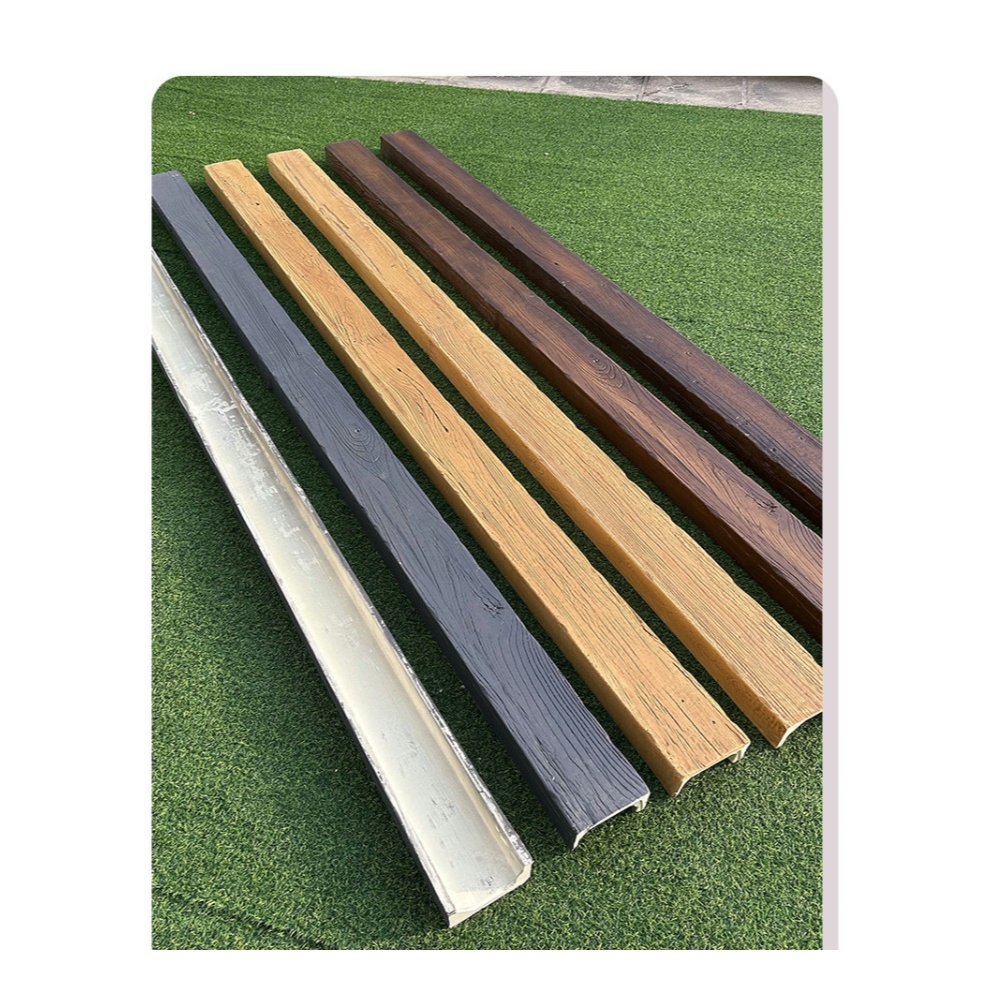
Char intensity varies significantly, producing distinct aesthetic categories. Light charring creates warm gray tones with subtle texture that complements transitional and contemporary interiors. Medium charring produces darker appearances with more pronounced grain patterns visible through the burned surface. Deep charring achieves near-black appearance with aggressive surface textures that create bold dramatic statements.
Surface texture ranges from relatively smooth charred surfaces to heavily raised grain that creates pronounced tactile qualities. The aggressive carbonization that produces deep charring also creates the most dramatic textures, with fibers lifting and curling to create surfaces that catch light dramatically. These textures shift appearance throughout the day as lighting conditions change, providing visual dynamism that static surfaces lack.
Grain visibility through charred surfaces varies by wood species and char intensity. Some charred wood retains clear grain patterns that add visual interest to the dark background, while heavily burned surfaces may obscure grain almost entirely. This variation provides design options that accommodate different aesthetic preferences within the charred wood category.

Advantages Over Authentic Charred Wood
Fire safety represents perhaps the most significant advantage of polyurethane charred wood alternatives. Authentic shou sugi ban involves actual fire exposure that creates ignition risk during treatment and potential concerns about charred surfaces in certain applications. Polyurethane beams eliminate these concerns entirely, providing charred aesthetics without any fire exposure during manufacturing or use.
Installation convenience favors polyurethane alternatives over authentic charred timber. Natural charred wood maintains some fire susceptibility that may complicate installation in certain jurisdictions or building types. Polyurethane beams can be installed without special fire-resistant details or additional fire suppression requirements, simplifying approval processes and reducing installation complexity.
Consistency of appearance distinguishes manufactured beams from the inherent variation that authentic charred wood exhibits. Each piece of authentic charred wood burns differently, creating appearances that vary substantially across installation surfaces. Polyurethane beams provide controlled aesthetics where each piece matches specifications, enabling predictable outcomes that authentic materials cannot guarantee.
Maintenance requirements for authentic charred wood may exceed what many applications can accommodate. While properly charred timber resists weathering effectively, some maintenance may be required to preserve appearance over extended periods. Polyurethane beams maintain their factory-finished appearance indefinitely without attention, eliminating ongoing maintenance commitments that authentic materials would require.

Design Applications
Industrial modern interiors embrace charred wood beams as expressions of raw material transformation. The blackened appearance aligns with industrial aesthetics that celebrate honest materials and manufacturing processes. Paired with exposed brick, concrete, and steel, charred wood beams complete industrial compositions that communicate authenticity and craftsmanship.
Japanese-influenced design naturally incorporates charred wood elements that reference shou sugi ban's cultural origins. Contemporary interpretations of traditional Japanese aesthetics use these materials to create serene spaces with subtle material texture. Polyurethane beams enable these design expressions without requiring the specialized craftsmen or extended lead times that authentic charred timber might require.
Dark dramatic interiors benefit from charred wood beams that contribute to overall color schemes built around deep tones. Navy blues, forest greens, and charcoal grays coordinate effectively with blackened wood surfaces, creating cohesive environments with strong material presence. The dark palette creates intimate atmospheres suited to adult spaces and evening entertaining.
Accent applications use charred wood selectively to punctuate otherwise light interior schemes. A single charred wood beam against white ceilings creates dramatic focal point that draws attention without overwhelming modest spaces. This selective approach introduces material drama efficiently, concentrating impact where it provides greatest visual benefit.
Coordination with Other Materials
Metal finishes complement charred wood aesthetics by echoing the dark, textured quality of burned surfaces. Blackened steel, matte black hardware, and dark bronze fixtures all coordinate effectively with charred wood beams. These material pairings create cohesive compositions where different elements share visual weight without competing for attention.
Light-colored upholstery and textiles balance charred wood darkness without introducing clashing color relationships. White, cream, and gray fabrics provide contrast that prevents interiors from becoming oppressively dark while maintaining the sophisticated atmosphere that charred wood establishes. The balance between dark beams and light furnishings creates visual tension that keeps spaces interesting.
Natural stone surfaces share charred wood's earthiness and material honesty. Light-colored stones like white marble or travertine provide particularly effective contrast, while darker stones like basalt or charcoal granite extend the muted color palette without introducing contrasting warmth. Stone and charred wood together create environments that feel grounded and substantial.
Plant materials introduce organic life that softens charred wood's starkness without lightening overall tone. Dark green foliage complements charred wood tones while bringing living color into compositions. The combination of natural wood appearance and living plants creates environments that feel simultaneously modern and organic, bridging contemporary aesthetics with biophilic design principles.
Technical References
ASTM standards cited in every specification
Test Data
Lab results from internal testing program
Updated 2026
Reviewed against current product specs

