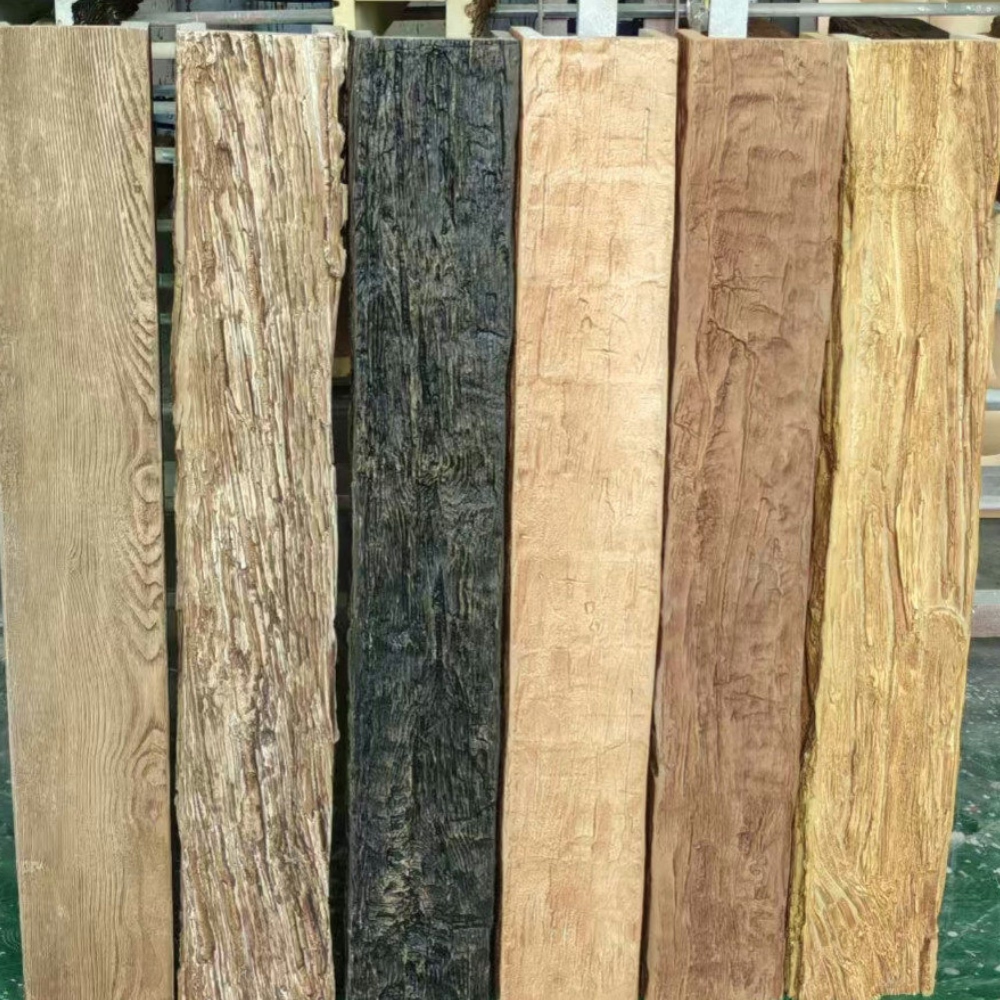
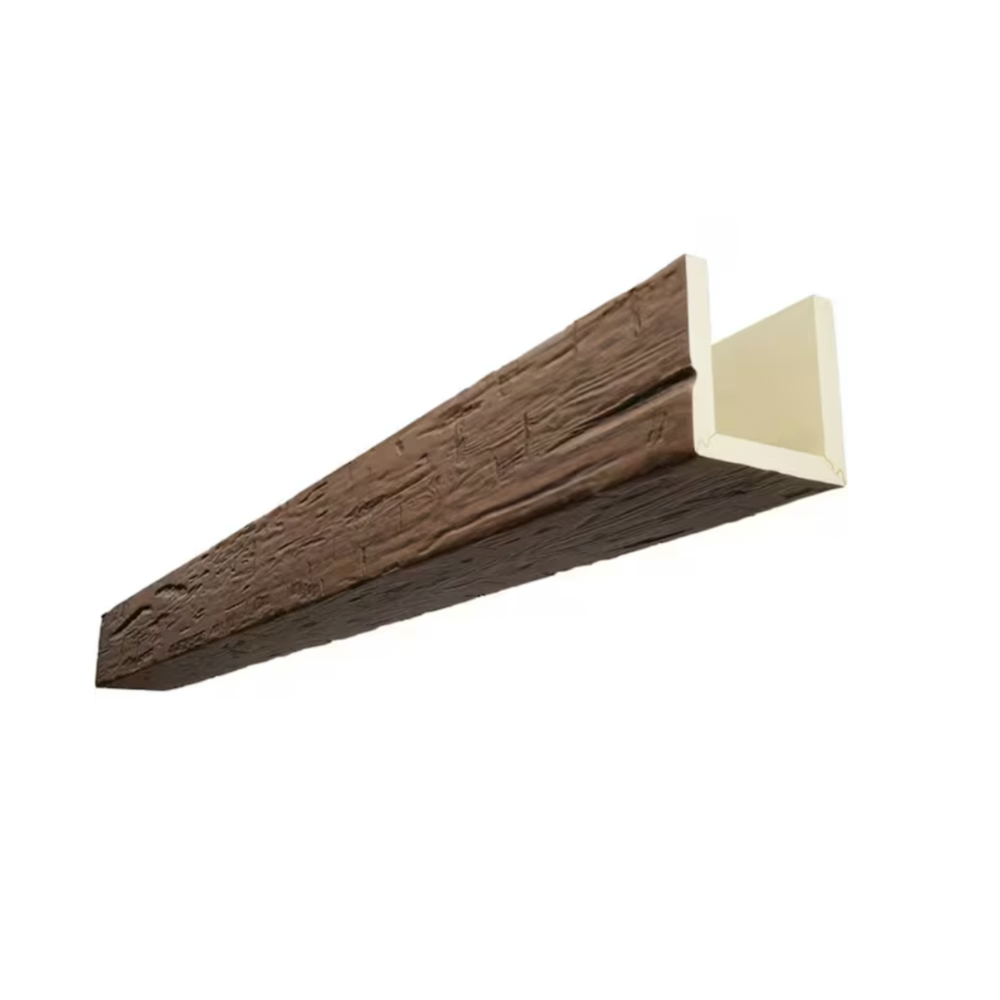
The industrial modern aesthetic has matured from trendy movement to established design category, characterized by honest expression of materials, appreciation of manufactured elements, and deliberate rejection of decorative excess. These spaces celebrate concrete, steel, glass, and reclaimed materials that communicate authenticity and permanence. Decorative exposed beams contribute warmth and organic texture that prevent these environments from feeling cold or unwelcoming.
The challenge in industrial modern design lies in achieving visual interest and livability without undermining the honest material expression that defines the style. Faux wood beams resolve this challenge effectively, providing natural texture that complements industrial materials while maintaining the refined aesthetic that distinguishes sophisticated industrial spaces from mere warehouse conversions.
Industrial Modern Design Characteristics
Honest material presentation distinguishes industrial modern interiors from design approaches that hide or disguise construction elements. Exposed ductwork, visible structural members, and minimal ceiling treatment all reflect the industrial modern commitment to authentic material expression. Beams selected for these spaces should honor this philosophy through simple profiles and restrained finishes that don't attempt to disguise their manufactured nature.
Monochromatic color schemes support industrial modern aesthetics, with surfaces typically ranging from near-white to charcoal gray. Bold color accents appear sparingly, reserved for significant design moments rather than distributed throughout spaces. Beams should coordinate with these restrained palettes, contributing texture and warmth without introducing chromatic complexity that would disrupt color harmony.
Clean geometric lines define industrial modern vocabulary, with angular forms preferred over curved or ornate shapes. Beams with simple rectangular or I-shaped profiles align with this geometric sensibility better than beams with complex moldings or decorative details. The aesthetic restraint extends to texture, with subtle surface treatments preferred over aggressive distressing.
Generous spatial volumes often characterize industrial modern interiors, with high ceilings and open floor plans creating expansive environments. These volumes require appropriately scaled design elements to prevent spaces from feeling empty or incomplete. Beams provide architectural interest that fills visual space without cluttering surfaces or interrupting sightlines.

Beam Selection Criteria
Dark finish beams align with industrial modern color schemes that typically emphasize neutrals from white through gray to near-black. Deep charcoal, ebony, and dark walnut finishes coordinate with concrete, steel, and other industrial materials without introducing warm tones that might clash. These darker options create visual anchoring that defines zones within larger spaces.
Medium-toned finishes provide warmth that prevents industrial environments from feeling sterile. Weathered grays, warm charcoals, and brown-gray tones bridge between cool industrial materials and human comfort requirements. These options suit homeowners who appreciate industrial aesthetics but seek more livable atmospheres than pure industrial implementations achieve.
Wire-brushed and hand-scraped textures complement industrial material authenticity without appearing artificially distressed. The subtle texture variation catches light gently, creating surface interest that prevents beams from appearing flat or synthetic despite their manufactured nature. Heavy distressing would contradict the refined sensibility that industrial modern interiors typically pursue.
Profile simplicity ensures that beams align with geometric industrial vocabulary. Rectangular cross-sections with clean edges, I-beam profiles that reference structural engineering, and minimal dimensional moldings provide architectural interest while maintaining industrial character. The beams should feel like design choices rather than aesthetic afterthoughts.
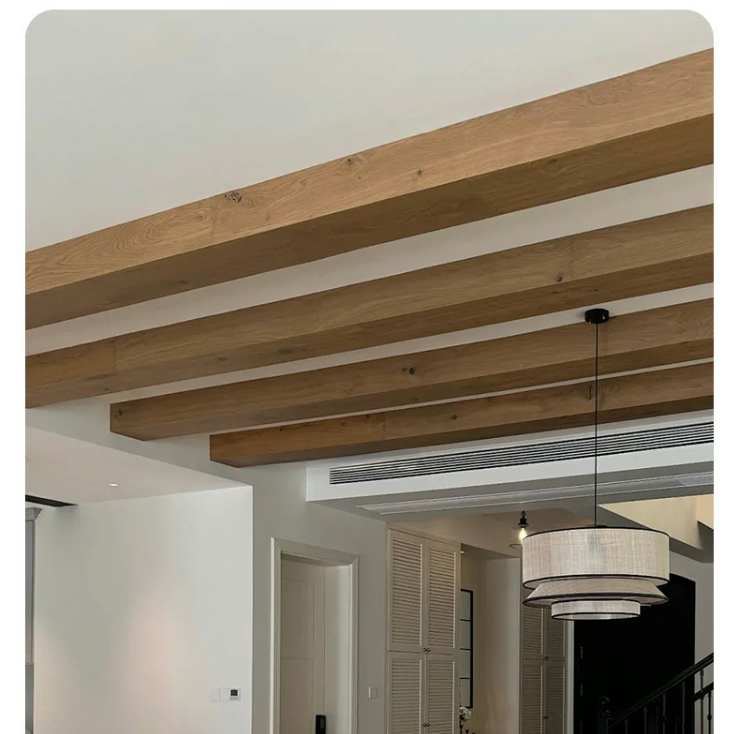
Material Coordination
Exposed steel structure benefits from faux wood beam additions that soften industrial harshness while maintaining overall material honesty. Steel beams, columns, and ductwork create angular visual rhythms that wood beams interrupt with organic contrast. This material interplay creates dynamic compositions that reward extended viewing without introducing visual confusion.
Concrete surfaces in industrial modern spaces range from exposed poured-in-place panels to polished overlay slabs. Faux wood beams add warmth to cool concrete without competing for attention. The contrast between natural wood texture and concrete's smooth precision creates visual interest through material juxtaposition rather than color or pattern complexity.
Brick surfaces reference industrial building heritage through material choice. Exposed brick walls coordinate naturally with faux wood beams, with both materials sharing honest material expression. The red-orange of brick balances effectively against neutral wood tones, creating warm-cool balance that prevents either material from dominating.
Glass and metal fixtures throughout industrial modern interiors should coordinate with beam finishes. Matte black lighting, steel furniture, and minimal hardware all share industrial vocabulary that wood beams complement. Finish consistency across these elements creates cohesive compositions that feel designed rather than assembled.
Residential Application Considerations
Living rooms benefit from beam installations that define seating areas within open floor plans. Industrial modern homes often feature combined living-dining-kitchen spaces where spatial zoning requires visual rather than physical separation. Beams crossing ceilings above conversation areas establish psychological boundaries that guide furniture arrangement and reinforce spatial organization.
Bedrooms in industrial modern homes require slightly warmer atmospheres than living areas to support rest and relaxation. Beams over beds can provide architectural focus that anchors sleeping areas while introducing warmth that enhances bedroom comfort. Coordinate beam finish with headboard materials and bedding to create cohesive room compositions.
Home offices increasingly incorporate industrial modern aesthetics as remote work becomes normalized. Beams in these spaces define work zones while adding the visual interest that makes home offices pleasant places to spend extended time. The professional atmosphere that industrial modern design provides supports productive work while remaining comfortable for daily use.
Kitchen-dining spaces in industrial modern homes often feature beams that coordinate with exposed hoods, metal cabinet hardware, and industrial appliances. These material connections create design continuity that makes spaces feel cohesive rather than randomly assembled. The beams provide warmth near dining tables where family meals create the gatherings that industrial modern homes typically support.
Technical References
ASTM standards cited in every specification
Test Data
Lab results from internal testing program
Updated 2026
Reviewed against current product specs