Commercial bars compete intensely for patron attention in markets saturated with entertainment options. Differentiation through interior design creates competitive advantages that attract customers and encourage return visits. Decorative faux timber beams contribute significantly to distinctive bar atmospheres, providing architectural interest that transforms generic spaces into memorable destinations. The investment in quality beam installations pays returns through increased patron satisfaction and revenue generation.
Hospitality environments demand materials that withstand challenges residential applications never encounter. Constant foot traffic, furniture repositioning, beverage spills, and late-night activities all test ceiling installations severely. Faux timber beams address these challenges through durability, cleanability, and impact resistance that supports commercial use patterns while maintaining the attractive appearance that bar atmospheres require.
Bar Atmosphere Development
Visual identity establishment through interior design creates competitive differentiation that generic spaces cannot achieve. Beams contribute significantly to recognizable bar atmospheres, with distinctive beam treatments helping patrons identify establishments from the street and remember them afterward. This identification function supports marketing objectives that extend beyond mere aesthetics.
Social zone creation influences how patrons distribute themselves throughout bar spaces. Strategic beam placement defines areas suited to different social configurations, from intimate conversations to large group gatherings. These visual zones help patrons find appropriate spaces for their social intentions, creating satisfying experiences that encourage return visits.
Ambient quality in bar environments affects patron behavior and spending patterns. Research demonstrates that appropriate atmospheric conditions extend patron dwell time and increase beverage purchases. Beams contribute to ambient quality through visual interest, spatial definition, and warmth that creates welcoming atmospheres conducive to lingering.
Lighting integration with beam installations creates dramatic effects that distinguish bar environments from mundane ceiling treatments. Recessed fixtures, cove lighting, and spotlighting all interact with beam surfaces to create visual effects that evolve throughout operating hours. These lighting effects enhance bar atmosphere while providing functional illumination that supports patron activities.

Style Variations
Sports bar interiors often embrace bold rustic aesthetics with heavy timber beams that coordinate with large screen displays and casual furniture. These beams establish the masculine, social atmosphere that sports bars pursue while providing the visual mass that anchors large spaces. Coordinate beam finishes with dark furniture and gaming equipment for cohesive compositions.
Upscale cocktail lounges benefit from refined beam treatments that align with sophisticated design intentions. Lighter finishes, subtle textures, and elegant proportions support the elevated experience these venues provide. Beams in cocktail lounges should feel intentional and designed rather than rustic or casual, matching the quality positioning that justifies premium pricing.
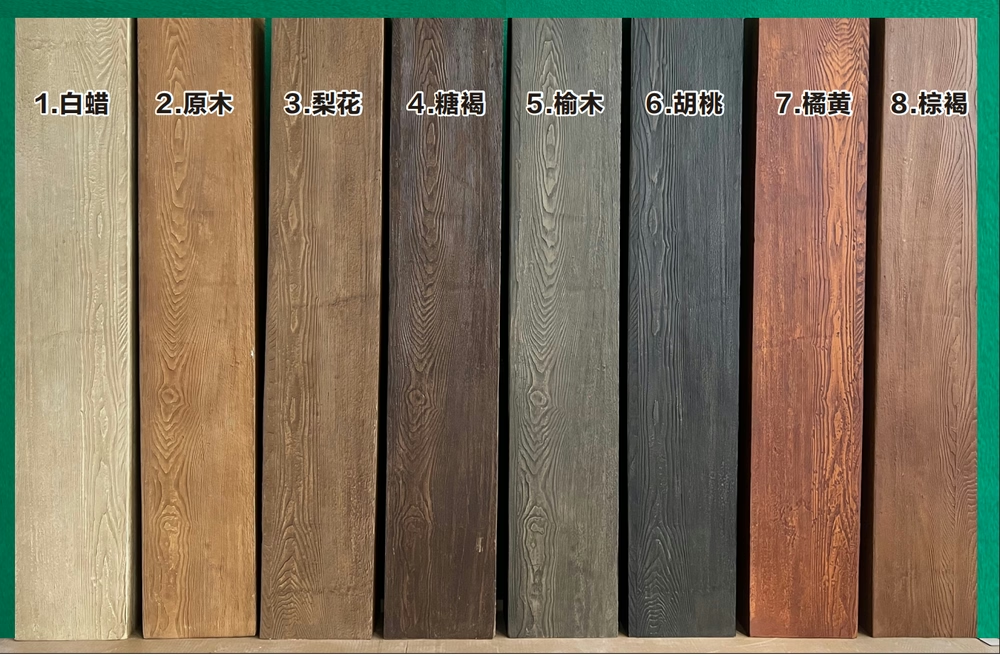
Dive bar aesthetics intentionally embrace worn, authentic atmospheres that suggest years of continuous operation. Beams with weathered finishes, visible age marks, and honest patina support these design intentions. The goal is creating the impression that beams have witnessed countless gatherings, adding narrative depth that newer materials cannot provide.
Tropical tiki bars use beams to support thematic design elements including bamboo, rope, and nautical accessories. Beams finished to coordinate with these elements create cohesive environments that transport patrons to vacation destinations. The beam architecture establishes overhead framework from which decorative elements can hang, completing immersive theme experiences.
Commercial Durability Requirements
Impact resistance becomes critical in bar environments where elbows, shoulders, and carried items contact ceiling surfaces regularly. Faux timber beams with high-density construction and reinforced surfaces resist the impacts that occur in crowded bar environments. This durability preserves appearance despite the abuse that commercial ceilings inevitably receive.
Cleanability ensures that bars maintain presentable appearances despite spilled drinks, smoke exposure, and environmental contaminants. Polyurethane beam surfaces tolerate commercial cleaning agents without finish degradation, supporting sanitation protocols that health codes require. The ability to maintain clean appearance protects the investment that quality beam installations represent.
Moisture tolerance addresses concerns specific to bar environments where beverage service creates humidity fluctuations and potential liquid spills. Polyurethane does not absorb moisture, eliminating concerns about swelling, warping, or mold growth that natural wood alternatives would experience. This resistance ensures long-term appearance retention despite challenging conditions.
Fire performance ratings may be required by local codes for commercial bar installations. Quality polyurethane beams incorporate fire retardant formulations that meet typical commercial requirements, but specifiers should verify compliance with local regulations. The investment in compliant products protects both property and patrons while avoiding code violation consequences.
Design Implementation
Proportional scaling ensures that beams enhance rather than overwhelm bar spaces. Large, high-ceiling bars can accommodate substantial beams that create dramatic impact, while modest neighborhood establishments require smaller beams that add interest without dominating limited spaces. Match beam dimensions to architectural scale for appropriate visual effect.
Brand color integration allows beams to support establishment identity through coordinated color treatment. Logo colors, signature palettes, and brand associations can extend to beam finishes that reinforce brand recognition. This integration creates immersive brand environments that strengthen customer loyalty.
Acoustic performance in bar environments addresses the high noise levels that characterize these spaces. Beam installations interrupt sound reflection patterns that would otherwise create uncomfortable echo and reverberation. This incidental acoustic benefit improves patron comfort without requiring dedicated acoustic treatment.
Maintenance planning ensures that beam installations remain attractive throughout their service life. Accessible beam positions facilitate regular cleaning that preserves appearance. Staff training on proper cleaning techniques prevents damage from inappropriate cleaning agents or methods. These operational considerations protect design investments from the gradual degradation that inadequate maintenance would cause.
Technical References
ASTM standards cited in every specification
Test Data
Lab results from internal testing program
Updated 2026
Reviewed against current product specs


