
The appeal of exposed structural elements runs deep in human aesthetic preferences. Something about seeing the bones of a building, the actual materials that bear weight and provide shelter, connects us to fundamental notions of shelter, craft, and authenticity. This instinct explains why exposed brick, bare concrete, and visible structural timber have remained popular design choices even as contemporary aesthetics favor sleek, hidden systems. For homeowners and designers seeking this authentic character without the practical complications of genuine structural elements, exposed effect PU faux wood beams offer a compelling solution that delivers aesthetic impact with remarkable ease.
Exposed timber beams carry centuries of architectural tradition in their appearance. From the massive hewn logs that supported medieval great halls to the rough-sawn joists common in American farmhouses, exposed structural timber has signified both functional honesty and rustic warmth. Today, when authentic structural timber rarely appears in modern construction, recreating this traditional aesthetic requires manufactured solutions that convincingly replicate the appearance while offering performance characteristics suited to contemporary building methods.
The Authentic Appearance of Quality Faux Beams
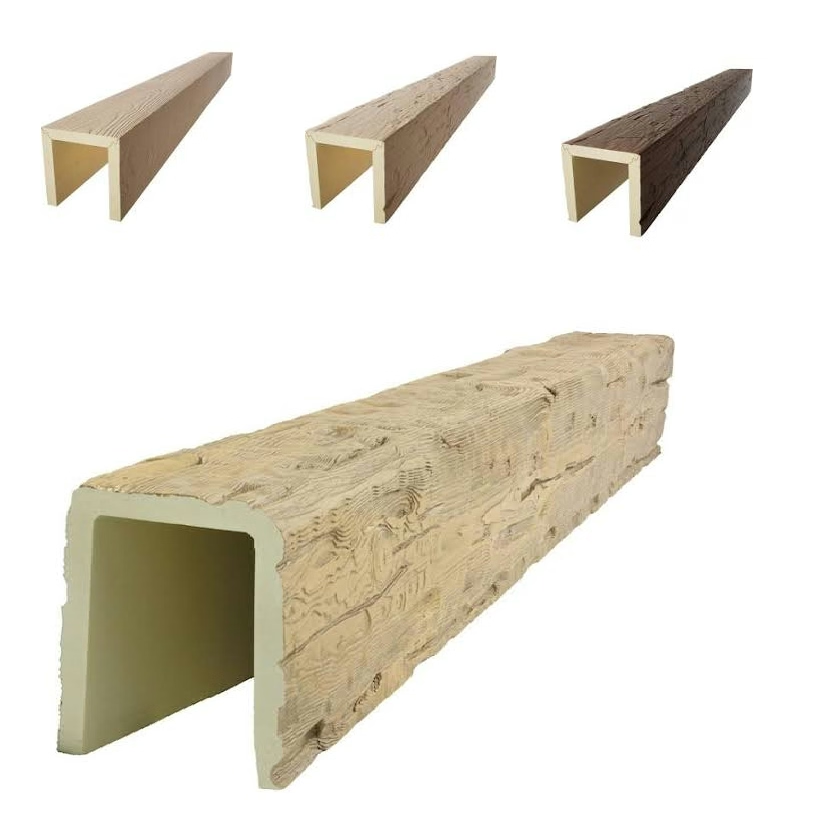
Modern manufacturing techniques have advanced to the point where PU faux beams fool most observers at normal viewing distances. The key lies in attention to the details that distinguish genuine timber from cheap imitations.
Surface texture plays a crucial role in achieving authentic appearance. Quality faux beams incorporate variations that mimic natural wood characteristics including grain patterns, knotholes, weathering marks, and subtle surface irregularities. These details catch light differently across their surfaces, creating the visual complexity that makes genuine timber so appealing. Cheaper alternatives with perfectly smooth or uniformly repeated textures immediately reveal their artificial nature, so investing in quality products pays dividends in visual authenticity.
Color variation within and between beams replicates the natural inconsistency of genuine timber. No two pieces of natural wood share identical coloration, even when cut from the same tree. Quality faux beams incorporate intentional color variations that prevent the monotonous appearance of manufactured products. Look for beams with subtle tonal shifts, darker edge weathering, and lighter highlight areas that create the dimensional appearance of authentic wood.
Three-dimensional form distinguishes quality faux beams from flat decorative elements. Genuine timber has substantial presence in space, casting shadows that define its mass and creating the impression of real structural weight. Quality faux beams achieve similar presence through carefully designed cross-sectional profiles that feature beveled edges, dimensional variation, and architectural details like chamfers or decorative profiles. The result is beams that command attention and anchor rooms visually.
Design Applications for Exposed Beam Aesthetics
The exposed beam aesthetic adapts to diverse interior styles, from rustic cabins to contemporary lofts. Understanding how beam treatment integrates with different design vocabularies helps ensure successful applications.
Farmhouse and country interiors embrace exposed beams as essential character elements. In these settings, beams typically appear in natural wood finishes that complement the warm, inviting atmosphere these spaces cultivate. Oak, pine, and barn wood tones work particularly well, adding authenticity to design schemes built around reclaimed materials, vintage furniture, and handcrafted details. Beams in these environments should feel substantial and slightly weathered, as if they've served faithfully for generations.
Industrial and urban loft aesthetics pair exposed structural elements with modern finishes for an aesthetic that celebrates both old and new. In these spaces, beams in darker finishes like ebony, charcoal, or raw steel appearance complement concrete, brick, and metal surfaces. The contrast between rough-hewn beam texture and smooth industrial materials creates visual tension that defines the style. Beams in these environments often appear slightly more refined than rustic farmhouse versions, bridging traditional timber aesthetics with contemporary sensibilities.
Modern minimalist interiors can incorporate exposed beam effects in ways that add warmth without overwhelming clean-lined spaces. Lighter finishes like whitewash, bleached oak, or natural pine provide textural interest that prevents sterility while maintaining the open, airy feeling minimalist design seeks. Beam placement in these spaces should emphasize simplicity, with clean installations that respect the overall aesthetic rather than competing with it.
Scandinavian and hygge-inspired interiors benefit from exposed beams that add natural warmth without strong rustic overtones. Light wood finishes, simple profiles, and thoughtful placement create the cozy, grounded atmosphere these styles pursue. Beams in these applications should feel intentional and crafted rather than crude, supporting the emphasis on quality and thoughtfulness that defines Nordic design philosophy.

Installation Techniques for Exposed Effect
Proper installation ensures that exposed beams appear structurally credible rather than obviously decorative. Even though PU faux beams lack genuine structural function, their installation should suggest authentic support principles.
Spacing between beams influences both visual weight and structural credibility. Authentic structural timber typically displays regular spacing determined by load requirements and building codes. Random spacing that varies significantly between adjacent beams suggests decorative intent rather than genuine structure. Maintaining relatively consistent spacing, even if it's purely visual, creates the impression of authentic construction.
Termination details at walls and corners require attention that distinguishes professional installation from amateur attempts. Exposed structural beams rarely simply end without transition. Professional installers use corbels, ledger boards, or beam caps that create finished transitions where beams meet walls. These details add realism while providing mounting support that ensures secure installation.
Support elements like knee braces and joist hangers contribute significantly to structural credibility. Decorative corbels installed at beam-wall intersections suggest that beams bear genuine load supported by the wall structure. Metal joist hangers where beams meet perpendicular support beams add authentic construction detail that reinforces the exposed structure aesthetic. These elements work equally well with PU beams and add negligible cost relative to their visual impact.
Performance Advantages Over Genuine Timber
While aesthetic authenticity remains paramount, the practical advantages of PU over genuine timber deserve consideration in installation decisions.
Weight represents perhaps the most significant practical difference. Genuine timber beams of substantial appearance can weigh hundreds of pounds, requiring structural calculation, specialized mounting, and often professional installation involving heavy equipment. PU faux beams achieving identical visual presence weigh a fraction of this, often less than two pounds per linear foot. This difference eliminates structural engineering requirements, simplifies installation, and reduces the risk of ceiling failure that heavy genuine timber might precipitate.
Moisture sensitivity affects genuine timber significantly in many environments. Even in climate-controlled interiors, seasonal humidity fluctuations cause timber to expand and contract, potentially leading to checks, splits, and gradual deterioration. PU beams remain dimensionally stable regardless of humidity, maintaining their appearance indefinitely without cracking or warping. This stability proves particularly valuable in challenging locations like kitchens, bathrooms, and enclosed porches.
Insect resistance provides another advantage that impacts long-term performance and maintenance. Natural timber occasionally falls victim to wood-boring insects that compromise structural integrity and appearance. PU beams offer no food value to insects, providing permanent protection against this potential problem without chemical treatment or ongoing preventive measures.
Finishing and Aging Effects
Quality faux beams are manufactured with finishes that replicate various stages of timber aging, from freshly milled appearance to centuries-old patina. Selecting appropriate finish ensures that beams integrate naturally with existing or planned décor.
Fresh-milled appearances suit contemporary and Scandinavian interiors where clean, bright aesthetics dominate. These finishes feature clear grain, minimal weathering, and light coloration that suggests timber recently prepared for construction. While less visually complex than aged alternatives, these finishes provide warmth that prevents sterile modern spaces from feeling cold.
Moderately aged finishes suggest timber that has served faithfully for decades without extreme weathering. These beams display subtle patina, slightly darkened edges, and grain patterns that indicate genuine use without dramatic character marks. This finish suits traditional and transitional interiors that balance rustic character with refined sensibilities.
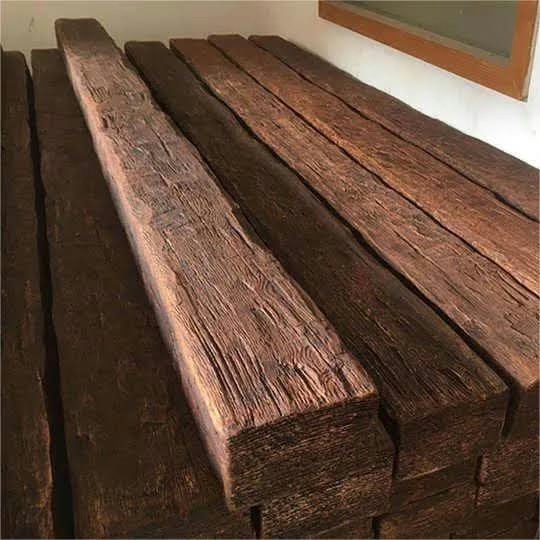
Dramatically aged finishes evoke timber with substantial history, including deep weathering, pronounced grain, visible checking, and rich coloration developed over extended service. These finishes work beautifully in rustic, farmhouse, and lodge environments where strong character defines the design vocabulary. The authentic appearance of heavily aged timber provides visual anchor for design schemes built around heritage aesthetics.
Long-Term Value and Investment Protection
Choosing exposed effect beams represents a significant design decision that affects how spaces feel for years to come. Understanding long-term implications ensures satisfaction with this investment.
The maintenance requirements for quality PU beams are minimal compared to genuine timber. No periodic refinishing, sealing, or repair extends the attractive appearance indefinitely. Occasional dusting and occasional cleaning with mild detergent maintains appearance without special equipment or expertise. This low-maintenance characteristic proves particularly valuable for homeowners who seek beautiful environments without extensive ongoing commitment.
The durability of PU beams protects your investment against the minor accidents and environmental stresses that affect all interior elements. Unlike genuine timber that might dent, scratch, or stain, PU beams resist these common forms of damage while maintaining their appearance. Should damage occur despite this resilience, individual beams can be replaced without disturbing adjacent elements, simplifying repairs and minimizing costs.
The timeless appeal of exposed beam aesthetics ensures that this design choice won't appear dated as trends evolve. Structural timber has remained desirable for centuries, and its architectural expression through exposed beams maintains that enduring appeal. Investing in exposed beam treatment adds character that enhances property value while providing daily enjoyment that justifies the expenditure.
Exposed effect PU faux wood beams offer the best of both worlds: authentic architectural character that has appealed to human sensibilities for generations, combined with modern material performance that suits contemporary construction and lifestyle requirements. For spaces seeking rustic warmth, structural authenticity, or simply distinctive architectural interest, these beams deliver results that transform ordinary ceilings into compelling design features.
Technical References
ASTM standards cited in every specification
Test Data
Lab results from internal testing program
Updated 2026
Reviewed against current product specs


