
Building facades tell stories before visitors ever enter. The exterior appearance establishes expectations, conveys character, and creates the first impression that shapes all subsequent experience. For architects and property owners seeking distinctive curb appeal, the integration of architectural wood elements has proven consistently effective in conveying warmth, quality, and timeless design sensibility. However, genuine timber in exterior applications presents significant challenges that limit its practical use in many situations. PU resin faux timber beams designed specifically for exterior use address these challenges while delivering the authentic appearance that makes timber-look elements so appealing.
Exterior architectural elements face environmental challenges unknown in interior applications. Sun exposure, precipitation, temperature extremes, and biological threats like algae and insects all conspire against materials placed on building exteriors. Natural timber, despite its beauty, remains vulnerable to these threats, requiring ongoing maintenance that becomes increasingly burdensome as elements age and deteriorate. Exterior-rated PU resin beams solve these problems through engineered material performance that withstands environmental stress while maintaining the visual authenticity that distinguishes quality architectural elements.
Understanding Exterior PU Resin Technology
The formulation of exterior PU resin differs significantly from interior applications, with additives and processing techniques that enhance weather resistance without compromising appearance.
UV stabilization represents perhaps the most critical difference between exterior and interior PU formulations. Constant sun exposure breaks down many polymers through photochemical degradation, causing chalking, discoloration, and surface deterioration. Exterior-grade PU incorporates UV inhibitors that absorb or reflect harmful radiation, preventing the degradation that would otherwise compromise both appearance and structural integrity. This protection ensures that beams maintain their color and surface quality despite years of sun exposure.
Temperature cycling presents another challenge that exterior materials must accommodate. As temperatures shift between summer heat and winter cold, materials expand and contract repeatedly. This thermal movement stresses joints, connections, and material bonds, potentially causing cracking, delamination, or fastener failure. Exterior PU formulations accommodate this movement through flexibility and memory that prevents damage from thermal stress.
Moisture resistance in exterior applications extends beyond simple water exposure. Rain, humidity, and condensation all present potential problems, particularly when water infiltrates behind beam installations or pools in joints. PU resin absorbs essentially no moisture, preventing the swelling, warping, and deterioration that affects natural timber in wet conditions. This moisture resistance ensures dimensional stability regardless of weather conditions.
The Appeal of Arched Elements
Arched forms carry deep significance in architectural tradition, suggesting elegance, permanence, and sophisticated craftsmanship. Integrating arched beams into facade designs adds visual interest that distinguishes buildings from those with purely rectilinear elements.
Arched beams create natural focal points that draw attention and establish design hierarchy. The eye naturally follows curved forms more readily than straight lines, making arched elements effective for directing attention toward building entries, signage, or other important features. This navigational function proves particularly valuable for commercial buildings where wayfinding contributes to customer experience.
The structural implication of arches suggests load-bearing function even in decorative applications. Where straight beams might read as purely ornamental, arched forms suggest genuine architectural purpose, lending authenticity and groundedness to facade treatments. This perception adds substance to visual design, making buildings feel more considered and crafted rather than merely decorated.
Versatility allows arched beams to serve various facade design approaches. Grand sweeping arches make dramatic statements on large commercial buildings, while subtle arched accents add refinement to smaller residential structures. The scale can be adjusted to match building proportions, ensuring appropriate visual weight regardless of overall building size.


Design Applications Across Building Types
Exterior arched PU beams adapt to diverse architectural contexts, from traditional to contemporary, residential to commercial. Understanding these applications helps specify appropriate treatments for specific projects.
Hospitality venues including hotels, restaurants, and entertainment venues benefit significantly from facade beam treatments that establish distinctive identity. The warmth of timber-look elements counters the often-sterile appearance of contemporary commercial construction, creating inviting environments that encourage patronage. Arched beam entryways frame building entrances memorably, providing photo opportunities and social media shareability that serves marketing objectives.
Retail storefronts use exterior beam treatments to project brand character and attract customers from the street. The visual prominence of well-designed facades drives foot traffic and establishes expectations before customers enter. Beams can frame signage areas, create covered walkways, or simply add architectural interest that distinguishes storefronts from neighboring businesses.
Residential applications include entry porches, garage facades, and garden structures where timber-look beams enhance outdoor living spaces. Arched elements work particularly well over entry doors, creating welcoming thresholds that announce the transition from public street to private home. Pergolas and covered patio structures incorporating arched beams extend living space outdoors while adding significant architectural character.
Weathering and Aging Considerations
Exterior elements face accelerated aging compared to interior applications, requiring finishes that accommodate or enhance this process gracefully.
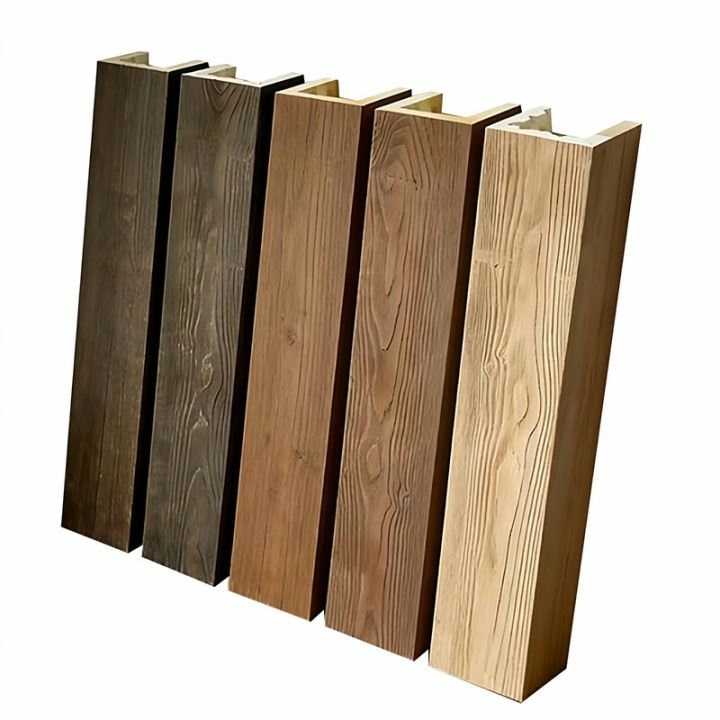
Authentic exterior timber weathers naturally, with exposure creating silver patina, checking, and gradual surface changes that many designers consider desirable. Faux timber beams intended for exterior use often incorporate controlled weathering that replicates this natural aging process. Rather than fighting environmental exposure, these finishes embrace it, maintaining attractive appearance as weathering progresses.
Paint-grade finishes offer different possibilities, allowing buildings to coordinate beam colors with overall color schemes. While natural wood finishes emphasize organic character, painted beams integrate with broader design palettes that include trim, shutters, and other architectural details. Quality exterior paint systems adhere well to PU resin, providing long-lasting color that refreshes building appearance.
The interplay between beam aging and building aging requires consideration during design. Buildings naturally accumulate weathering marks, moss, and environmental staining over time. Beams should age in ways that complement rather than conflict with this natural process. Selecting finishes that coordinate with realistic aging expectations ensures that facade treatments continue looking appropriate as buildings mature.
Installation Considerations for Exterior Applications
Exterior beam installation requires attention to details that interior applications can ignore. Proper techniques ensure lasting performance and appearance.
Structural mounting for exterior applications must accommodate wind loads that interior installations never face. Beam connections should use mechanical fasteners rated for exterior use, supplemented by construction adhesive that provides continuous support and prevents movement that might compromise weather seals. Consultation with structural engineers ensures adequate support for larger beam installations.
Integration with building waterproofing systems prevents moisture infiltration that causes damage to building structures and finishes. Beams must be installed in ways that maintain flashing, drainage planes, and weather barriers. This integration requires coordination between finish carpenters and building envelope specialists to ensure that aesthetic treatments don't compromise structural protection.
Ventilation and drying potential affects beam longevity in exterior applications. Beams mounted flush against wall surfaces may trap moisture that accelerates deterioration of both beams and underlying structures. Proper spacing and ventilation allow drying that prevents moisture accumulation and extends service life.
Maintenance for Lasting Beauty
Exterior architectural elements require maintenance practices that preserve appearance while accommodating environmental realities.
Periodic cleaning removes accumulated dirt, biological growth, and environmental pollutants that dull appearance over time. Low-pressure washing with appropriate cleaning solutions restores brightness without damaging beam surfaces. Frequency depends on local environmental conditions, with heavily wooded or industrial areas requiring more frequent attention.
Inspection should check for any signs of fastener loosening, adhesive failure, or surface damage that might compromise appearance or structural integrity. Addressing these issues promptly prevents progression to more serious problems. Annual inspection following winter conditions identifies any damage from freeze-thaw cycles or severe weather events.
Touch-up and repair materials allow restoration of minor damage that inevitably occurs over extended service periods. Most manufacturers offer touch-up kits that address small scratches, chips, or worn areas. More significant damage may require professional repair or beam replacement, though the durability of quality exterior PU minimizes this necessity.
Investment Value and Long-Term Economics
Exterior architectural treatments represent significant investments that should deliver lasting value. Understanding long-term economics helps justify initial expenditures.
Initial costs for exterior PU beams compare favorably with genuine timber when all factors are considered. While material costs per linear foot may appear similar, the elimination of structural reinforcement requirements, reduced installation labor, and minimal maintenance needs shift the comparison substantially in favor of PU alternatives. For commercial applications where time is money, faster installation provides additional economic benefit.
Maintenance economics favor PU beams decisively over genuine timber in exterior applications. Natural timber exteriors typically require repainting or refinishing every three to five years, with inspection and repair of deterioration adding ongoing costs. PU beams require no refinishing, resist deterioration, and maintain appearance indefinitely with simple cleaning. Over building lifespans of decades, this difference represents substantial cumulative savings.
Property value enhancement from distinctive exterior design provides returns beyond aesthetic satisfaction. Buildings with memorable facades command premium rents, higher sale prices, and greater occupancy rates than comparable properties with ordinary exteriors. The investment in quality architectural treatment generates returns through enhanced property performance across all metrics.
Exterior arched PU resin faux timber beams open possibilities for distinctive, durable, and economically sensible facade treatments that would be impractical with genuine timber. These architectural elements bring warmth, character, and visual interest to building exteriors while withstanding environmental challenges that would quickly deteriorate natural materials. For projects seeking authentic timber aesthetics in challenging exterior applications, PU resin beams deliver results that exceed expectations.
Technical References
ASTM standards cited in every specification
Test Data
Lab results from internal testing program
Updated 2026
Reviewed against current product specs


