
Dining spaces occupy a unique position in home design, serving as the backdrop for life's most significant moments. Birthday celebrations, holiday gatherings, quiet family dinners, and the simple act of sharing daily meals all unfold within these spaces, creating memories that linger long after the tables are cleared. The dining area aesthetic contributes substantially to how these experiences feel, setting emotional tones that range from celebratory grandeur to intimate coziness. Ceiling treatment offers remarkable opportunity to shape this atmosphere, and faux wood beams provide versatile solutions that enhance dining spaces across diverse design styles.
Contemporary dining room design often struggles to balance multiple demands. Open floor plans create visual connections between dining areas and adjacent kitchens or living spaces that require thoughtful differentiation. Formal entertaining expectations coexist with casual family needs. The desire for impressive design conflicts with practical concerns about maintenance and durability. Faux wood beams address these competing requirements elegantly, providing visual impact without compromising the flexibility that modern households require.
Establishing Visual Hierarchy
Successful dining space design creates clear visual hierarchy that establishes the room's importance while respecting its relationship to surrounding areas. Beams play a crucial role in this hierarchy establishment.
Ceiling treatment naturally draws the eye upward, establishing the dining area as a focal point within larger spaces. In open-plan homes, beams over the dining table create visual separation from adjacent living or kitchen zones without requiring physical barriers that interrupt sight lines or spatial flow. This subtle differentiation helps define functional zones while maintaining the openness that makes smaller homes feel more spacious.
Scale relationships between beams and dining furniture establish proportional harmony that contributes to overall aesthetic success. Beams that overwhelm furniture create visual imbalance, while undersized beams disappear into ceiling expanses without providing meaningful impact. Appropriate sizing, typically with beam depth approximately one-fifteenth to one-twelfth of ceiling height, ensures that ceiling treatment complements rather than competes with furniture arrangements below.
The weight of beam treatment affects perceived formality. Heavy, substantial beams with dark finishes convey traditional formality suitable for elegant dinner parties and special occasions. Lighter beams in subtle finishes support more casual dining while still providing the visual interest that distinguishes dining spaces from ordinary rooms. Selecting treatment weight that matches your entertaining style ensures authentic atmosphere.
Complementing Various Design Styles
Dining spaces embrace diverse aesthetic vocabularies, from ultra-contemporary to traditionally classic. Faux beams adapt to these varied styles when appropriately specified.
Modern dining rooms benefit from beam treatments that enhance rather than contradict clean-lined contemporary aesthetics. Beams with smooth surfaces and geometric profiles work well in these spaces, adding warmth without introducing visual complexity that conflicts with minimalist design principles. Neutral finishes in white, gray, or light natural tones complement contemporary color palettes while providing the dimensional interest that prevents flat ceilings from feeling institutional.
Transitional dining spaces that blend traditional and contemporary elements accommodate beams with moderate detailing. Slightly more pronounced grain, subtle weathering, and profiles with gentle curves support the mixed aesthetic these rooms pursue. The key lies in restraint that adds character without overwhelming the balanced quality transitional design seeks.
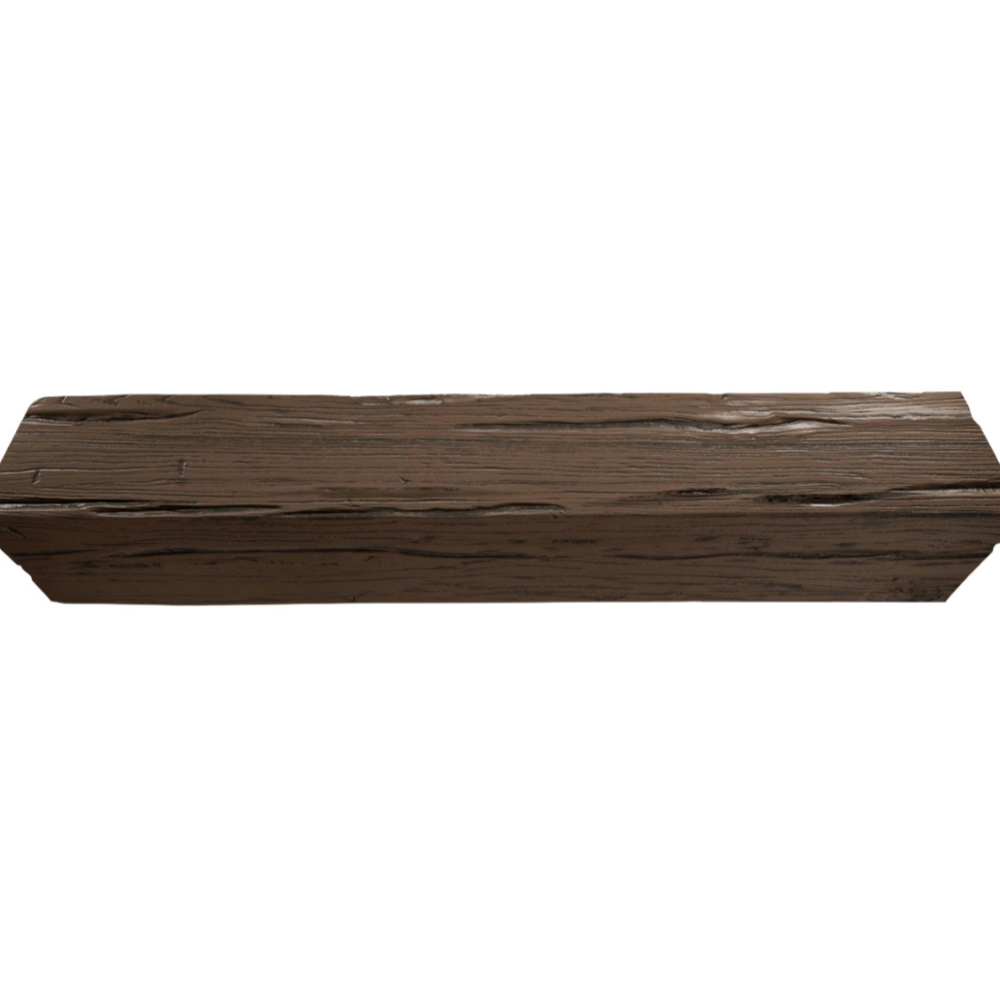
Traditional dining rooms often feature rich wood furniture, formal layouts, and classic architectural details. Beams in dark wood finishes like walnut, mahogany, or cherry complement these elements naturally, adding the substantial ceiling treatment that formal dining rooms require. Decorative details like corbels, chamfered edges, and authentic grain patterns reinforce the crafted quality that traditional design values.
Farmhouse and country dining spaces embrace warmer, more casual aesthetics. Beams in honey oak, natural pine, or barn wood finishes contribute rustic charm that supports the comfortable, gathered feeling these spaces cultivate. Lighter overall treatment prevents the heavy atmosphere that dense dark beams might create, maintaining the approachable quality that farmhouse dining requires.
Lighting for Dining Ambiance
Dining experiences depend heavily on lighting quality, with illumination affecting everything from food presentation to conversation comfort. Beam installations should accommodate lighting needs while enhancing overall atmosphere.
Dining room chandeliers or pendant fixtures benefit from beam mounting that provides structural support and aesthetic integration. Beams positioned to support fixture canopies create cohesive appearance that makes lighting feel intentional rather than arbitrarily ceiling-mounted. The combination of beautiful light fixtures and handsome beam treatment creates focal points that draw attention toward dining tables.
Dimmable lighting systems allow atmosphere customization for different occasions. Family dinners might use brighter illumination that supports homework, conversation, and practical activities. Romantic dinners for two benefit from softer lighting that creates intimate atmosphere. Elegant entertaining calls for dramatic lighting with accent illumination that emphasizes table settings and decorative elements. Flexible lighting systems accommodate these varied needs while beam treatment provides the aesthetic framework.
Ambient lighting from recessed fixtures positioned between beams provides general illumination without visible hardware. This approach maintains clean beam lines while ensuring adequate light levels for dining activities. The combination of decorative fixture lighting and concealed ambient sources creates layered illumination that adapts to diverse needs.

Spatial Arrangement and Proportion
The dining table placement and surrounding furniture arrangement affect how beam treatment impacts the overall space. Considering these relationships ensures successful integration.
Centered beam arrangements position beams directly over dining tables, creating visual alignment that emphasizes the table as the room's focal point. This traditional arrangement works particularly well in formal dining rooms with centered table placement. The beam overhead provides natural visual anchor that draws attention to the table while adding architectural interest to the ceiling plane.
Offset arrangements accommodate non-centered table placement common in informal dining spaces. Beams running parallel to longer walls rather than directly over tables create visual interest without requiring specific furniture positioning. This flexibility suits dining spaces that serve multiple purposes or feature irregular shapes.
Multiple beam groups can define distinct zones within larger dining spaces. A formal dining area might feature dense beam treatment over the main table, while an adjacent buffet or bar area receives lighter treatment or no beams at all. This variation creates hierarchy that distinguishes functional zones while maintaining overall design coherence.
Material Quality and Authenticity
The visual impact of dining space beams depends substantially on material quality and attention to authentic appearance. Investing in quality ensures lasting satisfaction.
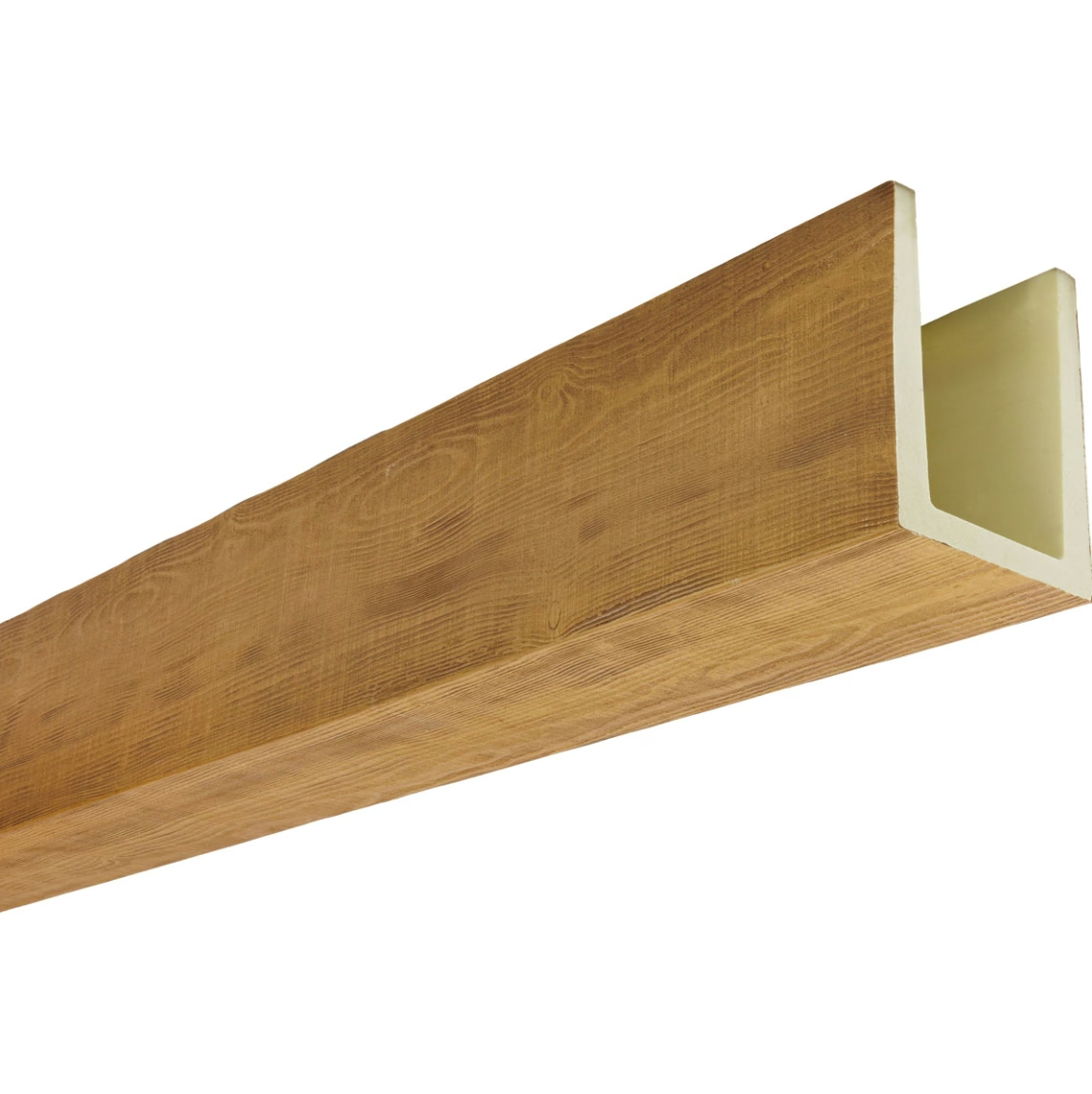
Surface detail significantly affects perceived authenticity. Quality faux beams incorporate realistic grain patterns, subtle color variations, and textural interest that replicate genuine timber. Knotholes, checking, and weathering marks add character that prevents manufactured appearance. Close examination should reveal the same visual complexity that makes genuine timber appealing.
Dimensional accuracy ensures that beams maintain proper proportions from all viewing angles. Warped or inconsistently manufactured beams create alignment problems that compromise installation quality and visual appeal. Checking cross-sectional dimensions and straightness before purchase prevents these problems.
Finish durability affects long-term appearance in dining spaces where beams may be visible during meals, gatherings, and everyday activities. Quality finishes resist fading, scratching, and wear that would diminish appearance over time. Easy-clean surfaces accommodate occasional splatter or dust accumulation without requiring special treatment.
Creating Memorable Dining Experiences
The ultimate purpose of dining space design is creating environments where meals become meaningful experiences. Beams contribute to this goal by establishing atmosphere that elevates ordinary dining.
The psychological warmth of wood elements affects how spaces feel regardless of actual temperature. Beams overhead create subtle enclosure that makes dining areas feel intimate without cramped压迫. This psychological warmth encourages lingering, conversation, and the relaxed enjoyment that transforms eating into experiencing.
Visual continuity between dining beams and other wood elements in the space creates cohesive environments that feel thoughtfully designed. When beams complement table, chairs, sideboard, and flooring, the overall effect becomes greater than the sum of parts. This integration demonstrates design intentionality that guests notice and appreciate.
Lasting appeal ensures that dining space design continues satisfying years after initial installation. Timeless beam treatments that avoid trendy finishes or flashy details provide aesthetic longevity that justifies investment. The goal is creating a dining space you'll love for decades, not one that dates within years.
Faux wood beams offer dining spaces the warmth, character, and visual sophistication that make meals memorable and gatherings special. By selecting appropriate treatments, integrating with lighting and furniture, and maintaining quality throughout the design process, homeowners create dining environments that serve families through countless meals, celebrations, and meaningful conversations that define home life.
Technical References
ASTM standards cited in every specification
Test Data
Lab results from internal testing program
Updated 2026
Reviewed against current product specs


