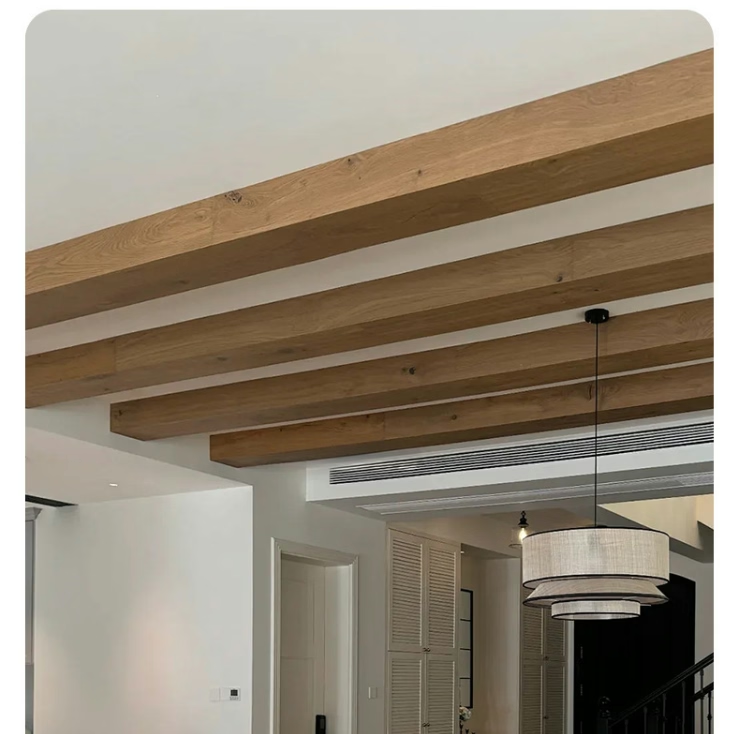
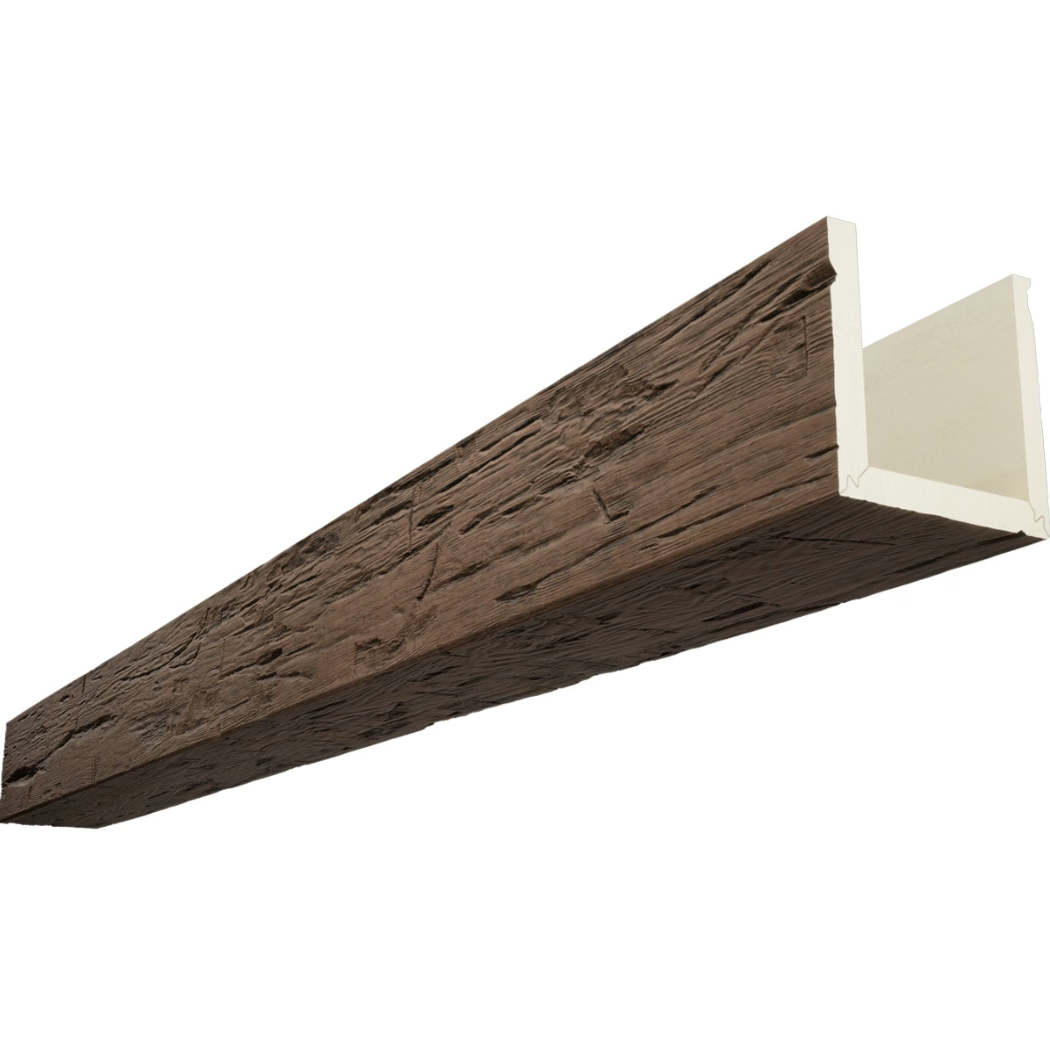
The beauty salon industry has evolved dramatically over recent decades, transforming from purely functional service spaces into destinations where clients expect complete sensory experiences. Today's salon clients seek environments that provide respite from daily stress, places where the routine act of hair or nail care becomes a moment of self-indulgence and renewal. This shift has elevated interior design from afterthought to strategic priority, with salon owners recognizing that beautiful environments contribute directly to client satisfaction, retention, and referrals. Ceiling treatment plays a significant yet often overlooked role in creating these experiences, and faux wood beams offer salon designers versatile solutions that deliver warmth, character, and visual sophistication.
Beauty salon design must balance competing demands that rarely trouble residential applications. Spaces need to feel luxurious and calming while accommodating functional requirements like ventilation, lighting, and equipment mounting. Design must appeal to diverse client demographics while maintaining distinctive brand identity. Maintenance must be simple and efficient given the demanding cleaning protocols beauty services require. Faux wood beams address these challenges while providing the aesthetic impact that distinguishes exceptional salons from ordinary ones.
The Psychology of Salon Atmosphere
Understanding how environmental design affects client psychology helps salon owners make informed decisions about ceiling treatment and overall interior design.
Color and texture significantly influence emotional states, with warm tones and natural materials promoting relaxation while cool tones and synthetic surfaces create alertness and energy. Beauty services often benefit from relaxation-focused environments that reduce client anxiety and encourage time spent in chair. Wood-look beams contribute warmth and organic character that supports calming atmospheres, counteracting the clinical feeling that sterile white ceilings and fluorescent lighting might create.
Spatial perception affects client comfort during extended service appointments. Salon clients often spend hours receiving treatments, making spatial qualities that prevent claustrophobia or restlessness valuable. High ceilings with appropriately scaled beams create sense of openness without cavernous emptiness. Beams add visual complexity that engages attention during wait times or processing periods, preventing the boring, institutional feeling that plain ceilings can create.
Acoustic properties influence both privacy and comfort in salon environments. Services often involve personal conversations that clients expect to remain private, while excessive ambient noise creates stress and interferes with relaxation. Beams contribute to acoustic management by disrupting sound reflections and adding mass that absorbs noise, creating quieter, more intimate atmospheres that support both privacy and relaxation.
Beam Styles for Diverse Salon Aesthetics
Beauty salons embrace varied design philosophies, from sleek modern minimalism to romantic vintage warmth. Faux beams adapt to these diverse aesthetics when properly selected.
Modern minimalist salons favor clean-lined beams with simple profiles and restrained finishes. Smooth surfaces without heavy texture, geometric placement, and neutral colorations complement contemporary design elements like floating shelves, acrylic furniture, and monochromatic color schemes. These beams add architectural interest while maintaining the clean aesthetic that minimalist design requires.
Bohemian and organic salons embrace warmth, texture, and eclectic character. Beams with pronounced grain, natural finishes, and slightly irregular surfaces contribute the artisanal quality these spaces cultivate. Macramé, plants, and vintage furniture combine with warm wood tones to create spaces that feel collected rather than purchased, personal rather than corporate.
Glamorous salons often feature metallic accents, velvet textures, and sophisticated lighting. Beams in darker finishes with subtle shimmer, perhaps incorporating metallic flecks or reflective sealants, complement these luxurious elements. The warmth of wood tones prevents glamorous spaces from feeling cold, adding approachability to otherwise dramatic design.
Spa-inspired salons pursue serene, nature-connected atmospheres. Beams in light natural finishes enhance the bright, airy quality these spaces seek. Combined with stone accents, water features, and living plants, wood-look beams contribute to environments that feel like wellness retreats rather than commercial service spaces.

Practical Considerations for Commercial Environments
Beauty salon ceilings face challenges that distinguish commercial from residential applications. Understanding these considerations ensures appropriate beam selection.
Cleaning and sanitation requirements in salons demand ceiling materials that withstand regular cleaning with commercial-grade products. Faux beams cleaned with standard salon disinfectants maintain appearance without degradation, allowing compliance with health department requirements without special ceiling maintenance protocols. This easy-clean characteristic proves invaluable in environments where hygiene is paramount.
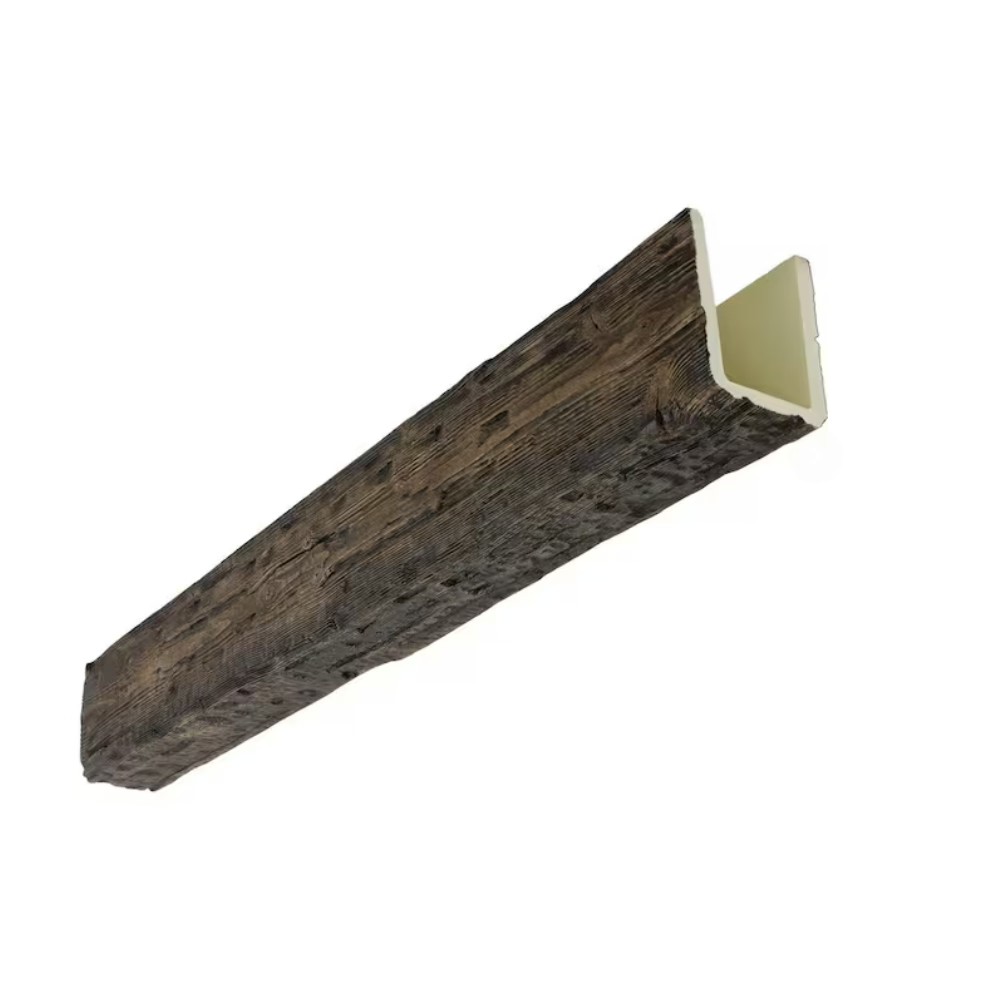
Moisture resistance addresses humidity challenges from steam, water services, and client grooming activities. Nail stations, facial areas, and shampoo bowls generate moisture that accumulates on all surfaces. PU beams resist moisture absorption completely, maintaining dimensional stability and appearance despite constant exposure to humid conditions that would damage genuine timber.
Lighting integration accommodates the specialized illumination beauty services require. Task lighting for cutting, coloring, and styling must eliminate shadows and provide accurate color representation. Beams positioned to support fixture mounting or integrate with track lighting systems contribute to overall illumination design while maintaining aesthetic consistency.
Ventilation system integration requires ceiling treatment that accommodates airflow requirements. HVAC registers, exhaust vents, and air purification equipment need ceiling access points that beam installations should not obstruct. Planning beam placement around these functional requirements ensures that beauty services receive adequate ventilation while maintaining beautiful ceilings.
Brand Identity Expression
Salon branding extends beyond logos and color schemes to encompass complete environmental experience. Ceiling treatment offers opportunity to express brand character through design.
Boutique salons with distinctive, curated aesthetics can use beam treatments that reinforce unique positioning. Custom finishes, unusual configurations, or statement beam installations create memorable impressions that differentiate from competitors. The ceiling provides large surface area for brand expression that wall space often cannot accommodate.
Mass-market salons seeking broad appeal benefit from classic beam treatments that communicate quality without alienating any demographic. Neutral wood tones, traditional profiles, and timeless styling provide warmth and character that appeals universally while maintaining the professional image these businesses require.
Eco-conscious salons can emphasize the sustainable characteristics of PU beams compared to genuine timber. Low-impact manufacturing, extended service life, and minimal maintenance contribute to environmental responsibility that environmentally conscious clients appreciate. This alignment between product characteristics and brand values strengthens marketing positioning.
Client Comfort and Experience
The ultimate measure of salon design success is client experience. Beams contribute to comfort in ways that affect satisfaction and return visits.
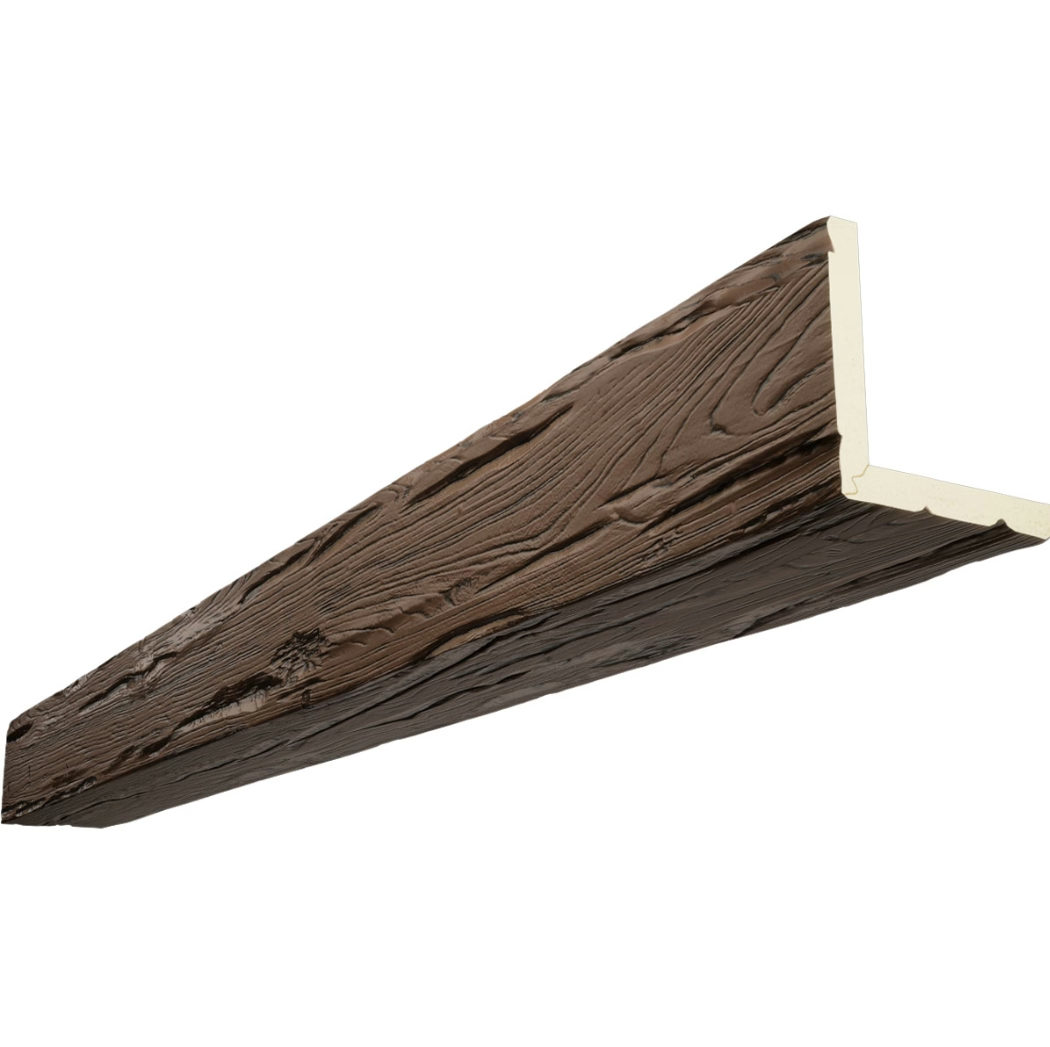
Visual comfort during extended appointments depends partly on ceiling treatment. Plain white ceilings can feel harsh and institutional, particularly under the bright task lighting that beauty services require. Warm wood-look beams soften overall appearance while providing visual interest that prevents monotony during long sessions in the chair.
Emotional comfort relates to atmosphere qualities that reduce stress and encourage relaxation. The warmth and organic character of wood elements promotes calm states that benefit both client experience and service outcomes. Relaxed clients cooperate better with styling requests, resulting in better outcomes and reduced appointment times.
Social comfort affects how clients perceive salon environments relative to their own identities and expectations. Beauty services are intimate experiences that clients share with stylists and technicians. Spaces that feel welcoming, personal, and well-designed communicate respect for clients that builds loyalty and positive word-of-mouth.
Long-Term Business Considerations
Salon owners must consider how design decisions affect business operations and profitability over time.
Maintenance costs directly impact profitability, making low-maintenance design choices economically valuable. Faux beams require no refinishing, resist damage, and clean easily with standard products. This minimal maintenance preserves attractive appearance while reducing ongoing expenditures for cleaning supplies, repair materials, and maintenance labor.
Durability ensures that initial investment provides lasting returns. Quality faux beams maintain appearance for decades without replacement, while cheaper alternatives might require earlier replacement that increases lifetime costs. Investing in quality from the start provides better economics than repeated replacement of inferior products.
Design timelessness prevents rapid dating that would require renovation to remain competitive. Classic beam treatments that avoid trendy finishes or flashy styling continue looking contemporary as design trends evolve. This longevity delays renovation requirements while maintaining the fresh, updated appearance that attracts clients.
Faux ceiling beams offer beauty salons remarkable opportunity to create distinctive, luxurious environments that elevate client experience while providing practical advantages suited to commercial applications. Through thoughtful selection that matches brand identity, professional installation that ensures lasting quality, and integration with overall design strategy, salon owners transform ordinary ceiling spaces into memorable environments that support business success through enhanced client satisfaction.
Technical References
ASTM standards cited in every specification
Test Data
Lab results from internal testing program
Updated 2026
Reviewed against current product specs