
The retail clothing market has transformed dramatically with e-commerce competition reshaping customer expectations and competitive dynamics. Physical stores survive and thrive by offering experiences that online shopping cannot replicate: the ability to touch fabrics, try garments, and see colors in person, combined with environmental atmosphere that transforms shopping from chore to pleasure. Store interior design has become a strategic differentiator, with retailers recognizing that beautiful, distinctive environments attract customers, encourage browsing, and justify premium pricing. Ceiling treatment contributes significantly to this atmospheric design, and faux wood beams provide versatile solutions that create memorable retail environments across diverse fashion aesthetics.
Clothing store ceilings face unique challenges that distinguish retail from other commercial applications. Merchandise display requires adequate, shadow-free lighting that accurately represents fabric colors and garment details. Acoustic management creates comfortable environments that encourage extended browsing without the harsh echo that hard retail surfaces produce. Maintenance demands accommodate constant customer traffic, regular cleaning, and occasional spillage without appearance degradation. Faux wood beams address these requirements while delivering the aesthetic impact that distinguishes exceptional retail spaces.
Retail Environment Psychology
Understanding how shopping environments affect customer behavior helps clothing retailers make informed design decisions that support business objectives.
Spatial perception influences shopping behavior in measurable ways. Ceilings that feel oppressively low discourage browsing and prompt quick departures, while appropriately elevated spaces encourage exploration and extended visits. Beams contribute to spatial perception by adding visual weight that humanizes large retail volumes, making expansive spaces feel more approachable and less warehouse-like.
Color and warmth affect customer mood and purchase behavior. Cool, fluorescent-lit spaces with bare white ceilings create the clinical atmosphere of inventory warehouses, while warm, naturally toned environments feel more like curated collections worth exploring. Wood-look beams add warmth that softens retail sterility, creating boutique-like atmospheres that encourage leisurely browsing rather than efficient transaction completion.
Acoustic environment influences shopping comfort significantly. Hard retail surfaces reflect sound, creating the noisy, stressful atmosphere that makes extended shopping exhausting. Strategic beam placement disrupts sound reflections, while beam surfaces absorb some acoustic energy, contributing to quieter, more comfortable environments that support browsing and conversation with sales staff.
Beam Styles for Fashion Retail
Clothing retailers express brand identity through interior design, with ceiling treatment serving as an extension of overall aesthetic strategy.
Contemporary fashion retailers typically favor minimalist aesthetics with clean lines, neutral palettes, and strategic pops of brand color. Beams in white, gray, or light natural finishes complement these clean environments without introducing visual complexity that distracts from merchandise. Simple profiles, consistent spacing, and subtle integration with lighting systems support the curated, gallery-like atmosphere these brands cultivate.
Bohemian and lifestyle fashion retailers embrace eclectic warmth that rejects minimalist sterility. Beams with pronounced texture, varied finishes, and slightly irregular placement contribute the artisanal character these brands communicate. Combined with vintage furniture, global textiles, and abundant greenery, warm wood-look beams help create environments that feel discovered rather than designed.
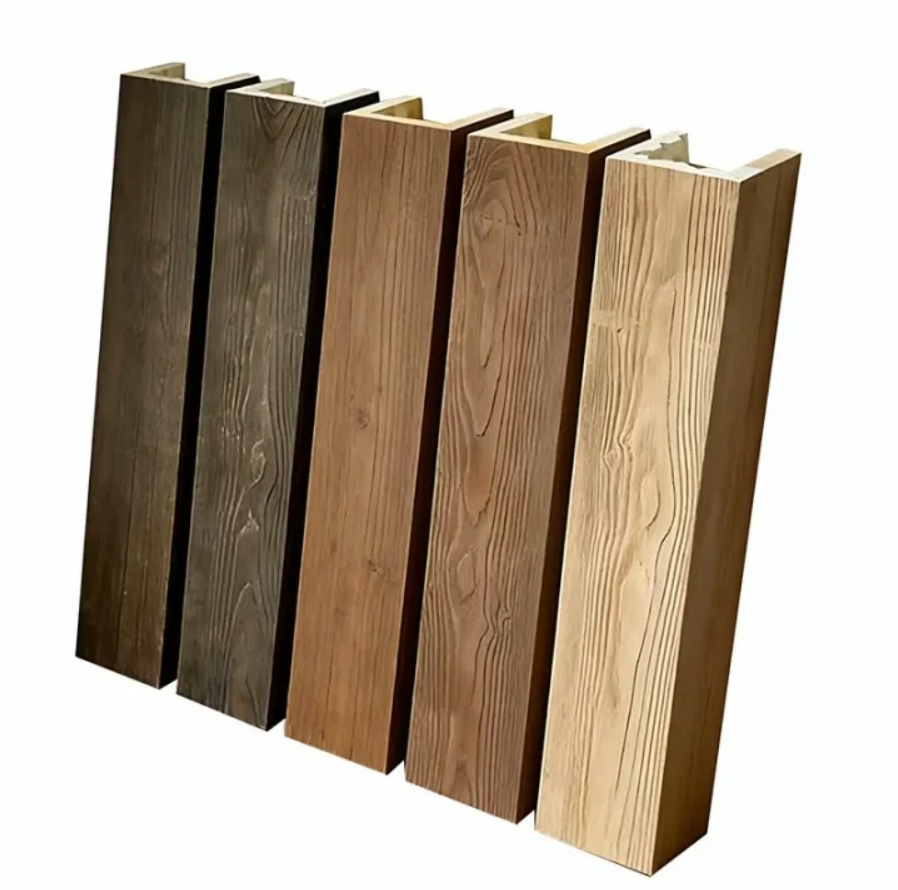
Luxury fashion retailers pursue sophistication that justifies premium pricing. Dark wood beams in rich finishes like walnut, ebony, or hand-painted custom colors complement upscale merchandise presentation. Substantial beam profiles, careful placement, and integration with dramatic lighting create environments that feel exclusive and special, reinforcing brand positioning as destinations for discerning customers.
Activewear and outdoor fashion retailers often embrace industrial aesthetics that suggest performance and authenticity. Beams in raw, reclaimed appearances complement exposed brick, metal fixtures, and utilitarian furniture. Dark finishes and textured surfaces support the rugged, genuine character these brands cultivate, adding warmth that prevents purely industrial spaces from feeling cold.

Merchandise Presentation Integration
Clothing stores exist to sell merchandise, making design decisions that support rather than compete with product presentation essential.
Lighting integration with beam installations affects how garments appear to customers. Recessed fixtures positioned between beams provide even illumination across merchandise displays, eliminating shadows that obscure details and distort colors. Pendant fixtures suspended from beams create focused pools of light that highlight featured merchandise while adding visual interest to overall ceiling treatment.
Display fixture coordination ensures that beams complement rather than conflict with merchandise presentation systems. Modern clothing displays often feature minimal, floating elements that benefit from beam treatment that adds warmth without overwhelming. Traditional displays with more substantial presence accommodate beams with greater visual weight. Understanding these relationships ensures harmonious overall appearance.
Signage and branding integration positions beams as opportunities for brand expression rather than obstacles to communication. Beam placement should not obstruct required signage or create visual competition with important brand elements. Strategic positioning makes beams part of comprehensive visual communication rather than isolated aesthetic features.
Practical Retail Considerations
Commercial clothing retail environments face operational demands that influence ceiling treatment decisions.
High traffic volumes mean constant exposure to potential damage from customer activities, stock handling, and merchandise transport. Faux beams resist impact damage better than genuine timber, maintaining appearance despite accidental collisions and routine handling. This durability ensures that beautiful ceilings remain beautiful despite demanding retail conditions.
Frequent cleaning requirements demand ceiling materials that withstand regular maintenance without appearance degradation. PU beams clean easily with standard retail cleaning products, allowing compliance with hygiene expectations without special care protocols. This easy-clean characteristic proves particularly valuable in fitting rooms and near merchandise displays where regular sanitation matters most.
Ventilation integration accommodates the air circulation retail spaces require. HVAC registers, sprinkler heads, and security cameras often occupy ceiling positions that beam installations should acknowledge. Planning beam layout around these functional requirements ensures that aesthetic treatment doesn't compromise building systems or code compliance.

Creating Distinctive Brand Experiences
Retail success increasingly depends on creating memorable experiences that justify physical store visits. Ceiling treatment contributes significantly to experiential retail design.
Photo opportunities emerge from beautiful environments that customers want to document and share. Social media has transformed word-of-mouth marketing, with customers sharing images of interesting retail spaces to their networks. Distinctive beam treatments create backdrop interest that encourages this organic marketing while reinforcing brand identity with every shared image.
Shopping as experience positioning elevates retail beyond transaction completion to include enjoyment, discovery, and personal expression. Environments that feel special transform shopping from chore to activity worth pursuing. Beams contribute to this experiential positioning by creating atmospheres that feel worth visiting for their own sake, with merchandise availability as welcome bonus rather than sole purpose.
Brand storytelling through environment design creates emotional connections that pure advertising cannot achieve. A clothing store interior should feel like an extension of the brand narrative, communicating values, aesthetics, and identity through every design element. Beams provide substantial surface area for this narrative expression, reinforcing brand story through architectural character that merchandise alone cannot convey.
Long-Term Business Value
Retail design investments should deliver returns through enhanced customer experience and improved business performance.
Quality materials that maintain appearance reduce renovation frequency and associated costs. Initial investment in quality faux beams pays returns through years of attractive service without replacement. This longevity proves particularly valuable in retail environments where renovation disrupts operations and loses sales.
Flexible merchandising strategies require design that accommodates evolving merchandise mix and display approaches. Beams positioned to support various fixture configurations enable merchandising changes without ceiling renovation. This flexibility supports business adaptation to seasonal variations, trend shifts, and strategic pivots without environmental constraints.
Customer perception of quality influences willingness to pay premium prices and brand loyalty development. Environments that feel special, crafted, and worth visiting communicate quality that extends to merchandise perception. Beams contribute to this quality perception by demonstrating attention to detail that suggests similar care in merchandise curation and customer service.
Faux ceiling beams offer clothing retailers remarkable opportunity to create distinctive, memorable shopping environments that enhance brand identity and support business objectives. By selecting treatments that complement fashion aesthetic, integrating with merchandise presentation, and addressing commercial operational requirements, retailers transform ordinary ceiling spaces into brand expressions that attract customers, encourage browsing, and build loyalty that translates to sustained business success.
Technical References
ASTM standards cited in every specification
Test Data
Lab results from internal testing program
Updated 2026
Reviewed against current product specs


