
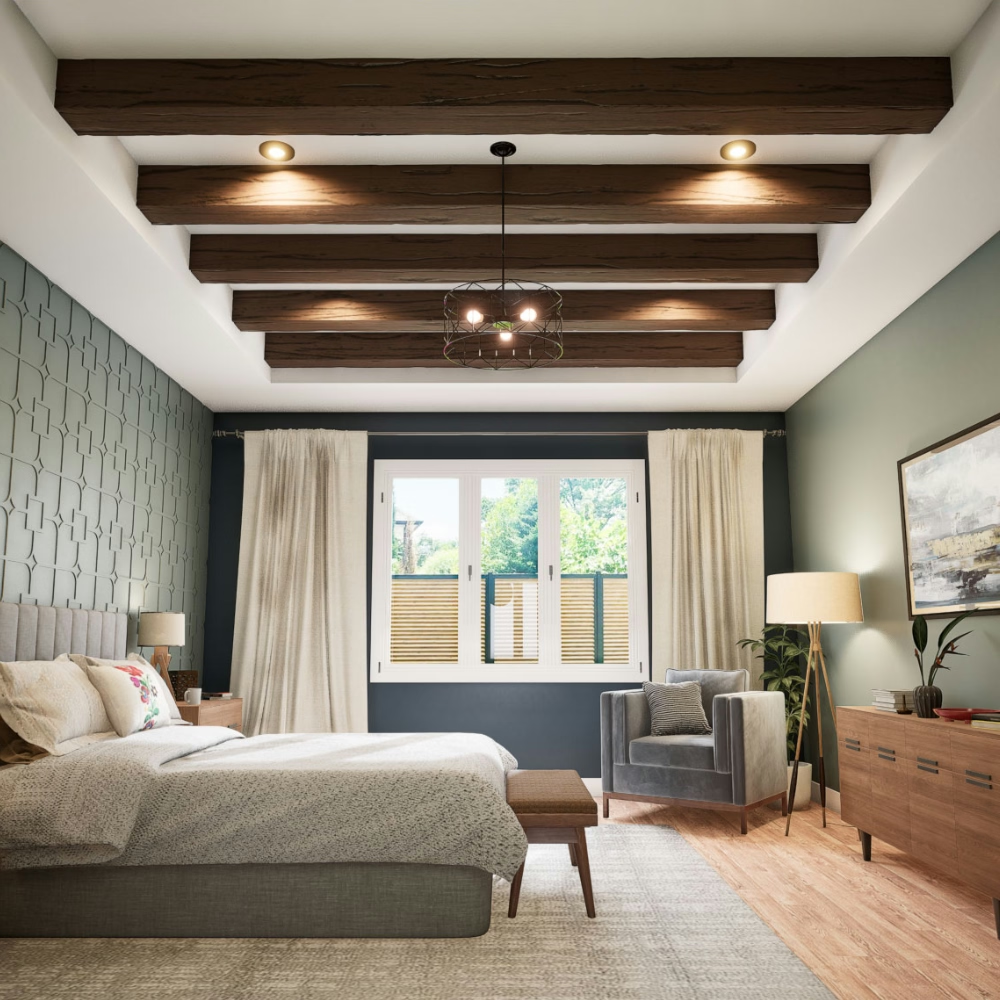
The accent wall has earned its place as one of interior design's most powerful transformation tools. Where four identical walls create visual monotony, a single treated surface draws attention, establishes hierarchy, and injects personality into spaces that might otherwise feel generic or forgettable. Paint remains the most common accent wall treatment, offering color impact at accessible cost. Wallpaper provides pattern and texture that paint cannot achieve. Yet both approaches occupy flat planes without adding dimensional interest or architectural authenticity. Faux timber beams offer accent wall treatment that goes beyond surface decoration, introducing genuine architectural dimension that transforms walls into compelling features rather than merely colored panels.
The dimensional quality of beam accent walls creates shadow and depth that flat treatments simply cannot match. As light crosses the room throughout the day, these shadows shift and change, animating walls with subtle movement that catches attention without demanding it. This dynamic quality distinguishes beam accent walls from static painted surfaces, creating interest that rewards extended observation rather than fading from awareness after initial impression.
Understanding Accent Wall Purpose
Successful accent wall design begins with clear understanding of what the treated wall should accomplish. Different goals require different treatment approaches.
Focal point creation ranks among accent walls' most common purposes. When a natural focal point like a fireplace or large window doesn't exist, creating one through wall treatment establishes the visual center that organizes furniture arrangement and design attention. Beam accent walls succeed brilliantly in this role, providing substantial visual weight that draws the eye reliably and creates natural conversation about the space.
Spatial correction addresses architectural proportions that feel wrong. Narrow rooms benefit from accent walls on the shorter end that visually widen the space. Low ceilings improve with vertical beam orientation that suggests greater height. Beams provide the directional emphasis that makes these corrections convincing, with proper beam placement reinforcing desired spatial perceptions.
Design anchoring gives contemporary spaces the grounding that modern aesthetics sometimes lack. Minimalist rooms with clean walls and simple furniture can feel unrooted, lacking the visual weight that makes spaces feel complete. Beam accent walls add this anchoring quality, providing warmth and substance that balances contemporary simplicity with timeless character.
Beam Orientation Strategies
How beams orient on accent walls significantly affects both visual impact and spatial perception. Strategic orientation ensures that treatment achieves intended goals.
Horizontal beam placement makes spaces feel wider by emphasizing lateral dimension. This orientation works particularly well in narrow rooms, hallways, or spaces adjacent to tall windows that already create vertical emphasis. Multiple horizontal beams create strong directional lines that the eye follows across the width of the room, visually expanding narrow proportions.
Vertical beam orientation suggests height and grandeur, drawing attention upward and making ceilings feel higher than they actually are. This approach suits rooms with low ceilings, wide proportions that feel squat, or design schemes that benefit from dramatic vertical emphasis. The strongest vertical effect comes from beams that extend from floor to ceiling or from wall to the point where accent treatment terminates.
Cross-pattern arrangements create geometric interest that suits contemporary and eclectic interiors. Perpendicular beam groupings add complexity that engages attention without overwhelming smaller spaces. This approach works well as partial accent treatment, covering wall sections rather than complete surfaces to avoid excessive visual density.
Wall Preparation and Mounting
Proper surface preparation and installation techniques ensure that beam accent walls remain secure, level, and visually successful for years of enjoyment.
Wall condition assessment identifies any repairs needed before installation. Existing paint, wallpaper, or wall damage should be addressed before beams mount. Minor wall imperfections typically disappear beneath beam coverage, but major issues like settling cracks or water damage require repair that ensures stable mounting surfaces.
Layout planning prevents alignment problems that compromise appearance. Mark beam positions carefully, ensuring consistent spacing and level alignment throughout the installation. Use a long straightedge to verify that beams will appear level from typical viewing positions, accounting for any wall irregularities that might affect perception.
Mounting methods depend on wall construction and beam weight. Most installations use combination of construction adhesive and mechanical fasteners for secure attachment. Adhesive provides continuous contact that prevents movement, while fasteners provide immediate holding power during adhesive curing. Heavier beams may require additional support through blocking behind drywall or stud mounting.

Style Coordination with Existing Décor
Beam accent walls should complement rather than compete with existing furniture, finishes, and design elements throughout the room.
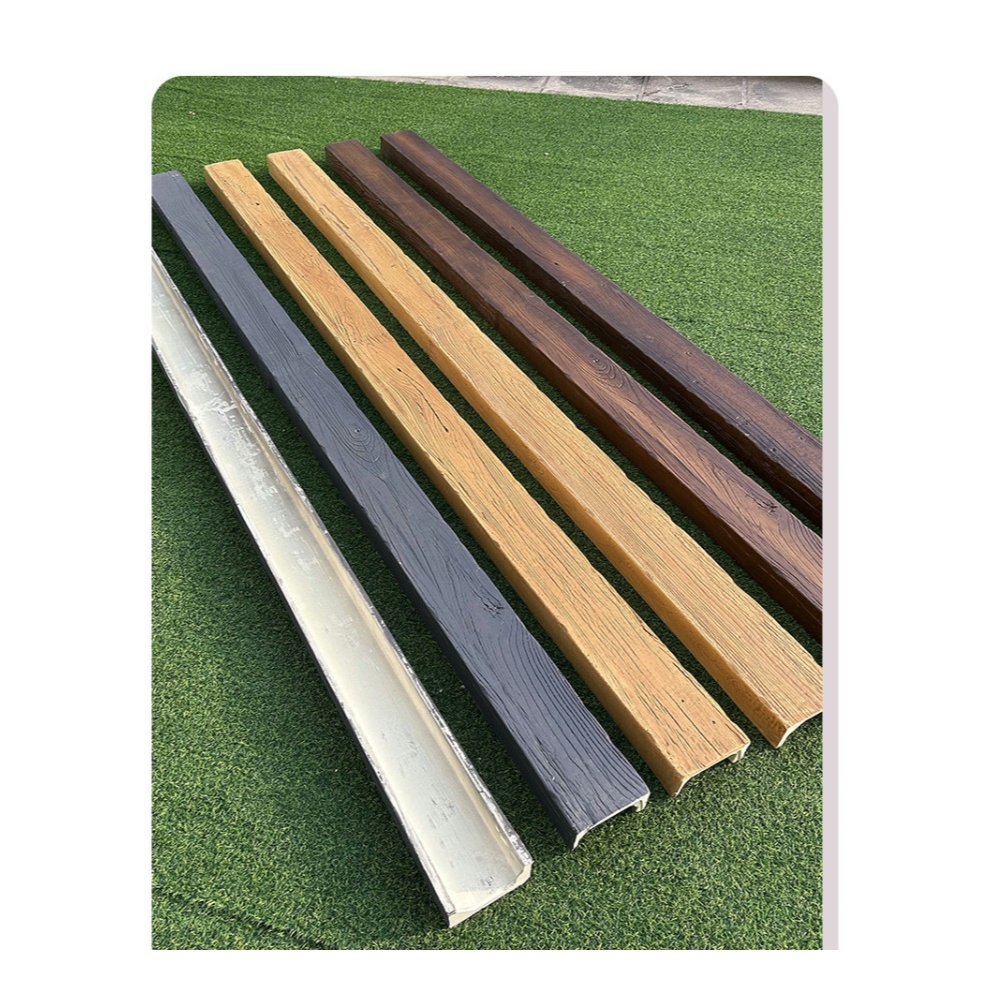
Color coordination ensures visual harmony between beam finishes and surrounding elements. Wood-tone beams should relate to flooring, furniture, and trim in ways that create cohesive palette rather than accidental mismatch. The goal is finding beams that connect visually with existing wood elements while adding fresh interest that enriches the overall scheme.
Scale relationship between beams and room dimensions affects overall balance. Oversized beams in small rooms overwhelm, while undersized beams in large rooms disappear without impact. Selecting beam dimensions that match room proportions ensures appropriate visual weight that enhances rather than disrupts spatial harmony.
Material texture interaction matters when combining beams with other wall treatments. Beams adjacent to smooth plaster, brick, or tile create beneficial contrast that emphasizes dimensional difference. This textural variety adds visual interest that plain walls cannot achieve, rewarding close examination while maintaining appeal from typical viewing distances.
Application Across Room Types
Different rooms benefit from different beam accent approaches based on function, existing architecture, and desired atmosphere.
Living rooms accommodate dramatic beam treatment that establishes focal points for primary seating areas. A fireplace wall becomes stunning when covered with vertical beams that frame the fire while drawing attention upward. Entertainment centers gain architectural presence when flanked by beams that transform electronics display into architectural feature.
Bedrooms benefit from beam accent walls behind beds that create dramatic headboard alternatives. This approach works particularly well in master suites seeking resort-like atmosphere. Horizontal beams across the bed wall create canopy-like enclosure that makes the sleeping area feel special and defined without physical canopy construction.
Home offices gain professional gravitas from beam accent treatment that suggests established permanence. A wall of vertical beams behind the desk creates backdrop for video calls while adding the character that sterile offices lack. This treatment helps define work zones within open-plan homes where multiple activities compete for spatial identity.
Lighting Enhancement
Beam accent walls interact powerfully with lighting, creating shadow and highlight effects that flat surfaces cannot produce.
Natural light across beam walls creates ever-changing shadow patterns as sun position shifts throughout the day. South-facing walls experience the most dramatic variation, with morning and afternoon light creating distinctly different appearances. This natural animation prevents static appearance while connecting interior spaces to outdoor light cycles.
Artificial lighting strategically positioned highlights beam dimensionality. Wallwashers aimed across beam surfaces emphasize texture and shadow, creating dramatic evening appearance. Picture lights or spotlights focused on specific beam sections create accent hierarchy within the overall treatment.
Backlit beam installations create glow effects that transform walls into light sources rather than merely surfaces. LED strips behind beams produce soft illumination that extends the architectural treatment into ambient lighting. This approach works particularly well in contemporary spaces seeking dramatic evening atmosphere.
Investment Value and Lasting Appeal
Beam accent walls represent design investments that should provide satisfaction for years without requiring renovation.
Quality installation ensures lasting performance without maintenance concerns. Secure mounting, proper adhesive application, and attention to detail during installation prevent future problems that might require repair or reinstallation. This initial care protects the investment throughout the beam service life.
Classic aesthetics provide timeless appeal that transcends decorating trends. Natural wood appearances have remained desirable for centuries, maintaining relevance as specific color preferences and decorative styles evolve. This timelessness protects design investment from rapid dating that trendy treatments might experience.
Property value enhancement results from beautiful, distinctive treatment that distinguishes homes from comparable alternatives. Accent walls with architectural character contribute to overall impression that affects both appraisal values and buyer interest. This enhanced desirability provides return on design investment through improved market positioning.
Faux timber beams transform accent wall possibilities from paint palettes and wallpaper patterns into genuine architectural features with dimensional interest, shadow play, and timeless character. By understanding treatment goals, selecting appropriate orientations, preparing surfaces properly, and coordinating with existing décor, homeowners create accent walls that anchor rooms visually while providing the design personality that makes houses feel like homes.
Technical References
ASTM standards cited in every specification
Test Data
Lab results from internal testing program
Updated 2026
Reviewed against current product specs


