
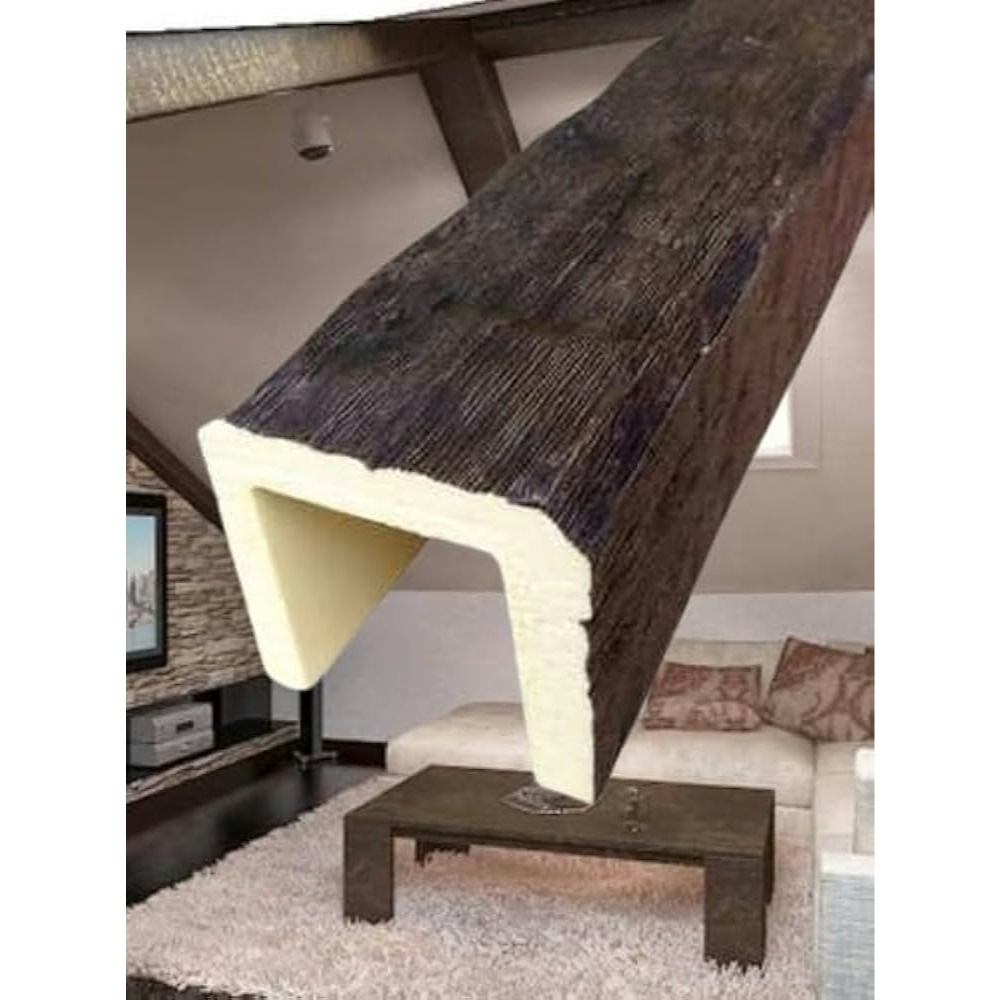
The retail landscape has fundamentally shifted as e-commerce captures increasing market share from physical stores. This transformation has elevated store environment from mere backdrop to strategic differentiator, with successful retailers recognizing that physical shopping offers experiences digital alternatives cannot provide. The sensory richness of touching merchandise, the social engagement of shopping with friends, and the immediate gratification of taking purchases home immediately all represent advantages that physical stores must maximize. Interior design contributes significantly to these advantages, creating environments that attract customers, encourage exploration, and justify premium pricing through distinctive atmosphere. Ceiling treatment plays crucial role in this environmental design, and faux timber beams provide versatile solutions that enhance retail spaces across diverse retail formats and brand positions.
Retail ceiling design must balance multiple requirements that rarely trouble residential applications. Merchandise must take visual priority while environment creates emotional engagement. Lighting must accurately represent product colors while creating atmospheric mood. Acoustics must support customer conversations without excessive echo or deadening. Maintenance must accommodate constant traffic and regular cleaning without appearance degradation. Faux timber beams address these competing requirements while delivering the aesthetic impact that distinguishes exceptional retail spaces from forgettable ones.
The Psychology of Retail Environment
Understanding how shopping environments influence customer behavior helps retailers make design decisions that support business objectives.
Spatial perception affects shopping behavior in measurable ways. Spaces with appropriately treated ceilings feel more inviting, premium, and worth visiting than stark environments with plain surfaces. Beams add the visual complexity that prevents large retail volumes from feeling warehouse-like, creating boutique-like atmospheres that justify higher price points and encourage exploration.
Emotional engagement through environment influences purchase decisions that purely rational consideration might not support. Beautiful spaces create positive emotional associations that transfer to merchandise and brands. Customers spend more time in attractive environments, handle more merchandise, and report higher satisfaction that translates to return visits and referrals. Ceiling beams contribute to this emotional engagement by creating environments worth lingering within.
Brand perception forms through accumulated environmental impressions that communicate brand values without explicit messaging. High-end retailers use premium materials and refined details that suggest quality and exclusivity. Value-focused retailers use warm, accessible aesthetics that communicate approachability. Ceiling treatment contributes to these perceptions by establishing quality baselines that influence how everything else in the space is understood.
Retail Format Adaptations
Different retail formats benefit from different beam treatment approaches suited to their specific characteristics and customer expectations.
Boutique retail spaces with curated merchandise selections and premium positioning benefit from beam treatments that reinforce elevated brand perception. Substantial beams in refined finishes communicate quality investment, while strategic placement emphasizes merchandise displays and creates intimate zones within smaller spaces. These treatments support premium pricing by establishing environments that feel special and worth visiting.
Mass-market retail stores seeking broad appeal require beam treatments that communicate quality without exclusivity. Warm wood tones in approachable finishes create inviting atmospheres without intimidating price-conscious customers. Simpler profiles and easier maintenance reduce operational complexity while still providing the aesthetic enhancement that distinguishes decorated spaces from plain alternatives.
Specialty retail focusing on specific product categories can use beam treatment to reinforce category associations. Outdoor recreation stores benefit from rustic, natural finishes that suggest adventure and authenticity. Home goods retailers use beams that complement merchandise without overwhelming carefully displayed products. Category-appropriate treatment strengthens brand positioning while creating cohesive shopping experiences.
Lighting and Merchandise Presentation
Retail lighting directly affects how merchandise appears to customers, making lighting integration with beam treatment essential for retail success.
Color accuracy requires lighting that doesn't distort merchandise colors or create unflattering shadows. Beam placement should not obstruct optimal fixture positioning, potentially requiring layout adjustments that accommodate both aesthetic and functional requirements. Recessed fixtures positioned between beams often provide the most even illumination without competing with beam appearance.
Accent lighting highlights featured merchandise and creates visual hierarchy within merchandise presentations. Beams provide excellent mounting surfaces for track lighting, pendant fixtures, and adjustable accent fixtures that emphasize specific displays. Integration between beam aesthetics and lighting fixtures creates cohesive ceiling treatment that serves both aesthetic and merchandising purposes.
Daylight integration in stores with significant window area requires consideration of how natural and artificial lighting interact. Beam treatment should complement natural light without creating problematic shadows or reflections. North-facing stores might benefit from lighter beam finishes that brighten available light, while south-facing stores can accommodate darker treatments that control glare.
Acoustic Considerations for Retail
Retail environments present acoustic challenges that affect both customer experience and staff working conditions.
Sound reflection creates the harsh, echoey atmosphere that makes conversation difficult and shopping exhausting. Beam surfaces break up reflection patterns that plain ceilings create, providing acoustic diffusion that improves speech clarity and reduces overall noise levels. This acoustic benefit occurs automatically with beam installation, requiring no special treatment beyond dimensional beam surfaces.
Customer conversation support enables the social shopping experience that many customers value. Groups of shoppers discussing merchandise, seeking opinions, and sharing discoveries represent high-value shopping behavior that retailers encourage. Acoustic environments that support these conversations increase customer satisfaction and purchase conversion. Beams contribute to these favorable conditions through their diffusion effects.
Staff communication benefits from acoustic environments that allow normal-volume conversation without shouting or miscommunication. Store employees handling transactions, answering questions, and coordinating with colleagues depend on clear verbal communication throughout their shifts. Improved acoustics reduce vocal strain and communication errors that poor acoustic environments create.


Operational Practicalities
Retail ceiling treatment must accommodate operational requirements that commercial environments demand.
Maintenance access to sprinklers, HVAC vents, and electrical systems requires ceiling configuration that doesn't obstruct necessary access points. Beam layout should consider these requirements, potentially with gaps between beams at system access locations or with beams positioned to frame rather than cover access points. This practical accommodation ensures that aesthetic treatment doesn't compromise building functionality.
Cleaning requirements in retail environments demand surfaces that withstand regular maintenance without appearance degradation. PU beams clean easily with standard retail cleaning products, maintaining attractive appearance despite constant exposure to dust, fingerprints, and occasional spills. This easy maintenance supports the high-cleanliness expectations that retail environments require.
Durability against traffic damage protects investment in environments where accidental contact occurs regularly. Customers reaching for overhead merchandise, staff moving ladders and equipment, and routine handling all present potential for impact damage. Quality faux beams resist this damage better than genuine timber, maintaining appearance despite the demanding conditions retail spaces present.
Brand Expression Through Design
Retail environments communicate brand identity through every visible element, with ceiling treatment providing substantial surface area for brand expression.
Visual brand consistency extends from signage and fixtures through to ceiling treatment that reinforces overall brand presence. When beams complement brand colors, materials, and aesthetic sensibilities, environments feel cohesive and thoughtfully designed rather than fragmented. This consistency strengthens brand perception and customer recognition.
Statement ceiling treatments create memorable impressions that distinguish stores from competitors. Bold beam installations with dramatic finishes, unusual configurations, or substantial visual presence become destinations within themselves, generating social media sharing and word-of-mouth promotion that traditional advertising cannot achieve.
Heritage storytelling through design communicates brand history and values that customers increasingly seek. Stores with rustic beam treatments suggest authenticity and craftsmanship that mass-produced alternatives cannot match. This heritage perception adds emotional value that supports premium positioning and customer loyalty.
Long-Term Business Value
Retail design investments should deliver returns through enhanced customer experience, improved operational efficiency, and protected property values.
Quality materials that maintain appearance reduce renovation frequency and associated business disruption. Initial investment in quality faux beams pays returns through years of attractive service without the maintenance demands that genuine timber would require. This durability proves particularly valuable in retail environments where renovation disrupts operations and loses sales.
Flexible merchandising strategies require design that accommodates evolving merchandise mix and display approaches. Beam-supported lighting and display systems enable merchandising changes without ceiling renovation. This flexibility supports business adaptation to seasonal variations, trend shifts, and strategic pivots.
Customer satisfaction enhancement through beautiful environments creates loyalty that generates repeat visits and positive recommendations. Customers who enjoy shopping experiences return more frequently, spend more per visit, and refer friends and family. Ceiling beams contribute to these positive experiences by creating environments worth visiting.
Faux timber beams offer retail spaces remarkable opportunity to create distinctive, memorable shopping environments that enhance brand identity and support business objectives. Through thoughtful selection that matches retail format and brand positioning, professional installation that ensures lasting quality, and integration with lighting and operational requirements, retailers transform ordinary ceiling spaces into brand expressions that attract customers, encourage exploration, and build loyalty that translates to sustained business success.
Technical References
ASTM standards cited in every specification
Test Data
Lab results from internal testing program
Updated 2026
Reviewed against current product specs


