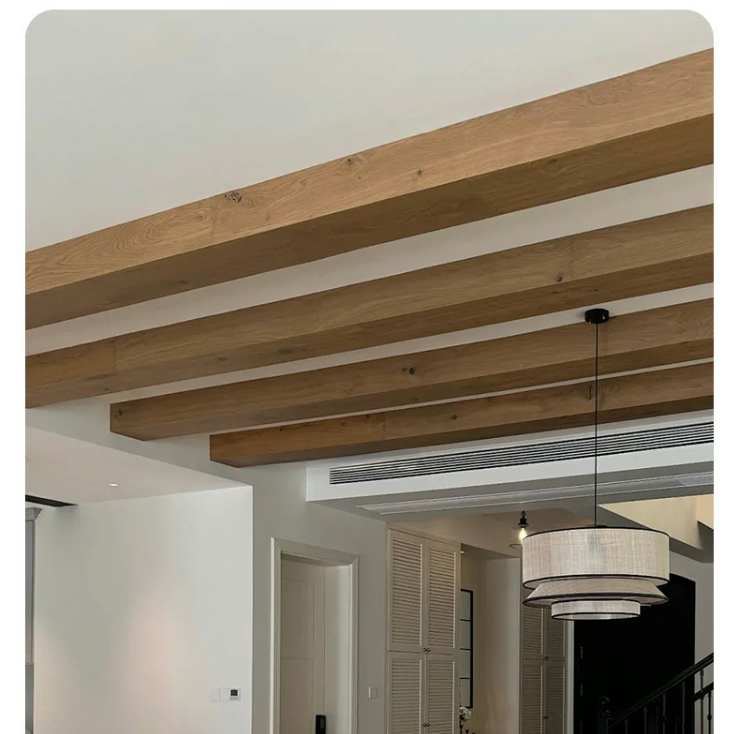
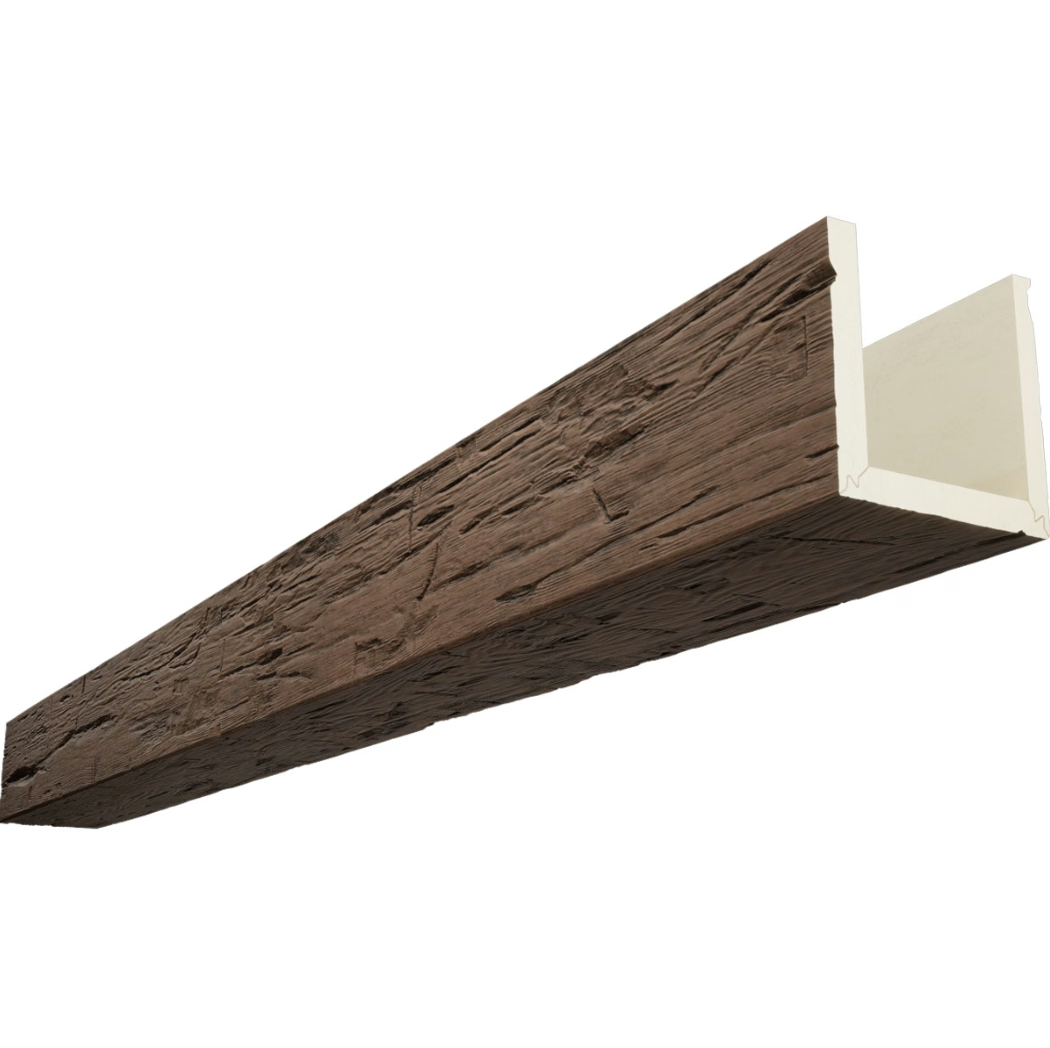
The wine bar represents a distinct category within the hospitality landscape, offering intimate alternatives to crowded taverns and formal wine restaurants. These spaces invite patrons to explore unfamiliar varietals, savor thoughtful pours, and engage in the social pleasure of shared appreciation. Success depends not merely on beverage quality but on creating environments that elevate wine experiences beyond simple consumption into genuine enjoyment. Atmosphere shapes how patrons perceive wine, how long they linger, and how likely they become repeat visitors. Ceiling treatment provides substantial opportunity for atmosphere creation, and faux timber beams offer solutions that enhance wine bars across diverse design approaches from casual neighborhood establishments to sophisticated tasting rooms.
Wine bar design must balance competing demands that challenge even experienced hospitality designers. Spaces need intimate scale that encourages conversation while accommodating groups of varying sizes. Lighting must showcase wine colors accurately while creating romantic atmosphere. Acoustics must support quiet dialogue without deadening the liveliness that makes bars feel welcoming. Aesthetic sophistication must justify premium pricing without intimidating casual visitors. Faux timber beams address these requirements while delivering the refined character that wine culture values.
Atmosphere Creation for Wine Appreciation
Wine appreciation depends heavily on environmental conditions that design can either support or undermine.
Intimate scale establishment makes wine bars feel distinct from everyday environments, creating the sense of occasion that elevates wine experiences. Ceiling beams add visual weight that humanizes space proportions, transforming potentially cavernous commercial areas into appropriately scaled intimate environments. This visual compression creates the protected feeling that encourages lingering and conversation.
Warm atmosphere encouragement supports the relaxed state that wine enjoyment requires. Harsh, fluorescent-lit spaces with bare concrete ceilings create alertness incompatible with wine appreciation's contemplative pleasure. Wood-look beams add organic warmth that counteracts commercial sterility, creating environments where patrons can relax into enjoyment rather than remaining alert to harsh surroundings.
Sensory enhancement through design affects how wine tastes and how much patrons enjoy experiences. Warm wood tones complement wine's amber and ruby colors, creating visual harmony that extends beyond mere aesthetics into genuine sensory integration. The overall atmosphere that beams contribute makes wine taste better simply through the pleasure of beautiful surroundings.
Design Style Variations
Wine bars embrace diverse aesthetic approaches that should inform beam treatment selection.
Contemporary wine bars pursue modern aesthetics that appeal to younger demographics and design-conscious patrons. Clean-lined beams with minimalist profiles and neutral finishes support these sleek environments, adding warmth that prevents sterility without complexity that contemporary design rejects. Painted beams in whites, grays, or blacks contribute architectural interest while maintaining design clarity.
Traditional wine bars draw inspiration from European wine culture, with classic materials, rich colors, and timeless styling that communicate heritage and authenticity. Beams in dark wood finishes like walnut, mahogany, or aged oak complement these traditional environments, adding the warmth that classic wine culture values. Authentic grain patterns and subtle weathering suggest genuine timber that has served faithfully for generations.
Rustic wine bars embrace the agricultural heritage of wine production, with barn wood, reclaimed materials, and farmhouse aesthetics that connect urban wine consumption to rural vineyard origins. Beams in reclaimed wood appearances, barn wood finishes, or rough-hewn textures support these rustic environments, creating atmospheres that feel grounded and authentic rather than merely fashionable.
Wine-focused gastropubs and casual wine bars accommodate relaxed consumption where formality might intimidate. Beams in approachable finishes with comfortable styling create welcoming environments suitable for casual after-work gatherings, friendly conversations, and relaxed enjoyment without ceremonial pretension. This approachability attracts patrons who might avoid more formal wine establishments.
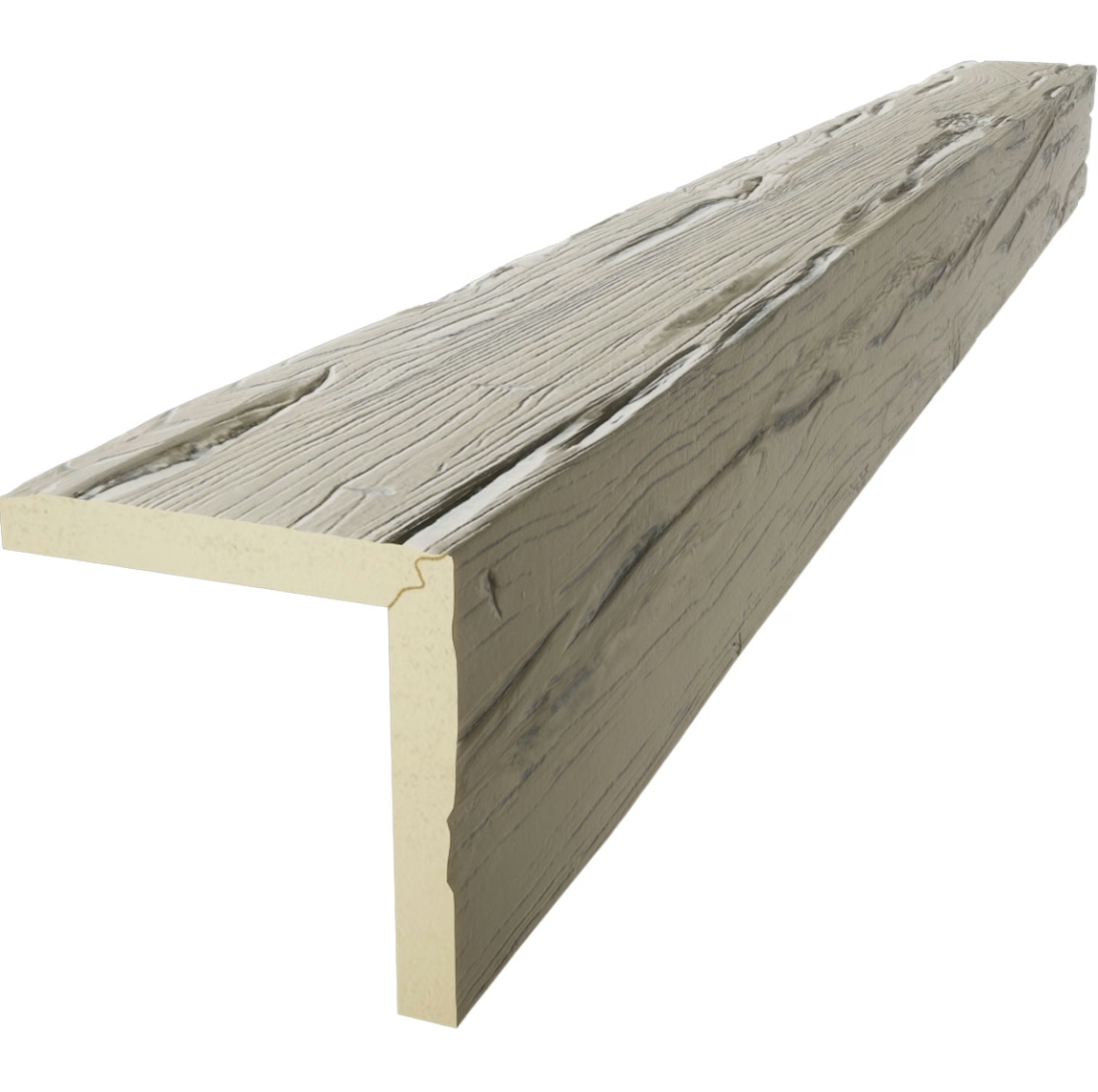
Acoustic Management
Wine bar acoustics significantly affect customer satisfaction and return visits, with ceiling treatment providing valuable contribution.
Sound reflection reduction through beam surfaces improves speech clarity and reduces overall noise levels that can make wine bars exhausting rather than enjoyable. The dimensional surfaces that beams provide scatter sound energy beneficially, creating acoustic environments suitable for conversation without the excessive absorption that would make spaces feel dead.
Intimate conversation support enables the close, personal dialogue that wine appreciation involves. Patrons discussing wine characteristics, sharing tasting notes, and building relationships through wine experiences depend on acoustic conditions that support rather than obstruct communication. Beams contribute to these conditions automatically through their dimensional presence.
Music integration consideration addresses how background music interacts with bar acoustics. Well-designed acoustic environments accommodate music at comfortable levels without competing with conversation or requiring excessive volume that damages hearing. Beam surfaces contribute to acoustic balance that allows music enjoyment without conversation compromise.
Lighting Coordination
Wine bar lighting requires careful design that serves both functional and atmospheric purposes.
Wine color presentation demands lighting that accurately represents wine appearance without distortion. Beam placement should not obstruct optimal fixture positioning, potentially requiring layout coordination that accommodates both aesthetic and functional requirements. Recessed fixtures between beams often provide the most even wine-display illumination.
Ambient atmosphere creation through lighting establishes the romantic, sophisticated mood that wine culture values. Warm color temperature lighting around 2700K flatters wine colors while creating inviting atmosphere. Beam-mounted accent fixtures contribute to this warmth, with fixtures positioned to highlight beam textures and create shadow interest.
Flexible lighting modes accommodate varied wine bar activities, from bright afternoon tastings to intimate evening service. Dimmable systems that adjust dramatically between modes enable wine bars to serve multiple purposes throughout the day without environmental compromise. Beam-integrated lighting should complement rather than conflict with this flexibility.

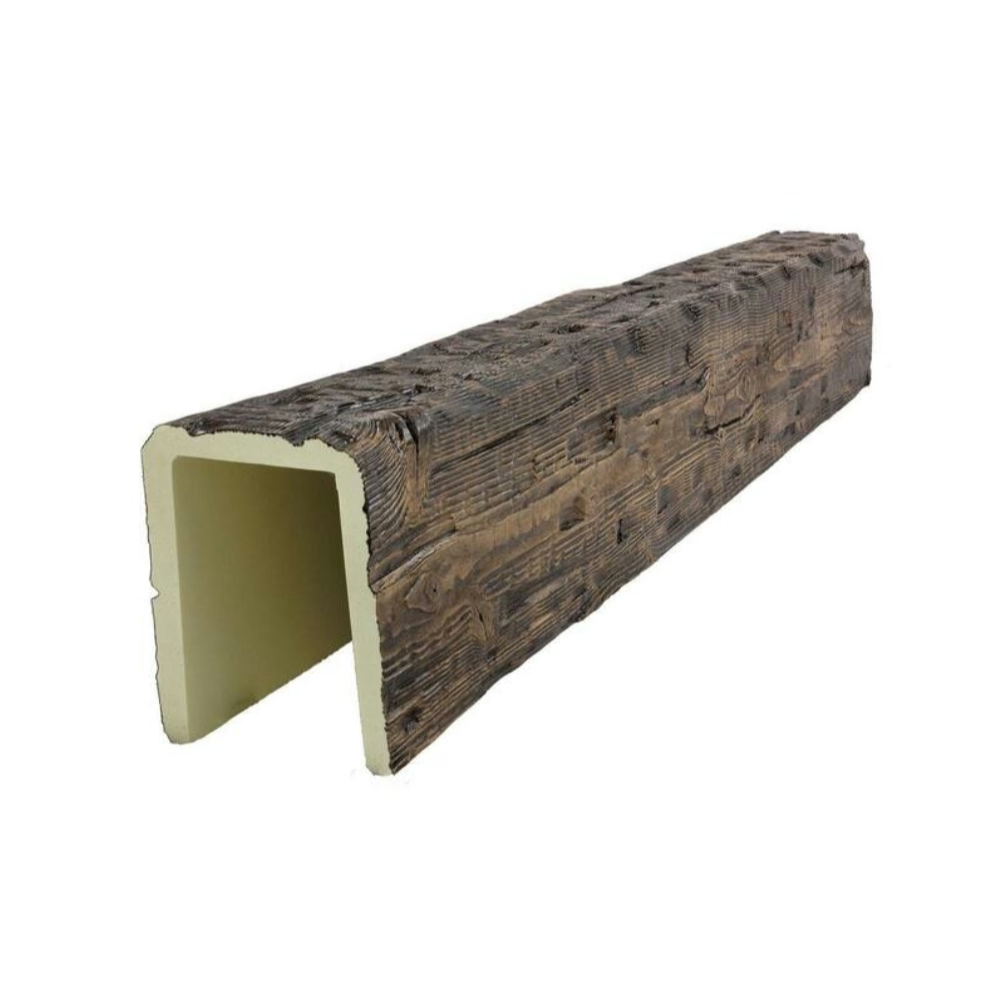
Commercial Durability Requirements
Wine bar environments demand materials that withstand the rigors of hospitality use while maintaining attractive appearance.
Cleaning frequency accommodation requires surfaces that endure regular maintenance without appearance degradation. Faux beams clean easily with standard commercial cleaning products, maintaining beautiful appearance despite constant exposure to the dust, fingerprints, and occasional spills that hospitality environments produce. This easy maintenance supports the high-cleanliness expectations wine bar patrons hold.
Moisture resistance addresses humidity from wine service, glass washing, and patron activity. PU beams resist moisture absorption completely, maintaining dimensional stability and appearance despite humid conditions that genuine timber would find challenging. This resilience ensures lasting beauty despite demanding hospitality conditions.
Impact resistance protects investment in environments where accidental contact occurs regularly. Patrons reaching for wine bottles, servers moving trays, and routine handling present potential for impact damage. Quality faux beams resist this damage better than genuine timber, maintaining pristine appearance despite the demanding conditions wine bars present.
Spatial Zone Definition
Wine bars often include multiple functional zones that beam treatment can help define.
Tasting bar areas require treatment that emphasizes this primary service zone while creating focal point for patron attention. Beams positioned directly above tasting bars provide visual emphasis that draws patrons toward service while creating backdrop for bartender presentation. The intimacy that focused treatment creates enhances the personal interaction that tasting experiences provide.
Seated lounge areas benefit from different treatment that establishes relaxed atmosphere distinct from service zones. Softer beam treatment or different spacing creates visual transition between active bar and passive seating areas. This zone differentiation helps patrons understand spatial organization without physical barriers that might obstruct flow.
Private tasting rooms require treatment that creates sense of special access and occasion. More substantial beam treatment, distinctive finishes, or unique configurations establish these premium spaces as distinct from general bar areas. Patrons paying premium prices for private experiences should feel the difference in environment quality.
Investment and Business Considerations
Wine bar owners must consider how design decisions affect both customer experience and business operations.
Quality perception through design influences willingness to pay premium prices that wine service requires. Environments that feel special, crafted, and worth visiting justify pricing that covers costs and generates profit. Beams contribute to this quality perception by demonstrating attention to detail that extends to all aspects of operation.
Customer retention depends on creating experiences worth repeating. Patrons who enjoy wine bar atmospheres return regularly, generating revenue that justifies initial investment. Beautiful environments that create positive associations support this retention through emotional connection that functional spaces cannot achieve.
Staff satisfaction from working in beautiful environments affects customer service quality and employee retention. Attractive workspaces improve morale, reduce turnover, and contribute to positive service interactions that customers notice and appreciate. Beams contribute to these positive work environments through aesthetic enhancement that staff encounter daily.
Faux timber ceiling beams offer wine bar design refined solutions that create sophisticated atmospheres while accommodating the demanding conditions hospitality environments present. Through thoughtful selection appropriate for wine bar style, professional integration with lighting and acoustic requirements, and attention to commercial durability, wine bar owners create environments that elevate wine experiences while supporting business success through enhanced customer satisfaction and repeat patronage.
Technical References
ASTM standards cited in every specification
Test Data
Lab results from internal testing program
Updated 2026
Reviewed against current product specs