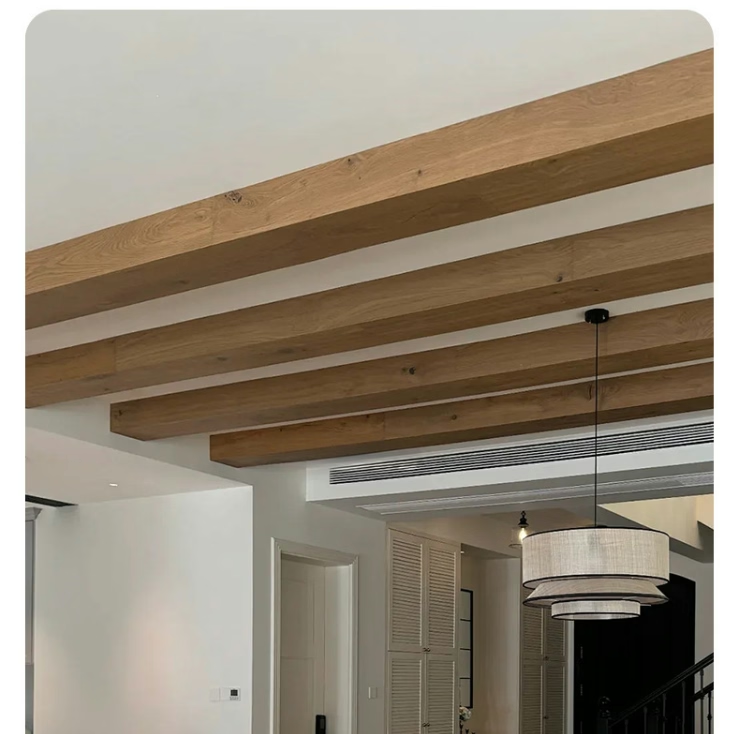
The competition for dining dollars has never been more intense. Restaurants must deliver exceptional experiences that justify spending on food prepared outside the home when home cooking costs a fraction as much. Architectural design contributes significantly to this value proposition, creating environments where guests feel the price is reasonable because the total experience exceeds expectations. Ceiling beams represent one of the highest-impact architectural investments available, delivering substantial visual returns at manageable cost.
Guests form impressions of restaurant interiors within seconds of entering, and these impressions influence spending behavior throughout the visit. Spaces that feel intentional and designed rather than merely functional command higher check averages and generate more positive reviews. Ceiling beams communicate that level of design intentionality, signaling to guests that they should expect excellence throughout their experience.
Selecting Appropriate Beam Styles
Restaurant interiors span vast stylistic territory, from minimalist contemporary spaces to rustic farmhouse establishments, each requiring beams that reinforce rather than contradict the overall design direction. Careful style selection ensures coherence that strengthens brand identity.
Contemporary restaurants featuring clean lines, neutral palettes, and modern furniture pair well with sleek beam profiles—smooth surfaces without pronounced texture, perhaps painted in colors that echo the overall color scheme. These beams provide architectural interest without introducing visual noise that would conflict with contemporary sensibilities.
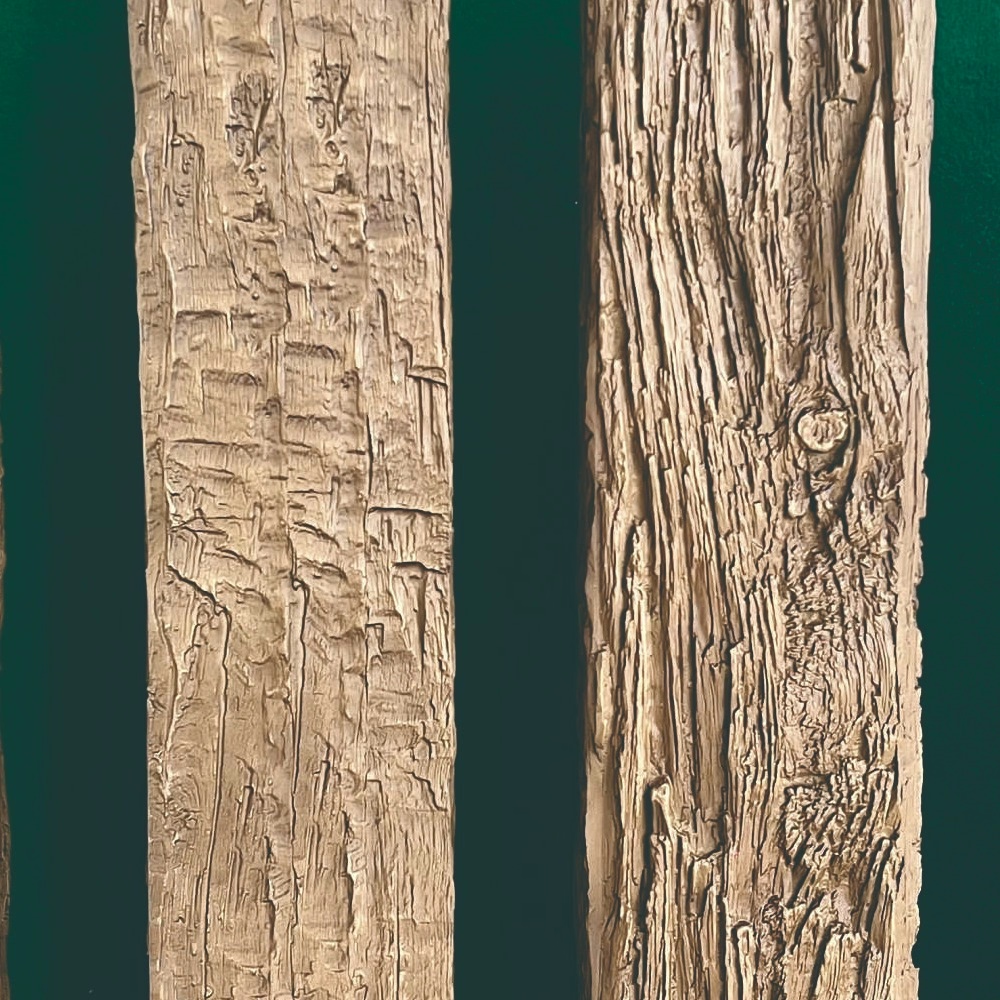
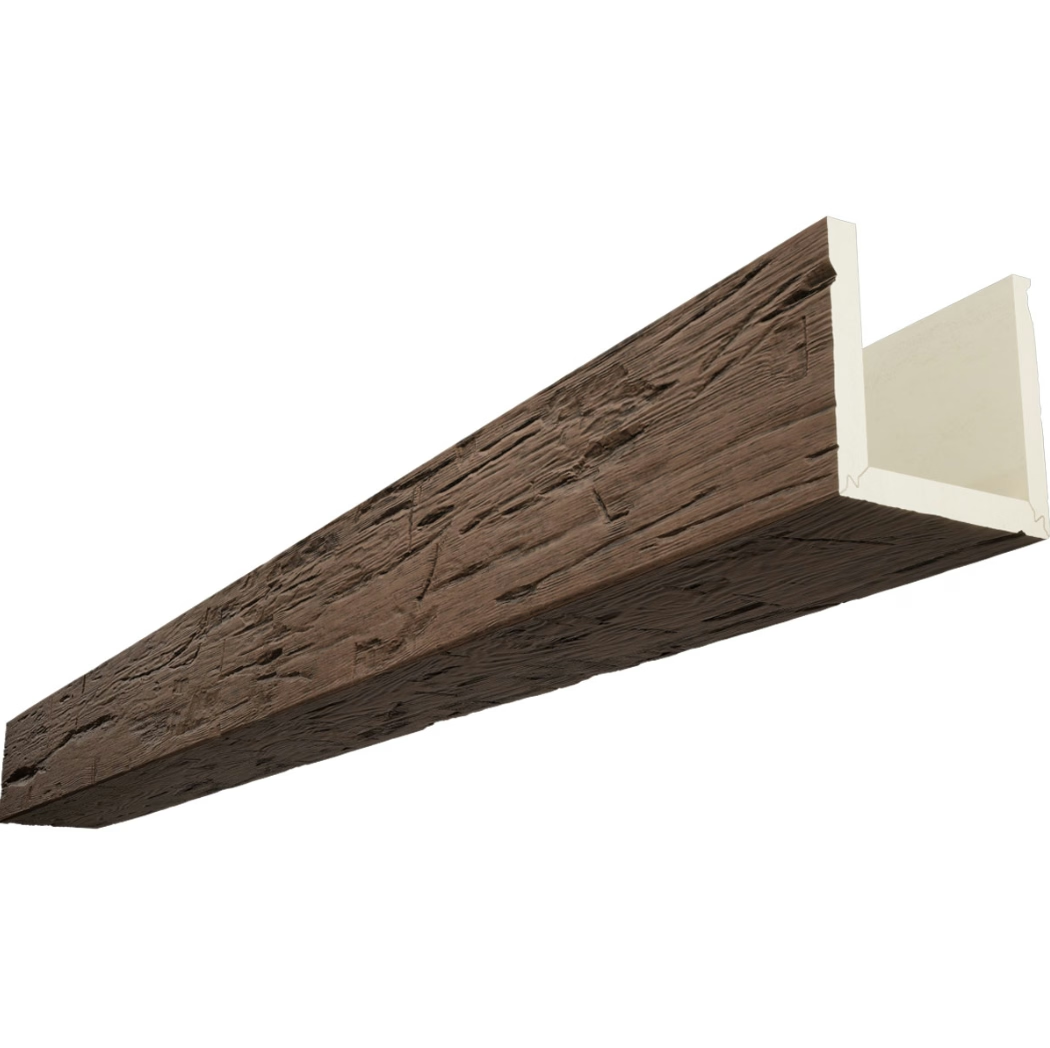
Rustic and farmhouse restaurants benefit from beams with visible wood grain, natural finish variations, and possibly hand-hewn or distressed textures. These details reinforce the casual, approachable character such establishments cultivate, creating environments that feel authentic rather than manufactured.
Industrial-influenced restaurants can incorporate beams alongside exposed ductwork, brick, and concrete, using the wood elements to add warmth to typically cold industrial materials. The contrast between natural wood appearance and industrial elements creates visual tension that contemporary diners find appealing.

Integration With Restaurant Brand Identity
Every successful restaurant communicates consistent brand identity across all guest touchpoints—menu design, staff uniforms, website, social media presence, and physical space. Ceiling beams should reinforce rather than distract from this brand coherence.
Color selection for beam finishes should coordinate with other prominent design elements throughout the space. If your brand features warm copper accents, warmer wood tones on beams might complement these details. If the brand leans toward cooler industrial aesthetics, grayer or paler wood finishes may align better with the overall direction.
Scale selection also affects brand perception. Massive beams communicate grandeur and occasion—appropriate for upscale establishments. Smaller, more numerous beams suggest approachable informality suited to casual concepts. Matching beam scale to brand positioning ensures the architectural treatment supports rather than undermines the intended market positioning.
Zone Definition and Traffic Flow
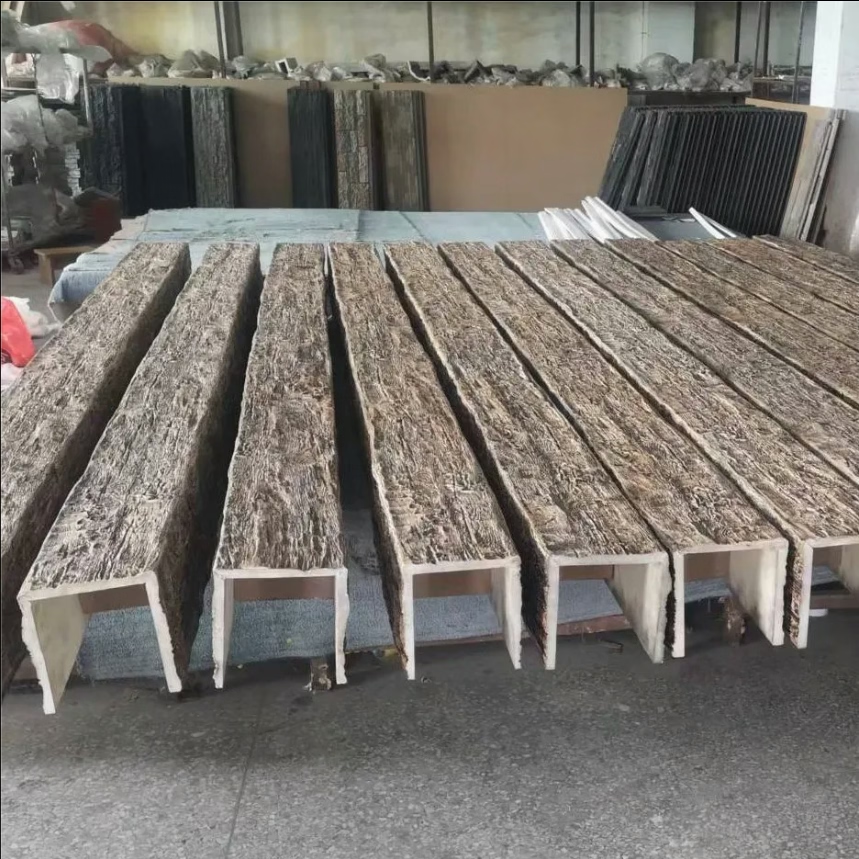
Large restaurants present challenges in organizing space effectively, guiding guests through entry, seating, service, and departure flows without confusion or congestion. Ceiling beams can be configured to support these spatial organization requirements.
Installing beams to create visual pathways—perhaps leading from entry toward a feature bar or special event space—helps guests navigate intuitively. This visual guidance reduces the need for excessive signage while making the space feel designed rather than arbitrary.
Different dining zones—outdoor patio transition areas, bar seating, main dining room, private dining—can be distinguished through beam configuration changes. Parallel beams might define one zone while perpendicular orientation marks another. Guests perceive these transitions naturally, finding their way to preferred seating types without explicit direction.
Moisture and Temperature Resistance
Commercial kitchens generate significant moisture through cooking processes, and this moisture affects surrounding spaces throughout the service day. Even dining rooms adjacent to kitchen areas experience elevated humidity levels that challenge some interior finishes.
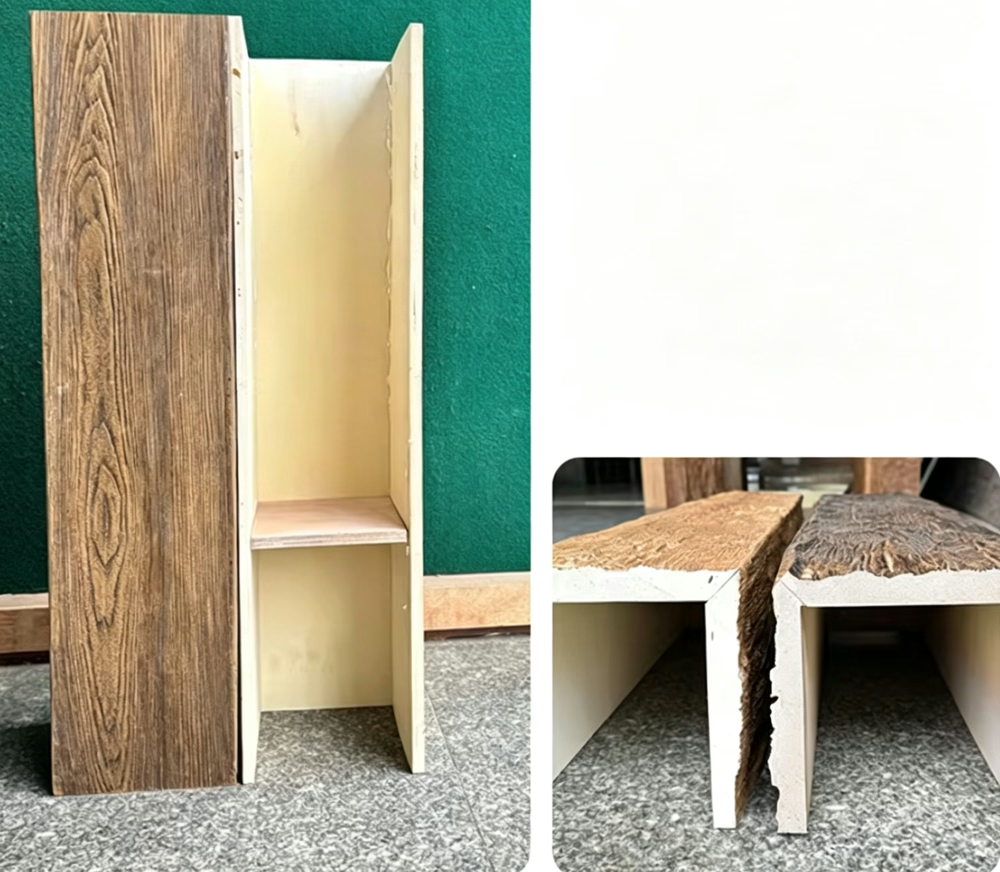
Polyurethane beams resist moisture absorption that would damage real wood alternatives. The closed-cell structure prevents water penetration while the surface composition resists staining from grease-laden air common in restaurant environments. This resistance maintains appearance quality over years of exposure that would degrade organic materials.
Temperature variations between kitchen proximity and distant dining areas, or between daytime and evening service, cause building materials to expand and contract. Polyurethane maintains dimensional stability across these temperature ranges, preventing the warping and joint separation that affects natural wood in similar conditions.
Acoustic Enhancement for Guest Comfort
Sound management in restaurants directly impacts guest experience quality. Excessive noise forces guests to speak loudly, creating stress that shortens visit duration and reduces satisfaction scores. Thoughtful ceiling treatment, including beam installations, contributes to acoustic comfort alongside dedicated sound management systems.
Beam surfaces scatter sound reflections that would otherwise create echo and reverberation. The three-dimensional profile of beams is far more effective at this scattering than flat ceiling surfaces, contributing to more comfortable ambient sound levels. When combined with other acoustic treatments—hanging panels, wall absorbers, strategic soft furnishings—beam installations help create the conversational comfort guests prefer.
Open-plan restaurants with high ceilings particularly benefit from beam installations that break up vast, sound-reflective ceiling planes. Without treatment, these spaces can become uncomfortably loud during peak service periods. Beams provide acoustic intervention that maintains spacious feel while controlling sound levels.
Photography and Social Media Presence
Contemporary restaurant marketing relies heavily on visual content—social media posts, online reviews, food photography, and virtual tour presentations. Spaces featuring architectural interest generate more engaging content that reaches larger audiences organically.
Ceiling beams photograph exceptionally well, providing visual interest that complements food photography and interior shots alike. When food influencers and enthusiastic guests photograph your space, beam details add sophistication to their posts while serving as identifying features that reinforce brand recognition.
Professional food photography used in marketing materials benefits from the dimensional interest beams provide. Flat ceiling spaces often appear unremarkable in photographs, while beam-textured ceilings add visual complexity that makes images more compelling. This photographic advantage translates directly to more effective marketing and stronger brand presence.
Long-Term Investment Protection
Restaurant buildouts represent substantial capital investments that operators expect to generate returns over extended periods. Every material decision affects both immediate visual impact and long-term maintenance requirements that influence operating costs.
Faux wood beams protect investment through their combination of initial visual impact and sustained appearance quality. Unlike real wood that might require refinishing every few years, or other materials that degrade noticeably with age, polyurethane beams maintain consistent appearance throughout their service life. This durability reduces long-term maintenance costs while ensuring the space continues looking fresh and inviting.
The timeless quality of wood-look design ensures beams remain appropriate even as design trends evolve. Unlike trendy finishes that date quickly, wood textures have demonstrated enduring appeal across decades of design history. This timelessness protects your design investment, ensuring the space remains attractive to guests throughout its operating life.
Technical References
ASTM standards cited in every specification
Test Data
Lab results from internal testing program
Updated 2026
Reviewed against current product specs