
The line between online and physical retail has blurred considerably in recent years. Successful Shopify merchants recognize that their brand exists across multiple channels—digital storefronts, social media presence, and increasingly, dedicated physical spaces that bring online brands into tangible reality. Interior design in these physical retail locations must reinforce brand identity while creating environments where customers want to linger, explore, and ultimately purchase.
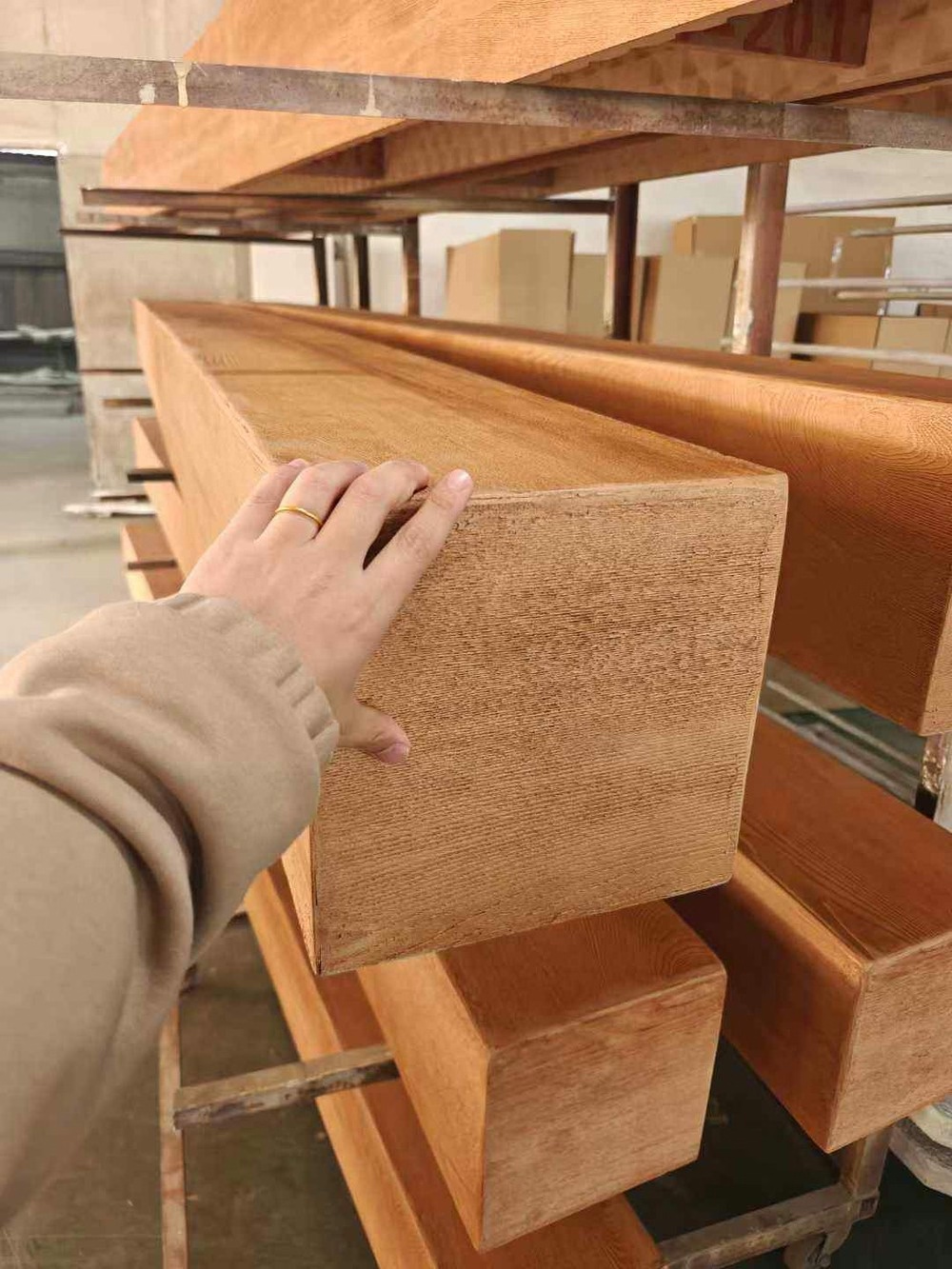
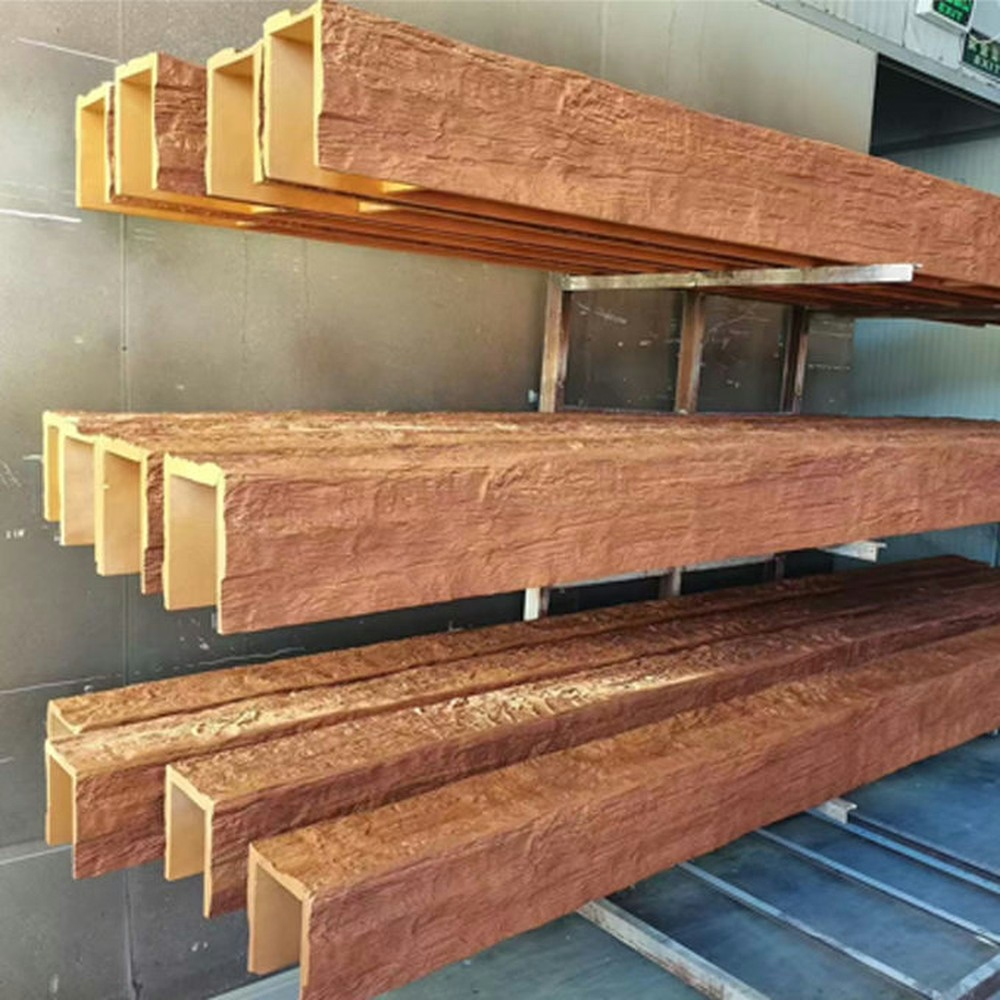
Ceiling beams offer an unexpectedly powerful tool for retail interior differentiation. Most retail spaces feature flat, unremarkable ceilings that receive little design attention—vast horizontal surfaces that could instead become brand-defining architectural features. Installing faux wood beams transforms these forgotten planes into focal points that customers notice, photograph, and remember.
The Omnichannel Retail Experience
Contemporary retail success requires seamless brand experience across all customer touchpoints. A customer who discovers your brand through Instagram, purchases through your Shopify store, and later visits your physical location should encounter a coherent brand expression regardless of the channel. Interior design in physical stores must align with digital brand presentation.
Faux wood beams contribute to this coherence through their inherent warmth and crafted aesthetic. Digital-native brands often emphasize authenticity and human touch in their messaging—qualities that physical spaces with genuine architectural details can substantiate. When customers see beams that suggest handcrafted quality, they experience the brand's values in tangible form rather than merely reading about them in copy.
The tactile quality of well-designed physical spaces creates emotional connections that digital channels cannot replicate. Customers who feel something special in your store—inspired by architectural details, comfortable in the environment, engaged with the brand experience—develop loyalty that transcends transactional relationships.

Durability for Retail Traffic Patterns
Retail environments experience concentrated foot traffic that far exceeds residential use. Hundreds or thousands of customers might pass through daily, each contributing to surface wear and environmental stress that materials must withstand. Faux wood beams handle this traffic intensity while maintaining their appearance year after year.
Unlike real wood that can dent, scratch, or show water damage from spills, polyurethane beams resist surface damage from normal retail use. Shopping bags brush against lower surfaces, strollers and carts pass beneath, and occasional accidental contact with fixtures or displays leaves no permanent marks. This resilience translates to sustained visual quality that justifies the initial investment.
Retail cleaning protocols—frequent mopping, occasional wet cleaning, regular dusting of high surfaces—do not affect polyurethane finishes. The material responds to standard commercial cleaning products without degradation, supporting the sanitation schedules retail environments require.
Brand Expression Through Material Selection
Every design choice in a retail space communicates something about the brand—its values, aesthetic sensibilities, target customer, and market positioning. Ceiling beams offer an opportunity to express brand character through material, finish, and configuration choices that customers perceive subconsciously.
Brands emphasizing sustainability and environmental responsibility might select beams with reclaimed appearance or natural finishes that reinforce these values. The visual language of wood connects to natural, responsible consumption even when the material itself is synthetic.
Premium brands seeking to communicate quality and luxury might specify larger beams with rich finishes that convey grandeur. The scale and finish of ceiling beams influence customer perception of overall brand positioning, supporting premium pricing and customer expectations of exceptional experience.
Approachable, youth-oriented brands benefit from lighter, more casual beam treatments that avoid intimidating formality. The architectural elements communicate care and investment in the space without creating environments that feel exclusive or unwelcoming to broader customer demographics.
Photography and Social Commerce
Physical retail spaces increasingly serve as content creation studios where customers photograph products in aspirational settings. Retailers who design spaces with this photography potential in mind generate organic social media content that extends brand reach far beyond local foot traffic.
Beams contribute significantly to photographable retail appeal. Their vertical faces and dimensional textures photograph well, adding visual interest to product shots taken in the store environment. When customers share these images, beam details appear in their posts, subtly promoting the brand's physical presence to social followers.
Retail staff can incorporate beam backgrounds into their own content creation, using architectural details to create aspirational imagery for brand social media channels. Consistent brand presentation across digital and physical channels strengthens overall brand perception and customer recognition.
Acoustic Comfort for Extended Shopping
Retail environments that encourage browsing and extended shopping must manage acoustics carefully. Spaces that feel chaotic or uncomfortably loud drive customers toward faster, more transactional shopping behavior. Ceiling beams contribute to acoustic comfort alongside dedicated sound management strategies.
The dimensional profile of beams scatters sound reflections that would otherwise create echo and noise buildup during busy periods. This scattering effect contributes to comfortable ambient sound levels that allow conversation, soft music, and the subtle environmental sounds that make shopping pleasant.
Comfortable acoustic environments encourage customers to spend more time in the space. Research consistently demonstrates that customers who linger longer spend more, make more considered purchasing decisions, and report higher satisfaction with their shopping experience. Acoustic comfort through beam installation directly supports these behavioral outcomes.
Seasonal Flexibility and Display Integration
Retail spaces require flexibility to accommodate seasonal merchandising changes, promotional displays, and evolving product presentations. Ceiling beams should integrate with these needs rather than limiting merchandising options.
Beam configurations can accommodate hanging display systems, seasonal decorations, and promotional signage without compromising architectural integrity. The structural nature of beams makes them appropriate mounting points for fixtures that require ceiling attachment, expanding the merchandising options available in the space.
During holiday seasons or special promotional periods, beams provide mounting points for temporary installations that transform the space without permanent alteration. This flexibility supports retail calendar requirements while maintaining consistent architectural character as the backdrop for changing merchandising presentations.
Investment Value for Growing Retailers
Retail expansion from single locations to multiple stores requires consistent brand expression across geographically distributed spaces. Design specifications including ceiling beam selections enable this consistency, ensuring each location reinforces rather than dilutes brand identity.
The durability of faux wood beams supports multi-location consistency over time. Locations opened years apart maintain architectural coherence because beams age consistently regardless of installation date. This sustained quality ensures brand expression remains strong even in older locations while new stores benefit from updated design direction.
Technical References
ASTM standards cited in every specification
Test Data
Lab results from internal testing program
Updated 2026
Reviewed against current product specs


