Healthcare environments face a fundamental tension between clinical requirements and human comfort. Sterile, easily cleaned surfaces satisfy infection control protocols, but they can also create spaces that feel cold, institutional, and anxiety-inducing for patients already under stress. Contemporary healthcare design increasingly recognizes that environmental psychology significantly influences healing outcomes, prompting designers to seek materials that satisfy clinical requirements while contributing to warm, reassuring atmospheres.
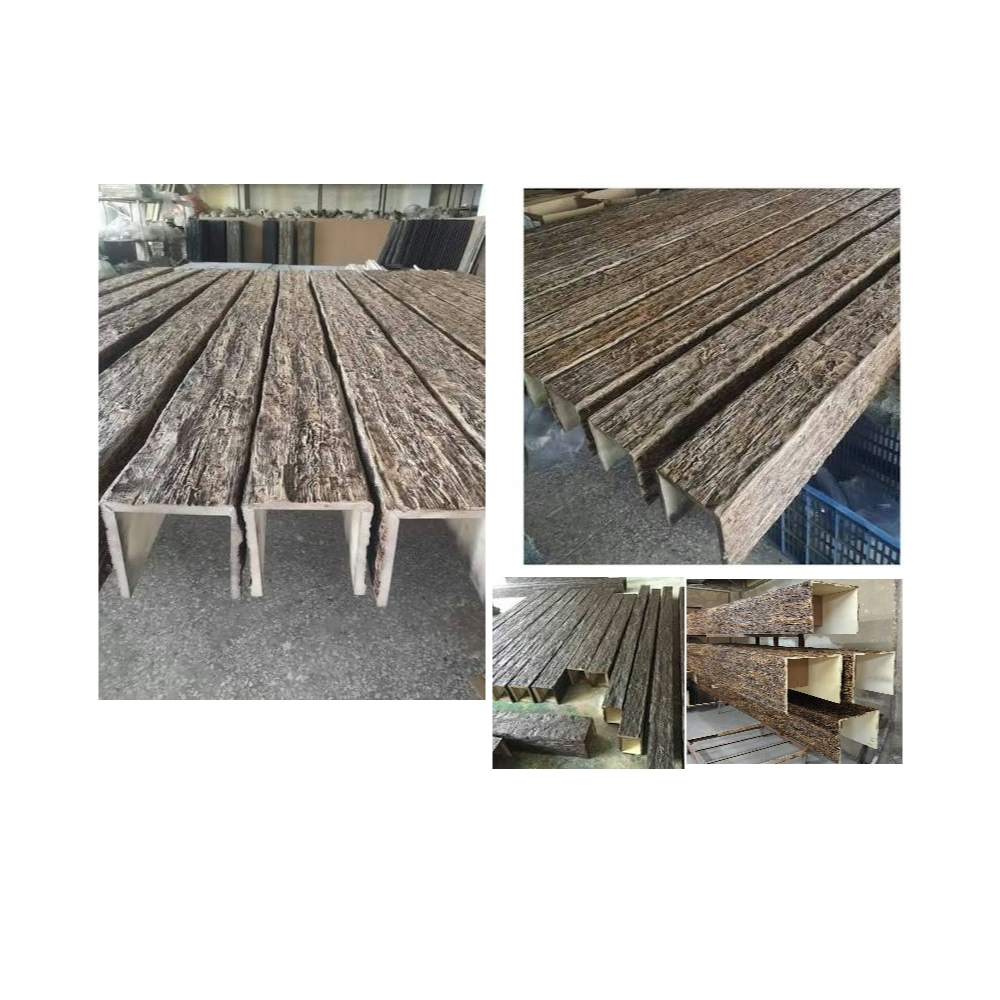
Faux wood ceiling beams offer a unique solution to this design challenge. They introduce the visual warmth and organic character associated with natural materials while meeting the stringent hygiene and durability requirements healthcare facilities demand. The result is interior environments that support healing without compromising clinical standards.
Biophilic Design Principles in Healthcare
Biophilic design—the practice of incorporating natural elements and patterns into built environments—has demonstrated measurable benefits in healthcare settings. Research shows that exposure to natural visual elements reduces patient anxiety, decreases perceived pain levels, and shortens recovery times in healthcare environments. Wood-look materials, in particular, evoke connections to nature that support these psychological benefits.
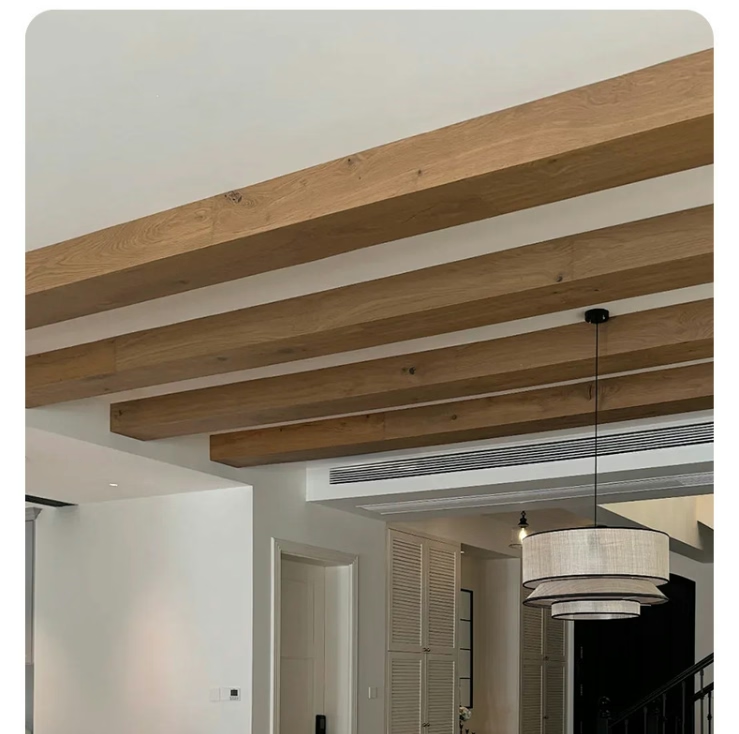
Ceiling beams provide substantial biophilic impact because of their prominent positioning and dimensional presence. Unlike small decorative elements that patients might overlook, ceiling beams command attention and create immediate environmental character. A patient entering a room with wood-look ceiling beams perceives warmth and naturalness before consciously registering any specific design details.
The therapeutic benefits extend to staff environments as well. Healthcare workers spending extended shifts in clinical spaces also experience reduced stress when working in environments with natural design elements. This benefit supports staff retention and wellbeing—significant considerations in healthcare settings facing ongoing workforce challenges.

Infection Control and Hygiene Compliance
Healthcare facilities operate under rigorous infection control requirements that influence every material decision. Surfaces must be cleanable to clinical standards, resistant to microbial growth, and durable enough to withstand frequent sanitization without degradation.
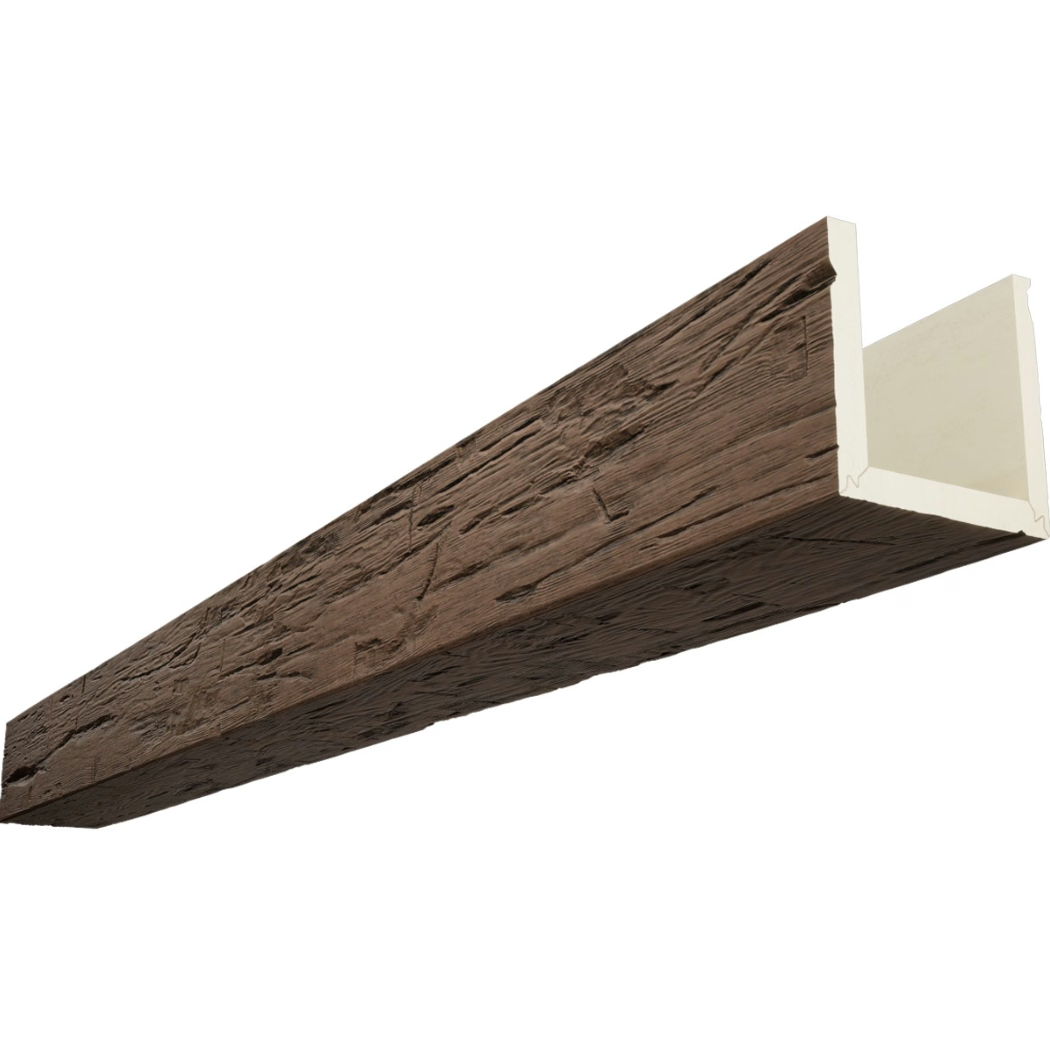
Polyurethane faux wood beams satisfy these requirements through their non-porous, closed-cell construction. The surface does not support bacterial or fungal growth, resists staining from cleaning agents, and maintains integrity despite repeated exposure to healthcare-grade disinfectants. These properties ensure beams remain safe and visually consistent throughout their service life.
The seamless installation possible with polyurethane beams eliminates gaps and joints where contaminants might accumulate. Unlike real wood that might develop cracks or separations over time, quality faux wood installations maintain continuous surfaces that facilitate thorough cleaning. This cleanliness supports infection control protocols while reducing maintenance requirements.
Acoustic Management in Clinical Spaces
Healthcare environments present challenging acoustic requirements. Sensitive conversations between patients and providers must remain private, while simultaneously, ambient noise levels affect patient stress and recovery. Ceiling treatments including beam installations contribute to acoustic management across these sometimes competing needs.
Beam configurations scatter sound reflections that would otherwise create echo and noise buildup in larger clinical spaces. This scattering effect contributes to more comfortable ambient sound levels in waiting areas, corridors, and common spaces. Patients and families waiting for appointments experience reduced stress when the environment feels calm rather than cavernous and noisy.
Acoustic privacy for consultation rooms and patient areas requires different treatment, but beams can be integrated with dedicated acoustic insulation to support these requirements. The three-dimensional profile of beams adds mass to ceiling structures that contributes to sound attenuation without requiring the massive structural commitment real wood beams would demand.
Calming Environments for Patient Wellbeing
Anxiety accompanies most healthcare encounters, from routine preventive care to serious medical interventions. Environmental design that reduces this anxiety supports both patient experience and clinical outcomes. Research consistently demonstrates that patients in more calming environments require less pain medication, experience fewer complications, and report higher satisfaction with their care.
Warm wood-look materials trigger instinctive comfort responses that reduce anxiety without conscious awareness. The organic patterns and natural color associations prepare patients emotionally for their healthcare encounters, creating psychological readiness that supports clinical interactions. This effect operates beneath conscious awareness but produces measurable behavioral and physiological responses.
Healthcare facilities designed with these principles in mind—including ceiling beams that contribute warmth and natural character—differentiate themselves through patient experience quality. In competitive healthcare markets, this differentiation supports patient acquisition and retention while contributing to positive clinical outcomes that strengthen institutional reputation.
Design Integration With Healthcare Contexts
Healthcare interiors require careful design integration that respects clinical requirements while creating spaces that feel human rather than institutional. Faux wood beams offer flexibility that supports diverse design directions appropriate to healthcare contexts.
In pediatric facilities, beams can introduce warmth that makes clinical spaces feel more approachable for young patients. The visual interest distracts from medical equipment and procedures, creating environments where children feel less threatened by healthcare encounters. Age-appropriate theming can incorporate beams alongside colorful, playful elements that engage young patients.
Senior care facilities benefit from warm materials that combat the institutional feeling many older adults associate with medical care. The natural character of wood-look elements creates homelike environments that support dignity and comfort for elderly patients. This homelike quality contributes to satisfaction and wellbeing in residential care settings.
Behavioral health facilities require particular sensitivity to environmental factors that might trigger distress or unsafe behavior. The warmth of wood-look materials supports calming environments without introducing any elements that could be weaponized or damaged. Polyurethane's durability and damage resistance make it appropriate for these demanding applications.
Wayfinding and Spatial Organization
Large healthcare facilities can overwhelm patients and families navigating unfamiliar environments. Design elements that create visual landmarks and spatial organization help visitors find their way while reducing the stress of disorientation.
Ceiling beams installed in consistent configurations throughout specific building zones create visual continuity that helps visitors recognize when they've entered different areas. The beams provide wayfinding cues that operate below conscious awareness, guiding navigation through familiarity rather than explicit signage.
Different clinical departments might feature varying beam configurations or orientations that distinguish them while maintaining overall design coherence. This variation creates visual interest while supporting functional wayfinding requirements unique to complex healthcare facilities.
Long-Term Performance and Cost Considerations
Healthcare facilities operate under significant budget constraints while maintaining high standards for patient care and environment quality. Material selections must balance initial cost against long-term performance requirements that affect total cost of ownership.
Faux wood beams offer favorable economics through their combination of moderate initial cost and minimal long-term maintenance requirements. Unlike real wood that might require periodic refinishing or eventual replacement due to wear and damage, polyurethane beams maintain consistent appearance throughout their extended service life with only routine cleaning.
The durability of quality faux wood beams ensures healthcare facilities can budget confidently for ceiling installations without concern about premature replacement or degradation. This predictability supports capital planning processes while ensuring environments remain therapeutic and visually appropriate for patients and staff throughout the installation's life.
Technical References
ASTM standards cited in every specification
Test Data
Lab results from internal testing program
Updated 2026
Reviewed against current product specs