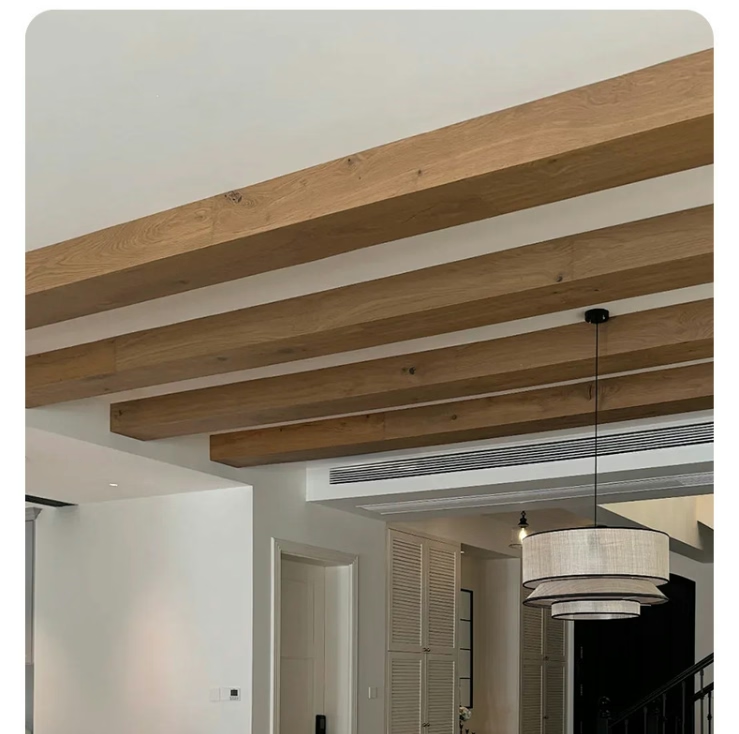
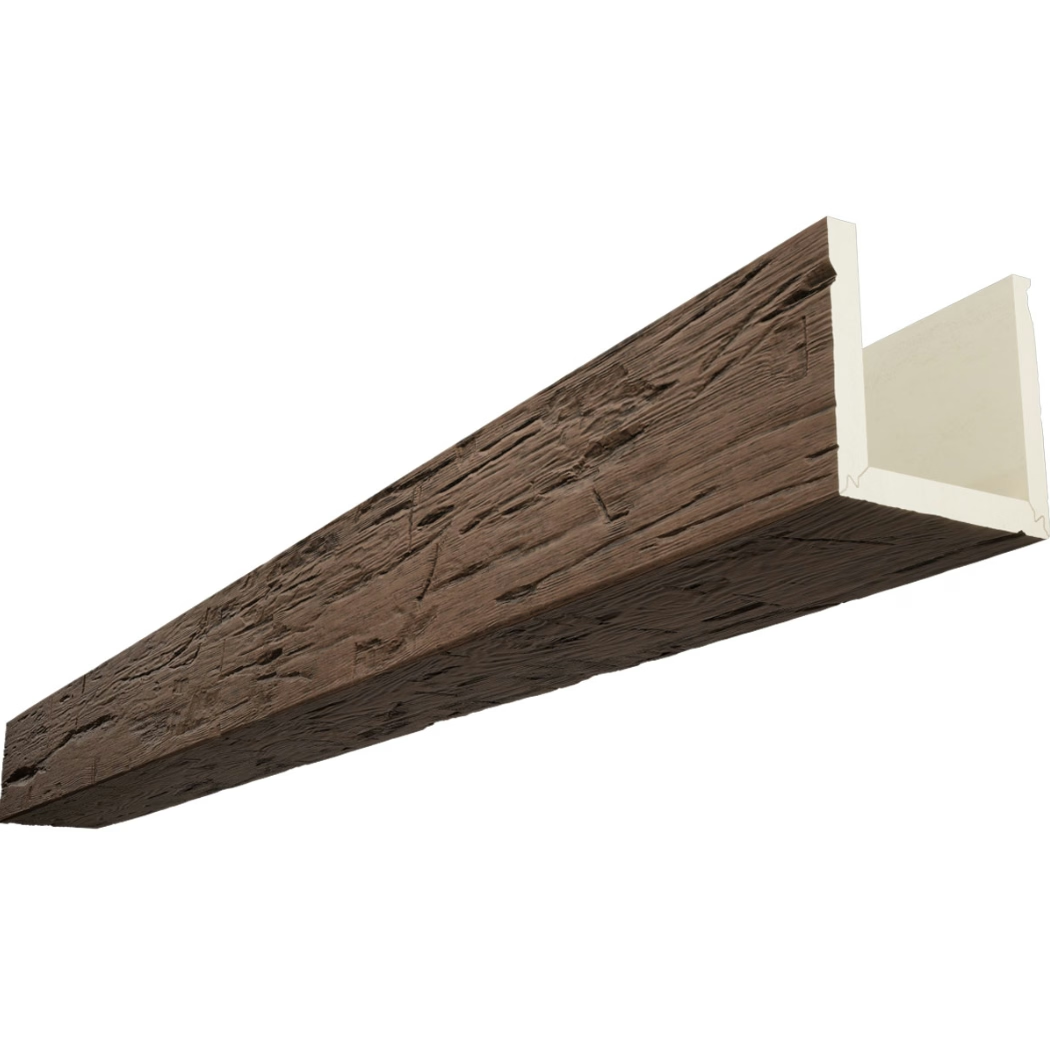
The dining hall represents the heart of restaurant identity—the space where guests spend the most time, where food arrives, and where memories form. While kitchen excellence determines whether guests return, the dining hall environment shapes their perception of the entire experience. Ceiling beams transform these central spaces from functional rooms into destinations that guests remember and recommend.
Hospitality research consistently demonstrates that environmental factors significantly influence dining behavior. Guests linger longer in comfortable, attractive spaces, order more when atmosphere supports relaxation, and leave more satisfied when their surroundings match their expectations. Ceiling beams contribute to these positive outcomes through visual warmth and architectural interest that elevate the dining experience.
Creating Dining Atmosphere Through Ceiling Design
Dining atmosphere operates at the intersection of visual appeal and psychological comfort. Spaces that feel designed rather than generic signal quality that influences perception of food and service. Ceiling beams provide this designed quality through architectural presence that transforms plain rooms into memorable spaces.
The warmth inherent in wood-look materials counteracts the clinical feeling many commercial interiors develop. Restaurants that rely entirely on mechanical systems and artificial lighting can feel sterile despite excellent food and service. Beams introduce organic character that makes spaces feel human and crafted rather than manufactured and temporary.
Different dining concepts require different atmospheric qualities, and beam selection should match these requirements. Intimate fine dining venues benefit from dramatic beam treatments that emphasize occasion and special treatment. Casual restaurants might feature more approachable beam installations that reinforce relaxed, welcoming character.

Scale Considerations for Dining Spaces
Dining hall dimensions vary significantly across restaurant formats, from intimate ten-table rooms to expansive banquet facilities. Beam selection and installation must scale appropriately to create visual balance rather than overwhelming or underwhelming the space.
Smaller dining rooms benefit from proportionally scaled beams that add interest without dominating the space. Single accent beams or modest parallel installations create architectural presence that enhances rather than crowds the room. Careful attention to beam depth ensures the ceiling treatment feels appropriate to the spatial scale.
Large dining halls and banquet facilities accommodate more substantial beam installations with confidence. Oversized beams in these spaces create the visual weight necessary to fill vast ceiling planes. The dramatic impact achievable with large beams in big spaces cannot be replicated with modest installations that would disappear visually.
Kitchen Adjacency and Moisture Management
Restaurant dining halls often share walls or open directly into kitchen areas, creating moisture and grease exposure that affects dining hall materials. Ventilation systems draw cooking byproducts into dining areas, settling on surfaces throughout service periods. Ceiling materials must withstand this exposure without degradation.
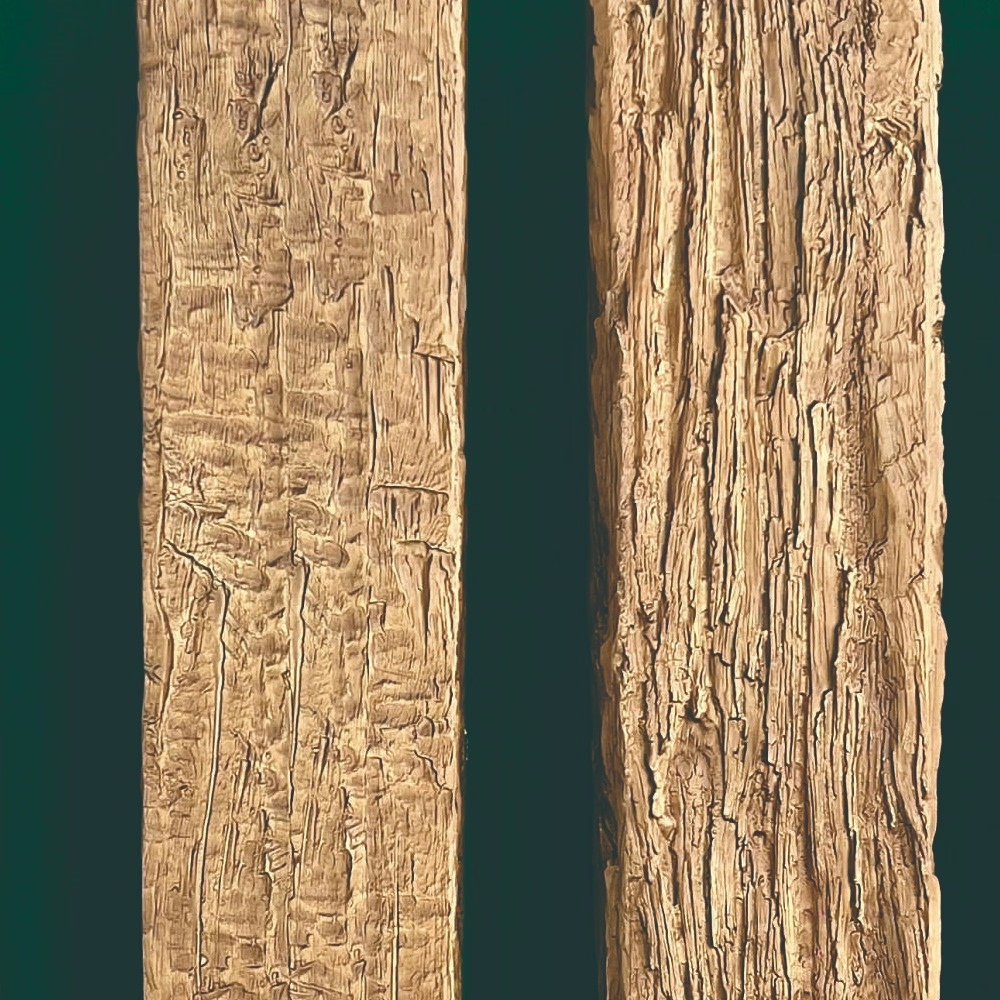
Polyurethane faux wood beams resist the grease and moisture accumulation that would stain or damage natural wood. The sealed surface does not absorb cooking oils or moisture, allowing regular cleaning without concern about finish damage or material degradation. This resistance maintains appearance quality despite continuous exposure to kitchen-adjacent conditions.
Proper ventilation system design minimizes the migration of cooking byproducts into dining areas, but some exposure remains unavoidable in most restaurant configurations. Faux wood beams handle this exposure reliably, maintaining the clean, attractive appearance that dining environments require.
Acoustic Comfort for Extended Dining
Dining experiences often extend over hours, with guests engaging in conversation that requires comfortable acoustic conditions. Spaces that echo excessively or feel chaotically noisy create fatigue that shortens dining duration and reduces satisfaction. Ceiling beams contribute to acoustic management that supports extended, comfortable dining.
The dimensional profile of beams scatters sound reflections that would otherwise create harsh echo in large, parallel-surfaced rooms. This scattering creates more comfortable ambient sound levels, allowing conversation without raised voices while maintaining the energetic atmosphere that dining establishments seek.
When combined with other acoustic treatments—hanging baffles, wall panels, strategic soft furnishings—beam installations help create the balanced acoustic environment that fine dining requires. Guests should be able to converse easily at their tables while the overall room maintains the liveliness appropriate to dining out.
Lighting Integration for Service Periods
Restaurant dining halls serve different functions throughout the day—bright breakfast service, casual lunch, intimate dinner, late-night bar service. Lighting systems must accommodate these varied requirements, and ceiling beams should integrate with lighting design rather than complicating fixture placement.
Track lighting positioned between beams allows flexible adjustment of direction and intensity across service periods. The beams provide visual organization for these systems, creating ceiling design that includes lighting as a coordinated element rather than afterthought addition.
Pendant fixtures suspended from beams create intimate pools of light over specific tables or seating areas. This focused illumination supports the table-side service that distinguishes restaurant dining from home meals while adding visual interest to the ceiling plane.
Decorative accent lighting aimed at beam surfaces creates ambient glow that defines the ceiling as evening progresses and natural light fades. This transition maintains visual interest while supporting the intimate atmosphere dinner service requires.
Table Configuration and Seating Layout
Dining hall furniture arrangement must coordinate with ceiling treatment to create functional and aesthetic coherence. Beam placement should consider table positioning, aisle requirements, and service flow while supporting the visual impact ceiling beams provide.
Servers require clear pathways for food delivery and table clearing. Beam arrangements should avoid creating obstacles or reduced clearance that would slow service or create safety concerns. Strategic beam placement that provides visual interest while maintaining service efficiency demonstrates thoughtful design.
Guest seating should relate to beam positioning in ways that enhance rather than conflict with dining experience. Tables positioned directly under beam intersections might feel compressed or awkward, while tables positioned to enjoy beam views from comfortable angles benefit from the architectural interest beams provide.
Long-Term Maintenance Considerations
Restaurant ownership requires balancing aesthetic quality against operational efficiency and maintenance demands. Materials that demand constant attention consume resources disproportionate to their contribution, while durable materials that maintain appearance with minimal care support sustainable operations.
Faux wood beams require only routine cleaning as part of regular dining hall maintenance. The sealed surface does not require specialized products or techniques, accepting standard commercial cleaning protocols without degradation. This cleanability supports the rigorous sanitation schedules restaurant operations require.
The sustained appearance quality of quality faux wood beams ensures dining halls continue looking fresh and attractive year after year. Unlike materials that show age through wear, fading, or damage, properly installed faux wood beams maintain consistent appearance throughout their extended service life.
Technical References
ASTM standards cited in every specification
Test Data
Lab results from internal testing program
Updated 2026
Reviewed against current product specs